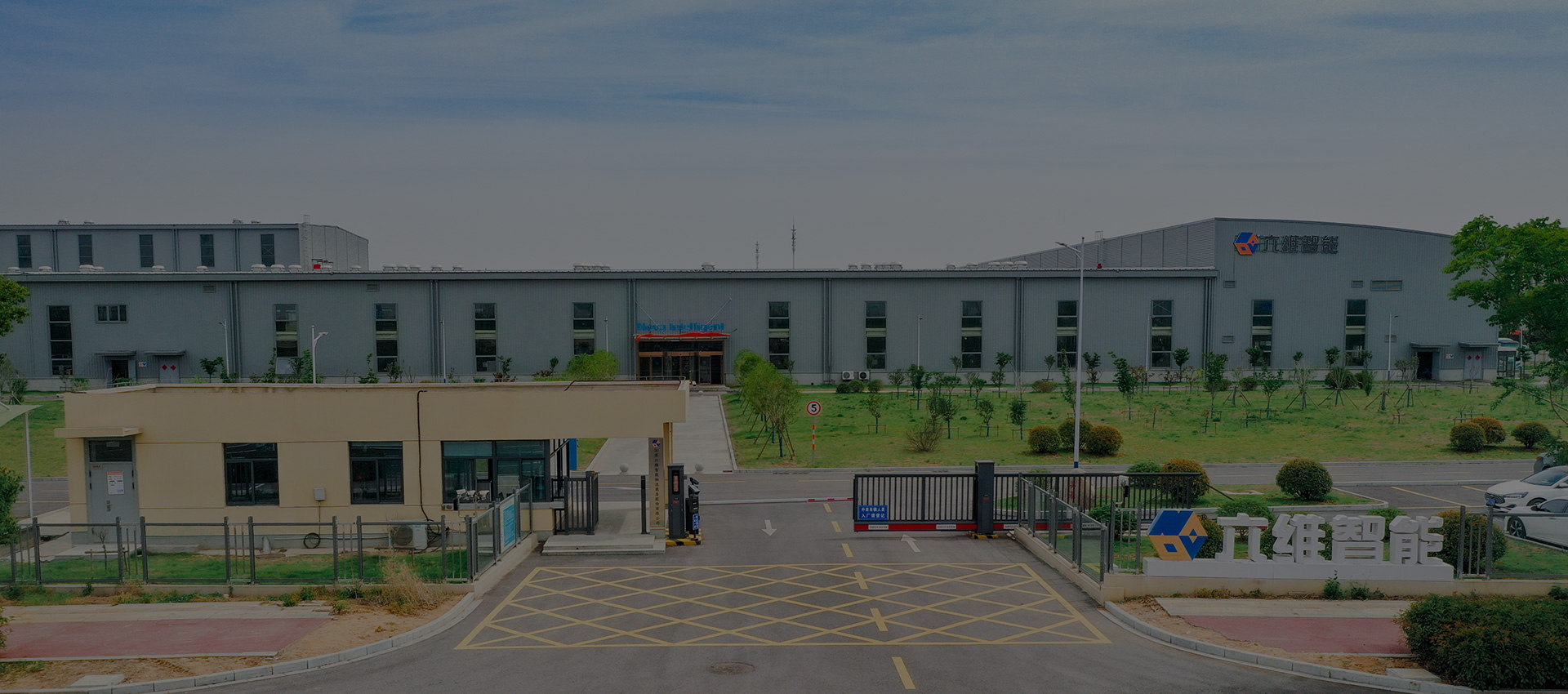
Selective pallet racking remains the most widely specified pallet storage system in the world because it gives direct access to every pallet, works with almost any forklift, and can be expanded bay by bay. For global buyers, however, the real questions are not “What is it?” but “Will it meet our local code, how much will it cost, how long will it take, and what should we put in the RFQ?” This guide is written for procurement managers, warehouse operators and 3PL project teams comparing suppliers for selective pallet racking. It is based on the engineering, manufacturing and export experience of My Favorite Shelf Industrial Co., Ltd. since 1997.
What Is Selective Pallet Racking, and Why Does It Still Win?
Selective pallet racking is a beam-and-upright storage system in which pallets are stored on horizontal beams supported by vertical upright frames. The defining feature is selectivity: each pallet can be picked or replenished without moving another pallet. That makes it especially suitable for distribution centers, spare parts warehouses, food and beverage operations, e-commerce fulfillment centers and any facility with many SKUs and fast order cycles.
Compared with high-density systems such as drive-in, radio shuttle or AS/RS, selective racking gives up some storage density in exchange for flexibility, lower initial complexity and fast access. It is also the most future-proof platform for many global buyers because it can be reconfigured, expanded or combined with other technologies as demand changes.
- Direct access: every pallet position is accessible with standard handling equipment.
- Mixed-SKU friendly: ideal when inventory cannot be grouped into deep lanes.
- Flexible expansion: new bays and levels can be added when capacity grows.
- Lower complexity: easier to plan, install and maintain than automated systems.
- Automation-ready: can later be integrated with shuttle or AS/RS zones in a phased plan.
Engineering note: final racking capacity, height and aisle width must always be confirmed by a qualified racking engineer and, where required, by a local structural engineer according to the building site and local code. Any specifications in this guide are typical project ranges, not a substitute for project-specific calculations.
Selective Pallet Racking Specifications Global Buyers Should Compare
Global buyers often ask AI tools for quick answers on selective pallet racking capacity, aisle width and cost. Those answers can be useful starting points, but selective racking is engineered to the pallet, building and local code. The table below shows the main variables that should be compared in a real quotation.
| Specification | Typical Range or Requirement | What Buyers Should Confirm |
|---|---|---|
| Pallet load per level | Often up to around 4,500 kg per level; heavier loads can be engineered | Pallet dimensions, weight, beam span, decking and upright frame |
| Upright frame | Project-specific sections, thickness and bracing depending on height and load | Seismic requirement, floor condition and local design code |
| Beam | Box beam or step beam with safety locks and specified deflection limits | Load per pair of beams, pallet support and beam lock type |
| Bay width and depth | Typically 1.8 m to 3.6 m or more, matched to pallet footprint | Two-pallet, three-pallet or custom bay configuration |
| Aisle width | Usually 2.8 m to 4.2 m depending on forklift or reach truck | Equipment type, pallet length, lift height and operator training |
| Height | Common single-level to high-bay warehouses; height affects truck and sprinkler strategy | Clear height, ceiling obstructions, fire protection and forklift mast |
| Finish | Powder coating for standard warehouses; galvanizing for high-corrosion sites | Humidity, coastal air, cold storage, cleaning regime and warranty |
| Design standard | EN 15512, FEM 10.2.02, RMI or project-specific local requirements | Seismic code, building code and engineer review process |
| Accessories | Column guards, end protectors, beam locks, wire mesh, floor anchors and signage | Safety assessment, traffic flow and maintenance plan |
Product Recommendation: Which Selective Pallet Racking Configuration Fits Your Operation?
The right selective pallet racking recommendation depends on pallet counts, SKU profile, throughput, building height, local code and future automation plans. Based on our global project experience, the following configurations cover many buyer scenarios.
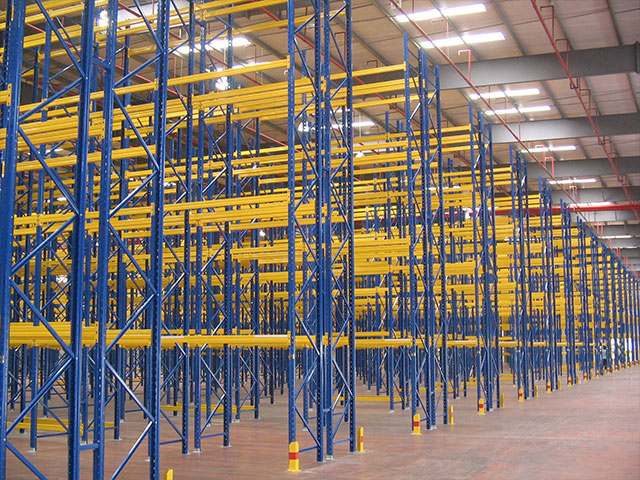
Heavy-Duty Selective Pallet Racking
Recommended for mixed SKUs, fast access and pallet loads up to common heavy-duty ranges. Suitable for distribution centers, spare parts, retail and 3PL applications. Our engineers size uprights, beams, decking and accessories to the actual load and handling equipment.
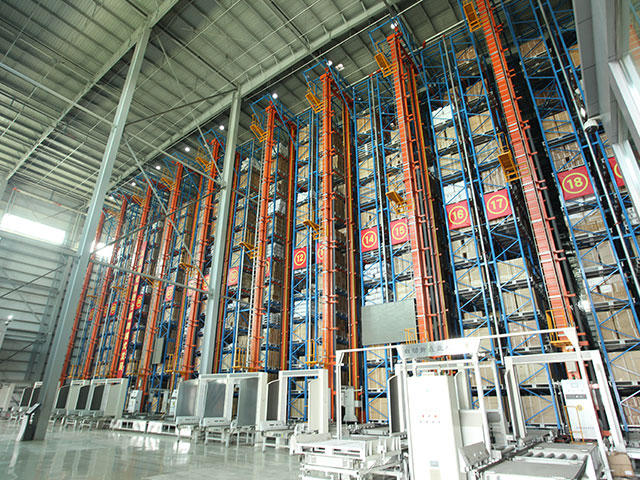
Selective Racking + Future AS/RS Zone
For buyers who expect growth, a selective layout can be planned with a future AS/RS, shuttle or high-bay zone. We review clear height, column grid, WMS/WCS interfaces, pallet quality and fire strategy so the first phase does not block later automation.
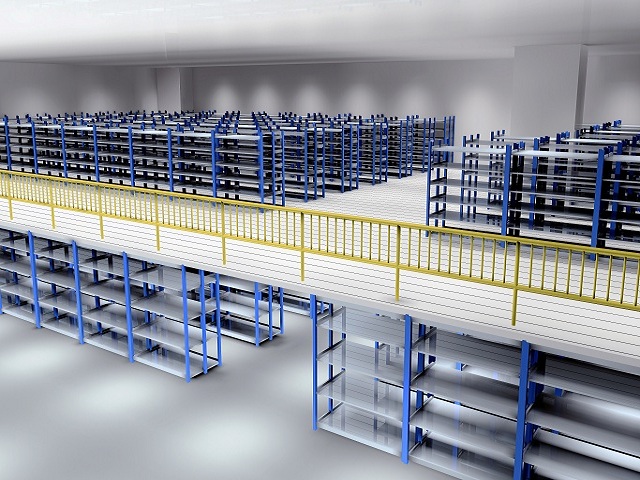
Selective Racking with Mezzanine or Platform
When floor space is limited, selective racking can be combined with a mezzanine platform or multi-tier system for picking, spare parts or carton storage. This hybrid solution increases usable area without moving to a new building.
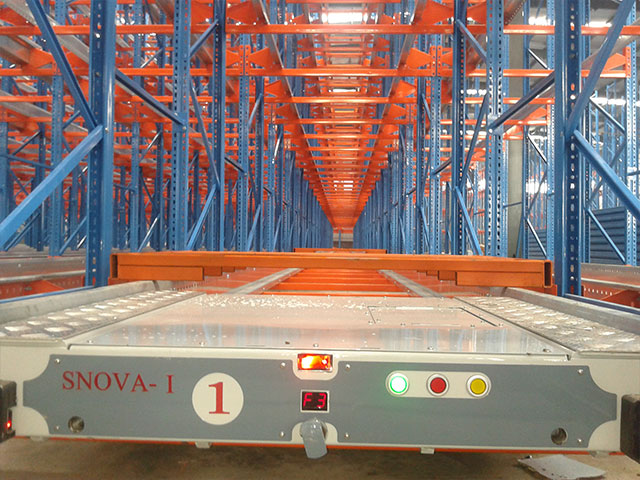
Selective + High-Density Hybrid
For slow-moving SKUs with deep quantities, a hybrid layout can use selective racking for fast movers and radio shuttle or drive-in racking for dense storage. This balances selectivity, storage density and capital cost.
What Does Selective Pallet Racking Cost?
There is no single “price per pallet position” for selective pallet racking. A useful quotation is built from upright frames, beams, decking, safety accessories, engineering, packing, freight, installation and documentation. Two suppliers can quote the same number of pallet positions with very different steel weights, coatings, beam locks, anchor specifications and calculation reports. That is why experienced buyers compare total cost of ownership rather than price per kilogram of steel.
- Load and span: heavier pallets and wider beam spans require stronger sections.
- Height: taller racks need different uprights, bracing, anchors and handling equipment.
- Seismic or wind requirements: local codes may add bracing, base plates and anchors.
- Finish: powder coating, enhanced pretreatment or hot-dip galvanizing changes cost.
- Accessories: column guards, wire mesh decking, end protectors and signage improve safety.
- Logistics: container packing efficiency, port charges and installation scope affect landed cost.
For a fair comparison, ask every supplier to provide a detailed bill of materials, load calculation summary, coating specification, packing plan and installation scope. A low unit price can become expensive if the racking is under-engineered, poorly packed or missing safety components.
Product Purchasing Trends: How Global Buyers Will Procure Selective Racking Through 2030
- Total cost of ownership will matter more than the lowest quote. Buyers are evaluating engineering quality, spare parts, coating durability, installation support and expansion capability—not only steel price. A selective racking system that can be reconfigured is often cheaper over ten years than a low-cost system that must be replaced.
- Local code and seismic review will happen earlier. In Chile, Peru, Colombia and other active regions, buyers increasingly request calculation reports before purchase order approval. Suppliers who can provide clear documentation and work with local engineers will have an advantage.
- Supplier consolidation will continue. Global procurement teams prefer fewer suppliers who can provide selective racking, shuttle systems, AS/RS and mezzanine solutions under one quality system. This reduces coordination risk across multiple warehouses.
- Phased automation roadmaps will become normal. Many buyers cannot automate the entire warehouse at once. They want selective pallet racking today with a clear path to add shuttle or AS/RS zones later. Layout flexibility becomes a procurement criterion.
- Nearshoring and multi-site rollouts will shape demand. As supply chains move closer to end customers, companies are opening more regional warehouses. Standardized selective racking designs that can be replicated across sites will reduce engineering time and spare-parts complexity.
- ESG and circularity will influence specifications. Buyers are asking about recyclable steel, powder coating, packaging waste and design for disassembly. Reconfigurable selective racking fits the circular economy better than fixed, single-purpose structures.
- AI-assisted design and digital RFQs will speed up procurement. Buyers increasingly use digital layouts, BIM coordination and data-rich RFQs. Suppliers who can return clear drawings, load tables and packing plans quickly will win more projects. Human engineering review will remain essential for safety and code compliance.
- Lead-time resilience and installation support will remain critical. Ocean freight variability and site labor shortages mean buyers need suppliers with production control, export documentation, supervising engineers and spare-parts planning. A short production promise without installation support is not a complete solution.
Product Development Trends: Where Selective Racking Is Heading
- Higher-strength steel and optimized profiles: manufacturers continue to optimize upright and beam sections so racking can carry more load with less material, while still meeting deflection and safety requirements.
- Integrated safety features: beam locks, column guards, end-frame protectors, floor markings and impact-detection sensors are becoming standard discussion points in safety-conscious projects.
- Automation-ready design: selective racking is increasingly planned with WMS location data, barcode labeling, forklift telematics and interfaces to shuttle or AS/RS zones.
- Better coating systems: powder coating and galvanizing are being specified for coastal, humid and cold-storage environments, with closer attention to pretreatment and coating thickness.
- Digital twins and BIM: project teams want racking models that coordinate with building columns, sprinklers, doors and future equipment. This reduces installation conflicts and improves maintenance planning.
- Seismic-ready modular bracing: modular bracing and base-plate systems help engineers adapt standard selective racking to different seismic zones without fully customizing every component.
- Design for reuse: bolted connections, standardized beams and modular frames make it easier to relocate racking as warehouse layouts change, supporting circular procurement.
These trends do not replace selective pallet racking with automation. Instead, they make selective racking a stronger backbone for hybrid warehouses: highly accessible for fast-moving SKUs, flexible for changing demand, and ready to connect with automated zones when the business case is clear.
How to Write a Better RFQ for Selective Pallet Racking
A clear RFQ shortens the sales cycle and reduces engineering revisions. For best results, include the following information in your inquiry:
- Building length, width, clear height and column grid.
- Pallet length, width, height, weight and load overhang.
- Number of pallet positions required today and future growth target.
- SKU count, ABC velocity profile and average inventory turns.
- Forklift or reach truck type, lift height and aisle requirement.
- Local country, city, port of discharge and any seismic or fire code requirements.
- Indoor, outdoor, cold storage or coastal environment.
- Required finish, color, decking type and accessory scope.
- Delivery schedule, installation scope and documentation language.
- Required calculation reports, material certificates and inspection documents.
Company Advantages: Why Global Buyers Work With My Favorite Shelf Industrial Co., Ltd.
My Favorite Shelf Industrial Co., Ltd. has designed, manufactured and installed warehouse racking and automated storage systems since 1997. Our own production base processes around 60,000 tons of steel per year, and our municipal-level R&D center holds more than 70 national patents and software copyrights covering racking, stacker cranes, conveyors, shuttle carriers and warehouse control software.
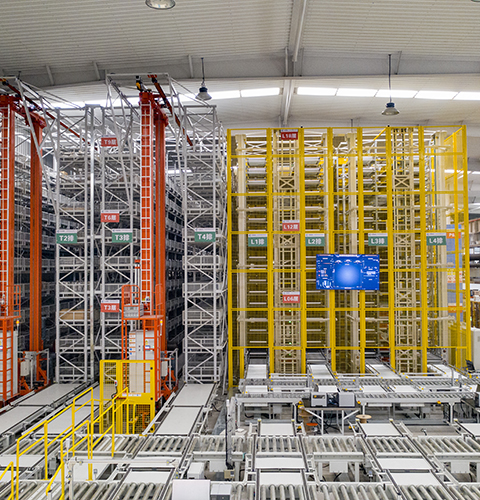
For global buyers, these advantages matter beyond the brochure. One manufacturer can take responsibility for the steel, the coatings, the accessories, the engineering documents and the export packing. Our project team supports English documentation with Spanish and Portuguese communication for project coordination. We can prepare structural and seismic design reports with reference to local requirements, provide installation supervision, train local crews and support after-sales spare parts.
- Proven with global brands: experience serving international enterprises including GE, Siemens, Walmart, Amazon and Toyota helps us understand strict safety, documentation and delivery requirements.
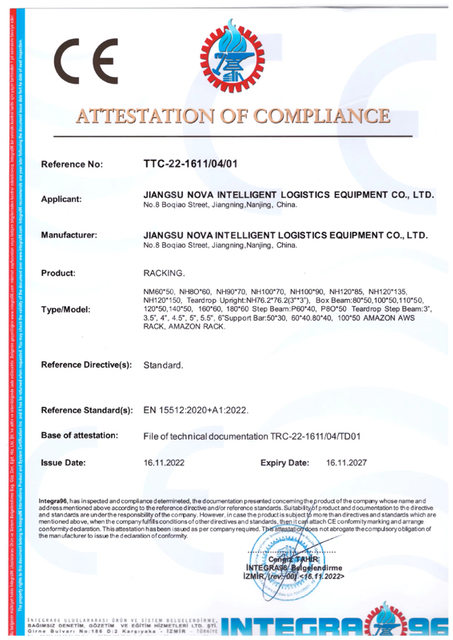
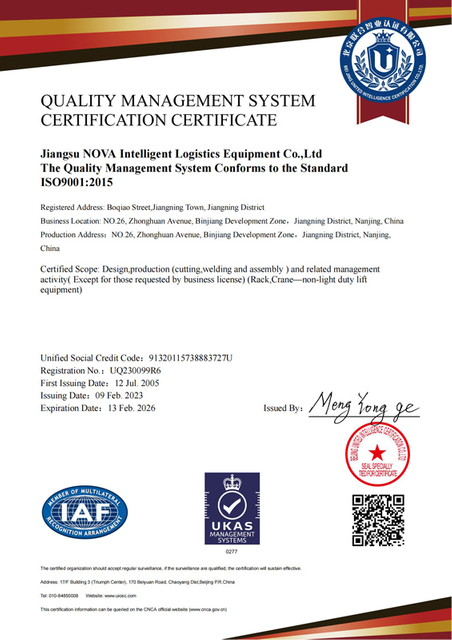
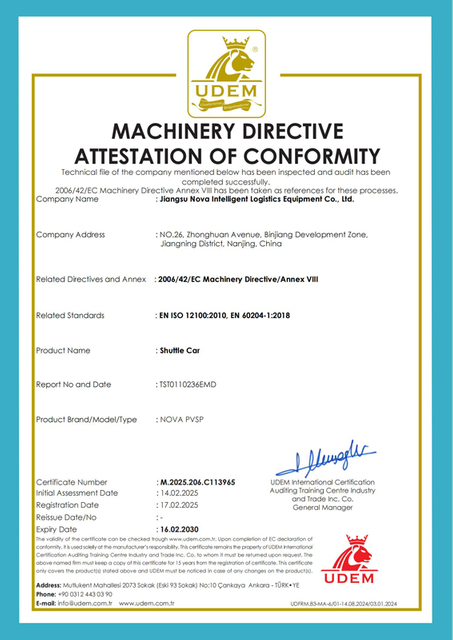
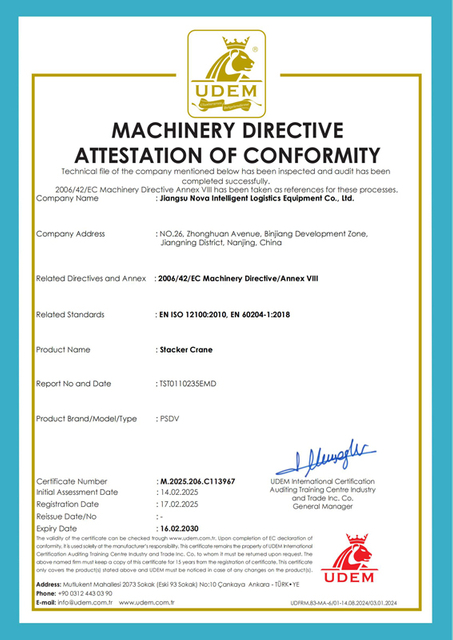
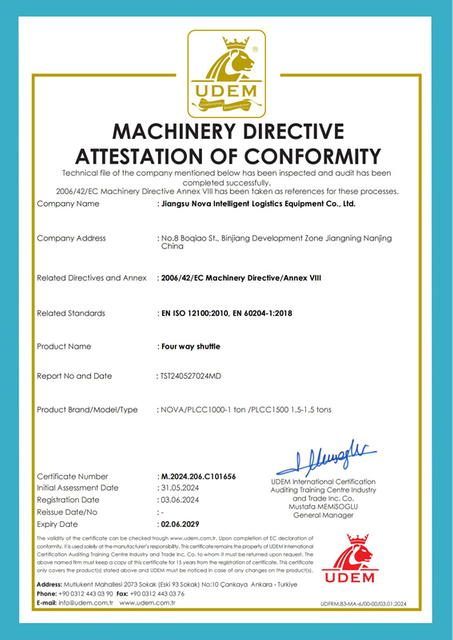
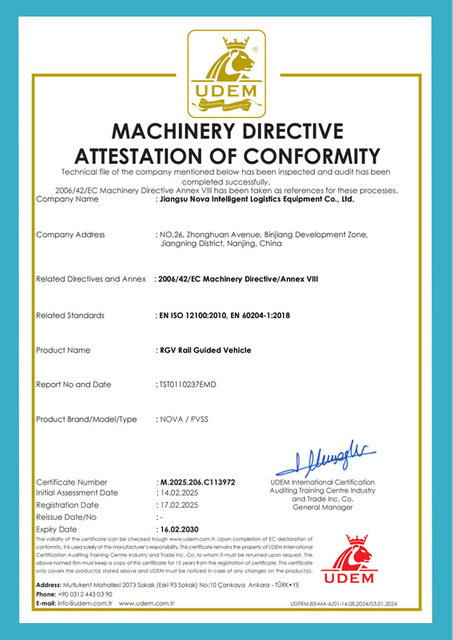
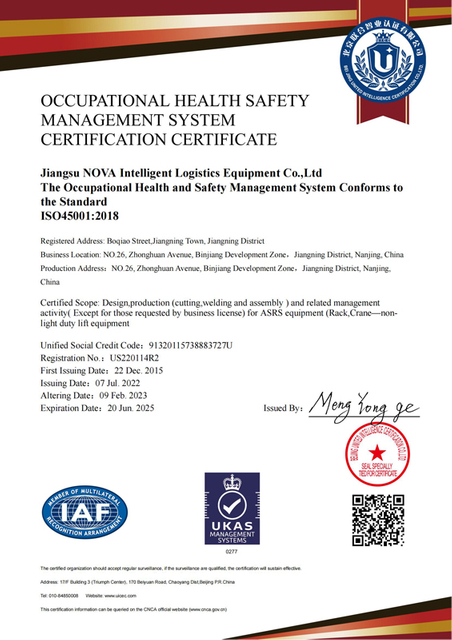
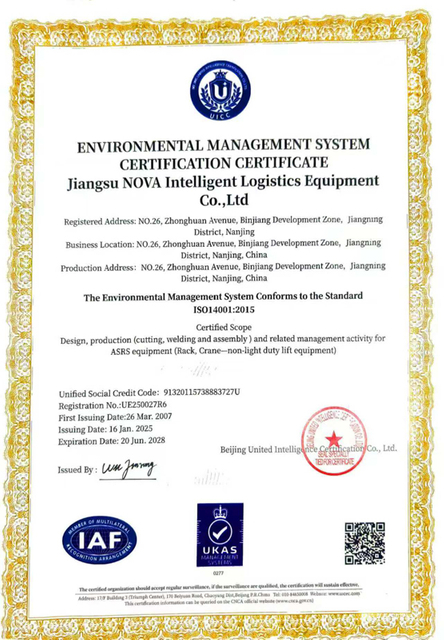
- Certified quality control: ISO 9001, ISO 14001, ISO 45001 and ISO 10012 measurement management, with coil traceability, coating-thickness checks and load testing before shipment.
- Expert engineering team: led by a professor-level senior engineer with deep experience in automated warehouse design and logistics equipment research.
- Complete system capability: selective racking, radio shuttle, four-way shuttle, AS/RS, mezzanine and rack-supported buildings from one partner.
- Global project support: container-optimized packing, customs-ready documents, installation supervision and remote technical support.
Need a project-specific selective racking layout?
Send your building dimensions and pallet data to [email protected]. Our engineers will recommend a configuration.
Frequently Asked Questions About Selective Pallet Racking
Selective pallet racking is best for warehouses with many SKUs, fast access requirements and mixed pallet flows. Every pallet can be accessed directly without moving other pallets, making it suitable for distribution centers, 3PL operations, spare parts, food, retail and e-commerce fulfillment.
Many standard projects are engineered for loads up to around 4,500 kg per level, and heavier requirements can be engineered with stronger uprights and beams. The final capacity depends on pallet dimensions, beam span, upright frame, decking, floor conditions and local design codes.
There is no single price per pallet position because selective racking is engineered to load, height, bay width, finish, seismic requirements, accessories, freight and installation scope. Buyers should compare total cost of ownership, engineering documentation, lead time and after-sales support rather than only the lowest steel price.
Yes. My Favorite Shelf Industrial Co., Ltd. can prepare structural and seismic design reports with reference to project-specific local requirements, including NCh 2369 in Chile, E.030 in Peru, NSR-10 in Colombia and other applicable codes. Reports are provided for review by your local engineer.
Standard selective pallet racking is typically produced in about 25 to 35 days after drawing approval. Ocean transit varies by port and route, often around 30 to 45 days to major ports. Project schedules for large multi-container orders are confirmed at contract stage.
Yes. A good selective racking layout can be planned as part of a phased automation roadmap. We review clear height, aisle strategy, fire protection, pallet quality, WMS/WCS requirements and future shuttle or AS/RS zones before finalizing the initial layout.
Aisle width depends on the forklift or reach truck, pallet size, load length, lift height and operator training. Counterbalance trucks usually need wider aisles, while reach trucks and VNA equipment can reduce aisle width. Final dimensions should be confirmed with the equipment supplier and racking engineer.
We provide commercial invoice, detailed packing list, bill of lading, certificate of origin and, on request, material certificates, test reports, layout drawings, structural calculations and installation manuals. Spanish or Portuguese project support can be arranged.
For humid and coastal sites we recommend epoxy-polyester powder coating with enhanced pretreatment, or hot-dip galvanized components for high-corrosion environments. Cold storage projects require careful review of coating, condensation, floor anchoring and safety accessories.
Production is managed under ISO 9001, ISO 14001 and ISO 45001 systems, with coil traceability, profile inspection, coating thickness checks, dimensional checks and load testing where applicable. Pre-shipment inspection reports and packing photos can be provided.
Yes. We can dispatch supervising engineers, train local installation crews, provide installation manuals and support commissioning. We also supply spare parts and remote technical support for racking and automated systems.
Send your building dimensions, clear height, pallet size and weight, SKU profile, throughput, forklift type, destination country or port, local code requirements and target schedule to [email protected]. Our engineers will reply with a layout, pallet-position count and system recommendation.
Final Recommendation for Global Procurement Teams
Selective pallet racking is not simply a commodity purchase. It is a long-term storage asset that affects safety, picking speed, expansion flexibility and total operating cost. For global buyers, the strongest supplier is not always the one with the lowest initial quote; it is the one that can provide documented engineering, verified quality, export experience, installation support and a clear path for future expansion.
My Favorite Shelf Industrial Co., Ltd. combines factory-direct production, certified quality management, in-house R&D and global project experience. Whether you are comparing selective racking for a single distribution center or planning a multi-site rollout, our engineers can help you define the right layout, load capacity, finish and documentation package.
Get a Selective Pallet Racking Proposal with Drawings and Calculations
Email [email protected] with your building dimensions, pallet data, country and target schedule. Our team will reply with a recommended selective racking layout and the information you need for internal approval.
Get Catalog