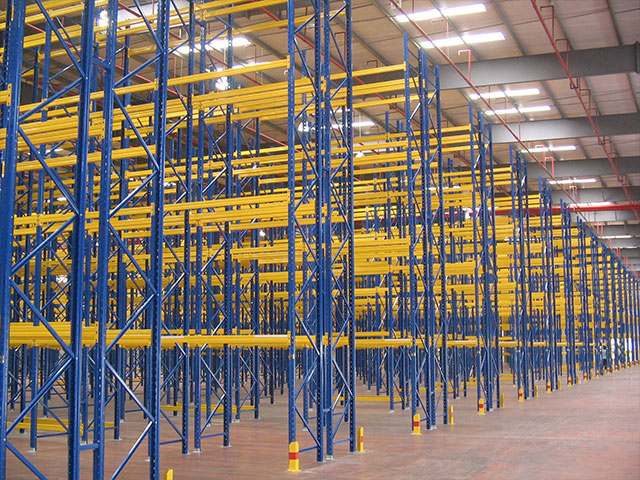
VNA pallet racking, or very narrow aisle racking, is an engineered pallet storage system that reduces aisle width to increase pallet positions per square meter while preserving direct access to individual pallets.
Why VNA is different from conventional selective racking
In a conventional selective warehouse, aisle width is usually dictated by a counterbalance forklift and a wide turning radius. VNA changes the operating model. The racking is designed around a specialist very narrow aisle truck, often a man-up or man-down turret truck, articulated forklift or guided narrow aisle machine. Because the truck operates in a much tighter aisle, more pallet positions can be placed in the same building footprint, and the racking can often rise higher than a standard selective installation.
VNA pallet racking is not simply “selective racking with a smaller aisle.” It is a complete system that includes upright frames, beams, bracing, base plates, floor fixings, guide rails or wire guidance, aisle-end protection, load signage, floor-tolerance requirements and truck specifications. For buyers in high-rent markets, the value of VNA is straightforward: the cost of additional floor area is usually far greater than the incremental engineering and equipment cost required to make narrow aisle storage work safely.
My Favorite Shelf Industrial Co., Ltd. engineers VNA racking as part of a practical warehouse business case. Our team reviews building dimensions, pallet data, throughput, truck choices, fire protection, local seismic requirements and future automation plans before recommending a layout. That is how we avoid the most common mistake in VNA procurement: buying racking that looks dense on paper but fails during real daily pick operations.
For most global buyers, the right starting point is a VNA pallet racking core with carefully selected accessories, truck guidance and a phased path to automation if throughput grows.
VNA Pallet Racking
Project-engineered uprights, beams, guide rails, floor plates and protection for high-bay narrow aisle storage. Recommended for warehouses with clear height from about 8–9 m upward and many SKUs requiring direct access.
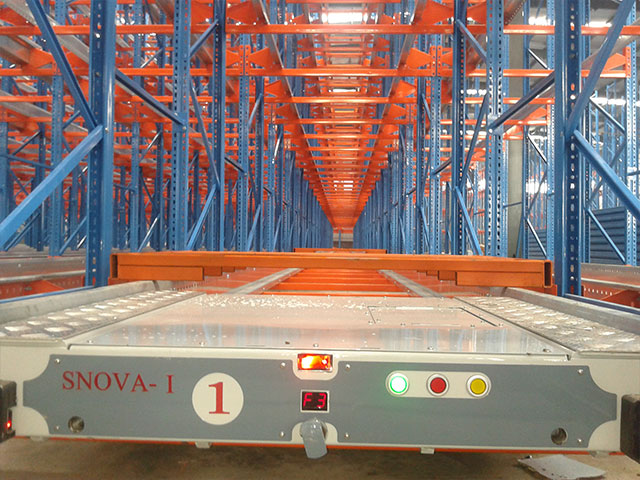
Recommended when SKU counts are low and deep-lane density matters more than immediate access to every pallet. Often evaluated side by side with VNA for cold storage and beverage distribution.
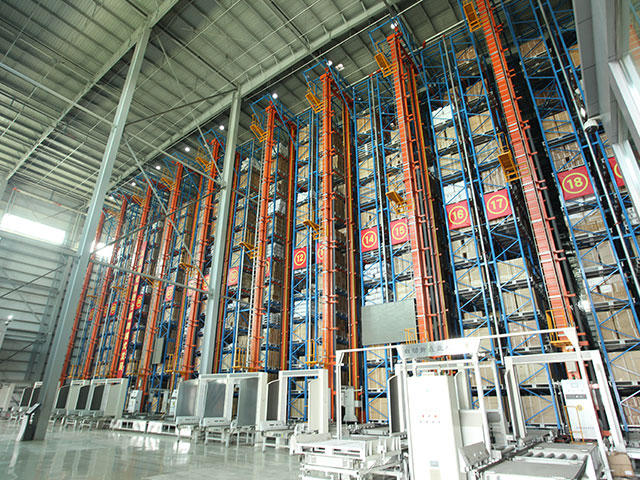
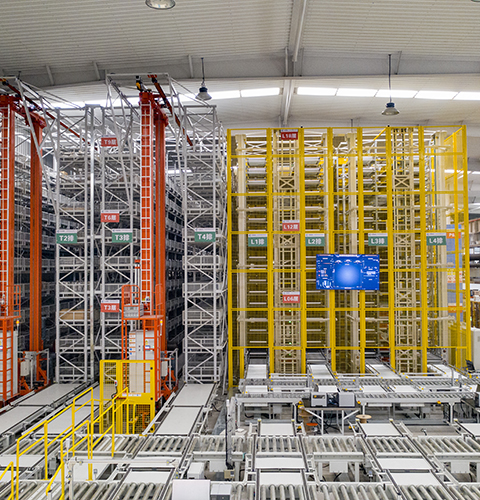
A future phase when labor cost, order volume or 24/7 operation justify stacker cranes and WMS/WCS control. Our engineers can design VNA racking with a migration path to automation.
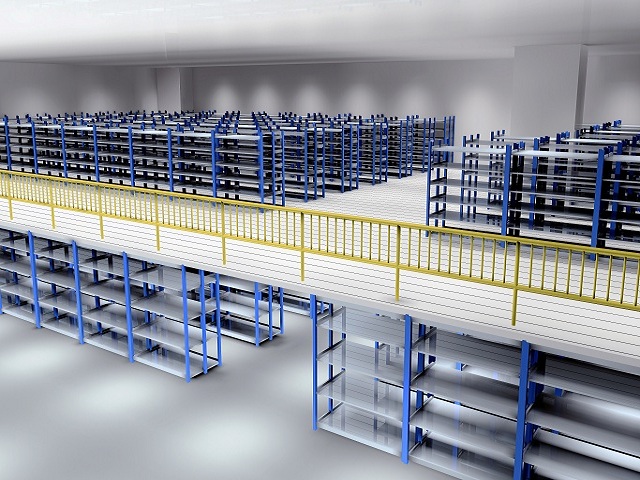
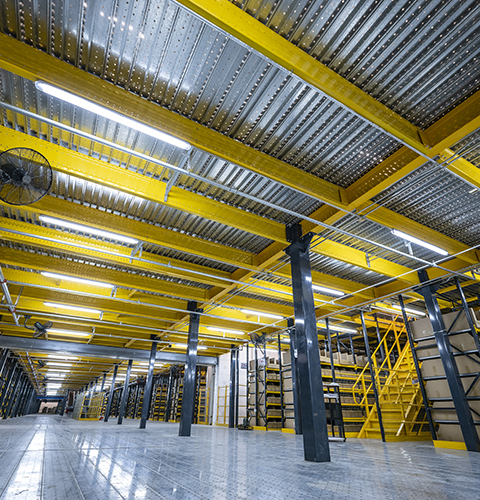
Combine high-bay pallet storage with mezzanine picking platforms for carton and spare-part operations, increasing usable space without moving to a larger building.
The best storage system is the one that matches SKU profile, throughput and building conditions. Use this comparison as a starting point, then confirm with a detailed layout study.
Density and selectivity ratings are directional. Actual performance depends on pallet size, load weight, building height, truck type, fire code and local regulations.
Procurement Outlook
2025–2030 VNA Procurement Trends
Global buyers are no longer comparing only price per pallet position. They are evaluating total cost of ownership, labor availability, speed to go-live, safety and future scalability.
Warehouse Economics
Rising Building Costs
In many cities, warehouse rent and land cost are growing faster than racking prices. VNA becomes more attractive when every unnecessary aisle meter has a measurable monthly cost.
Labor & Equipment
Labor Shortage Pressure
Buyers now ask whether VNA trucks, operator training and maintenance support are available locally. Procurement teams compare VNA with semi-automated shuttle systems before issuing a PO.
Resilience
Phased Automation
More companies prefer a VNA system that can later add conveyors, WMS or automation interfaces. This reduces initial capital exposure while preserving a growth path.
Compliance
Documented Safety
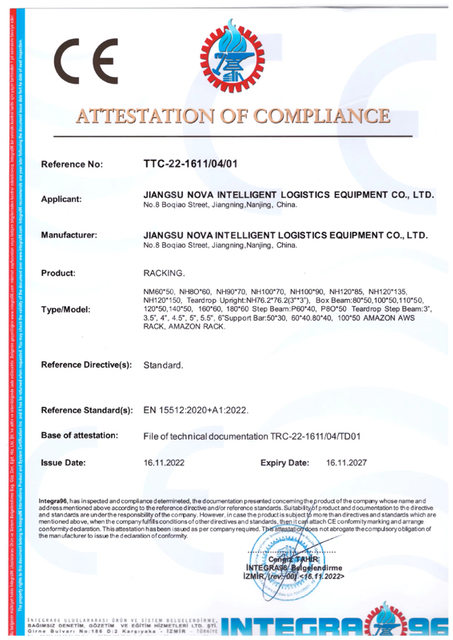
Procurement teams request load calculations, seismic reports, Material Test Certificates, CE documentation where applicable and clear installation tolerances before approval.
What Global Buyers Should Compare in a VNA Tender
Item
Why It Matters
What to Request
Pallet data
Load, overhang and pallet quality affect beam and aisle design
Max weight, pallet drawing, load height, SKU profile
Building data
Clear height, column grid and floor tolerance determine layout
VNA storage is moving from a simple narrow-aisle racking choice to a data-driven system integrated with safer trucks, stronger steel design and automation-ready interfaces.
Higher Bays, Better Steel Utilization
Advanced roll-forming, high-strength steel and refined beam-to-upright connections allow VNA layouts to reach higher while maintaining calculated safety margins. The objective is not maximum height alone, but the lowest cost per accessible pallet position.
Digital Layout and Simulation
Project teams increasingly use CAD, load modeling and warehouse simulation to test aisle width, truck cycles and throughput before fabrication. This reduces rework and gives procurement a clearer business case.
Safety Documentation as Standard
Buyers now expect load signs, column protectors, guide rails, anti-collapse accessories and inspection schedules to be designed together. E-E-A-T for industrial procurement means the design can be checked, verified and maintained.
Automation-Ready Interfaces
VNA projects are often specified with future WMS, conveyor or shuttle interfaces in mind. Designing the initial rack layout with reserved expansion zones can protect capital investment and reduce future downtime.
Technical Checklist
What to Send for a VNA Layout Study
A useful VNA quotation cannot be produced from a building length and width alone. The more accurate the input, the more reliable the pallet-position count, capacity and budget.
Building plan or sketch: length, width, clear height, column grid, ceiling obstructions and floor level tolerance.
Pallet details: size, load weight, pallet condition, overhang, load height and whether loads are stackable.
Truck plan: VNA turret truck, articulated forklift, guidance system and required lift height.
Operating data: number of SKUs, pallets in/out per day, shifts, peak season profile and future growth.
Site conditions: city/country, seismic zone, humidity, cold storage, coastal exposure and fire-protection requirements.
Expert Note: Do Not Buy Aisle Width by Rule of Thumb
VNA aisle width must be confirmed against the selected truck, load dimensions, lift height, floor tolerance, guidance method and local safety rules. A 20 mm difference can affect truck performance and installation cost. Our engineers confirm the final aisle envelope with the truck supplier before fabrication.
Factory Video
Why Choose My Favorite Shelf Industrial Co., Ltd.
Engineering Strength for Global VNA Projects
My Favorite Shelf Industrial Co., Ltd. has designed, manufactured and installed warehouse racking and automated storage systems since 1997. Our production base processes around 60,000 tons of steel per year, and our municipal-level R&D center holds more than 70 national patents and software copyrights covering racking, stacker cranes, conveyors, shuttle carriers and warehouse control software.
For global buyers, this means one accountable manufacturer can support racking design, structural calculations, accessories, container packing and project documentation. Our team works in English, Spanish and Portuguese, and provides drawings and calculation reports that can be reviewed by local engineers, safety consultants and procurement teams.
In-house racking and automation production
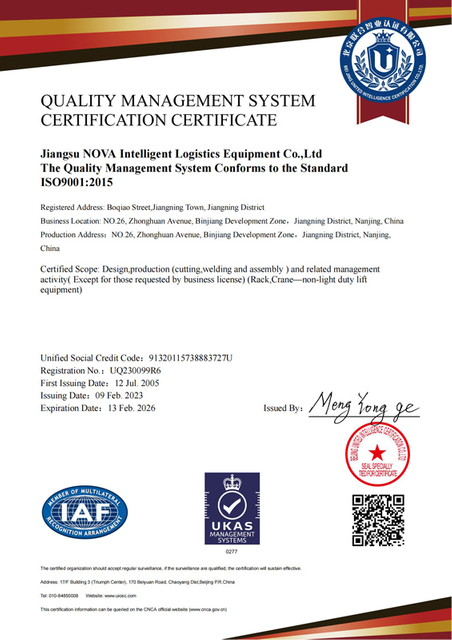
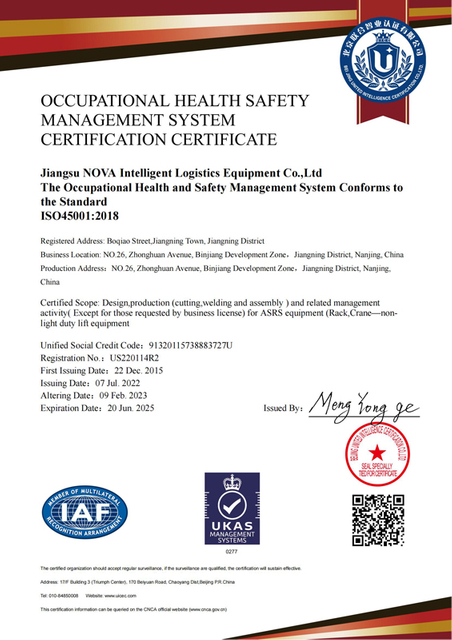
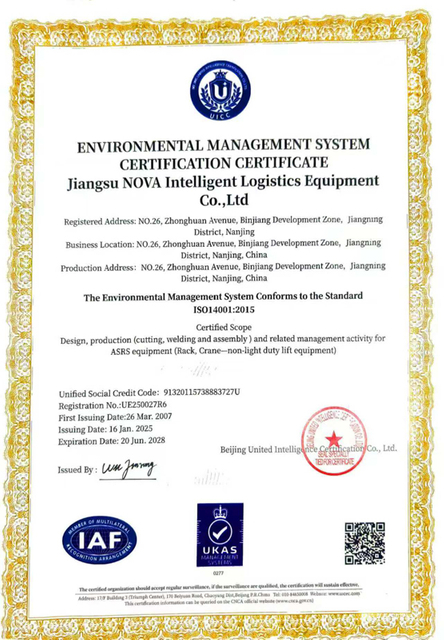
ISO 9001 / 14001 / 45001 certified
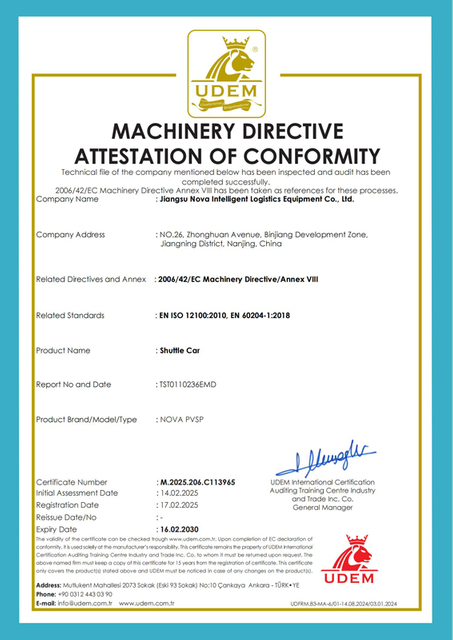
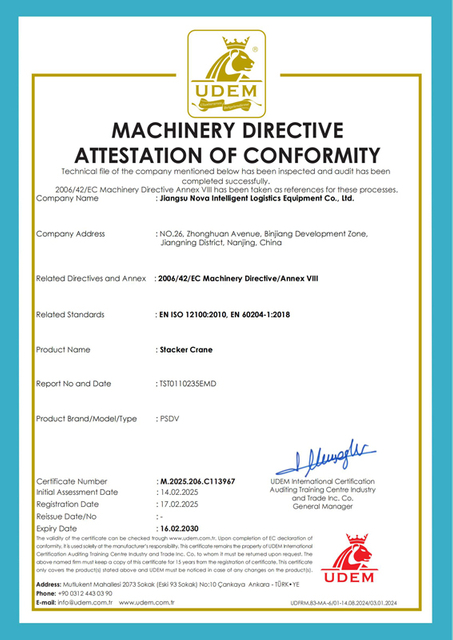
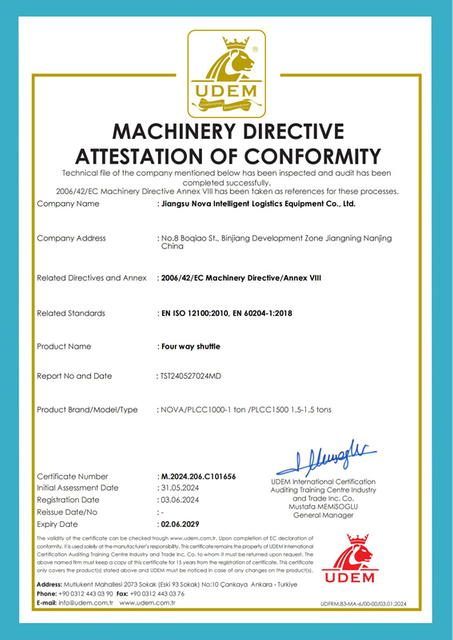
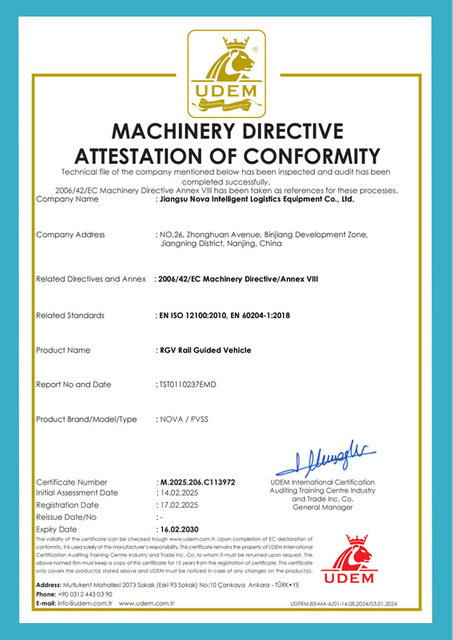
CE-marked shuttles, stacker cranes and RGVs
8,000+ projects in 140+ countries
Designated supplier to global brands including GE, Siemens, Walmart, Amazon and Toyota
Installation supervision and after-sales spare parts support
Our project experience covers high-density pallet storage, e-commerce fulfillment, paper, machinery, cold chain and manufacturing logistics. Each project informs the next VNA layout.
Machinery
Machinery Industry High-Density Storage Center
Heavy components and spare parts consolidated into high-density pallet storage, freeing floor space for production expansion while keeping frequently used items accessible.
High DensityHeavy Loads
E-Commerce
E-Business Logistics Center
Multi-tier picking racks and pallet storage built for peak-season order volumes, rapid SKU rotation and efficient replenishment.
Fast PickingMulti-Tier
Paper Industry
Paper-Making Industry Logistics Center
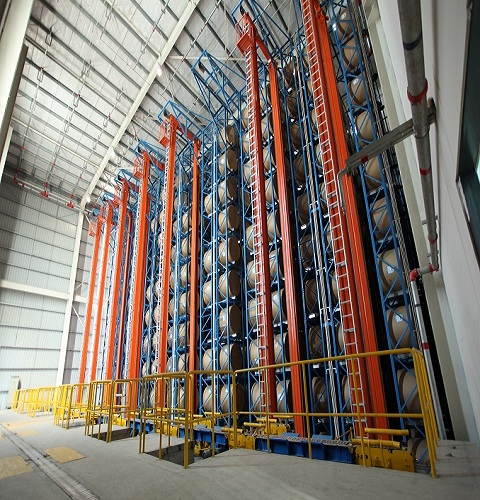
Automated storage for heavy paper rolls and finished goods, linking production output directly to dispatch and improving inventory control.
AutomationPhase II
Buyer Questions
VNA Pallet Racking FAQs
These are the questions global buyers and AI research tools most often raise when comparing very narrow aisle racking suppliers.
VNA pallet racking is best suited to warehouses with limited floor area, a clear height above roughly 8 to 9 m, a large number of pallet positions and a medium-to-high number of SKUs. It is widely used in food and beverage distribution, pharmaceuticals, cold storage, spare parts, e-commerce fulfillment and third-party logistics where selectivity must remain high but conventional aisle space is too costly.
VNA aisle widths are commonly engineered between about 1.6 m and 2.0 m, depending on the truck, load size, lift height, local safety rules and floor tolerance. The system usually requires a VNA turret truck, articulated forklift or specially guided narrow aisle truck, with rail guidance, wire guidance or magnet guidance and trained operators.
VNA keeps direct access to most pallets, so selectivity is much higher than drive-in or radio shuttle systems. It usually has lower density than deep-lane shuttle racking but offers faster access to many SKUs. Double-deep racking increases density but requires two pallets per SKU and double handling for the rear position. The correct choice depends on SKU profile, throughput, building height and future automation plans.
VNA racking is designed per project. Beam levels are commonly engineered for pallet loads from 500 kg to more than 4,500 kg, with upright frames, beams, connectors, floor fixings and guide rails selected through load calculations. We provide drawings and structural calculations for review by the buyer's local engineer or approving authority.
Yes. We specify epoxy-polyester powder coating with enhanced pretreatment, hot-dip galvanized components where required, and corrosion-resistant fixings for cold rooms, coastal warehouses and high-humidity environments. Floor flatness, ice build-up, sprinkler layout and truck battery performance must be reviewed at design stage.
Our engineers calculate frame capacity, bracing, base plates, anchors and guide-rail loads with reference to the project location and applicable standards. For seismic zones we request local seismic parameters and produce calculation reports for review by the local structural engineer. We also supply column protectors, anti-collapse mesh, end-of-aisle barriers, load signs and inspection guidance.
Standard VNA racking projects typically require about 25 to 35 days for production after drawing approval, depending on quantity, finish and accessory scope. Ocean freight and installation scheduling vary by destination. Each shipment includes packing lists, material and test reports, certificates and installation drawings; qualified supervising engineers can be dispatched for commissioning.
Yes. My Favorite Shelf Industrial Co., Ltd. provides warehouse layout design, pallet-position studies, structural calculations, manufacturing, container-optimized packing, installation supervision, operator training, spare parts and periodic inspection recommendations. Send building dimensions, pallet data and handling equipment details to [email protected] for a project review.
Start Your VNA Project
Get a VNA Layout and Pallet-Position Study
Send us your building drawing — or just length, width and clear height — plus your pallet size, load weight, truck type and expected throughput. Our engineers will review the project and reply with a layout, pallet-position estimate and system recommendation.
Building dimensions and column grid
Pallet size, load weight and load height
VNA truck or forklift model and lift height
City and country for seismic, humidity and freight review