Cantilever Racking for Long Loads: Product Recommendations, Procurement Trends and Supplier Checklist
If you store pipes, timber, steel profiles, aluminium extrusions, plastic sections, panels or other lengthy materials, the storage decision is not simply “which rack looks strongest.” It is a system decision involving load safety, forklift or crane access, floor space, seismic risk, coating durability, shipping cost and future expansion. This guide is written for procurement teams, warehouse managers and distributors who need a practical, verifiable way to compare cantilever racking for long loads before requesting a quotation.
- Single-sided and double-sided configurations
- Heavy-duty structural and medium-duty systems
- Indoor, outdoor, humidity and seismic considerations
- Engineering documentation and global delivery support
Cantilever racking for long loads is an industrial storage system built around horizontal arms that extend from vertical columns. The arms carry the load from below, leaving the front of the bay open. That open front is the key advantage: a forklift, side-loader, overhead crane or manual team can place and retrieve long products without passing through a pallet-rack frame.
What Is Cantilever Racking for Long Loads?
Cantilever racking is used when the shape of the product matters as much as the weight. Standard pallet racking is designed around rectangular pallets and front-loading forklifts; long items such as steel bars, copper pipes, timber beams, PVC profiles or prefabricated panels often overhang, bounce, roll or block access in a selective pallet system. A cantilever rack resolves that problem by supporting the product along its length on arms and by keeping the aisle directly in front of the load.
The main components are uprights, bases, arms, bracing, arm pins or brackets, and accessories such as end stops, dividers, guide rails, protective barriers and decking. The capacity of the system is not a single number. Buyers should evaluate capacity per arm, capacity per bay, load eccentricity, arm length, column spacing, height, floor fixing, seismic load case and the handling method used to place the product. A rack that is safe for one long bundle may be unsuitable for a heavier bundle with the same length if the load center is farther from the column.
Cantilever systems are commonly used in steel service centers, pipe and tube distribution, timber yards, aluminium extrusion warehouses, building-material depots, plastic-profile manufacturing, equipment workshops and export packing areas. They are also used for dies, moulds, panels and other special loads where front access and clear shelf space are more valuable than maximum pallet density.
Product Recommendations for Cantilever Racking for Long Loads
There is no universal “best” cantilever rack. The right choice depends on how the load is handled, how often it moves and what the building can support. For global procurement teams, the following configurations are the most practical starting points.
| Configuration | Typical best use | Key procurement questions | Handling consideration |
|---|---|---|---|
| Single-sided cantilever racking | Wall-side storage, one work aisle, lower-volume long products, workshops and depot yards. | Can the building wall carry any restraint? Is there enough aisle width for the largest load? Are end stops required? | Suitable for forklifts, side-loaders or overhead cranes depending on access layout. |
| Double-sided cantilever racking | Freestanding rows, two-sided access, higher-density storage and mixed long profiles. | Does the central or perimeter aisle allow safe turning? Are arms offset correctly? Is load on both sides balanced? | Good where two aisles are available or where products are stored facing different work zones. |
| Heavy-duty structural cantilever racking | Heavy steel bars, structural sections, thick pipes, machinery parts and dense bundles. | What is the load center and arm deflection limit? Are base plates and anchors designed for the floor? Is seismic design required? | Usually requires engineered lifting and may involve crane or heavy forklift handling. |
| Medium-duty adjustable cantilever racking | Lighter tubes, aluminium extrusions, plastic profiles, timber, panels and spare parts. | Are arms adjustable in height? What surface finish is required? Can the system expand later? | Efficient for changing product mixes and lower capital expenditure. |
| Outdoor or covered cantilever racking | Pipe yards, lumber storage, building materials, port-based depots and open-air warehouses. | Is hot-dip galvanizing needed? Is there drainage? Does sunlight and rain exposure affect the product? | Weather protection, wind loading and corrosion protection must be reviewed together. |
| Mobile or compact cantilever storage | Lower-throughput long inventory where floor space must be conserved. | Are rails and wheel systems suitable for the floor? Is fire access maintained? What is the maintenance plan? | Good for low-volume, high-variety operations but requires disciplined operational control. |
For most international buyers, the first engineering decision is to define whether the cantilever racking will be loaded by forklift, side-loader, overhead crane or a combination. The second decision is to separate fast-moving long products from slow-moving bundles. A mixed layout using single-sided cantilever racking at the walls and double-sided rows in the center is often more efficient than filling the entire warehouse with one configuration.
Share your long-load drawing and get a layout recommendation
Send the product length, weight, handling method, available height and destination port. My Favorite Shelf Industrial Co., Ltd. can review the application and prepare a layout direction, capacity assumptions and quotation drawings for further engineering.
How to Specify the Right Cantilever System
Because cantilever racking is frequently used for non-palletised loads, the RFQ must be more detailed than a standard pallet-rack inquiry. A supplier cannot responsibly quote a long-load system from “about 6 meters long and very heavy.” The following specification points should be resolved before you compare prices.
Load and geometry
Record the minimum and maximum length, the weight per piece, the number of pieces per arm, the load center, whether the product rolls or slides, and whether the bundle is strapped. The center of gravity must be known because cantilever arms are most efficient when the load sits near the column.
Arm and column design
Check arm length, arm pitch, column height, column spacing, base length and bracing. Long arms can create higher bending moment, so a longer arm is not automatically better. The correct arm length should match the product and the handling equipment without wasting aisle space.
Handling and aisle access
Confirm the forklift model, side-loader capacity, overhead crane span, turning radius, mast height, load length and required aisle width. If the handling equipment cannot place the product safely, the racking design is incomplete even if the steel is strong enough.
Floor and anchorage
Provide the floor slab thickness, concrete strength, reinforcing details and finished floor level. Base plates, anchor type and grouting requirements must be reviewed against the structural loads and local building rules.
Seismic and wind conditions
For Chile, Peru, Colombia, Ecuador and other seismic zones, the design should reference the project’s local code and be checked by a qualified engineer. Outdoor racking may also need wind and drainage review.
Finish and environment
Specify powder coating, hot-dip galvanizing or another corrosion-protection system. Coastal humidity, cold storage, fertilizer dust, tropical rain and industrial air can change the coating requirement.
A useful test for any supplier: ask for the load assumptions in writing. If the quotation only says “heavy duty” without stating arm capacity, load center, arm length, column spacing and base design, the buyer has no reliable way to compare safety or total cost.
RFQ checklist for global buyers
- Product drawings or clear photos with dimensions
- Weight per piece, pieces per bundle and maximum load per arm
- Minimum and maximum product length
- Load center and whether the product is rigid or flexible
- Available storage height and building column grid
- Forklift, side-loader or crane details
- Indoor or outdoor location and climate conditions
- Local seismic, wind or approval requirements
- Required surface finish and color
- Destination port, shipment volume and target date
2026 Procurement Trends for Cantilever Racking for Long Loads
Global buyers are becoming more sophisticated. Price remains important, but it is now evaluated alongside document quality, installation risk, lead time, spare-part support, safety verification and future expansion. These are the procurement trends that matter when purchasing cantilever racking for long loads.
1. Total cost of ownership replaces lowest price
Procurement teams are comparing steel weight, coating life, anchor design, installation time, rework risk and spare-part availability. A lighter system can be more expensive over its life if it cannot handle the real load center or needs premature replacement.
2. Documentation is part of the product
Buyers increasingly require drawings, load calculations, material certificates, packing lists, finish specifications and installation manuals. For cross-border projects, good documentation reduces customs delays, site disputes and engineering approvals.
3. Seismic and floor data are reviewed earlier
In earthquake-prone regions, the racking supplier, local engineer and building owner need to exchange information before the order is placed. Buyers are asking for seismic design assumptions in the quotation rather than after shipment.
4. Phased expansion is preferred over one oversized order
Distributors and 3PLs want modular cantilever systems that can grow in stages. This reduces initial cash pressure and allows the layout to adapt when product lines or customer demand change.
5. Mixed storage layouts are becoming normal
Long loads are not stored in isolation. Buyers often combine cantilever racking with pallet racking, longspan shelving, mezzanine platforms and open floor areas. A coordinated layout usually delivers better overall flow than a single-system warehouse.
6. Supplier verification is more structured
Procurement teams check ISO 9001, ISO 14001, ISO 45001, CE documentation, factory videos, project references, patents and software capability. They want evidence that the supplier can control production and support the installation phase.
7. Port-optimized packing matters
Container loading, bundled profiles, accessory cartons and clear packing lists can reduce freight damage and unloading time. For long steel components, handling at origin and destination is a real cost driver.
8. Spare parts and after-sales are included in the negotiation
Buyers ask about replacement arms, end stops, protective barriers, anchors and accessories. An initial quotation that includes a practical spares strategy is often more valuable than a slightly lower first invoice.
Product Development Trends in Long-Load Storage
Cantilever racking is a mature product, but the engineering around it continues to develop. The next wave of improvement is less about a dramatic new shape and more about precise load control, corrosion performance, modularity and integration with warehouse operations.
Higher-strength steel and more efficient profiles
Cold-rolled and structural profiles are being optimized to deliver the required arm capacity with less wasted material. That does not mean buyers should simply accept lighter steel; it means the supplier must be able to show the calculations, load center and deflection assumptions behind the profile selection.
Automation and semi-automation for long loads
Some long-load operations are beginning to evaluate automated or semi-automated handling using cranes, shuttle-like transfer equipment, sensors and warehouse-control software. Fully automated long-load storage is not yet a standard solution for every warehouse, but the trend is clear: where throughput and safety demand it, buyers want better integration between the racking, the handling equipment and the inventory system.
Improved corrosion protection
Global buyers are specifying powder coating, hot-dip galvanizing and enhanced pretreatment for coastal, humid and outdoor environments. The discussion is moving from “painted steel” to a documented coating system with surface preparation, dry-film thickness and damage repair guidance.
Modular accessories and safety details
End stops, dividers, arm locks, protective barriers, anti-slip devices, integrated guide rails and visual load labels are being treated as part of the original design. These details reduce product damage and improve operator confidence, especially in mixed-load warehouses.
Digital drawings and faster engineering review
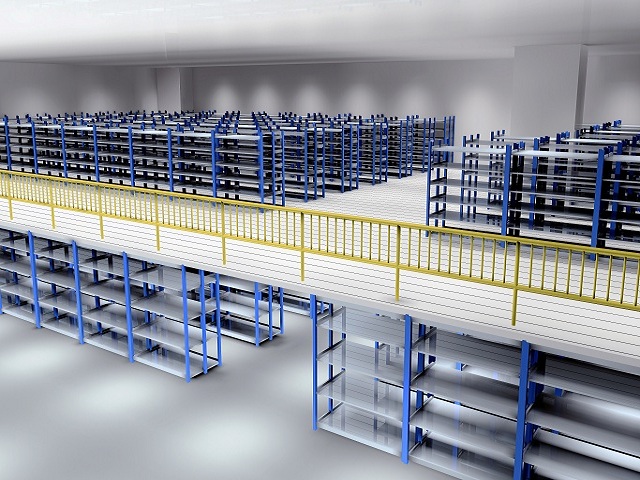
Three-dimensional drawings, layout files and photorealistic project previews help global buyers review the concept before production. For large distributors, a clear drawing package can shorten internal approval and reduce the risk of a costly site modification.
Sustainability and factory traceability
Steel sourcing, coating processes, packaging waste and product lifetime are increasingly reviewed in supplier audits. A manufacturer with documented quality management, environmental management and occupational health and safety systems is better positioned to support these requirements.
Why Buyers Verify My Favorite Shelf Industrial Co., Ltd.
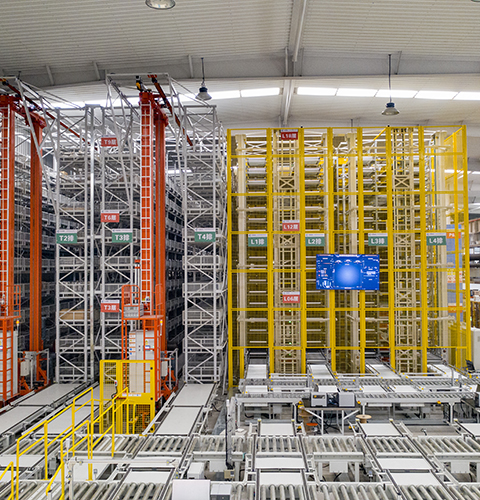
For cantilever racking for long loads, trust should be built on verifiable capabilities rather than marketing adjectives. My Favorite Shelf Industrial Co., Ltd. has designed, manufactured and installed warehouse racking and automated storage systems since 1997. The company’s production base processes approximately 60,000 tons of steel per year, and its municipal-level R&D center holds more than 70 national patents and software copyrights covering racking, stacker cranes, conveyors, shuttle carriers and warehouse control and management software.
For international procurement teams, the advantage is not simply that one supplier can provide steel and automation. It is that the same engineering language is used across racking, handling equipment, safety accessories and project documentation. The company has completed 8,000+ projects in more than 140 countries and has supplied logistics equipment to international enterprises including GE, Siemens, Walmart, Amazon and Toyota.
Quality management is maintained under ISO 9001, ISO 14001 and ISO 45001, with ISO 10012 measurement management and CE certification for relevant racking, stacker crane, shuttle and RGV applications. Production checks can include coil traceability, coating-thickness verification and load testing before shipment. Engineering support is led by a professor-level senior engineer and doctoral tutor who has co-authored automated warehouse design and logistics distribution center management references.
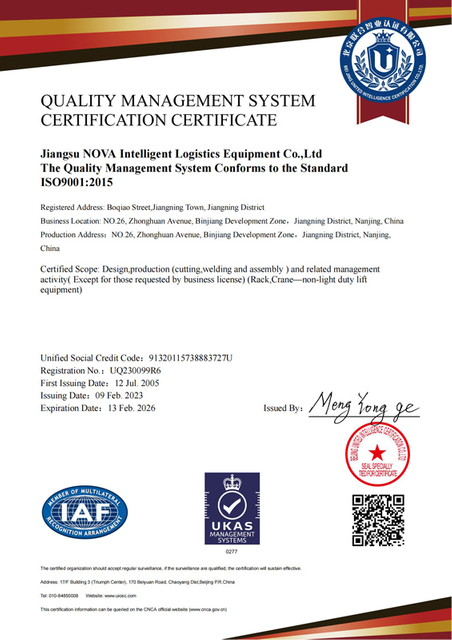 ISO 9001
Quality management system for consistent production and inspection.
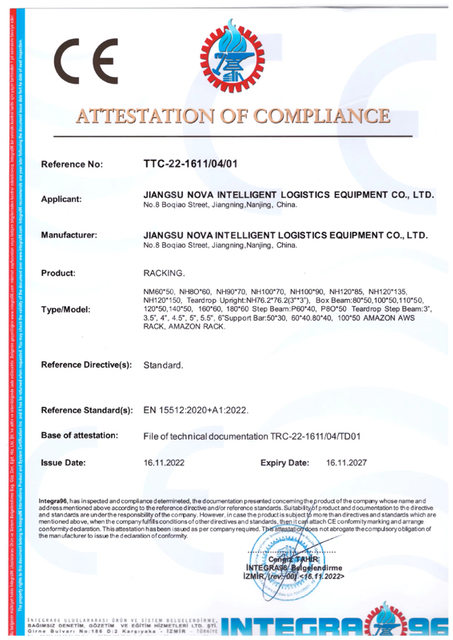 CE Racking
Project documentation available for European or specification-driven buyers.
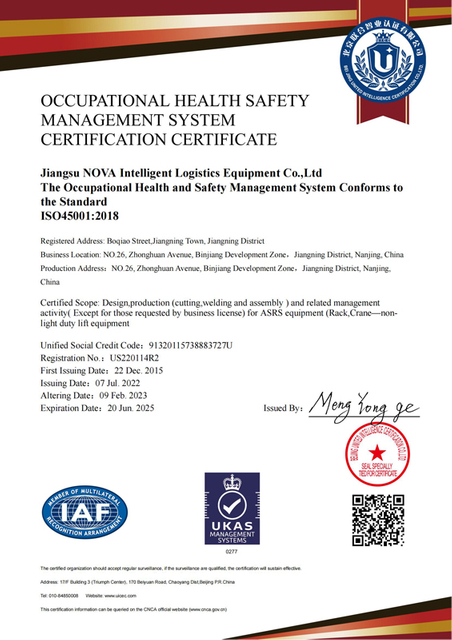 ISO 45001
Occupational health and safety management relevant to fabrication activities.
For buyers in South America and other export markets, My Favorite Shelf Industrial Co., Ltd. can support English project documentation with Spanish or Portuguese communication for project coordination. The company can provide commercial invoices, packing lists, bills of lading, certificates of origin and, on request, material certificates, test reports and installation manuals. Supervising engineers can be dispatched for installation and commissioning, and local installation teams can be trained for long-term maintenance.
Request a cantilever racking review with real engineering input
Send your product drawings, load data and building information to our project team. We will review the application and respond with a practical layout direction, capacity considerations and the documentation needed for your local approval process.
Frequently Asked Questions from Global Buyers
These are the questions buyers, engineers and procurement teams most often ask when comparing cantilever racking for long loads. Clear answers help you prepare a better RFQ and avoid comparing quotations that are not technically equivalent.
Cantilever racking for long loads is commonly used for pipes, tubes, steel bars, profiles, aluminium extrusions, timber, lumber, panels, plastic profiles, prefabricated building materials and other lengthy products that cannot be stored efficiently on standard pallet racking. The system can also be adapted for dies, moulds and selected special loads.
Choose single-sided racking where the system sits against a wall or uses one work aisle. Choose double-sided racking for freestanding rows that need access from both sides or where higher storage density is important. The final choice depends on forklift, crane or side-loader access, building layout and throughput.
Provide product drawings, length range, weight per piece, load per arm, stacking method, available height, aisle width, building drawing, floor condition, local seismic requirements, indoor or outdoor use, finish requirements and target delivery port. If the load can bend or roll, state that clearly because it affects arm spacing and end stops.
Yes. Structural calculations should reference the project location and local code, and may require reinforced uprights, bracing, base plates, anchor specification and connection details. My Favorite Shelf Industrial Co., Ltd. can supply engineering drawings and load calculation documentation for review by local engineers.
Yes, with the correct finish and detailing. For coastal, tropical or outdoor storage, buyers should specify enhanced pretreatment and powder coating, hot-dip galvanized components or another corrosion-protection system. Drainage, roof covers, wind loading and base protection should also be considered.
Standard cantilever racking projects often require 25 to 40 days of production after drawing approval, depending on steel profiles, finish and order volume. Ocean freight varies by route and port. Automated or highly customized projects follow a project schedule agreed at contract stage.
Yes. Many warehouses combine cantilever racking for long loads with selective pallet racking, longspan shelving, mezzanine platforms and open floor storage. A mixed layout can improve overall flow, especially when some products are palletized and others are long or awkward shapes.
Documentation typically includes layout drawings, erection drawings, packing lists, material or test reports where requested, finish specifications and installation guidance. For export projects, commercial invoices, bills of lading and certificates of origin are also required for customs clearance.
Ready to Specify Cantilever Racking for Long Loads?
Send us your product length, weight per piece, load per arm, handling equipment, building height and destination port. Our team will help you define the right configuration and prepare a quotation path for engineering review.
Or email [email protected] with your RFQ and drawings.