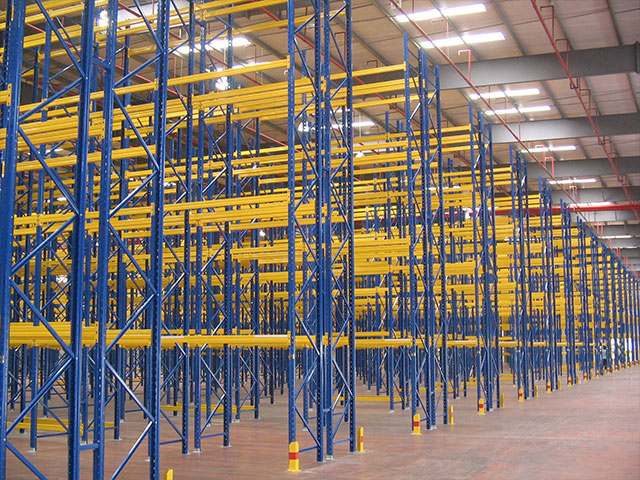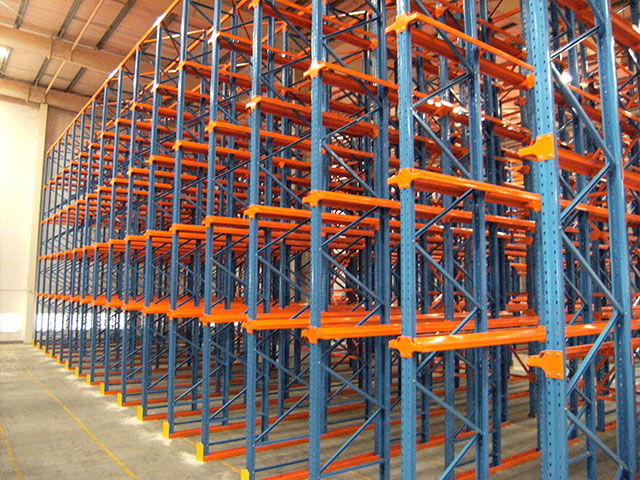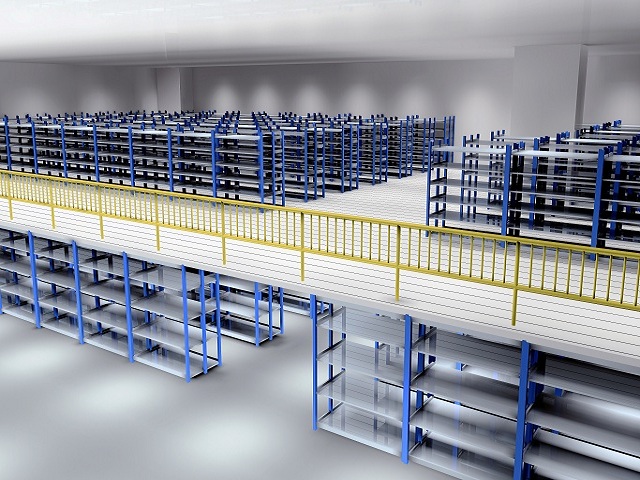
A stacking rack is a steel storage frame designed to hold unit loads and allow those loads to be stacked vertically, outside or inside a warehouse. In global procurement, the term stacking rack can refer to several related solutions: portable stackable pallet racks, demountable post-pallet racks, nesting racks for tires and bulky parts, stackable steel stillages, export packing racks, and heavy-duty stack racks used for work-in-progress or warehouse overflow. The common value is the same: convert vertical space into usable pallet positions, protect goods during storage and transport, and increase capacity without necessarily building a new warehouse.
For buyers, this category is not one-size-fits-all. A rack that works for 1,200 kg bagged resin in Brazil may be unsafe for 2,000 kg machined castings in Chile, and a rack designed for indoor use may corrode quickly at a coastal port. The correct specification starts with the load: length, width, height, weight per unit, center of gravity, load stability, and whether the rack will hold goods in a warehouse, on a truck, in a shipping container, or in an outdoor yard. It should also include forklift or pallet truck type, aisle width, stack height, floor flatness, seismic zone, humidity, temperature, and inspection regime. A competent stacking rack supplier will ask these questions before offering a price; otherwise, the quotation is only a guess.
Start with load capacity, not the lowest price per rack
Load capacity should be stated per rack, per layer, and per stack. If a catalogue says 1,500 kg, clarify whether that figure applies to a single static rack on a flat floor, a rack stacked three high, a rack in motion, or a rack lifted by forklift. Safety factors, steel grade, welding quality, post thickness, beam section, and decking all affect the safe working load. For international projects, ask for drawings, material certificates, load calculations, and a marking plan for safe working load labels. For high-risk loads, a one-off prototype and load test may be justified before mass production.
Understand the difference between stacking racks and selective pallet racking. Selective pallet racking is a fixed aisle-based system optimized for fast access to many SKUs. Stacking racks are often portable, modular, or demountable, making them useful for fluctuating inventory, seasonal peaks, overflow storage, cross-docking, export packing, spare parts, tire storage, textile rolls, and long or irregular loads. Many buyers use both: fixed pallet racking for fast-moving SKUs and stacking racks for slow movers, buffer stock, or demand that is not yet predictable.
Compare total cost of ownership
Procurement teams should compare total cost of ownership, not just price per rack. Calculate pallet positions per square meter, cost per stored pallet, forklift travel time, labor for setup and dismantling, repair and coating maintenance, floor loading, insurance implications, and container utilization. A rack that nests or folds may cost slightly more but reduce freight per unit dramatically. A rack designed for knock-down shipping can lower ocean freight and warehouse storage costs, but it must still assemble into a rigid and safe structure. Ask for packing dimensions, gross weight, container loading quantity, and whether installation tools are included.
Safety, compliance, and local conditions
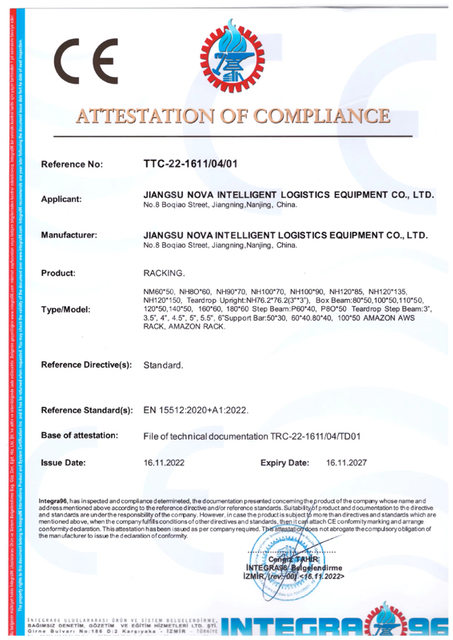
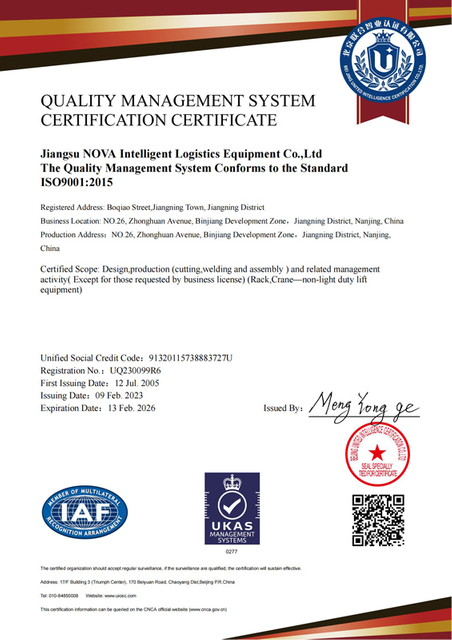
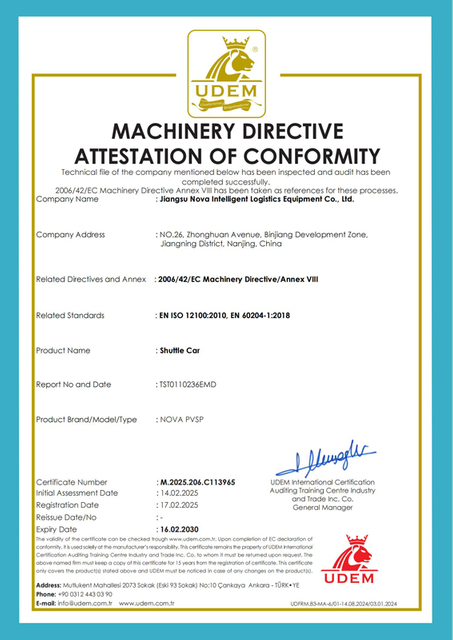
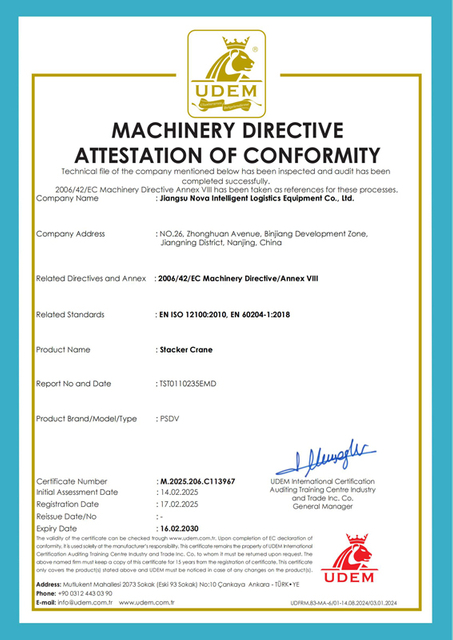
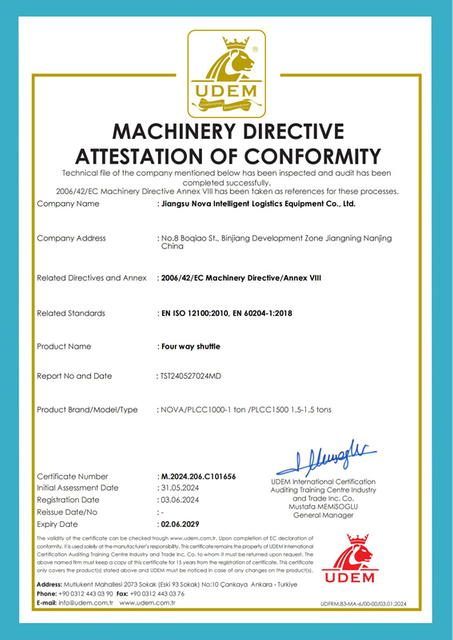
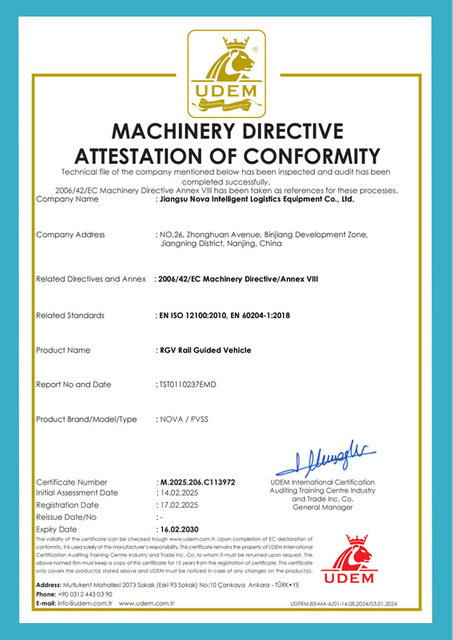
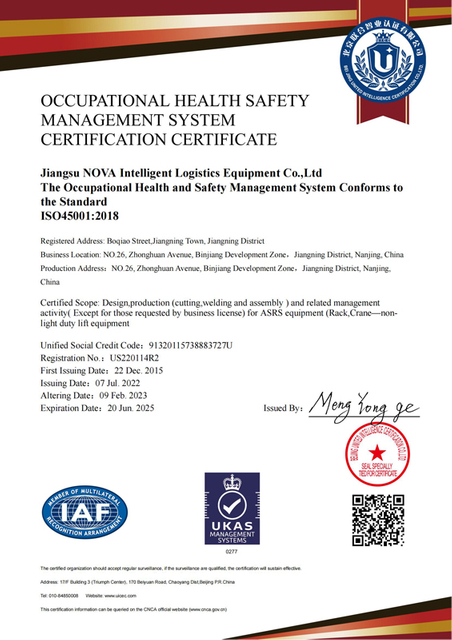
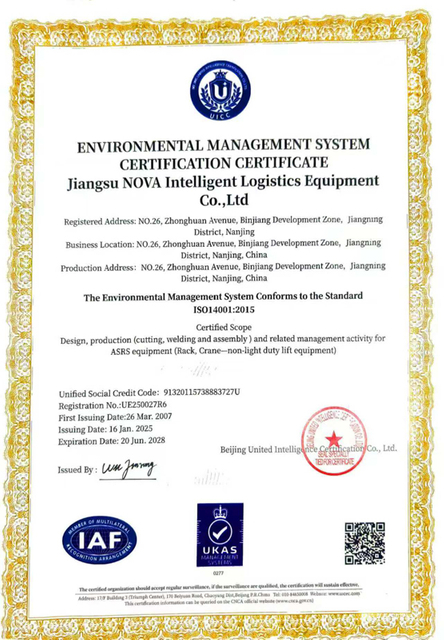
Safety and compliance are part of the product, not afterthoughts. For stacking racks, buyers commonly ask for FEM, EN 15512, RMI, ISO, CE, or local seismic references, but the exact requirement depends on the project and the responsible engineer. In Chile, Peru, and Colombia, seismic design may need calculations referencing NCh 2369, E.030, or NSR-10. For coastal or cold-room sites, specify galvanized or enhanced powder-coated finishes. For export packing, consider ISPM 15 requirements for wood, though steel racks avoid fumigation; mention any fumigation or packaging restrictions from your country. A supplier that provides drawings, load data, material traceability, and inspection records is easier to approve than one that only provides photos.
A common mistake is to buy based on the picture, not on the load path. The uprights should sit on a flat, capable floor; base plates should match the slab and anchoring plan; and the stack height should remain stable when the lowest unit is removed. If forklift operators will place racks directly on top of one another, guide cones, locating pins, and visible load labels reduce mis-stacking. If the rack is moved frequently, consider forklift pockets, crane lifting points, reinforced corners, and a nesting design. If the rack is used for export, consider a closed or mesh deck that prevents small parts from falling and packaging that protects the finish during ocean transit.
Prepare a one-page RFQ data sheet
The strongest purchasing brief is a one-page data sheet. Include product photos, pallet or carton size, maximum weight, load pattern, required stack heights, color, surface finish, quantity per order and per year, destination port, preferred Incoterm, required certification, installation responsibility, spare part requirements, and target delivery window. Send the data sheet to two or three qualified manufacturers and ask for a drawing, assumptions, weight, container loading plan, and a list of exclusions. That package gives you a comparable quotation and a faster technical review.