1. How does push-back pallet racking actually work?
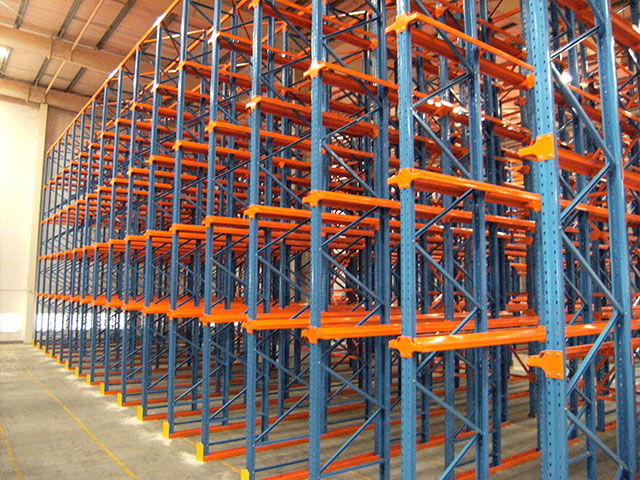
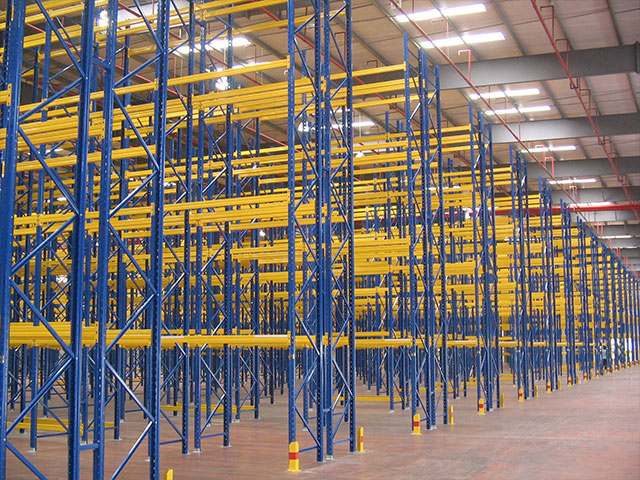
Push-back racking uses a series of nested carts on inclined rails inside a bay. The forklift places a pallet on the front cart, pushes it backward, and then places the next pallet on the next cart. The process continues until the lane is filled. Retrieval happens in reverse: the operator removes the front pallet, and the remaining carts roll forward. Because the forklift remains in the aisle, storage density increases compared with selective racking, but pallets are not all directly accessible. The design must account for cart nesting height, rail slope, pallet condition and the forklift’s push force.
2. Is push-back racking always cheaper than radio shuttle or AS/RS?
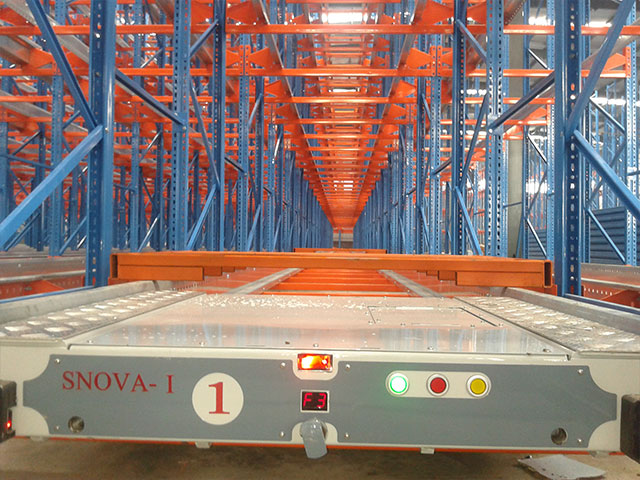
Not necessarily. Push-back is often less capital-intensive than a radio shuttle or AS/RS system because it is mechanical and does not require shuttle carriers, chargers, controls or software. However, the final landed cost depends on the number of carts, steel weight, vertical height, finish, seismic design, container loading and installation support. A cheaper bay price can become an expensive project if the layout produces fewer pallet positions, requires extra aisles, or creates operational bottlenecks. My Favorite Shelf Industrial Co., Ltd. compares push-back, selective, drive-in and shuttle options using the same pallet data so buyers can evaluate cost per usable pallet position rather than cost per beam.
3. What pallet loads and depths can push-back racking handle?
Push-back systems are engineered for project-specific pallet loads. Common warehouse pallets range from light cartons to heavy industrial loads, and the design must be checked for cart capacity, rail strength, upright capacity, beam deflection and forklift push force. Depth is also project-specific. Two to four pallets deep is common, and deeper configurations can be evaluated where the building height, forklift and SKU profile allow. Heavy loads, poor-quality pallets, unusual pallet dimensions and high throughput usually require more conservative designs or a different system. Buyers should insist on load calculations and load labels rather than accepting a generic capacity claim.
4. When is push-back the wrong choice?
Push-back is usually the wrong choice when FIFO is mandatory, when every pallet must be immediately accessible, or when inventory turns are so high that cart movement becomes a bottleneck. It is also a poor fit when pallets are damaged, when loads are unstable, or when the building has insufficient clear height. In cold storage, maintenance access and wheel performance must be reviewed carefully. If the SKU profile is very narrow and the load is homogeneous, drive-in may offer more density. If throughput and automation justify the investment, radio shuttle or AS/RS may deliver a stronger life-cycle result.
5. How should seismic design be handled in Chile, Peru or Colombia?
Seismic design is not a catalogue option. It is a structural calculation process. For projects in South America, My Favorite Shelf Industrial Co., Ltd. can prepare engineering documentation for review against local requirements such as NCh 2369 in Chile, E.030 in Peru and NSR-10 in Colombia. Reinforced uprights, bracing patterns, base plates, anchor specifications and rail connections may change. The final design should be reviewed by a qualified local engineer where required by regulation. A supplier that cannot provide calculation drawings, material specifications and anchor details is not a reliable partner for seismic zones.
6. What does a complete push-back proposal include?
A complete proposal should include a layout drawing, pallet-position count, upright and beam specifications, cart quantity, rail details, load capacity per level, seismic or wind calculation notes where applicable, surface finish, packing list, container loading plan, installation scope and commercial terms. It should also identify exclusions such as floor preparation, permits, sprinkler modifications, forklift equipment and local installation labor. For global buyers, clear exclusions are as important as the quoted price because they prevent unexpected landed-cost gaps after purchase.
7. How do buyers compare push-back racking suppliers?
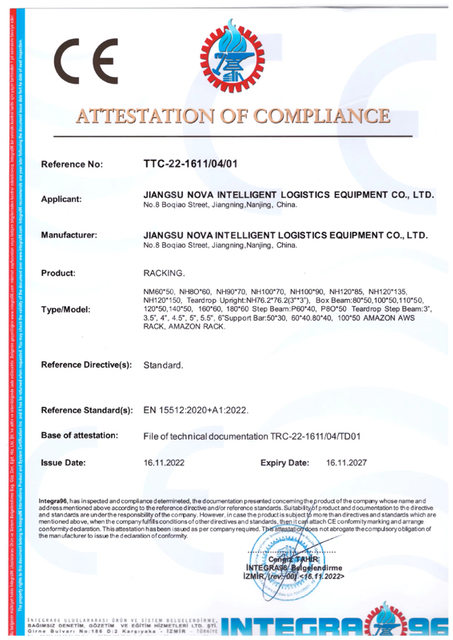
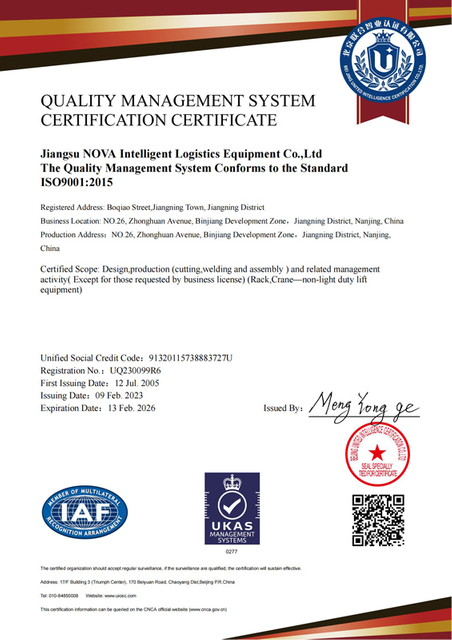
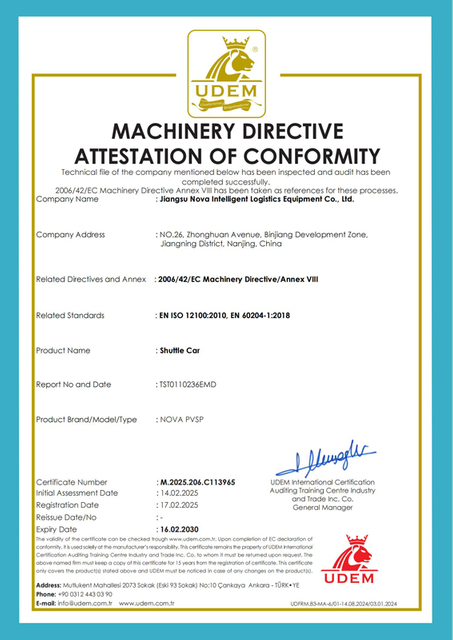
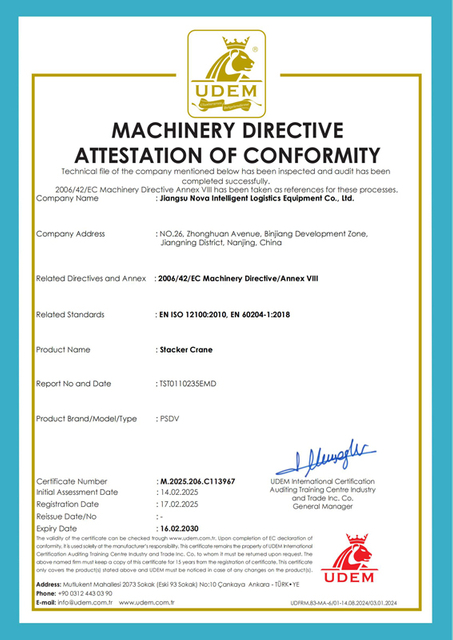
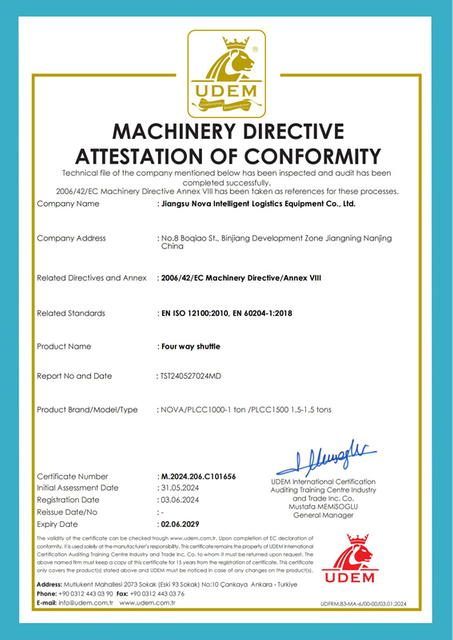
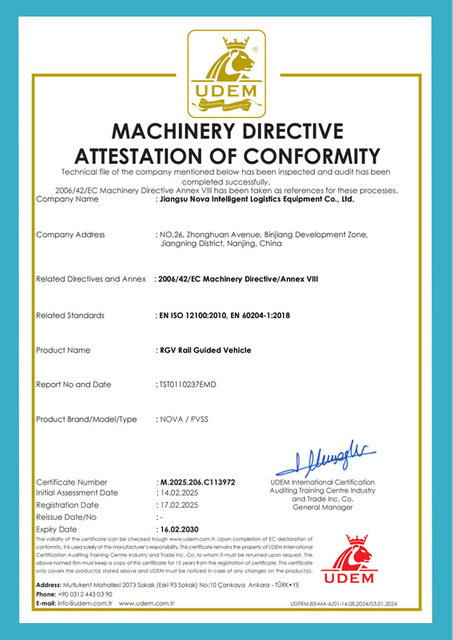
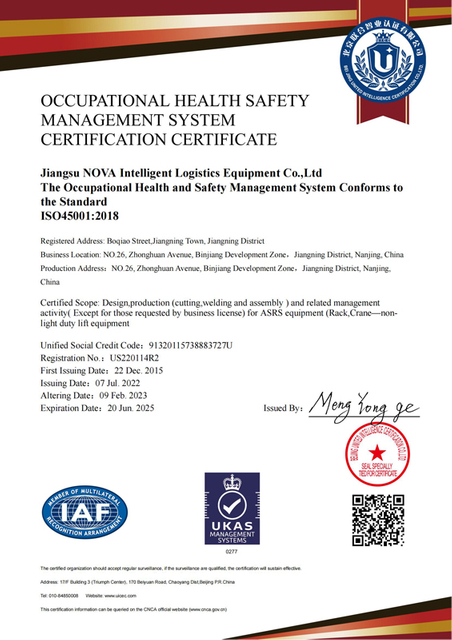
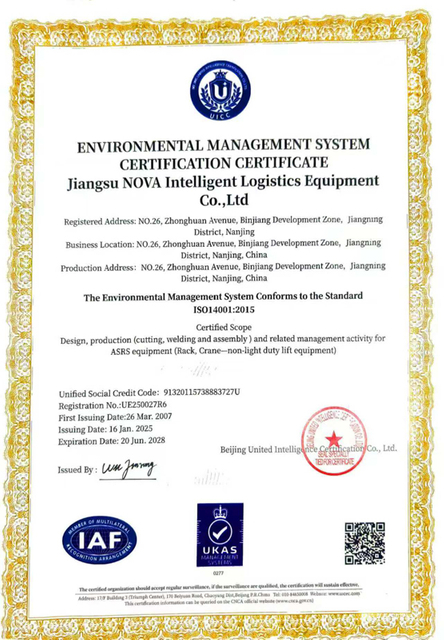
Compare engineering depth, factory traceability, certification, reference projects, spare-parts policy, inspection routines and communication. Ask whether the supplier manufactures its own uprights, beams, carts and rails, or purchases them from multiple traders. Ask for coating thickness, material certificates, load-test reports and installation manuals. Ask how the supplier handles damaged carts after several years of use. My Favorite Shelf Industrial Co., Ltd. has manufactured racking and automated storage systems since 1997, operates with ISO 9001, ISO 14001, ISO 45001 and ISO 10012 measurement management, and holds CE certification for racking, stacker cranes, shuttles and RGVs. That evidence matters when a buyer cannot inspect the factory in person.