Blog
What Are the Top Types of Pallet Racking in 2026?
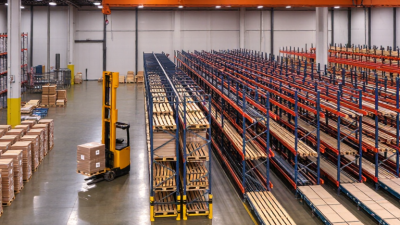
Pallet Racking choices shape more than storage density. They affect travel paths, picking speed, forklift access, and how safely loads sit above the floor. A selective rack offers direct access to every pallet. Drive-in systems trade some selectivity for compact storage, while push-back and pallet-flow designs support higher-throughput operations. There is no universal winner. A rack that saves space may slow picking or complicate stock rotation.
The market is expanding. Grand View Research estimated the global warehouse racking market at USD 8.7 billion in 2023 and projected an 8.6% compound annual growth rate from 2024 to 2030. That estimate signals investment, not proof that every facility needs denser storage. MIT supply-chain expert Yossi Sheffi’s work on resilience offers a useful lens: storage should support adaptation, not just efficiency. This is a paraphrase of his broader research, not a rack-specific direct quotation.
The right comparison starts with the aisle. Picture a forklift turning between loaded bays, or a picker reaching for a fast-moving carton. Those details can change the best choice. This guide compares the leading pallet rack types in 2026, including selective, double-deep, drive-in, push-back, pallet-flow, and cantilever systems. It considers access, capacity, selectivity, and operational fit. Specifications and installation conditions still matter; a type name alone cannot confirm a safe design. A practical caveat. Market forecasts are useful context, but facility-level measurements should drive the final decision.
Read more »
 By:Ethan
- November 16, 2026
China Best Pallet Storage Racking System Manufacturers?
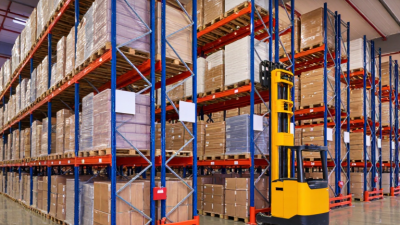
Choosing the best Pallet Storage Racking System manufacturer in China takes more than comparing prices or product photos. A supplier should understand your pallet dimensions, load weights, forklift type, and available warehouse space. These details shape the rack layout, beam selection, aisle width, and installation plan. Small mismatches matter. They can reduce usable storage or complicate daily handling.
This article explores how to evaluate Chinese manufacturers, from engineering support and production quality to delivery, installation, and after-sales service. Ask for project-specific drawings, clearly stated load ratings, material specifications, and inspection records. Confirm how the manufacturer checks welds, finishes, and dimensional tolerances. Request references for facilities with storage needs similar to yours, and clarify the availability of replacement components. A factory visit or independent inspection may also help verify claims.
There is no universal “best” supplier. A large catalog does not guarantee a suitable design, and a low quotation may exclude important services. Even experienced buyers can overlook practical details, such as floor conditions or future changes in pallet loads. Recheck assumptions. Compare manufacturers against the same technical requirements, then have qualified professionals review the final layout and site conditions. This approach gives buyers a clearer basis for selecting a dependable partner and a racking system suited to their operation.
Read more »
By:Ethan
- November 16, 2026
What Are the Top 10 Types of Pallet Rack Systems?
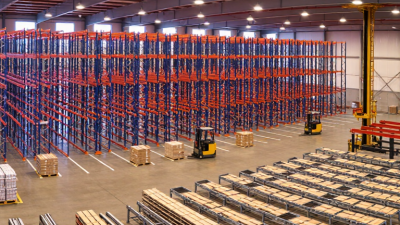
Pallet Rack Systems determine how goods are stored, reached, and moved through a warehouse. The right design can make better use of floor space, support smoother picking, and keep inventory visible. But “more storage” is not always the same as “better storage.” A dense layout may reduce aisle space, while a highly accessible one may hold fewer pallets.
This guide introduces ten common types, including selective, double-deep, drive-in, drive-through, push-back, pallet-flow, cantilever, mobile, carton-flow, and automated storage systems. Each works differently. Some give forklift operators direct access to individual pallet positions. Others rely on deeper lanes, gravity, or powered equipment to move goods. Small details matter: pallet dimensions, load weight, forklift turning space, stock rotation, and ceiling height can all change which option fits. That sounds simple. It rarely is.
The comparisons ahead focus on practical trade-offs, not just rack names. For example, a drive-in system can store many pallets in a compact area, but retrieving one specific pallet may take more planning. A selective system offers easier access, yet often needs wider aisles. Treat these points as a starting place, not a final design. Actual capacity and safety depend on the rack specifications, floor conditions, installation, and operating practices. A qualified storage-system professional can assess those details before a warehouse commits to a layout. Even a careful plan can miss something; real workflows sometimes reveal the gap.
Read more »
By:Ethan
- November 16, 2026