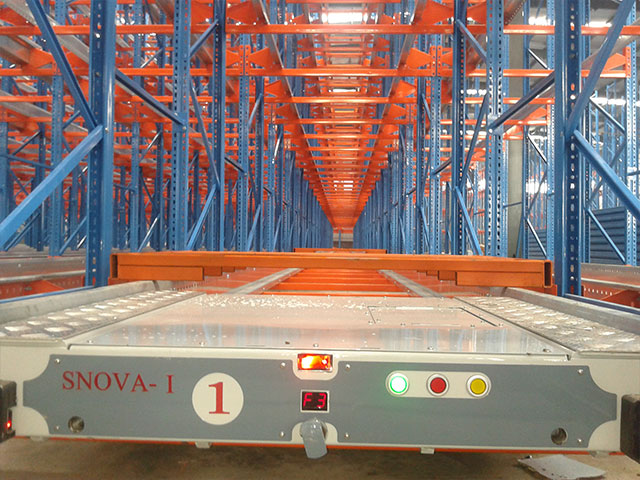
Standard LIFO Radio Shuttle
Best for identical or fast-moving pallets where the latest load can be retrieved first. It maximizes deep-lane density with a lower automation footprint.
More
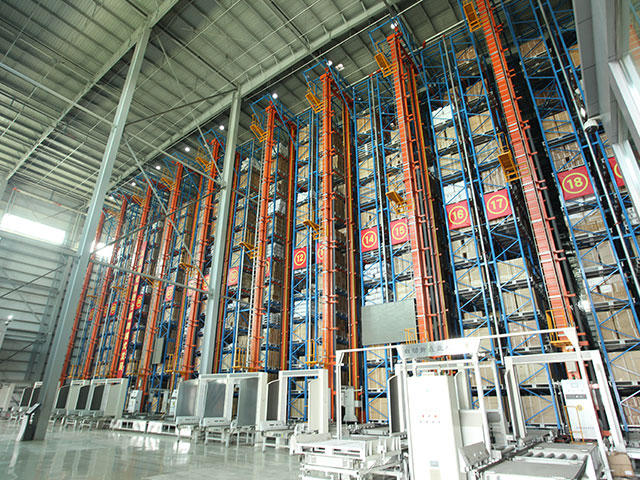
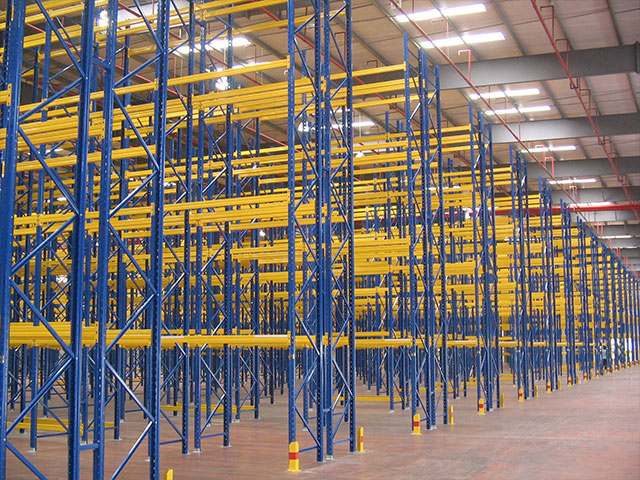
The most useful search answer is not simply “high density.” It is understanding when radio shuttle racking improves storage economics, when another system is better, and what data must be verified before purchase.
Radio shuttle pallet racking is a semi-automated deep-lane storage system. A battery-powered shuttle car runs on rails inside the racking. A forklift places a pallet at the lane face and then leaves the aisle; the shuttle carries the pallet to the next free position inside the lane. When the pallet is needed, the shuttle returns it to the lane face for forklift retrieval. Because forklifts never enter the storage lanes, radio shuttle systems can use deeper, denser layouts than conventional selective racking while supporting faster and safer operation than drive-in racking.
For global procurement teams, the valuable question is not only “What is radio shuttle racking?” but “Will it reduce my total cost per pallet position without creating bottlenecks?” That depends on SKU count, pallet quality, batch rules, throughput peaks, building height, fire strategy, seismic zone, cold-store temperature and the availability of local maintenance support. A responsible supplier should ask for this data before quoting a layout.
Radio shuttle pallet racking is usually a strong fit for warehouses with many pallets per SKU, moderate-to-high throughput and a need to reduce aisle space. It is less suitable for very high-SKU, low-volume operations that need unrestricted access to every pallet, or for buyers who cannot standardize pallet condition. In those cases, selective racking, double-deep racking, VNA racking, four-way shuttle or AS/RS may be more appropriate.
My Favorite Shelf Industrial Co., Ltd. has manufactured racking and automated storage systems since 1997. Our engineers can review pallet data, simulate pallet positions, recommend FIFO or LIFO lanes, provide structural and seismic calculation reports for local engineer review, and supply export documentation, installation supervision and after-sales support. This guide is written to help buyers ask better questions, compare alternatives and prepare a more accurate request for quotation.
Use this table to compare density, selectivity, throughput and risk. The right system is the one that fits your real operating profile — not only the lowest price per ton of steel.
| System | Density | Selectivity | Pallet Flow | Best Fit |
|---|---|---|---|---|
| Selective Pallet Racking | ●●○○○ | ●●●●● | Any | Many SKUs, direct access |
| Drive-in Racking | ●●●●○ | ●○○○○ | Usually LIFO | Cold rooms, few SKUs |
| Radio Shuttle Racking | ●●●●○ | ●●○○○ | FIFO, LIFO or mixed | Deep lanes, safer handling |
| Four-Way Shuttle | ●●●●● | ●●●●○ | Automated | High-density, high-throughput |
| AS/RS | ●●●●● | ●●●●● | Automated | High-bay, 24/7 operation |
Most buyers do not need a generic catalogue page. They need a configuration that matches pallet flow, temperature, throughput and future expansion. These are the four starting points we recommend for review.
Best for identical or fast-moving pallets where the latest load can be retrieved first. It maximizes deep-lane density with a lower automation footprint.
More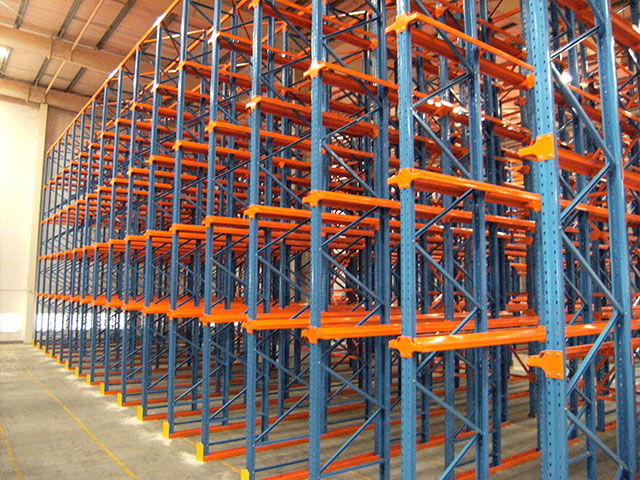
Recommended for food, beverage, pharmaceutical and batch-controlled inventory where first-in-first-out traceability is required.
MoreDesigned for freezer and chilled warehouses with low-temperature batteries, robust coatings and maintenance access planned around cold-room operation.
MoreUse radio shuttle lanes for dense reserve storage and AS/RS or four-way shuttle for high-selectivity picking and automated pallet movement.
MoreGlobal buyers are no longer comparing only steel weight and price per pallet. They are evaluating labor risk, energy cost, compliance documentation, phased automation and the supplier’s ability to support the system after shipment.
As supply chains shorten and regional distribution grows, many buyers need more pallet positions without expanding the building. Radio shuttle pallet racking offers a practical way to increase density while keeping forklifts in the aisle.
Forklift labor is costly and difficult to stabilize. Radio shuttle systems reduce the need for forklifts to enter deep racking, lowering damage risk and enabling more consistent pallet handling in high-traffic warehouses.
Many buyers begin with semi-automated radio shuttle racking, then add WMS integration, conveyors or AS/RS as volume grows. This spreads capital spending while protecting the original racking investment.
Procurement teams are comparing pallet position cost, shuttle count, battery life, spare parts, installation time and maintenance access. The lowest initial price is not always the lowest lifecycle cost.
Cold stores need faster, more predictable pallet movement to reduce door-open time and energy loss. Radio shuttle racking can support deep freezer lanes and fewer forklift entries, improving cold-chain planning.
Buyers now ask how shuttle tasks, pallet locations and replenishment will connect with WMS or ERP. Interface documentation, operator training and exception-handling procedures are becoming part of the purchase decision.
Seismic calculation reports, material certificates, coating standards, test records and installation manuals are increasingly required before shipment. A supplier’s documentation quality is part of its risk profile.
Warehouse demand rarely grows in a straight line. Buyers prefer modular racking and shuttle lanes that can be extended later without replacing the entire structure or control concept.
The next generation of radio shuttle systems will be judged by uptime, safety, integration and maintainability — not simply by how deep the lanes can be.

Improved lithium battery options, opportunity charging and sensor-based diagnostics help reduce downtime and simplify maintenance planning. Buyers should confirm battery cycle expectations for their temperature and throughput profile.

Modern radio shuttle projects are increasingly prepared for task management, location visibility and data exchange with warehouse software. This supports phased automation without forcing a complete AS/RS conversion on day one.

Radio shuttle racking is increasingly used beside four-way shuttle and AS/RS zones. Each zone handles the inventory profile it serves best, while the overall warehouse gains flexibility for future SKU changes.

Local code compliance, high-strength steel design, durable coatings and recyclable steel construction are becoming standard parts of the technical discussion. Engineering review should always precede final purchasing.
My Favorite Shelf Industrial Co., Ltd. has designed, manufactured and installed warehouse racking and automated storage systems since 1997. Our own production base processes around 60,000 tons of steel per year, and our municipal-level R&D center holds more than 70 national patents and software copyrights covering racking, stacker cranes, conveyors, shuttle carriers and warehouse control software.
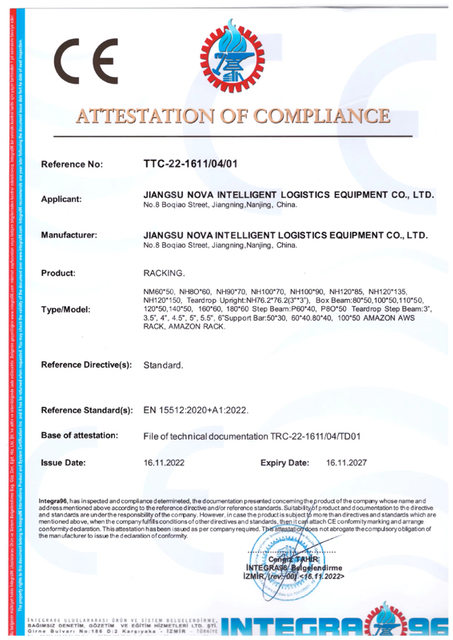
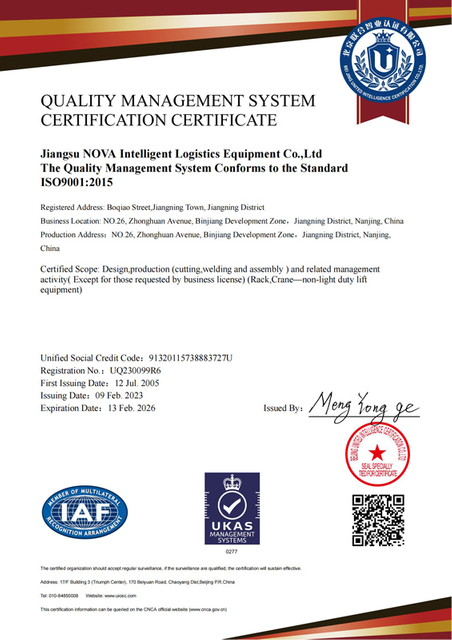
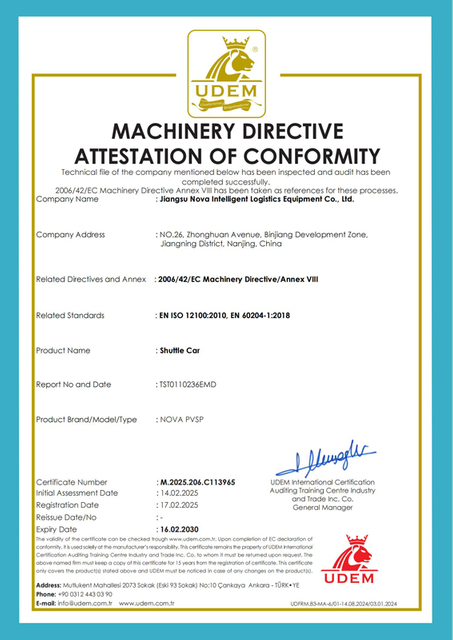
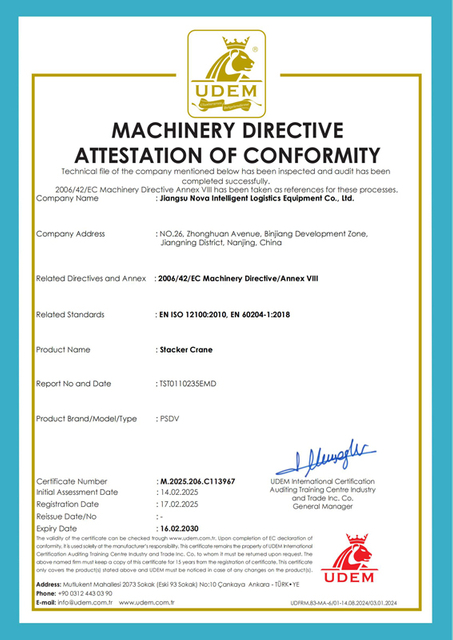
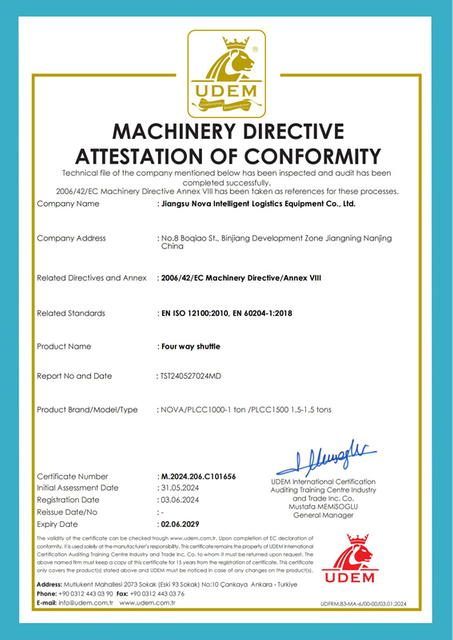
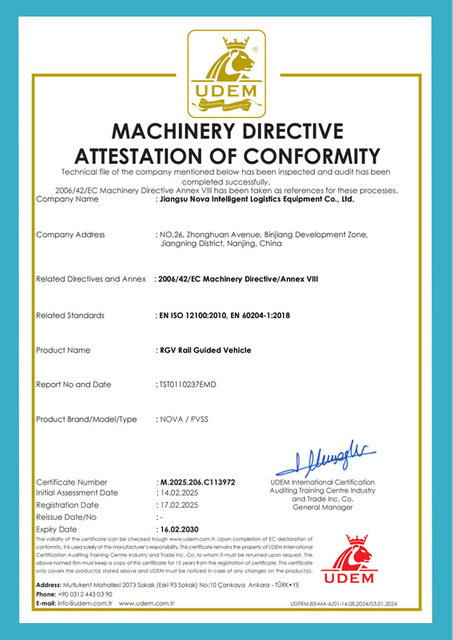
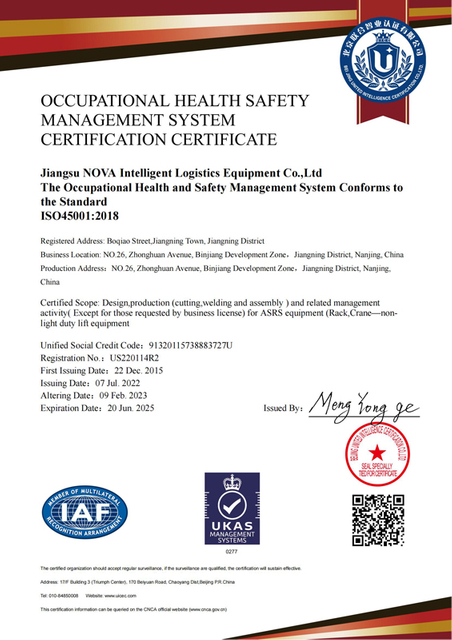
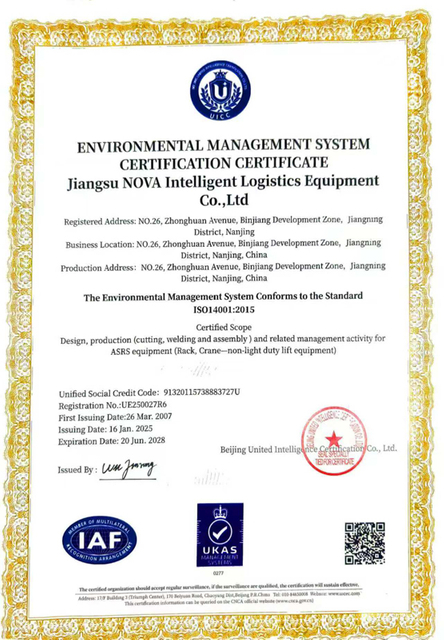
We manufacture racking, shuttle systems and automation under ISO 9001, ISO 14001, ISO 45001 and ISO 10012 measurement management. CE certification is available for racking, shuttle cars, stacker cranes, four-way shuttles and RGVs. For export buyers, this means the steel, controls and documentation can be coordinated by one manufacturer instead of being split across disconnected suppliers.
For seismic and cold-store projects, our engineers prepare project-specific calculations and drawings for review by the buyer’s local engineer. We can reference local requirements such as NCh 2369, E.030, NSR-10 and ABNT NBR 15524 where relevant, and we supply packing lists, material records and installation manuals to support customs clearance and site acceptance.
Certifications and reports that procurement, engineering and safety teams can verify before purchase.
These are the questions global buyers most often ask during layout review, supplier comparison and budget approval.
Radio shuttle pallet racking is a semi-automated deep-lane storage system. A battery-powered shuttle car moves on rails inside the racking. A forklift places a pallet at the lane face, and the shuttle carries it to the next storage position. Forklifts remain in the aisle, so storage lanes can be much deeper and denser than with selective racking. The shuttle returns pallets to the lane face when they are needed.
In many projects radio shuttle pallet racking increases pallet positions by 30 to 60 percent compared with selective racking in the same building footprint. The exact gain depends on building height, lane depth, pallet size, SKU profile, fire protection, forklift aisle requirements and local seismic rules. A layout simulation should be based on real pallet data rather than a generic percentage.
Choose FIFO when pallet age, batch traceability or shelf life matters, such as food, beverage and pharmaceutical storage. Choose LIFO when products are identical or fast-moving and the latest pallet can be retrieved first. Some systems are designed to support both FIFO and LIFO zones in one warehouse, allowing procurement teams to match inventory rules to demand.
Provide accurate pallet length, width, height, loaded weight, load distribution, overhang, pallet material and condition. The shuttle, rails, beams and uprights must be matched to real operating loads, not only nominal pallet weight. Damaged pallets should be removed because shuttle systems require consistent pallet geometry for reliable movement and safe storage.
Yes. Radio shuttle racking can work as a stand-alone semi-automated system or as part of a phased automation plan with WMS, WCS, conveyors, AS/RS and four-way shuttle zones. Integration is project-specific, so buyers should confirm data interfaces, task allocation, operator screens, spare-parts support and exception handling before shipment.
Seismic and cold-storage projects require project-specific calculations, steel specifications, bracing, anchors, coatings and safety details. For Chile, Peru, Colombia and other seismic regions, calculations can reference local codes such as NCh 2369, E.030 and NSR-10 for review by the buyer’s local engineer. Coastal sites may need enhanced powder coating or galvanized components to resist humidity and salt exposure.
Standard racking production is commonly 25 to 35 days after drawing approval. Ocean transit adds roughly 30 to 45 days depending on the destination port and route. Radio shuttle projects also require factory acceptance testing, battery and charger preparation, packing checks and commissioning planning, so the project schedule should be confirmed at contract stage.
Include building drawings or length, width and clear height; column grid; pallet drawings and loads; SKU velocity and batch rules; required FIFO or LIFO flow; forklift type; throughput peaks; temperature and humidity; seismic zone; fire protection requirements; destination port; and required documentation. This enables a faster and more accurate layout and quotation.
Drive-in racking is simpler and often lower cost, but forklifts enter the racking and selectivity is limited. Radio shuttle racking keeps forklifts in the aisle, improves safety and usually supports deeper lanes with better throughput. AS/RS provides higher automation and selectivity but requires greater capital, controls and maintenance planning. Many warehouses use radio shuttle as a practical middle step.
Radio shuttle systems need routine inspection of shuttle batteries, chargers, wheels, sensors, rails, pallet stops and control buttons, plus periodic racking inspections by trained personnel. A spare shuttle or critical spare-parts kit can reduce downtime. Safety checks should also cover forklift interface zones, pallet quality and operator training.
Send us your building dimensions, pallet data and throughput targets. Our engineers can return a layout concept, pallet-position estimate, shuttle ratio recommendation and preliminary export plan for review.
Replies in English, Spanish or Portuguese within one business day. No phone number required — email is the fastest way to share drawings and load data.
Get Catalog