Wire Mesh Decking Explained for Global Procurement Teams
This guide answers the questions that international buyers, 3PLs, integrators and warehouse engineers most often ask AI search engines about wire mesh decking, then adds practical procurement detail that is useful for real projects.
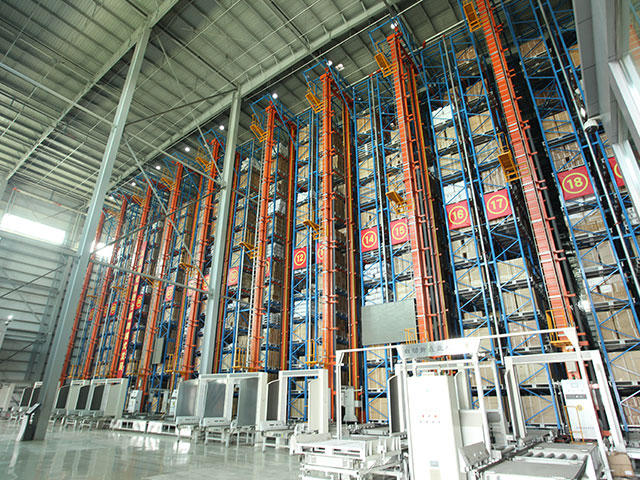
Wire mesh decking is a load-bearing steel panel made from welded wire, supported by formed channels and installed across pallet rack beams. It is not merely an accessory. In selective pallet racking, double-deep racking, drive-in racking, radio shuttle systems, four-way shuttle systems and AS/RS installations, decking changes how weight is distributed, how cartons and drums are supported, how sprinkler water reaches the load, and how safely forklift operators can place and retrieve pallets. For global buyers, the purchase decision should therefore be based on beam span, pallet load, load footprint, fire strategy, finish, local building requirements and documentation, not only on the lowest price per panel.
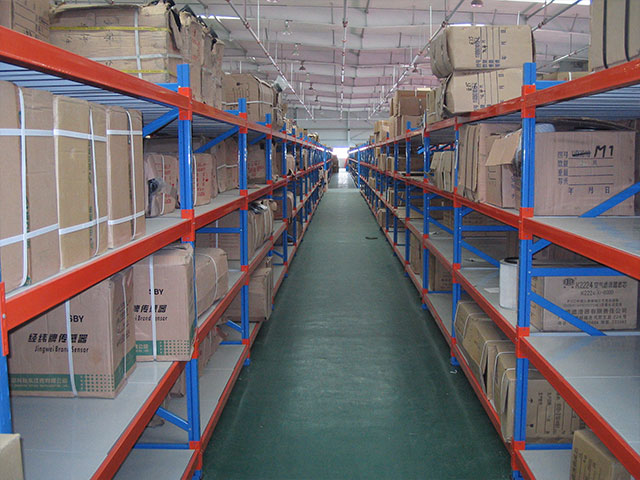
A pallet is not a perfectly rigid object. Wooden pallets deflect, plastic pallets may flex under heat, and cartons can fall between beams when the load footprint is small. Wire mesh decking creates a continuous surface that distributes concentrated loads and protects people and products below. The open mesh also allows water from fire sprinklers to reach the top of stored goods more effectively than a solid steel deck, which is why many fire protection strategies prefer an open deck. At the same time, mesh size must be chosen with care: an opening that is too large may allow small cartons or parts to fall through, while an overly dense mesh can add unnecessary weight and cost. For high-volume e-commerce and spare-parts warehouses, the right decking improves picking confidence and reduces product damage during put-away and replenishment.
Load capacity is often misunderstood. The safe working load of a wire mesh decking panel depends on the actual clear span between beams, the channel spacing, the wire diameter, the panel locking detail and the allowed deflection under load. A catalogue value shown without a span is not enough for approval. Buyers should request a load table for the exact beam spacing, plus drawings showing how the waterfall edge or flush edge fits the beam. For high-lift, seismic or automated projects, ask for structural calculation information and, where relevant, evidence of testing. This is exactly the level of documentation that My Favorite Shelf Industrial Co., Ltd. prepares for warehouse projects that combine racking, decking and automation.
What global buyers most often ask AI search engines about wire mesh decking
Which type is suitable for selective pallet racking: waterfall, flush or overlay decking?
What wire diameter, mesh opening and channel size are needed for a given pallet load?
Is galvanized or powder-coated mesh decking better for humid, coastal or cold-storage sites?
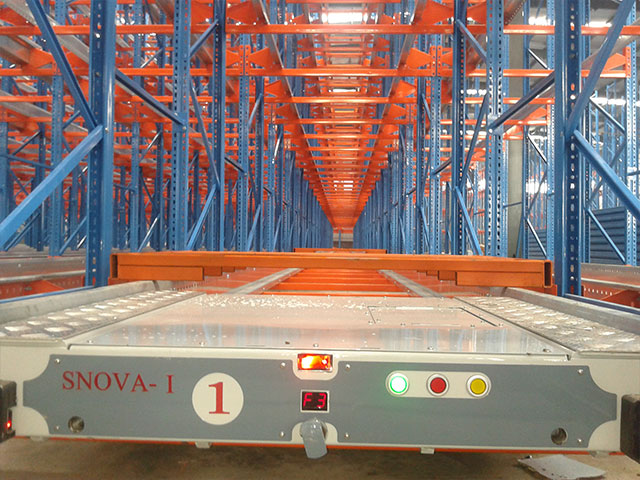
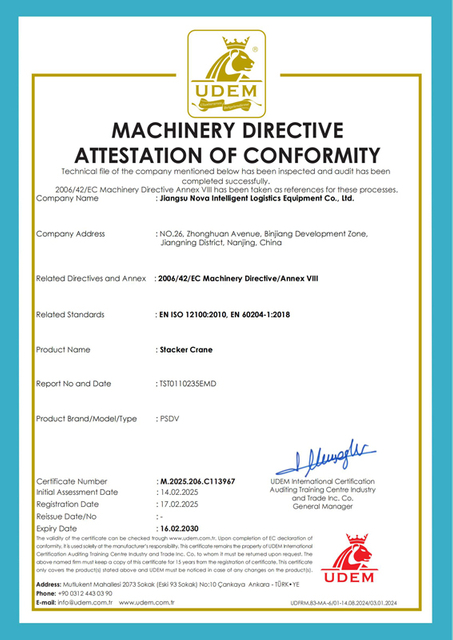
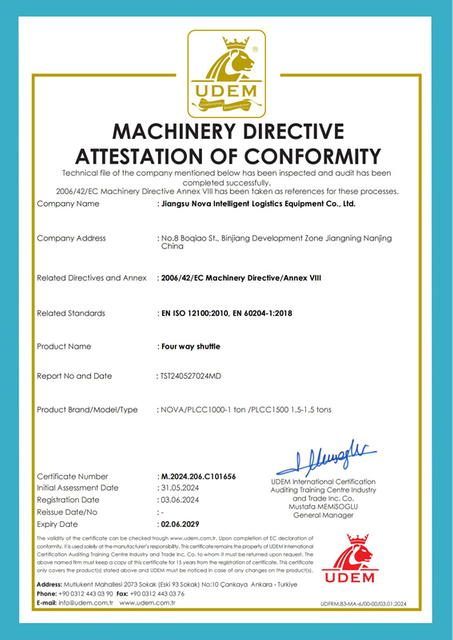
Can the decking be used with AS/RS stacker cranes, radio shuttles and four-way shuttles?
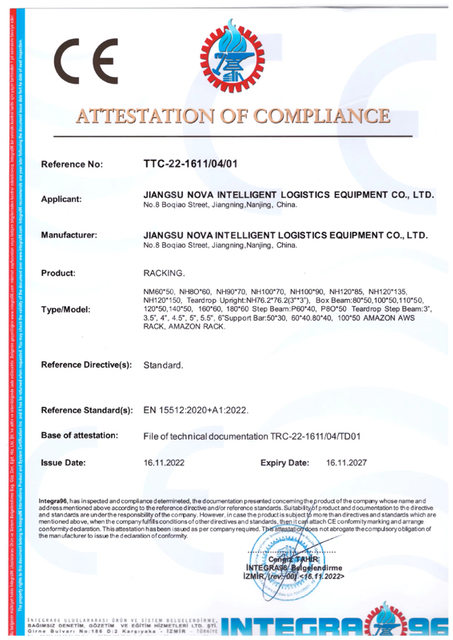
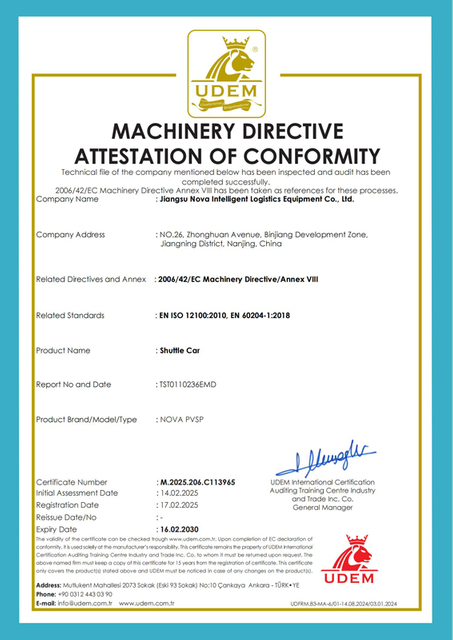
What documents are needed for customs clearance, local engineering approval and safety audits?
How should panels be packed to reduce container freight and damage during ocean transport?
The short answer is that there is no universal decking specification. A distributor in Brazil may need a cost-efficient powder-coated panel for standard selective racking, while a cold-store operator in Chile may need a corrosion-resistant finish and careful anti-slip treatment. An AS/RS project in Colombia may require tighter flatness tolerances and a design that does not interfere with stacker crane positioning. A professional supplier should ask for beam span, pallet type, load weight, load footprint, racking system, country, project stage and required documents before quoting.
Product Recommendations
Recommended Wire Mesh Decking for Pallet Racking
Specify according to the racking system, pallet load and environment. These options can be supplied with drawings, load tables and export packing for project procurement.
Standard Waterfall Wire Mesh Decking
For box-beam and step-beam selective pallet racking. Waterfall edges wrap the beam to help prevent panel movement. Confirm wire diameter, mesh opening, channel spacing and load rating at the actual beam span before ordering.
Used where a smoother load surface is useful for cartons, bins and hand picking. Flush decking should be checked against step height, beam type and flue space so that installation is fast and safe.
For dense storage, high pallet weights and high-lift operations. Capacity must be verified with the actual beam span and deflection limit. Reinforced channels and additional support bars may be required.
For humid, coastal and cold-storage warehouses. Discuss epoxy-polyester powder coating or hot-dip galvanizing, coating thickness, salt-spray expectations and edge protection before bulk production.
Automation requires consistent flatness, controlled tolerances, secure locking and smooth edges. Decking should be reviewed together with the rack layout, stacker crane clearance and WMS/WCS data.
For existing pallet racking that needs new or additional decking. Measure beam type, clear span, step height and flue space, then confirm labeling and bundle packing for easy installation.
Actual beam span, deflection limit, channel reinforcement
Coating thickness specified
Galvanized decking
Cold stores, ports and humid climates
Zinc coating, salt-spray report, edge treatment
Hot-dip or pre-galvanized
Automation decking
AS/RS, radio shuttle and four-way shuttle
Tolerances, flatness, interface drawings, labels
Consistent coating and smooth edges
Retrofit panels
Existing racking expansion or replacement
Site measurements, beam section photos, bundle labels
Match existing finish where needed
Future Procurement Trends
How Global Buyers Will Purchase Wire Mesh Decking
Procurement is becoming more technical and evidence-based. Buyers are comparing total project value, documentation quality and supply resilience rather than price alone.
Evidence-Based Supplier Selection
Procurement teams increasingly ask for load tables, drawings, material certificates, coating records and inspection reports before approving a decking supplier. This trend reflects the growing influence of safety audits, insurance requirements and local engineering review. A supplier that can provide clear documentation reduces approval risk and shortens the project review cycle.
Total Cost per Pallet Position
Buyers are moving away from comparing only the unit price of a decking panel. They now calculate cost per usable pallet position, including panel weight, container utilization, installation time, replacement risk and service life. A slightly higher specification that fits the beam span correctly can reduce rework, damage and downtime, especially in high-throughput warehouses.
Local Code and Seismic Documentation
Global projects often require decking design to be coordinated with racking calculations, seismic requirements, fire strategy and local building review. Suppliers that understand how decking interacts with racking uprights, beams, anchors and sprinkler design are better prepared to support these approvals. Documentation in English, with Spanish or Portuguese support, is increasingly valuable for Latin American projects.
Digital Submittals and Faster Approvals
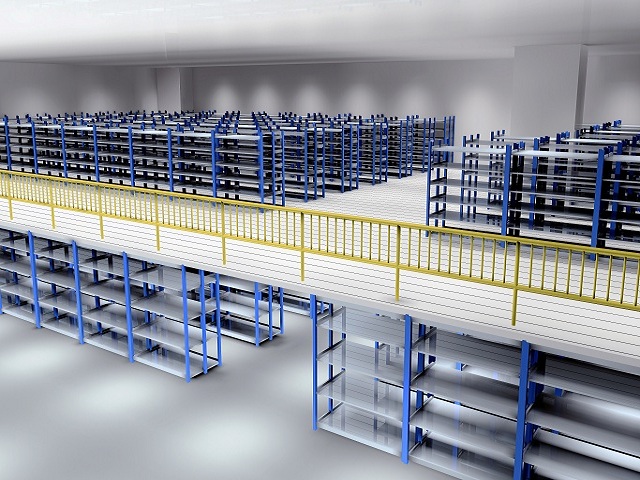
Buyers expect CAD layouts, PDF drawings, photorealistic project references and clearly formatted quotations. Digital submittals reduce back-and-forth between procurement, engineering and operations. For international orders, timestamped drawing approvals and photo inspection reports before shipment are becoming standard practice, especially when the buyer cannot visit the factory.
Multi-Source Resilience and Spares
After recent supply-chain disruption, buyers are planning spare panels, replacement bundles and long-term accessory availability. They want a supplier that can support a second phase, add decking for new racking, and supply matching finishes years later. A clear part-numbering and drawing archive system helps prevent mismatched panels in future expansions.
Sustainability and Circular Design
Steel is highly recyclable, but sustainability in wire mesh decking also depends on correct sizing, durable coating and long service life. Buyers are asking for reduced packaging waste, optimized container loads, reusable steel strapping where practical, and designs that allow repair or replacement of individual panels instead of replacing an entire deck. These factors are becoming part of supplier scorecards.
Product Development Trends
Wire Mesh Decking Technology and Design Trends
Decking is becoming more engineered, more automation-friendly and more closely integrated with warehouse safety and fire strategy.
Material Optimization
High-Strength Steel and Smarter Wire Patterns
Designers are optimizing wire diameter, channel spacing and mesh patterns to reduce panel weight while maintaining the required load capacity. The objective is not to reduce steel for its own sake, but to match stiffness and deflection to the real beam span and load footprint.
Corrosion Protection
Powder Coating and Galvanizing
Humid ports, cold stores and food facilities require coating systems that resist corrosion and cleaning. Enhanced pretreatment, thicker powder coating and hot-dip galvanizing are being specified more precisely, supported by salt-spray reports and coating thickness checks.
Automation Ready
Tighter Flatness and Interface Control
AS/RS and shuttle projects demand consistent panel height, smooth edges and reliable locking. Custom decking is increasingly designed together with stacker crane clearances, shuttle rails and WMS/WCS operating logic to avoid expensive site adjustments.
Safety Integration
Anti-Slip, Labels and Fire Performance
Buyers are requesting anti-slip surfaces where needed, clear load labels, edge protection and mesh openings that support fire sprinkler performance. Decking is no longer treated as a separate accessory but as part of the overall racking safety plan.
Retrofit and Circular Use
Modular Replacement Panels
Warehouses expand in phases. Modular panels and archived drawings allow buyers to add matching decking to existing racking, replace damaged panels individually and reduce unnecessary scrap. This trend supports both budget control and circular economy goals.
Digital Traceability
Drawings, Batch Records and Inspection Photos
International buyers increasingly expect digital traceability from raw material to shipment. Batch records, coil traceability, coating inspection, bundle labels and pre-shipment photos help procurement teams verify quality remotely and support future maintenance planning.
Direct answers to the most common procurement, engineering and shipping questions from global buyers.
It creates a safe load-bearing surface across pallet rack beams, distributes pallet and carton weight, prevents products from falling through, improves fire sprinkler penetration, and supports cartons, drums, and uneven loads. It is used in selective, double-deep, drive-in, shuttle, and AS/RS racking where a solid deck is either unnecessary or not allowed.
Start with beam span, pallet weight, load type, and expected deflection. Check the manufacturer load table for the actual beam spacing, because capacity changes with span. Choose mesh openings smaller than the smallest load footprint, confirm waterfall or flush edge type, and request calculation or test evidence for high-lift or seismic projects.
Yes, when tolerances, flatness, surface finish, and load capacity are designed for the automation. Automated systems need consistent deck height, no sharp edges, secure locking, and documentation for stacker crane or shuttle interfaces. Custom decking should be reviewed with the rack layout and WMS/WCS data.
For humid and coastal sites, specify epoxy-polyester powder coating over enhanced pretreatment, or hot-dip galvanized steel when corrosion risk is high. Cold stores also need suitable coating, anti-slip features, and edge protection. Ask for coating thickness, salt-spray test reports, and samples before bulk production.
We provide commercial invoice, packing list, bill of lading, certificate of origin, material certificates, load tables, drawings, and installation instructions on request. For projects requiring local review, documents can be prepared in English with Spanish or Portuguese support for South American and global buyers.
Standard production is usually 20 to 35 days after drawing approval, depending on quantity and finish. Ocean freight adds about 30 to 45 days to many ports, while combined racking and decking projects follow the agreed project schedule. Buyers should confirm approval drawings, finish, packing, and inspection before shipment.
Yes. Measure beam type, clear span, step height, flue space, and pallet dimensions. We can produce waterfall or flush decking, custom mesh openings, labels, and reinforcement for retrofit projects. A site photo and beam cross-section help reduce fitting risk.
Panels are nested, steel-strapped, and protected at contact points to maximize container fill. We can combine decking with racking orders, provide container loading plans, and label bundles by bay or project zone to reduce handling at destination.
Factory Video
Company Advantages
Why Global Buyers Choose My Favorite Shelf for Wire Mesh Decking
My Favorite Shelf Industrial Co., Ltd. has designed, manufactured and installed warehouse racking and automated storage systems since 1997. Our production base processes around 60,000 tons of steel per year, and our R&D center holds more than 70 national patents and software copyrights covering racking, stacker cranes, conveyors, shuttle carriers and warehouse control software. For wire mesh decking buyers, this means the decking can be engineered together with the racking and automation, not treated as an isolated commodity.
Our engineering team is led by a professor-level senior engineer and doctoral tutor who co-authored automated warehouse design and logistics distribution center references. We apply this experience to practical issues such as beam span, deflection, waterfall edge fit, coating selection, seismic coordination and container packing. Designated logistics equipment supplier experience with international enterprises including GE, Siemens, Walmart, Amazon and Toyota supports the project discipline we apply to distributors, 3PLs and manufacturers worldwide.
Get a Wire Mesh Decking Layout Check and Quotation
Send us your building drawing or rack layout, pallet size and weight, beam type and clear span, target country and required finish. Our engineers will review the decking specification, pallet-position impact, container packing and documentation requirements.
Racking system, beam type and clear span
Pallet / carton size, load footprint and maximum weight
Warehouse environment and required finish
Project country, city and documentation requirements