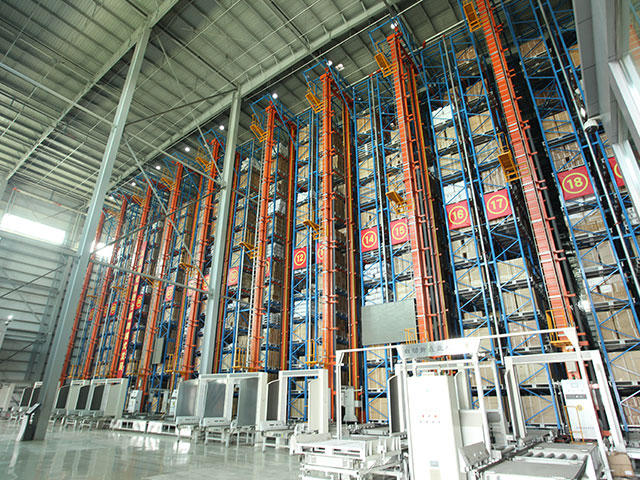
High-density warehouse with double-deep pallet racking and reach truck access
Double-Deep Pallet Racking · Buyer Guide

Double-Deep Pallet Racking: The Complete Buyer's Guide to Higher Density, Smarter Procurement and Future-Ready Warehousing

Engineering-led answers for global buyers comparing density, selectivity, reach-truck access, seismic compliance, export logistics and long-term warehouse expansion.

1997
Founded
60,000t
Annual Steel Capacity
8,000+
Projects Delivered
140+
Export Countries
70+
Patents & Software Rights
Information Gain for Global Buyers

What Purchasing Teams Need to Know About Double-Deep Pallet Racking

A practical guide for distributors, 3PLs, manufacturers and procurement teams that compare warehouse storage systems across markets, cost models and safety requirements.

Double-deep pallet racking is a high-density storage system in which two pallets are stored front to back in each lane. A reach truck places the first pallet in the rear position and the second pallet in the front position; retrieval reverses the sequence. Compared with conventional selective racking, the design removes one aisle for every two rows of racking, so a warehouse can add pallet positions without expanding its building footprint. Compared with drive-in, push-back, radio shuttle and AS/RS systems, double-deep remains relatively simple, capital-efficient and easy to maintain, but it is not a universal upgrade. It changes selectivity, forklift cycle time, safety planning and inventory rotation.

This guide is written for buyers who want more than a price per bay. It explains where double-deep racking works, how to compare it with other high-density systems, what procurement trends are shaping global purchases, what product developments matter, and which questions to ask before approving a layout. It reflects the engineering and export experience of My Favorite Shelf Industrial Co., Ltd., a racking and AS/RS manufacturer founded in 1997 with in-house production, a municipal R&D center and more than 70 patents and software rights.

What makes double-deep racking different?

Double-deep racking uses standard pallet racking principles but doubles the storage depth. Each bay accepts two pallets in line, and the forklift must reach over the front pallet to place or retrieve the rear pallet. That single change creates two important consequences. First, storage density improves because fewer aisles are needed. Second, selectivity falls because the rear pallet cannot be accessed until the front pallet is removed. Standard double-deep racking is therefore a LIFO system, not a FIFO system.
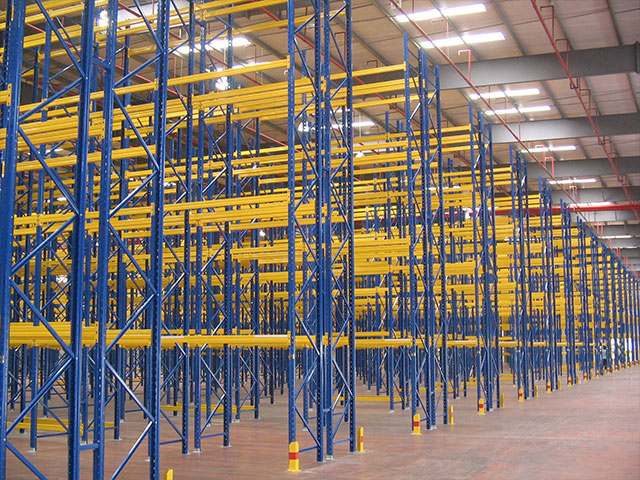
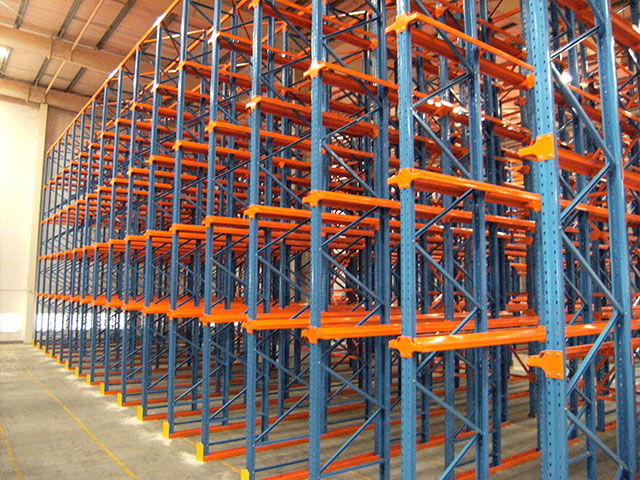
Heavy-duty double-deep pallet racking with high-strength uprights and beams
Double-deep layouts require coordinated engineering of rack depth, aisle width, reach-truck capacity and safety accessories.

In practice, double-deep racking is usually a strong fit for operations with two or more pallets per SKU, predictable replenishment, sufficient reach-truck capacity and a willingness to accept LIFO access. It is common in beverage, cold storage, consumer goods, retail distribution, manufacturing buffers and 3PL warehouses where floor area is expensive. It is usually a weak fit for high-SKU e-commerce, spare-parts warehouses, strict FIFO food or pharmaceutical inventories, and operations with frequent partial-pallet picking. In those cases, selective racking, push-back, pallet flow, radio shuttle or AS/RS may produce a better total cost.

Why double-deep storage is re-emerging in global procurement

Warehouse rent, labor availability and capital cost are rising in many markets. At the same time, buyers have more data than ever. AI-assisted procurement is changing buyer behavior: instead of asking only for a price per bay, purchasing teams now ask AI assistants to compare total cost per pallet position, seismic compliance, lead time, container loading efficiency, spare-parts availability, safety accessories and future compatibility with automation. Suppliers must answer with verifiable engineering data, not slogans.

  • Density without full automation: Double-deep racking adds capacity with standard reach trucks, making it attractive when automation is not yet justified.
  • Lower capital cost than shuttle or AS/RS: It avoids complex shuttle carriers, conveyors or stacker cranes while still improving space utilization.
  • Straightforward maintenance: Fewer powered components mean simpler inspections, spare-parts planning and operator training.
  • Phased expansion: Racks, accessories and safety systems can be added in phases as inventory grows.
  • Compatibility with VNA planning: With the right truck and aisle design, double-deep can support high-bay layouts and future automation studies.
Information gain for buyers: A double-deep project is only efficient when rack depth, aisle width, truck type, pallet condition, floor flatness, fire protection and inventory policy are engineered together. Ask for the pallet-position count, structural calculation, truck specification and safety review before approving the layout.

Site-specific engineering: E-E-A-T in practice

Double-deep racking cannot be quoted responsibly from a single exterior dimension. Buyers should provide building length, width, clear height, column grid, floor condition, pallet dimensions, load per pallet, overhang, SKU profile, daily throughput, forklift type and local code requirements. In seismic markets such as Chile, Peru and Colombia, the rack must be checked against local structural expectations, including reinforced uprights, bracing, base plates and anchor systems. In humid or coastal regions, powder coating pretreatment or galvanized finishes may be required. Fire strategy and sprinkler clearance should also be coordinated with local authorities and insurers.

My Favorite Shelf Industrial Co., Ltd. prepares layouts, structural calculations and export documentation in a format that local engineers and procurement teams can review. That documentation is part of the product value: it reduces approval risk, clarifies responsibilities and protects the buyer during installation and operation.
Product Recommendations

Which Storage System Should You Choose? Recommended Configurations

Start with the inventory profile, then compare density, selectivity, truck requirements, safety and future automation. The right answer is rarely the densest system; it is the system that fits the operating model.

Double-deep heavy-duty pallet racking system for high-density LIFO storage

Double-Deep Pallet Racking

Best for two or more pallets per SKU, LIFO inventory and reach-truck operations. Adds 30–50% more pallet positions than selective racking in many layouts.

More
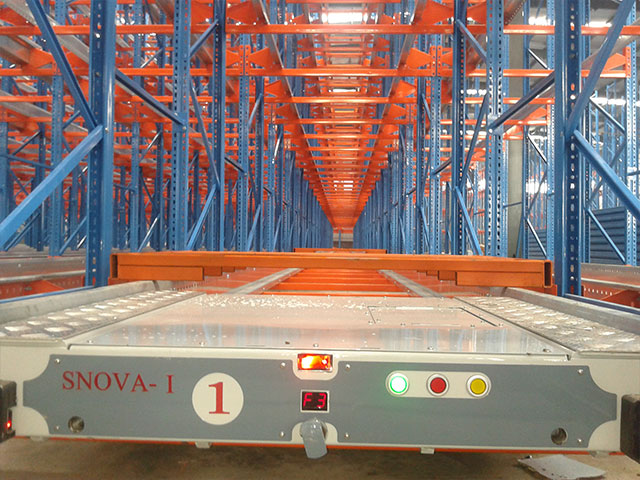
Radio shuttle pallet racking for high-density pallet storage

Radio Shuttle Racking

Choose when density and throughput justify a powered shuttle. Supports deep lanes, reduced forklift travel and higher pallet positions per aisle.

More
Drive-in pallet racking for high-density cold storage and few SKUs

Drive-In Pallet Racking

Useful for very few SKUs with many pallets per lane. Higher density than double-deep, but lower selectivity and stricter forklift access rules.

More
AS/RS automated storage and retrieval system for high-bay pallet warehousing

AS/RS System

For high throughput, high-bay storage and labor-limited operations. Higher capital investment, but predictable retrieval and strong traceability.

More

Recommendation matrix: when double-deep beats other systems

Density vs. selectivity vs. fit for double-deep racking
SystemDensitySelectivityTypical best fitBuyer note
Selective rackingLowHighMany SKUs, fast accessBest baseline; easiest to operate.
Double-deep rackingMedium–highMedium2+ pallets per SKU, LIFO acceptedExcellent cost per extra pallet position.
Push-back rackingHighMediumBetter access with moderate densityMore moving parts; check maintenance plan.
Drive-in rackingVery highLowFew SKUs, many pallets per laneForklifts enter the rack structure.
Radio shuttleVery highMediumDeep lanes, FIFO or LIFOHigher capital cost; powered equipment.
AS/RSVery highHighHigh-bay, 24/7, traceabilityRequires software and automation planning.

Not sure if double-deep is the right density?

Send your building drawing, pallet data and SKU profile. Our engineers will compare double-deep with selective, drive-in, push-back, radio shuttle and AS/RS before you commit.

Get a Quote
Factory Video
Company Advantages

Why Buyers Work With My Favorite Shelf Industrial Co., Ltd.

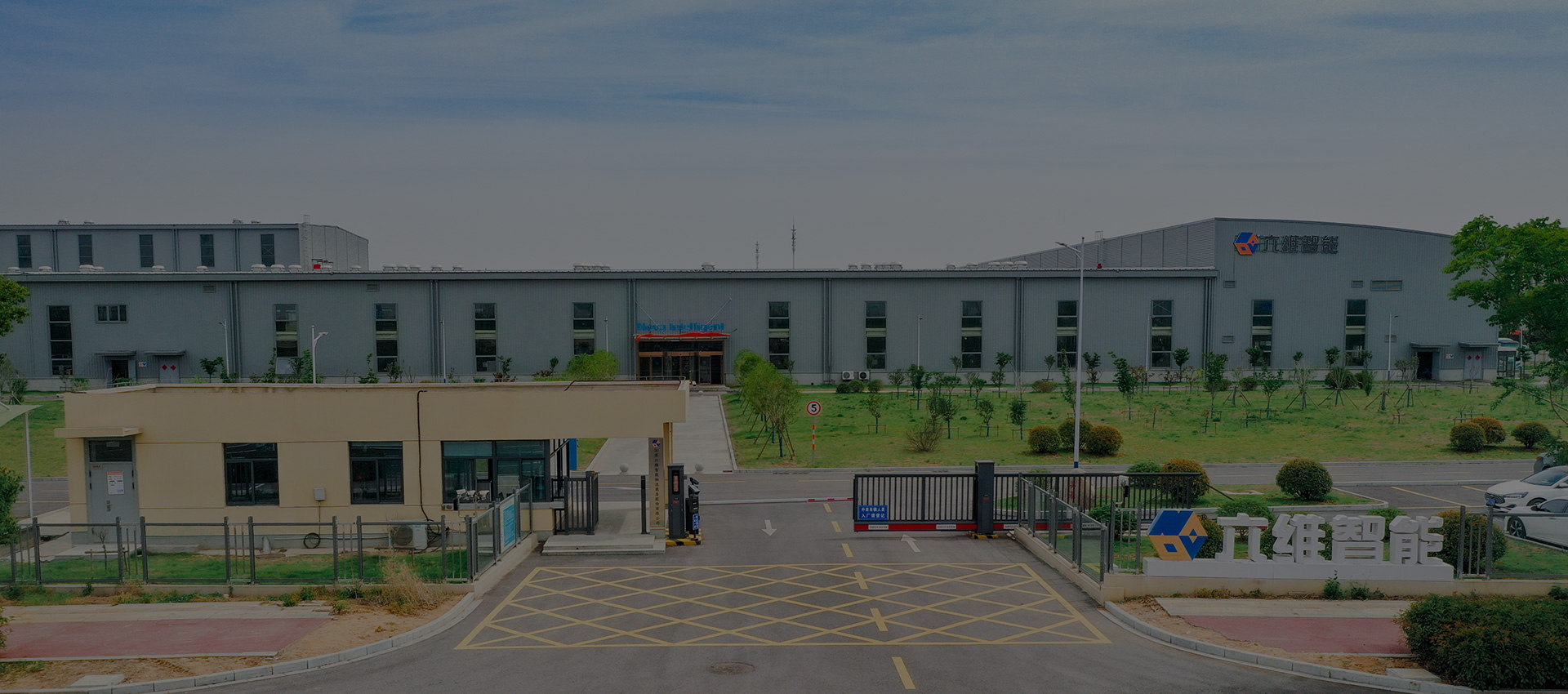
My Favorite Shelf Industrial Co., Ltd. has designed, manufactured and installed warehouse racking and automated storage systems since 1997. Our production base processes around 60,000 tons of steel per year, and our municipal-level R&D center holds more than 70 national patents and software copyrights covering racking, stacker cranes, conveyors, shuttle carriers and warehouse control software.

For double-deep racking projects, this means one manufacturer can coordinate the steel structure, truck interface, safety accessories, export packing and technical documentation. Our team supports global buyers with layout drawings, structural calculations, installation manuals and project communication in English, with Spanish and Portuguese assistance available.

  • In-house racking and automation production
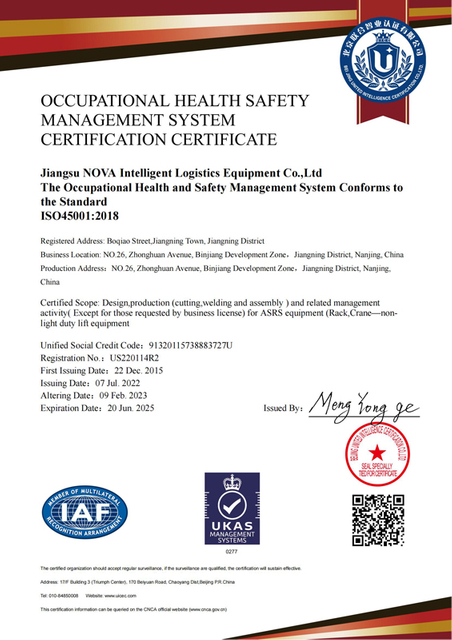
  • ISO 9001, ISO 14001 and ISO 45001 certified
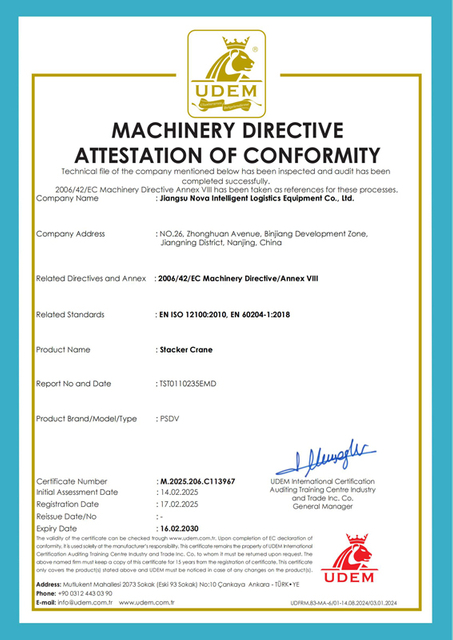
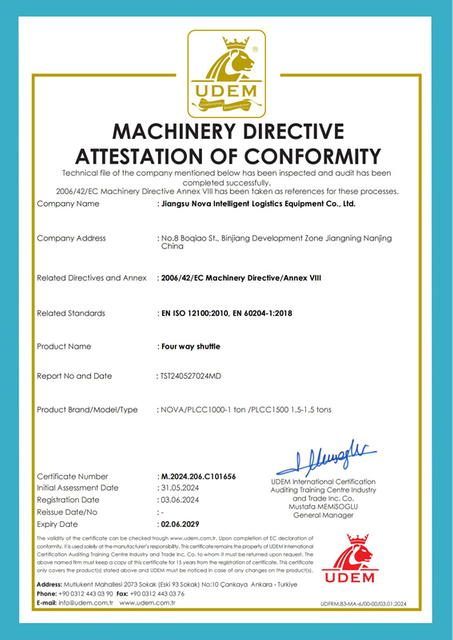
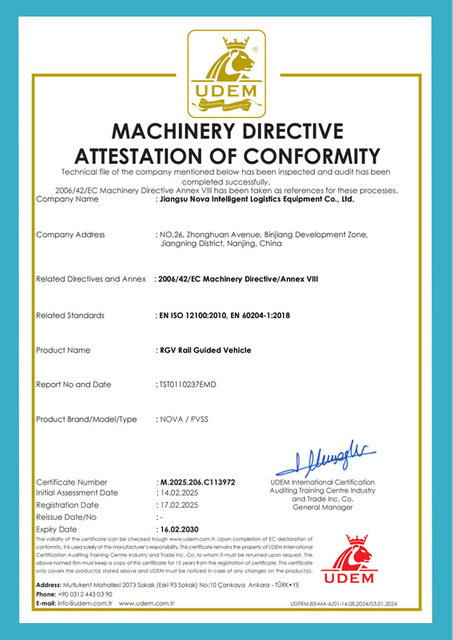
  • CE marked shuttles, stacker cranes and RGVs
  • 8,000+ projects delivered in 140+ countries
More About Us

Company Certificates

Third-party certifications that procurement, engineering and safety teams can verify before purchase.

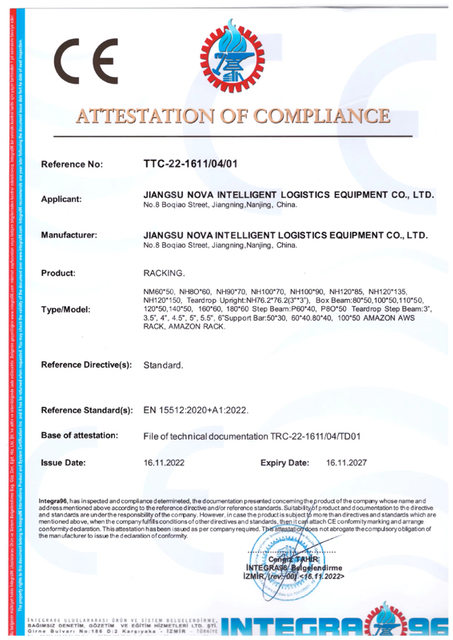
CE certificate for storage racking
CE · Racking
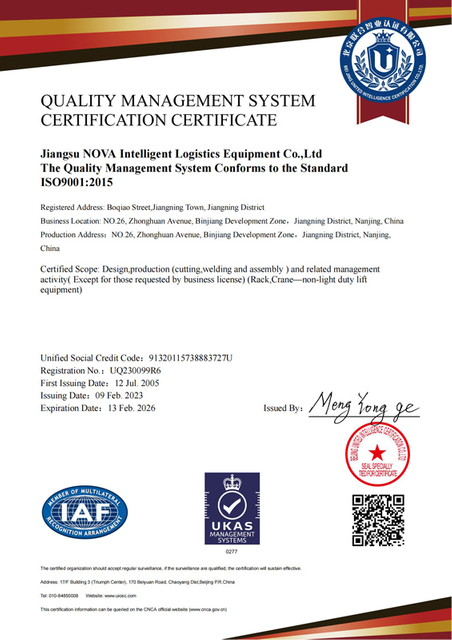
ISO 9001 quality management certificate
ISO 9001
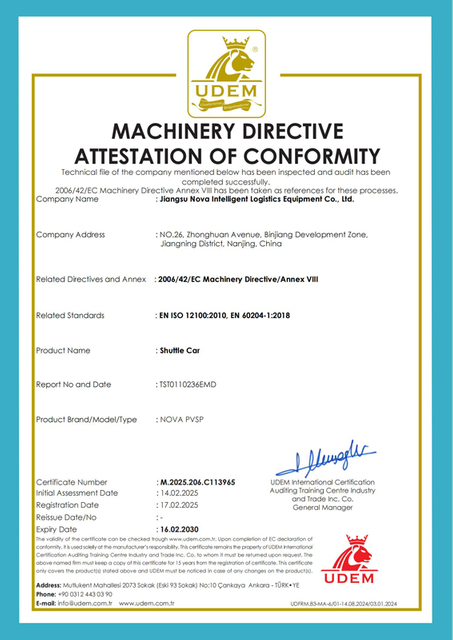
CE certificate for radio shuttle car
CE · Shuttle Car
CE certificate for AS/RS stacker crane
CE · Stacker Crane
CE certificate for four-way shuttle
CE · Four-Way Shuttle
CE certificate for RGV rail guided vehicle
CE · RGV
ISO 45001 occupational health and safety certificate
ISO 45001
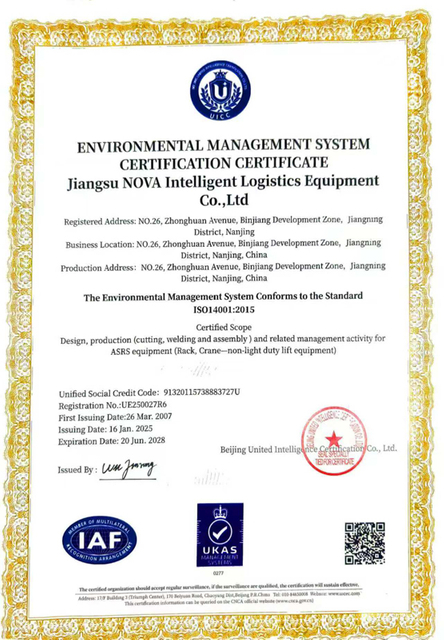
ISO 14001 environmental management certificate
ISO 14001
Why Buyers Choose Us

Our Professional Strength

Experience you can audit: named customers, published certifications and an engineering team led by recognized logistics authors.

Proven With Global Brands

Designated logistics equipment supplier for international enterprises including GE, Siemens, Walmart, Amazon and Toyota. The same project discipline is applied to every distributor, 3PL and manufacturer.

R&D and Innovation

A municipal technical R&D center with 70+ patents on racking, stacker cranes, conveyors, shuttle carriers and warehouse control and management software (WMS/WCS).

Certified Quality Control

Production managed under ISO 9001, ISO 14001, ISO 45001 and ISO 10012 measurement management, with coil traceability, coating-thickness checks and load testing before shipment.

Expert Engineering Team

Led by a professor-level senior engineer and doctoral tutor who co-authored automated warehouse design manuals and logistics distribution center management technology references.

Buyer Questions

Double-Deep Pallet Racking FAQs

Direct answers to the questions global buyers commonly ask AI assistants, engineers and suppliers before purchasing a high-density pallet racking system.

It is usually a strong fit when you have two or more pallets per SKU, compatible reach trucks and a process that can accept LIFO access. It normally provides 30 to 60 percent more pallet positions than selective racking in the same floor area, depending on aisle layout, building height and truck type. It is less suitable for high-SKU selective operations, strict FIFO or very slow-moving inventory.

Gains depend on bay depth, aisle width, rack height and truck type. Projects commonly achieve 30 to 50 percent more pallet positions than single-deep selective racking in the same footprint. With VNA trucks or greater height, cubic utilization can improve further. Exact position counts are calculated from your building drawing and pallet data before quotation.

A reach truck is the most common choice. It needs sufficient reach, lift height and capacity at load center to place and retrieve the rear pallet safely. Articulated forklifts or special deep-reach equipment may be considered for unusual loads. The rack and truck must be specified together because aisle width, rack depth and pallet overhang affect safety.

Standard double-deep racking is LIFO because the rear pallet is blocked by the front pallet. If FIFO is mandatory, options may include push-back, pallet flow, radio shuttle with FIFO capability or selective racking. We help compare inventory control requirements against the value of additional density.

Yes. Our engineers prepare structural and seismic calculations with reference to local requirements such as NCh 2369 in Chile, E.030 in Peru and NSR-10 in Colombia. Reinforced uprights, bracing, base plates, anchors and load limits are specified accordingly. Calculation reports can be delivered with quotation drawings for review by your local engineer or authority.

Double-deep is a middle-density solution with better space use than selective, better selectivity than drive-in and lower capital cost than radio shuttle or AS/RS. It works best for two-deep LIFO storage with reach trucks. Drive-in suits very few SKUs with many pallets per lane; push-back adds moving parts; radio shuttle and AS/RS suit higher throughput or deeper density. We compare total cost per pallet position, truck fleet impact, safety and future automation.

Standard double-deep racking is commonly produced in 25 to 35 days after drawing approval. Ocean freight to South American ports such as Santos, San Antonio, Callao, Buenaventura, Guayaquil or Buenos Aires usually takes about 30 to 45 days depending on vessel schedule and route. Automation or special finishes follow a project schedule agreed at contract stage. We provide commercial invoice, packing list, bill of lading, certificate of origin and test or material reports on request.

Send building length, width, clear height and column grid; pallet dimensions, weight and overhang; SKU profile and pallets per SKU; forklift type and aisle constraints; desired temperature or finish; city and country; and target throughput. A CAD drawing is helpful. We can also start from a sketch and return a preliminary layout, pallet-position count and budget.

For humid or coastal warehouses, we recommend epoxy-polyester powder coating with enhanced pretreatment, or hot-dip galvanized components for high-corrosion or cold-storage environments. Common safety accessories include upright protectors, guide rails, beam safety clips, wire mesh decking, load signage and clearly specified anchor systems. Fire strategy and sprinkler clearance should be reviewed with your local authority.

Yes. My Favorite Shelf Industrial Co., Ltd. supplies layout drawings, structural calculations, installation manuals and optional supervising engineers. We train local installation crews, support commissioning, stock spare parts and offer remote diagnostics for automated equipment. Documentation can be supported in English, with Spanish or Portuguese assistance for project communication.

Trusted By

Our Customers

Benz
Toyota
Amazon
Walmart
Sinopec
Dangdang
JD
VIP.com
Start Your Double-Deep Project

Get a Free Double-Deep Racking Layout Proposal

Send your building drawing or a simple sketch with length, width and clear height. Include pallet size, weight, SKU profile, reach-truck type and city or country. Our engineers will compare double-deep racking with other high-density options and reply with a layout, pallet-position count and system recommendation.

  • Building dimensions and column grid
  • Pallet size, load and overhang
  • SKU profile and pallets per SKU
  • Reach-truck type, lift height and aisle limits
  • City and country for seismic and freight review
Get a Quote

Email Our Double-Deep Racking Team

Replies in English, Spanish or Portuguese within one business day. Send drawings, pallet data and target throughput for a faster engineering review.

Get a Quote
Download Catalog