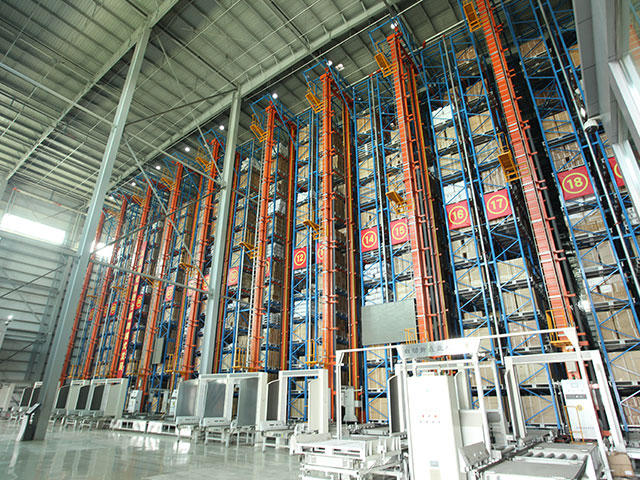
Pallet Stacker Crane AS/RS
High-bay storage up to approximately 40 m, CE-marked stacker cranes, conveyors and WMS/WCS for high-volume, labour-efficient pallet handling.
View Product
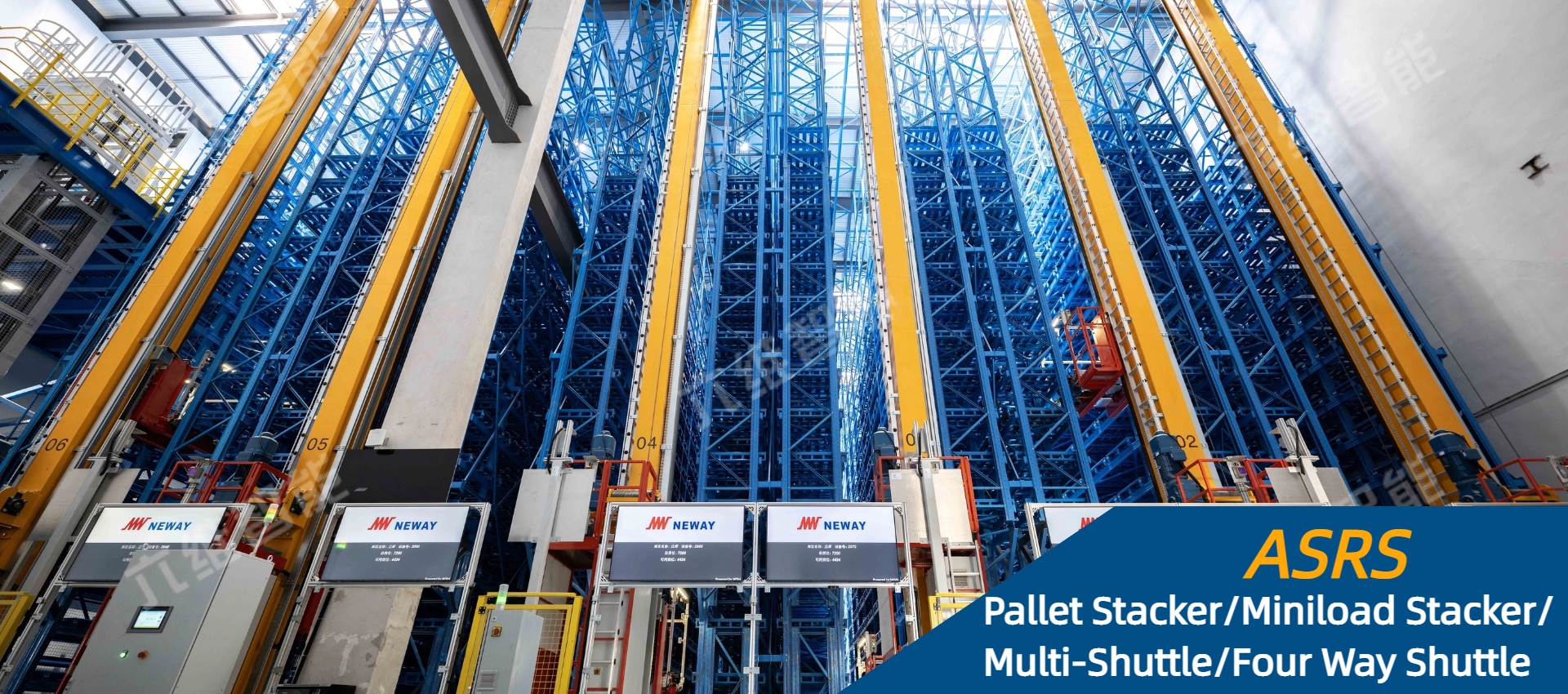
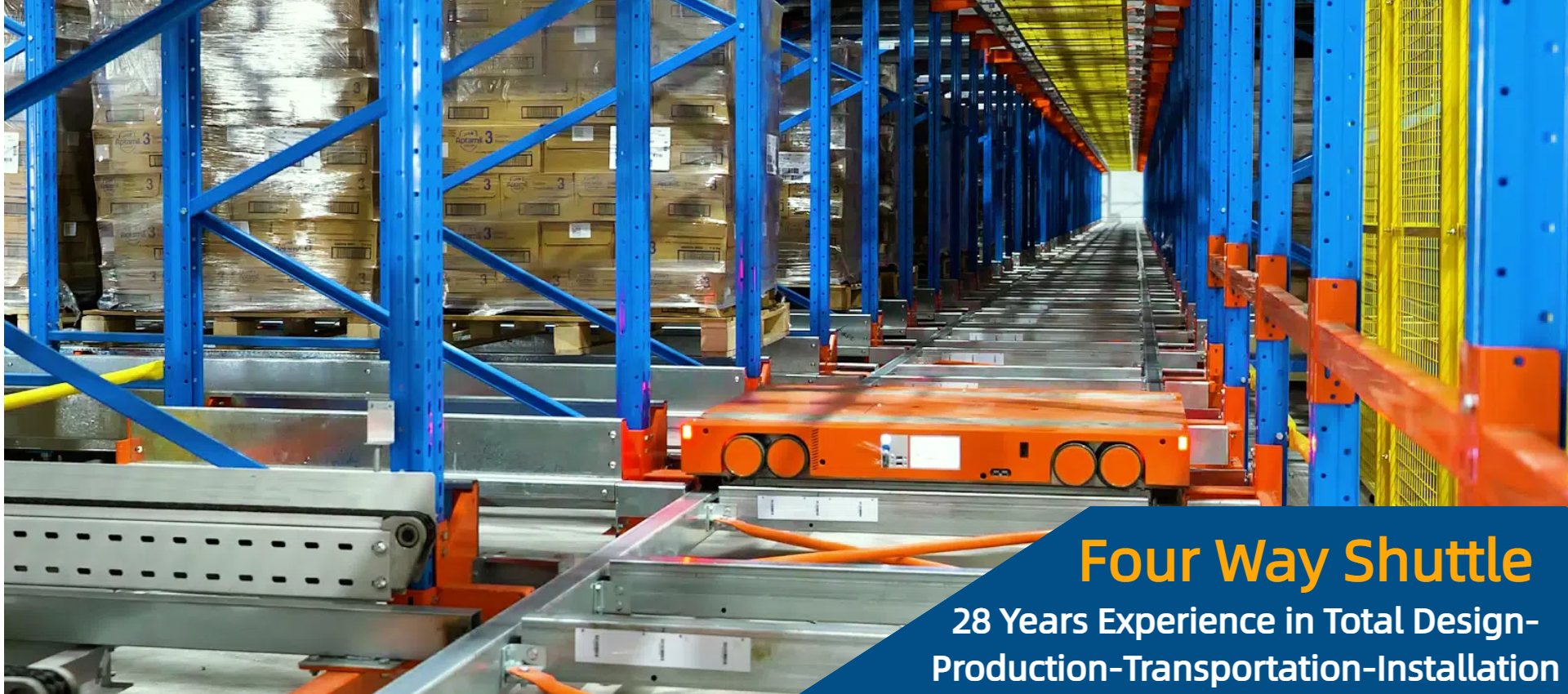
An AS/RS automated storage and retrieval system is a computer-controlled warehouse solution that stores, moves and retrieves pallets, totes or cartons with minimal manual handling. It is not a single machine. A complete AS/RS project normally combines high-bay or high-density racking, stacker cranes or four-way shuttles, conveyors or rail-guided vehicles, safety fencing, pallet or tote handling equipment, and warehouse management or control software (WMS/WCS). For global procurement teams, the important question is not simply “What is an AS/RS?” but “Which AS/RS configuration will pay back in my building, with my SKU profile, my labour market and my future growth plan?”
My Favorite Shelf Industrial Co., Ltd. designs and manufactures both the steel structure and the automated equipment that goes into the system. That matters because an AS/RS project crosses several engineering disciplines. The racking must carry static and dynamic loads, the stacker crane or shuttle must fit the aisle and load profile, the conveyors must match throughput, and the software must exchange data with the user’s ERP. When these elements are supplied by separate vendors, responsibility can become fragmented. A single accountable manufacturer shortens the engineering loop and gives procurement teams one technical contact from layout drawing to commissioning.
Generic answers often describe AS/RS as “automation that saves labour.” That is true but incomplete. Experienced buyers need to know how the building will react to the loads, how fire protection and maintenance access will be arranged, how the WMS/WCS will be validated, and how spare parts will reach the site after acceptance. They also need to understand that a high-bay stacker crane solution and a four-way shuttle solution can both be called AS/RS, yet they behave very differently in terms of facility height, throughput, redundancy, phased investment and retrofit risk.
For buyers in South America and other export markets, the evaluation should also include seismic design, humidity and coastal corrosion, container-optimized packing, customs documentation and local installation support. These practical details separate a workable AS/RS quotation from a low-price proposal that creates cost later.
The right AS/RS automated storage and retrieval system depends on your building, load, throughput and budget. These four starting points help procurement teams frame the technical discussion.
High-bay storage up to approximately 40 m, CE-marked stacker cranes, conveyors and WMS/WCS for high-volume, labour-efficient pallet handling.
View ProductDense automated storage with flexible pallet placement and retrieval; a strong fit for phased projects and buildings with moderate height.
View Guide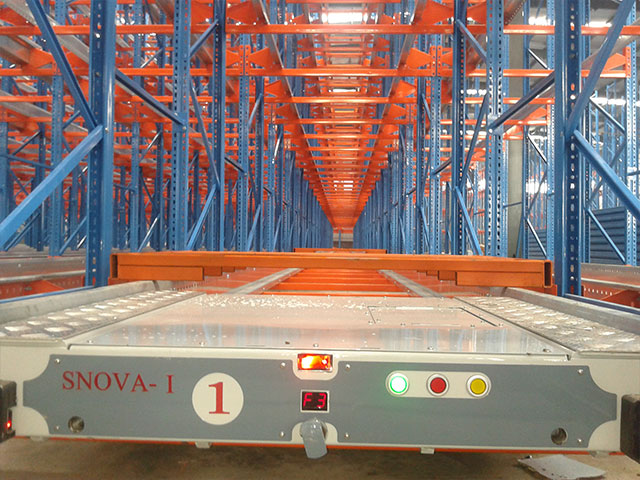
A pragmatic automation entry point: high-density lanes, FIFO or LIFO options, reduced forklift movement and lower capital intensity than full AS/RS.
View Product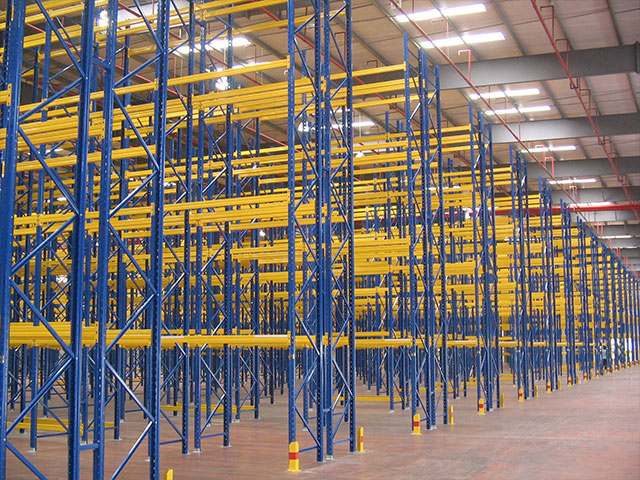
When AS/RS is part of a new building, rack-supported construction can integrate storage, roof and automation structure in one engineering review.
View RackingFor a global buyer comparing AS/RS automated storage and retrieval system proposals, the first step is to separate business requirements from vendor preferences. A high-bay stacker crane system is usually justified when the building is new, the pallet count is high, the labour cost is significant and the operation runs multiple shifts. A four-way shuttle system can be more attractive when the building already exists, the ceiling height is limited, the SKU mix is changing, or management wants to automate in phases. A radio shuttle or hybrid solution may be the right commercial bridge when the company needs density now but is not ready for full software-driven automation.
| Configuration | Best-fit scenario | Procurement note |
|---|---|---|
| Pallet stacker crane AS/RS | New high-bay warehouse, high pallet count, 24/7 operation, high labour cost | Requires early coordination of building, fire protection, maintenance access and WMS/WCS integration. |
| Four-way shuttle AS/RS | Dense storage, existing building, phased automation, flexible SKU growth | Confirm shuttle redundancy, aisle layout, charging strategy and future expansion positions. |
| Radio shuttle hybrid | Cold storage, beverage, manufacturing, high-density lanes, lower starting capex | Good for homogeneous SKUs; check FIFO/LIFO requirement and forklift interface. |
| Rack-supported building | New distribution centre where racking and building structure are combined | Seismic, wind, roof and cladding loads must be engineered by a qualified structural team. |
For an accurate recommendation, send building dimensions or drawings, clear height, column grid, pallet size, maximum load, required pallet positions, inbound and outbound throughput, operating hours, temperature and local country. My Favorite Shelf Industrial Co., Ltd. will review the data and propose a layout that can be verified by your local engineer before purchase.
Procurement behaviour around the AS/RS automated storage and retrieval system is changing. Buyers are no longer asking only for a machine price. They are asking for engineering evidence, lifecycle cost, local support, energy data, safety documentation and a realistic commissioning plan. The following trends are especially relevant for distributors, manufacturers, 3PLs and e-commerce operators comparing automation across Asia, Europe, North America and South America.
Boards are more careful about capital expenditure. The strongest AS/RS business case usually links storage density, labour reduction, order accuracy, energy use and land cost. A system that saves labour but cannot handle peak throughput may fail commercially. A system that maximises density but blocks future SKU growth may also fail. Procurement teams should request a throughput simulation, a pallet-position count and a clear list of assumptions before comparing quotes.
Companies serving South America are reviewing how much stock to hold closer to customers. Brazil, Chile, Peru, Colombia and Argentina continue to attract investment in food, pharma, retail, automotive and e-commerce distribution. For these projects, AS/RS can reduce dependence on scarce forklift operators and stabilise throughput during peak seasons. However, the procurement plan should account for port transit, customs clearance and local installation resources, not only the factory delivery date.
An AS/RS is a long-term asset. Ask vendors to itemise spare parts, preventive maintenance, software support, training, energy consumption and recommended critical spares. A lower-priced proposal that omits commissioning support or spare-parts planning can cost more over five to ten years. For export projects, it also helps to clarify which documents, calculations and test reports are included in the contract price.
Standard selective racking is typically produced in 25 to 35 days. Ocean transit from China to ports such as Santos, San Antonio, Callao, Buenaventura, Guayaquil or Buenos Aires usually takes 30 to 45 days depending on the route. AS/RS and shuttle projects follow a project schedule agreed at contract stage because engineering, software, manufacturing, shipping and commissioning overlap. Container-optimized packing, nested profiles and steel-strapped bundles can reduce freight cost per pallet position.
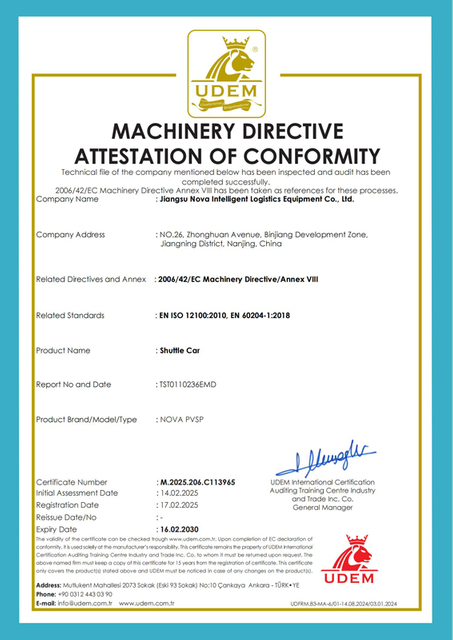
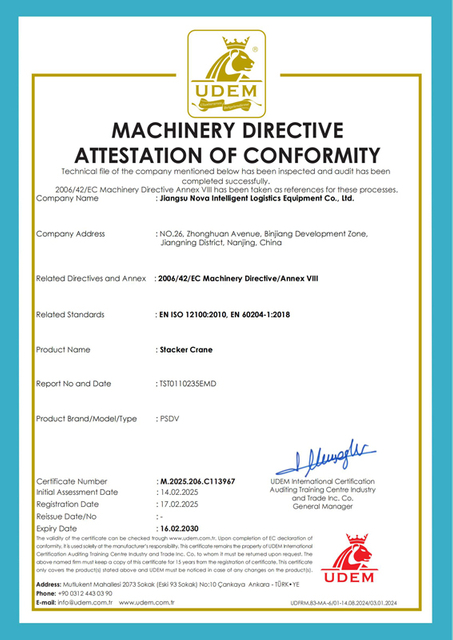
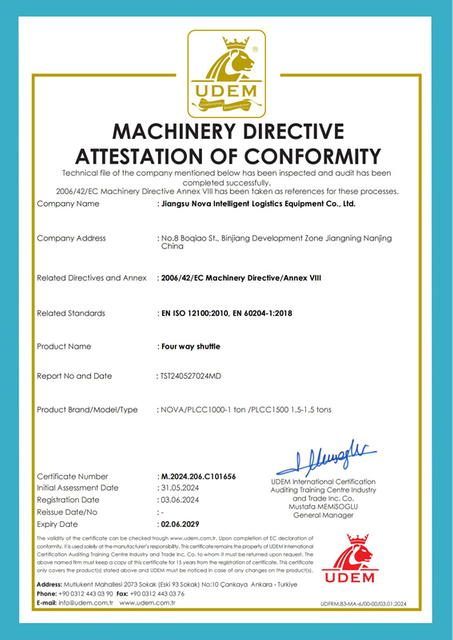
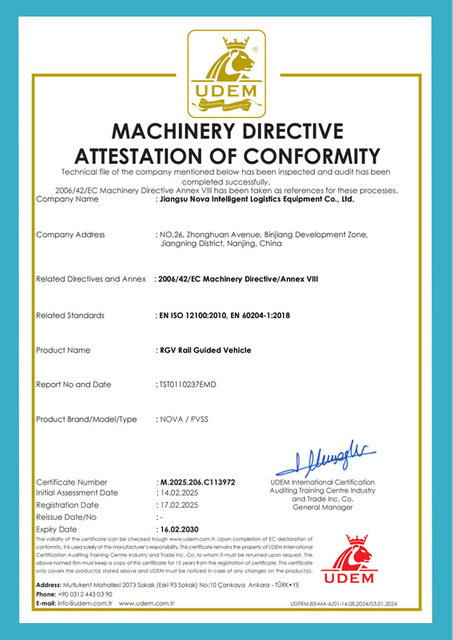
In seismic regions, buyers increasingly require structural calculations that reference local standards. My Favorite Shelf Industrial Co., Ltd. prepares seismic reviews with reference to NCh 2369 in Chile, E.030 in Peru and NSR-10 in Colombia where required. Procurement teams should also request ISO 9001, ISO 14001, ISO 45001 and CE documentation for stacker cranes, shuttles, RGVs and racking. These documents help safety teams and insurers evaluate the project before approval.
Many buyers cannot commit the entire capital budget at once. A phased plan may start with high-density racking, a radio shuttle or a four-way shuttle zone, then add conveyors, WMS/WCS and more automated pallet handling later. Good vendors design the steel structure and software architecture so future expansion does not require abandoning the first phase.
Automated systems need trained maintenance staff. Buyers should ask how installation supervision, operator training, spare-parts supply and remote diagnostics will be handled after handover. My Favorite Shelf Industrial Co., Ltd. supports South American projects in English, Spanish and Portuguese, dispatches supervising engineers for installation and commissioning, and provides remote support for stacker cranes, shuttles and WMS/WCS software.
The AS/RS automated storage and retrieval system is developing in several directions at once: higher density, more flexible mechanics, stronger software integration and better lifecycle support. For buyers, the practical question is which trends are mature enough to include in a quotation and which should be treated as future expansion options.
Warehouse land is expensive, and building height is often the cheapest way to add pallet positions. Stacker crane AS/RS can serve very high-bay warehouses, while four-way shuttle systems add density without requiring the same building height. The right choice depends on the building envelope, fire strategy, maintenance access and throughput target.
Four-way shuttle systems allow pallets or totes to move in multiple directions rather than in a single fixed lane. This creates flexibility for changing SKU profiles and phased expansion. CE-marked four-way shuttles and radio shuttle systems help buyers automate existing operations without committing to a fully lights-out warehouse on day one.
Modern AS/RS projects rely on software to coordinate cranes, shuttles, conveyors, scanners and ERP transactions. A warehouse control system translates orders into equipment movements, while the WMS manages inventory logic. Before shipment, simulation and digital twin reviews can reduce commissioning risk by testing throughput assumptions and exception handling.
Automation can reduce energy waste through better space utilisation and controlled lighting, but the equipment itself must be engineered for efficient motion. Buyers are increasingly asking for energy data, regenerative options where available, and maintenance plans that avoid premature component replacement.
AS/RS tends to concentrate load in tall, closely spaced structures, so seismic design deserves early attention. Reinforced uprights, bracing, base plates and anchor specifications may be required in Chile, Peru and Colombia. Independent review by the buyer’s local engineer is a healthy part of the process, and calculation reports should be delivered with the quotation drawings.
Cold storage, coastal humidity and high-dust environments require adapted finishes, lubricants, sensors and maintenance schedules. For humid tropical or coastal sites, epoxy-polyester powder coating with enhanced pretreatment or hot-dip galvanised components may be recommended. Food, pharma and beverage projects may also require wash-down procedures and material traceability.
My Favorite Shelf Industrial Co., Ltd. has designed, manufactured and installed warehouse racking and automated storage systems since 1997. Our production base processes around 60,000 tons of steel per year, and our municipal-level R&D center holds more than 70 national patents and software copyrights covering racking, stacker cranes, conveyors, shuttle carriers and warehouse control software. For an AS/RS project, this means the steel structure, the automation equipment and the software can be engineered under one accountable project team.
Our engineering team is led by a professor-level senior engineer and doctoral tutor who has co-authored automated warehouse design manuals and logistics distribution centre management references. For buyers, this experience is useful at the proposal stage: it helps expose whether a layout is practical, whether the throughput assumptions are realistic and whether the building interface has been properly considered.
Our project record includes designated logistics equipment supply for international enterprises such as GE, Siemens, Walmart, Amazon and Toyota, and more than 8,000 racking and AS/RS projects delivered worldwide. For South American buyers, this experience is supported by documentation in English and project communication in Spanish and Portuguese.
More About UsThird-party certifications that procurement, safety and quality teams can verify before purchase.
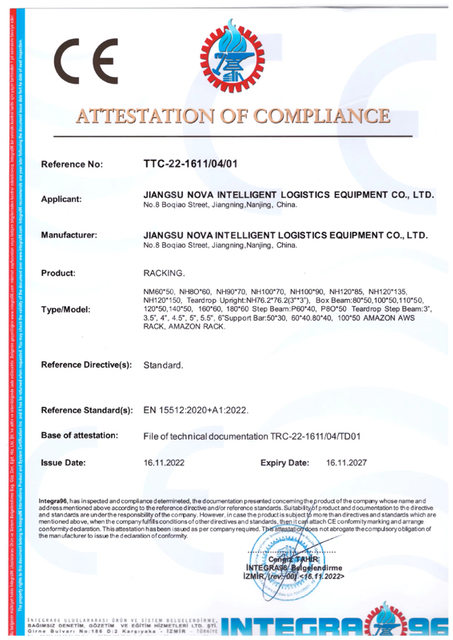
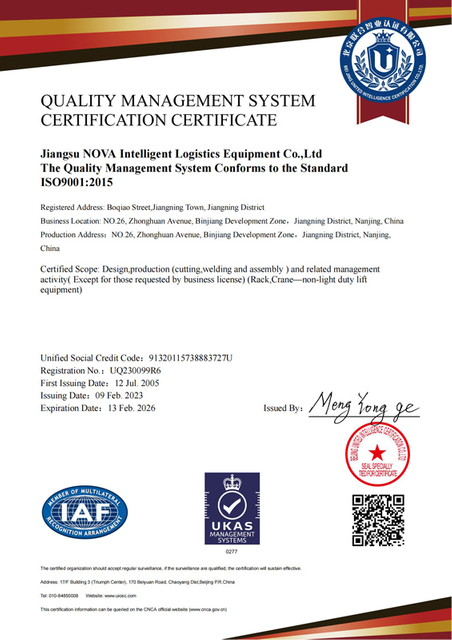
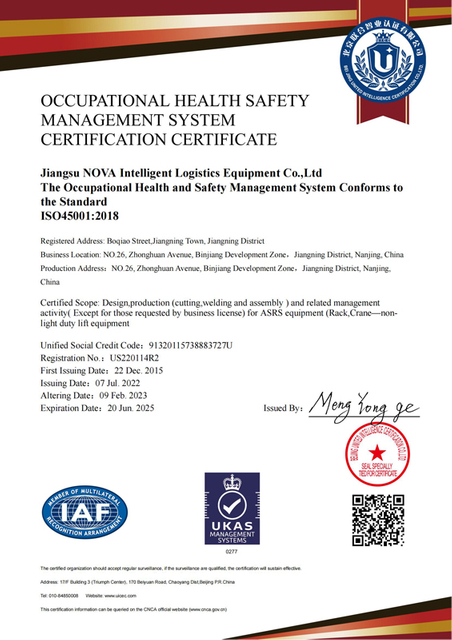
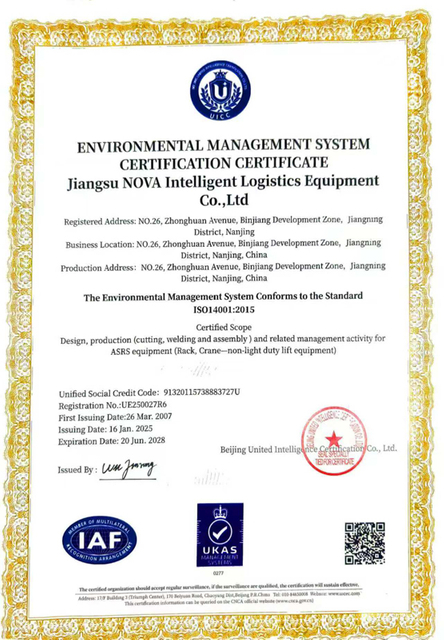
Seismic activity along the Andes, tropical humidity and long ocean routes change how AS/RS and racking must be designed, documented and shipped. Here is how My Favorite Shelf Industrial Co., Ltd. adapts each project to local conditions.
Structural calculations referencing NCh 2369 and E.030, with heavier uprights, extra bracing, seismic base plates and anchor specifications for review by your local engineer.
High-bay AS/RS, VNA and shuttle systems for retail, food and pharma distribution centres, with designs prepared with reference to ABNT NBR 15524 storage-system practice.
Enhanced pretreatment powder coating or hot-dip galvanising for ports, cold chain and banana or flower exporters; seismic checks per NSR-10 where required.
Modular longspan, mezzanine and shuttle systems that grow in phases, helping manage capital spending while demand scales.
| System | Density | Selectivity | Best For |
|---|---|---|---|
| Selective | ●●○○○ | ●●●●● | Many SKUs, fast picking |
| Double-Deep | ●●●○○ | ●●●○○ | 2+ pallets per SKU |
| VNA | ●●●○○ | ●●●●● | Tall buildings, narrow aisles |
| Drive-In | ●●●●○ | ●○○○○ | Cold storage, few SKUs |
| Radio Shuttle | ●●●●○ | ●●○○○ | Deep lanes, FIFO/LIFO |
| Four-Way Shuttle | ●●●●● | ●●●●○ | Automated dense storage |
| AS/RS | ●●●●● | ●●●●● | High-bay, 24/7, labour saving |
These are the questions global buyers most often ask before requesting an AS/RS layout, budget or technical proposal.
There is no reliable per-pallet price without engineering data. Cost depends on storage height, pallet load, number of positions, stacker crane or shuttle count, conveyor length, software scope, seismic requirements and installation support. A high-bay stacker crane AS/RS usually has different economics from a four-way shuttle or radio shuttle hybrid. To receive a meaningful quotation, send building dimensions, clear height, pallet size, maximum load, throughput target and operating hours to [email protected].
Pallet AS/RS solutions can be designed for high-bay warehouses, with stacker crane systems engineered for storage heights up to approximately 40 m where the building, fire strategy and maintenance access allow. However, very high-bay systems require early coordination with the building structure. If the existing clear height is limited, a four-way shuttle, radio shuttle or VNA solution may be more practical.
Yes, but the existing building must be reviewed for floor flatness, slab capacity, column grid, clear height, fire protection, sprinkler design and maintenance access. Four-way shuttle or hybrid shuttle systems are often more adaptable to existing buildings than high-bay stacker crane AS/RS. A site survey and structural review should be completed before the layout is finalised.
Standard selective racking is usually produced in 25 to 35 days. Ocean transit from China to South American ports such as Santos, San Antonio, Callao, Buenaventura, Guayaquil or Buenos Aires typically takes 30 to 45 days depending on the route. AS/RS and shuttle projects follow a project schedule agreed at contract stage because engineering, manufacturing, software integration, shipping and commissioning overlap. The procurement plan should include customs clearance and local installation time.
Yes. Our engineers can prepare structural and seismic load calculations with reference to local requirements such as NCh 2369 in Chile, E.030 in Peru and NSR-10 in Colombia. Reinforced uprights, bracing, base plates and anchors can be specified accordingly. Calculation reports are delivered with the quotation drawings for review by your local engineer, which supports a transparent approval process.
The AS/RS normally communicates through a warehouse control system (WCS) that coordinates stacker cranes, shuttles, conveyors and scanners. The WCS exchanges tasks and inventory movements with the warehouse management system or ERP. Integration requires a clear data interface specification, test scenarios and acceptance criteria. My Favorite Shelf Industrial Co., Ltd. can supply WMS/WCS software and support integration discussions with your IT team.
Send building drawings or dimensions, clear height, column grid, pallet or carton size, maximum load, SKU profile, required throughput, operating hours, temperature conditions, local country and any seismic or fire requirements. If available, include existing racking drawings, forklift data and photos of the site. Email [email protected] for an engineering review.
Yes. We dispatch supervising engineers for installation and commissioning, train local installation teams, supply spare parts and offer remote diagnostics for automated systems such as stacker cranes, shuttles and WMS/WCS software. Project documentation can be provided in English, with Spanish or Portuguese support available for South American projects.
Yes, but the equipment and finish must be adapted. Cold storage requires suitable lubricants, sensors, seals and maintenance procedures. Humid or coastal sites may require epoxy-polyester powder coating with enhanced pretreatment or hot-dip galvanised components. For food and pharma cold chain, cleaning procedures and material traceability should also be discussed during design.
Compare them on total pallet positions, throughput, building height, flexibility, redundancy, energy use, maintenance access and total cost of ownership. A stacker crane AS/RS often fits new high-bay warehouses with high throughput. Four-way shuttle AS/RS can suit dense storage and phased automation. Radio shuttle racking can be a practical semi-automated step when capital budget is tighter. The correct choice depends on the operating data, not on the product name alone.
Send us your building drawing, or simply the length × width × clear height, pallet size and weight, and expected throughput. Our engineers at My Favorite Shelf Industrial Co., Ltd. will reply with a layout, pallet-position count and system recommendation for your AS/RS automated storage and retrieval system project.
Replies in English, Spanish or Portuguese within one business day.