8 CE-Certified Warehouse Racking Beam Systems for Factories & Wholesalers
These eight systems cover the practical core of a warehouse racking programme: selective pallet access, high-density storage, long-span picking, heavy industrial loads and special tyre or stacking applications. Each product link is preserved from the original catalogue so buyers can review the exact specification before requesting a beam load calculation, layout drawing or wholesale quotation.
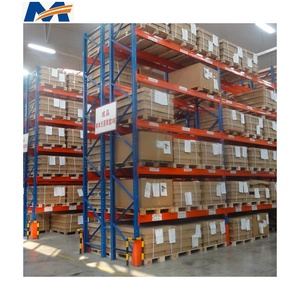
Pallet Racking System Warehouse Shelves Heavy Duty, Warehouse Picking Shelves Rack
Heavy-duty selective racking for high-SKU warehouses. Request beam capacity against your actual pallet weight, decking type and aisle geometry.
View product details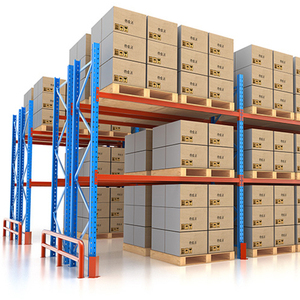
Selective Heavy Duty Warehouse Storage Rack Shelving System Pallet Racking
Direct access to every pallet with a selective beam-and-frame layout. Ideal for distributors that cannot trade selectivity for density.
View product details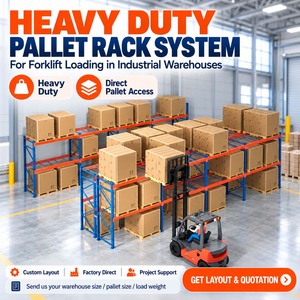
Heavy Duty Pallet Rack System for Forklift Loading in Industrial Warehouses
Forklift-loaded industrial pallet racking. Confirm beam deflection limits, forklift clearances and impact protection before approval.
View product details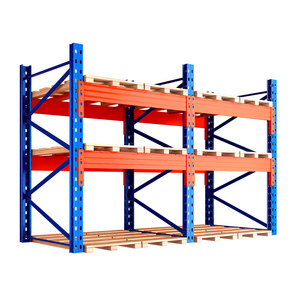
Heavy Duty Industrial Storage Shelves system Metal Rack Stacking Units Warehouse Steel Industrial Pallet Racking
Industrial steel storage for mixed pallet and heavy-part inventories. A practical base module for phased wholesale racking programmes.
View product details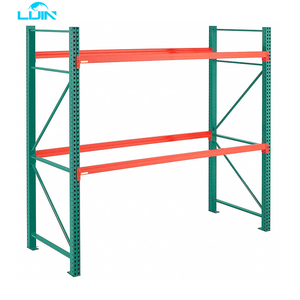
Long Span Adjustable Heavy Weight Warehouse Storage Pallet Shelves System Tear Drop Rack for Industrial
Adjustable long-span racking for cartons, spare parts and hand-loaded picking where a full pallet rack is too coarse.
View product details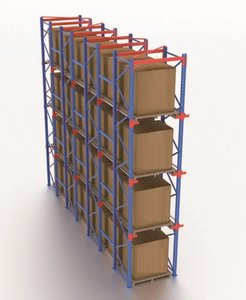
High Density Commercial Shelves Storage Warehouse Racking Systems Drive-In Pallet Rack for Industrial Factory Racks
Drive-in racking for homogeneous, slow-to-medium movers. Great for cold chain and beverage storage where cube use matters more than selectivity.
View product details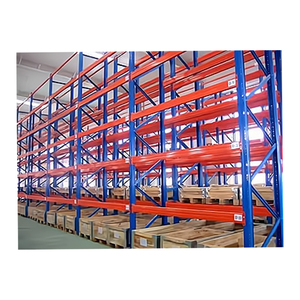
Hot Selling Heavy Duty Rack High Capacity Metal Steel Racks Heavy Duty Racking Warehouse Storage Rack
High-capacity steel racking for machinery, auto parts and dense industrial loads. Ask for mill certificates, coating data and calibrated load tests.
View product details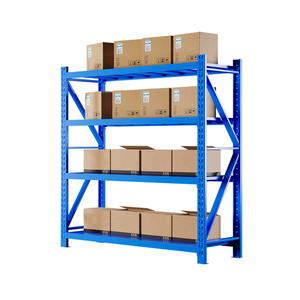
Industrial Warehouse Storage 5-Layer Pallet Racking System with Tire Rack Slotted Angle Rack Stacking Racks & Shelves
Special multi-layer system for tyres, bulky goods and mixed loads. Useful when a standard pallet beam configuration does not match the load.
View product detailsWhat Serious Buyers Audit in a Racking Factory or Wholesaler
CE marking is a starting point, not a due-diligence finish line. The stronger question is whether the supplier can connect steel traceability, beam load calculations, seismic assumptions, packing method and after-sales support to the exact project you are buying.
28+ Years of Warehouse Project Experience
My Favorite Shelf has designed, manufactured and installed racking and automated storage systems since 1997. With 8,000+ projects in 140+ countries and references across international brands, the factory is used to documentation standards that distributors, 3PLs and procurement teams can review.
In-House Steel and Coating Control
Production capacity of around 60,000 tons of steel per year, with in-house cold-rolling and powder-coating lines. Buyers can ask for coil traceability, coating-thickness checks and pre-shipment load testing rather than relying only on a catalogue capacity table.
Certification Scope You Can Verify
ISO 9001, ISO 14001, ISO 45001 and ISO 10012 management systems support production control. CE certification evidence is available for racking and automated equipment such as shuttle cars, stacker cranes, four-way shuttles and RGVs. Always verify the certificate scope, issuing body and expiry date.
Engineering Depth Beyond Beam Catalogues
A municipal-level R&D centre holds 70+ national patents and software rights covering racking, stacker cranes, conveyors, shuttle carriers and WMS/WCS software. The engineering team includes a professor-level senior engineer, which matters when load assumptions and local code reviews become project-critical.
Seismic and Corrosion Adaptation
For Chile, Peru and Colombia, calculations can reference local seismic requirements such as NCh 2369, E.030 and NSR-10. For humid ports and cold stores, enhanced pretreatment powder coating or hot-dip galvanized components can be specified. South American projects can also be reviewed with reference to ABNT NBR 15524 practice where applicable.
Export Packing, Installation and After-Sales
Port-optimized packing, export documentation, Spanish or Portuguese project support, supervising engineers for installation and remote diagnostics for automated equipment are practical advantages. Ask for the customs-ready document list and the spare-parts plan before the order is released.
Documentation That Supports E-E-A-T and Procurement Review
Request certificate numbers, product scope and the link between the certificate and the exact beam, frame, shuttle or stacker-crane model being quoted. The images below are examples of factory certificate evidence; final documents should be supplied with the quotation package.
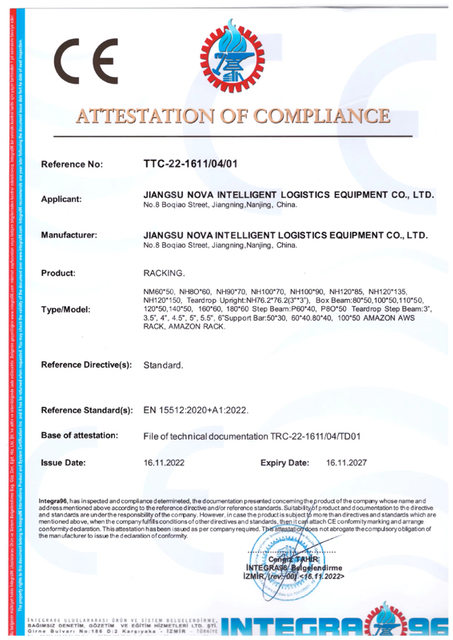
CE · Racking
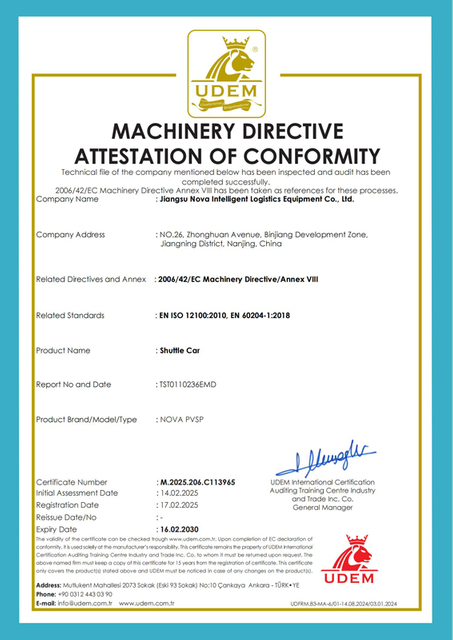
CE · Shuttle Car
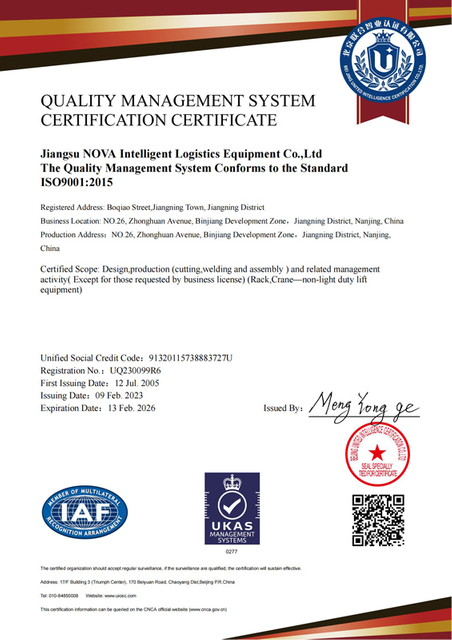
ISO 9001
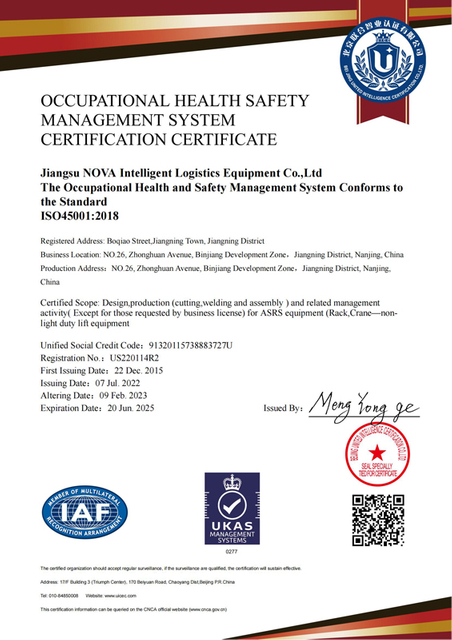
ISO 45001
Match the Beam System to the Operating Reality
The best CE-certified racking beam is not the one with the lowest price per kilogram. It is the one whose load table, frame depth, beam connector, decking and handling interface fit your pallets, throughput and safety routine. Use the recommendations below as a specification starting point.
Selective Pallet Racking for High SKU Counts
For 3PLs, e-commerce, spare-parts and distribution centres with many SKUs, selective racking gives direct access to every pallet. It is usually the safest first investment when demand is variable. Ask for beam capacity at your actual span, not a generic bay width.
Drive-In or Radio Shuttle for Dense Inventory
When the inventory is homogeneous and cube efficiency matters, drive-in or shuttle-style storage can reduce aisle waste. This suits cold-chain, beverage and seasonal stock, but the trade-off is lower selectivity and stricter forklift discipline. Confirm the operating procedure before ordering.
Long-Span and Specialty Racking for Mixed Loads
Cartons, tyres, long parts and bulky goods often need long-span or special racking rather than standard pallet beams. The 5-layer tyre and slotted-angle system shown above is an example of matching the rack type to the load shape instead of forcing a pallet-only design.
High-Capacity Heavy-Duty Racking for Industrial Loads
Machinery, steel, auto parts and dense industrial goods need verified beam sections, frame capacity and impact protection. Request project-specific load calculations, mill certificates and pre-shipment inspection records before approving a wholesale order.
Future Procurement Trends for CE-Certified Racking Beams
Procurement is moving from item-level price comparison to lifecycle evidence. For racking beams, that means steel traceability, load calculations, safety inspection routines, spare-parts availability and digital documentation that can be handed to a local engineer.
Total Cost of Ownership Replaces “Price per Tonne”
Buyers increasingly compare installation time, repair cost, spare-parts lead time, coating durability and inspection burden. A slightly higher factory-direct price can be cheaper over ten years if the beam connector, frame bracing and documentation reduce downtime and rework.
Digital Compliance Packs Become Standard
Expect more requests for CE declaration scope, EN 15512-informed beam calculations, mill certificates, powder-coating reports, packing lists and bilingual installation manuals. For automated systems, WMS/WCS integration documents and remote-diagnostics access are becoming part of the procurement file.
Resilient Shipping and Regional Stock Planning
Wholesalers serving Brazil, Chile, Peru, Colombia, Argentina and Ecuador are planning around port congestion, customs clearance and installation windows. Container-optimized packing, phased shipments and spare-parts buffers help protect project schedules when ocean transit stretches beyond 30–45 days.
ESG, Safety and Automation Literacy
Warehouse operators want less forklift interaction, safer pallet handling and better use of existing buildings. High-density shuttle systems, mezzanine platforms and rack-supported designs reduce building expansion, while documented inspections and operator training support long-term safety culture.
What the Next Generation of Racking Beams Will Include
Beam design is becoming more integrated with automation, seismic engineering and digital maintenance. The most useful innovations are not cosmetic; they reduce installation risk, improve load visibility and make inspection easier.
High-Density Automation Without Full AS/RS
Radio shuttles, four-way shuttles and semi-automated dense storage allow warehouses to increase pallet positions without a full stacker-crane building. The next step is tighter integration with WMS/WCS, sensors and operator dashboards.
Seismic-First Beam and Frame Design
In earthquake-prone regions, beam-to-frame connections, upright reinforcement, bracing, base plates and anchor design are being reviewed together. Buyers should expect project-specific calculations, not a generic “seismic kit” claim.
Corrosion-Resistant and Cold-Store Finishes
Enhanced pretreatment powder coating, hot-dip galvanizing and moisture-resistant detailing are becoming more common for coastal ports, cold rooms and humid tropical warehouses. Finish choice should be linked to the site environment and maintenance plan.
Digital Twins and Condition Monitoring
Racking layouts are increasingly modelled before shipment, then linked to QR-coded inspection points, spare-parts lists and maintenance schedules. This improves handover quality and helps safety teams track damage, beam deflection and repair history.
Which Warehouse Racking Beam System Fits Your Project?
Use this table as a first filter, then request a layout and beam load calculation based on your pallet size, weight, handling equipment and building constraints.
| System | Selectivity | Storage Density | Best-Fit Load Profile | Procurement Check |
|---|---|---|---|---|
| Selective Pallet Racking | Very high | Moderate | Many SKUs, fast access, mixed pallet weights | Beam capacity at actual span; frame depth; impact protection |
| Drive-In Racking | Low | High | Homogeneous slow-to-medium movers; cold chain; beverage | Lane depth; forklift type; FIFO/LIFO discipline; safety procedure |
| Long-Span Shelving | High | Medium | Cartons, spare parts, hand-loaded picking, small parts | Decking type; shelf load; beam adjustment; picking aisle width |
| Heavy-Duty Industrial Racking | High | Moderate | Machinery, auto parts, steel, dense industrial loads | Mill certificates; calibrated load tests; coating; anchor design |
| 5-Layer / Specialty Racking | Medium | Medium to high | Tyres, bulky goods, mixed stacking, special load shapes | Load shape; stacking sequence; local building height; access method |
| Forklift-Loaded Pallet Racking | High | Moderate | Industrial warehouses with forklift loading and palletised goods | Aisle width; lift height; beam deflection; floor tolerance |
Frequently Asked Questions About CE-Certified Racking Beams
These are the questions that repeatedly appear in factory audits, wholesaler comparisons and project handovers. They are written for buyers who need to verify claims rather than simply collect catalogues.
What does CE certification for warehouse racking beams actually cover?
The scope depends on the certificate. It may cover racking components, shuttle cars, stacker cranes, RGVs or complete automated equipment. Ask for the certificate number, issuing body, product scope and expiry date, and check whether the quoted beam or frame is included. CE evidence should be read together with EN 15512-informed structural calculations, EN 15620 tolerances and EN 15635 operational and maintenance guidance where applicable.
How can I verify a factory before placing a wholesale order?
Request the business licence, factory video or live audit, production-line evidence, certificate numbers, material certificates, recent export references and a pre-shipment inspection plan. For racking beams, ask for the steel grade, section drawing, beam-to-frame connector details and load test method. Do not accept a generic “CE certified” statement without linking it to the exact model being purchased.
How is beam load capacity calculated for warehouse racking?
Capacity depends on beam section, steel grade, span, end connector, decking, load pattern and deflection limits. A beam that is safe at one bay width may be unsuitable at another. Procurement teams should request a project-specific load calculation using the actual pallet weight, beam span and frame geometry, not only a catalogue table.
Are racking beams from different manufacturers interchangeable?
Usually no. Step profiles, locking devices, frame tolerances and beam connector geometry can differ even when the dimensions look similar. Mixing brands can void the stated capacity and create a safety risk. Ask for a written compatibility statement if existing racks must be extended or reused.
Which documents should accompany a CE-certified racking shipment?
A typical package includes the commercial invoice, packing list, bill of lading, certificate of origin, CE certificate or declaration scope, material and test reports, layout drawings, beam load calculations, installation manual and operation/maintenance guide. Spanish or Portuguese project support is useful for South American end users and local engineers.
What changes for seismic zones in Chile, Peru and Colombia?
Seismic design is not a single accessory. It affects upright reinforcement, bracing, base plates, anchors and the way the racking interacts with the building. Calculations can reference local requirements such as NCh 2369 in Chile, E.030 in Peru and NSR-10 in Colombia. The final design should be reviewed by a local engineer before installation.
What lead times and shipping should wholesalers plan for?
Standard selective racking is often produced in about 25–35 days, followed by ocean transit of roughly 30–45 days to ports such as Santos, San Antonio, Callao, Buenaventura, Guayaquil or Buenos Aires. Add time for customs clearance, inland transport and installation. AS/RS and shuttle projects require a project schedule agreed at contract stage.
How can I reduce total cost without compromising beam safety?
Optimize bay widths, pallet patterns and frame depths before ordering. Use selective racking for fast movers, drive-in or shuttle storage for suitable dense inventories, and phased expansion where demand is uncertain. Compare total cost of ownership: beam price, installation, spare parts, inspection, repair and downtime all matter more than the lowest price per kilogram.
Request a Factory-Direct Layout, Beam Load Calculation and Wholesale Quotation
Send the building dimensions, pallet or carton size, maximum load per unit, forklift type, SKU velocity and destination port. A complete brief helps the factory recommend the right CE-certified racking beam system, prepare a pallet-position count and reduce costly assumptions before quotation.
Send an InquiryFactory-direct racking, AS/RS and mezzanine systems · ISO/CE documented · English, Spanish and Portuguese project support