CE Certified Warehouse Storage Racks Factories & Factory: What Serious Buyers Evaluate
Searching for a CE certified warehouse storage racks factory is easy. Finding a factory that can prove compliance, calculate site-specific loads and support installation is harder. The difference matters because a pallet rack is a structural product, not a piece of furniture.
Warehouse racking carries dynamic loads, resists forklift impact, interacts with sprinkler systems and must remain stable for decades. Procurement teams therefore need more than a price per kilogram; they need an evidence trail that connects steel grade, section design, welding, coating, load testing and installation guidance. This guide explains how to read that evidence and how to compare factory-direct offers with trader quotes.
My Favorite Shelf Industrial Co., Ltd. is a Nanjing-based manufacturer that has designed, manufactured and installed warehouse racking and automated storage systems since 1997. Its production base processes around 60,000 tons of steel per year, and its municipal-level R&D center holds more than 70 national patents and software copyrights. The company has delivered more than 8,000 projects in over 140 countries and supplies racking, stacker cranes, shuttle cars and RGVs with CE documentation, supported by ISO 9001, ISO 14001 and ISO 45001 management systems. For buyers in South America, Europe, the Middle East and Asia, this combination of manufacturing scale and engineering documentation reduces the risk of a low-cost rack that cannot pass local review.
The most useful insight for 2025 is that CE certification is not a decorative logo. It is a documentation and control process. A credible factory will explain which standards apply, provide load calculations and test reports, identify the heaviest pallet and dynamic load, and state how the rack will be anchored. It will also separate the CE scope of automated equipment from the local structural review of the complete installation. That level of transparency is what separates a genuine CE certified warehouse storage racks factory from a supplier that merely repeats the phrase in a catalogue.
What CE Certification Really Means for Warehouse Storage Racks
CE marking is a declaration that a product meets applicable European harmonised requirements. For racking systems, the useful evidence is not a single image of a certificate; it is the complete technical file behind the product.
For automated storage equipment such as stacker cranes, shuttle cars and RGVs, the relevant framework usually includes the Machinery Directive 2006/42/EC and applicable EMC requirements. For racking components and systems, buyers should look for design and test documentation aligned with standards such as EN 15512 for steel static racking, EN 15620 for tolerances, EN 15635 for application and maintenance, and EN 15878 for adjustable pallet racking. The exact scope should be stated in the technical file and quotation.
A serious factory will not claim that CE marking replaces local building approval. Seismic design, fire engineering, floor slab capacity and anchor design are project-specific. In Chile, Peru and Colombia, for example, racking should be reviewed with reference to NCh 2369, E.030 and NSR-10 respectively, while Brazilian projects often refer to ABNT NBR 15524. The best factory supports this review with reinforced uprights, bracing, base plates, anchor specifications and calculation reports that the local engineer can verify.
Information gain for procurement: ask for the load per pair of beams at the quoted height, not only a nominal “800 kg” or “1000 kg” label. Confirm whether the load is uniformly distributed, whether the pallet is static or dynamic, and whether the quotation includes safety pins, row spacers, column guards and floor fixings. A factory that can answer these questions precisely is more valuable than one that simply offers the lowest steel price.
Ask for the technical file, not just the certificate. The strongest quotation includes layout drawings, load assumptions, finish specification, anchor schedule, installation manual and test reports — documents your local engineer and safety team can actually review.
Eight CE-Ready Warehouse Storage Rack Products from the Factory
The range covers selective pallet racking, medium-duty shelving, cantilever carts, gravity flow, heavy-duty racking and corrosion-protected systems. Each product can be configured with custom layers, finishes, load ratings and project documentation.
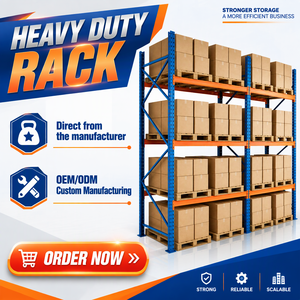
Hot Selling 800kg Adjustable Metal Racking Custom 4 5 6 Layer Selective Pallet Racking System Heavy Duty Warehouse Pallet Racks
Selective beam-and-upright pallet racking with 4, 5 or 6 adjustable layers, 800 kg load capacity and factory-direct CE documentation for high-turnover warehouses.
View Product →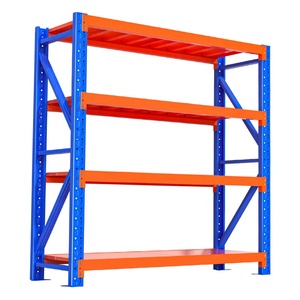
200KG Load Adjustable Medium Duty Steel Shelving Storage Rack Warehouse Shelves
Medium-duty steel shelving with adjustable levels and a 200 kg load rating, ideal for cartons, spare parts, e-commerce picking and warehouse shelves.
View Product →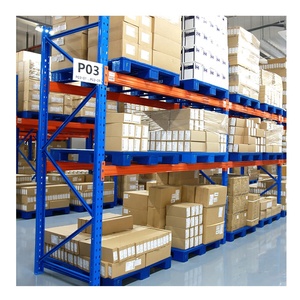
System Warehouse Rack Storage Shelves Heavy Duty Heavy Duty Warehouse Storage Pallet Racking System
Heavy-duty pallet rack storage system with stable steel shelves and a modular structure for industrial warehouses and distribution centers.
View Product →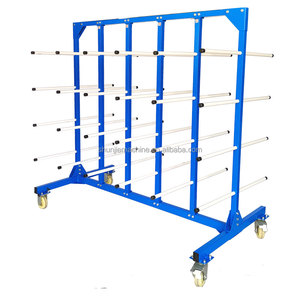
Customized 5 Tiers Cantilever Racking for Warehouse with Wheels Long Arms Metal Double Side Cantilever Rack Cart
Five-tier double-sided cantilever rack cart with wheels and long arms for pipes, timber, profiles and other long loads that need mobile access.
View Product →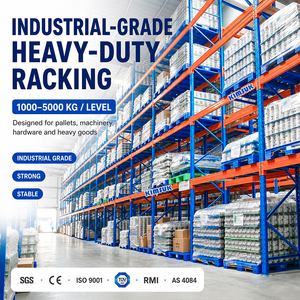
Heavy Duty Warehouse Racking Steel Pallet Storage Shelving, Adjustable Rack System with Easy Assembly for Factory
Adjustable heavy-duty warehouse racking with steel pallet shelving and easy assembly for factories, workshops and logistics hubs.
View Product →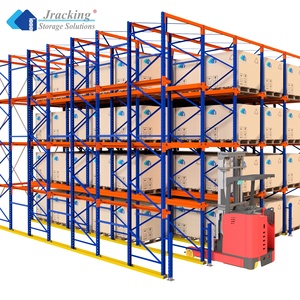
Warehouse Heavy Duty Industrial Shelves Steel EU Blue and Orange Selective Pallet Racking Shelving System CE Certified
EU blue-and-orange selective pallet racking with CE certification, designed for industrial warehouse shelves and high-visibility picking aisles.
View Product →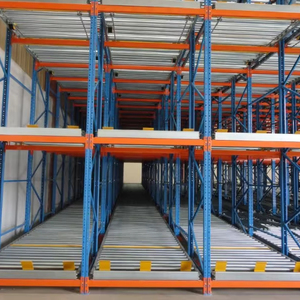
Heavy Duty Gravity Flow Pallet Rack Steel Roller Rack Warehouse Storage Racking System 1000kg Layer
Gravity flow roller rack with 1000 kg per layer for FIFO pallet flow, high-density storage and efficient picking without aisle congestion.
View Product →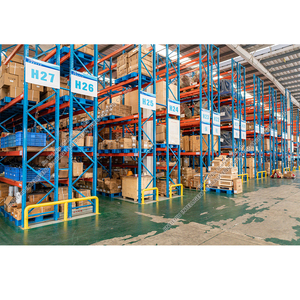
Heavy Duty Corrosion Protected Racking System Beam Structure Industrial Warehouse Rack Steel Panels Carton Parts Picking 1000KG
Corrosion-protected 1000 kg racking system with beam structure and steel panels for humid, coastal or cold-chain carton parts picking.
View Product →How a CE Certified Factory Builds Safety Into Every Rack
Factory certification only becomes useful when it is translated into production controls. At an engineering-led plant, every project starts with the customer’s pallet size, weight, load pattern, handling equipment, clear height, floor condition and local code requirements.
Engineers then select upright profiles, beam sections and bracing, calculate loads, and prepare layout drawings. During production, coil traceability, hole pitch accuracy, weld quality and coating thickness are checked against the technical file. Before shipment, uprights, beams, safety pins, base plates, anchors and labels are inspected, and packing is optimized for container utilization.
The quotation should include a bill of materials, layout drawings, load diagrams, finish specification, anchor schedule, installation manual and, for automated equipment, CE declarations and test reports. For humid or coastal sites, specify enhanced pretreatment powder coating or hot-dip galvanized components. For cold storage, consider galvanizing plus low-temperature steel toughness. For seismic zones, the anchor design and bracing must be reviewed together, not purchased as an afterthought.
Material Traceability
Steel coil records, grade confirmation and dimensional checks are linked to the project bill of materials.
Load Verification
Beam and upright capacities are checked against pallet weight, dynamic load and the quoted storage height.
Coating Durability
Pretreatment, powder coating thickness and optional hot-dip galvanizing are matched to humidity and cold-chain risk.
Documentation Pack
Layout drawings, load assumptions, anchor schedule, installation manual, test reports and CE declarations support approval.
Product Recommendations by Warehouse Operation
The right rack is the one that matches SKU profile, throughput, handling equipment and building constraints. These recommendations show where each factory product family delivers the clearest operational value.
High-Turnover E-Commerce
Combine 200 kg medium-duty shelving for carton picking with 800 kg selective pallet racking for reserve stock. Adjustable levels support seasonal SKU changes.
Dense Pallet Storage
For deep lanes and high-density pallet storage, compare radio shuttle, four-way shuttle and AS/RS. The factory can supply racking, shuttle cars and control software together.
Long Loads and Profiles
Cantilever racking and the five-tier double-sided cantilever cart keep pipes, timber, metal profiles and long components accessible without blocking aisles.
Cold Chain and Coastal Sites
The corrosion-protected 1000 kg system uses beam structure and steel panels for humid, coastal or cold-storage carton parts picking.
| System | Best Use | Load Reference | Selectivity |
|---|---|---|---|
| Selective Pallet Racking | Many SKUs, fast pallet access, 4–6 levels | 800 kg per layer and custom heavy-duty configurations | High |
| Medium-Duty Shelving | Cartons, spare parts, e-commerce picking | 200 kg load rating | High |
| Cantilever Cart | Long loads, pipes, timber, mobile access | Custom multi-tier cart configuration | Flexible |
| Gravity Flow Racking | FIFO picking, dense pallet flow | 1000 kg per layer | Medium |
| Corrosion-Protected Racking | Humid, coastal, cold-chain carton parts | 1000 kg system | Medium to high |
Procurement Trends Reshaping CE Certified Warehouse Storage Rack Purchasing
Buyers are moving from “price per kilogram” to verified lifecycle value. The most competitive tenders now ask for engineering assumptions, freight optimization, installation scope and a clear path to automation.
Total Landed Cost
Procurement teams now compare container loading, freight per pallet position, installation supervision, spare parts and future reconfiguration cost — not just the ex-works steel price.
Evidence-Based Compliance
CE declarations, ISO certificates, material reports, load test records and installation manuals are becoming mandatory tender attachments rather than optional extras.
Automation-Ready Layouts
Even manual warehouses now reserve floor flatness, power, aisle width and rack interface zones for future shuttle or AS/RS expansion. Modular racking keeps that option open.
Regional Supply and Nearshoring
Latin American distributors seek port-optimized packing, Spanish or Portuguese documentation, faster spare parts and factories that understand seismic, humidity and customs requirements.
Product Development Trends for the Next Generation of Warehouse Racking
Racking is becoming a data-connected asset. The next generation of factory products integrates structural safety, automation interfaces and corrosion performance from the first drawing.
High-Bay AS/RS and Four-Way Shuttle
Automated high-bay storage, stacker cranes, four-way shuttles and WMS/WCS integration are moving from flagship projects into mid-size distribution centers.
Seismic and Corrosion Engineering
Reinforced uprights, bracing, base plates and anchors are increasingly specified together with enhanced powder coating or hot-dip galvanizing for coastal and cold-chain sites.
Smart Safety Monitoring
Impact sensors, QR inspection labels and digital maintenance logs help safety teams track damage, inspections and load changes throughout the rack lifecycle.
Sustainable Steel and Circularity
Modular beam-and-upright designs allow future reconfiguration, reducing scrap. Buyers increasingly ask for coating durability, recyclable steel and documented material efficiency.
Enterprise Advantages: What a 28-Year Factory Adds to Your Project
Experience, expertise, authority and trust are easier to verify when a factory can connect certifications, patents, projects and service scope in one technical proposal.
Scale and Vertical Integration
Since 1997, the factory has built its own production base with around 60,000 tons of annual steel processing capacity, in-house roll forming, powder coating and more than 8,000 delivered projects.
R&D and Software Capability
A municipal-level R&D center holds more than 70 national patents and software copyrights covering racking, stacker cranes, conveyors, shuttle carriers and WMS/WCS software.
Certified Quality Management
ISO 9001, ISO 14001, ISO 45001 and ISO 10012 management systems support production control, measurement management and environmental and safety performance.
Expert Engineering Team
The engineering team is led by a professor-level senior engineer and doctoral tutor who co-authored reference works on automated warehouse design and logistics distribution center management.
Global Brand Experience
Designated logistics equipment supplier experience with international enterprises such as GE, Siemens, Walmart, Amazon and Toyota supports disciplined project management for distributors and 3PLs.
Installation and After-Sales
Supervising engineers, local crew training, spare parts and remote diagnostics for automated systems reduce commissioning risk and protect long-term uptime.
Certifications and Project References
Third-party certificates and reference projects reduce procurement risk. The same engineering discipline used for large projects is applied to distributor, 3PL and manufacturer orders.
CE and ISO Certificates
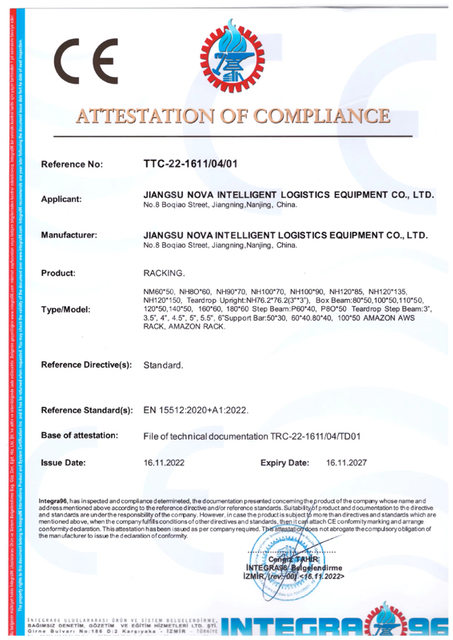 CE · Racking
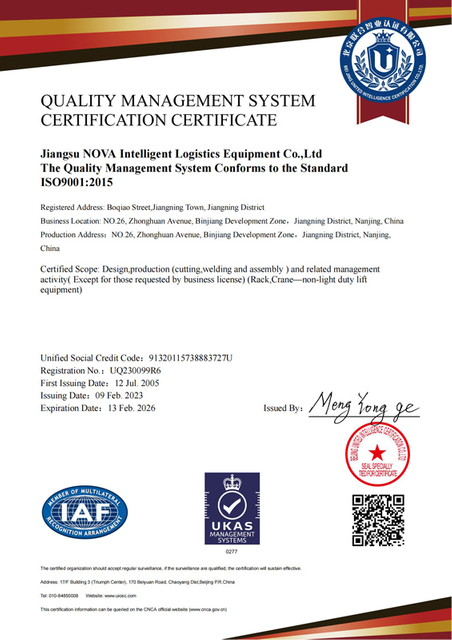 ISO 9001
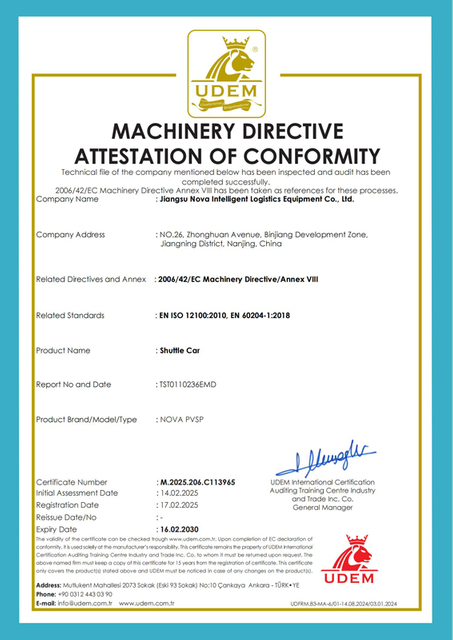 CE · Shuttle Car
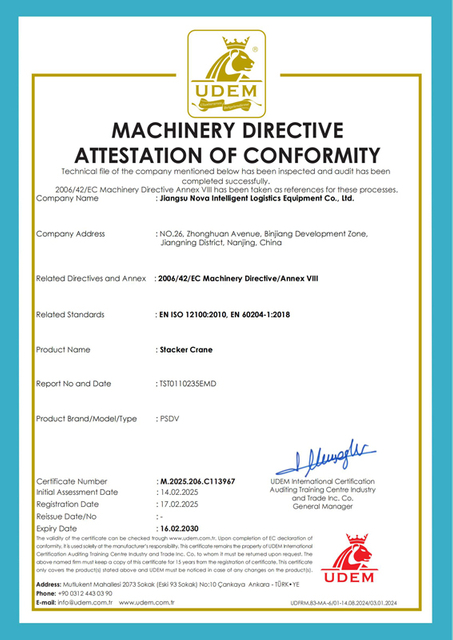 CE · Stacker Crane
Reference Project Showcase
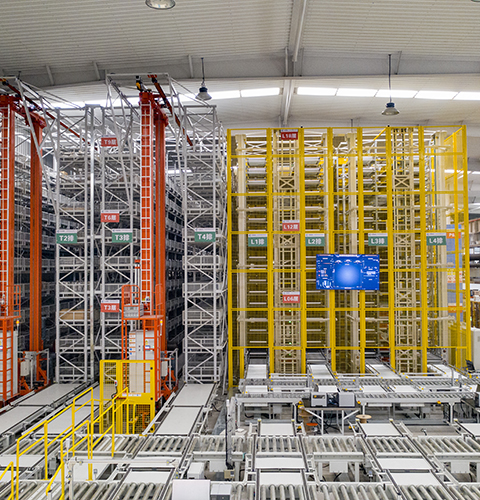
Machinery industry high-density storage center
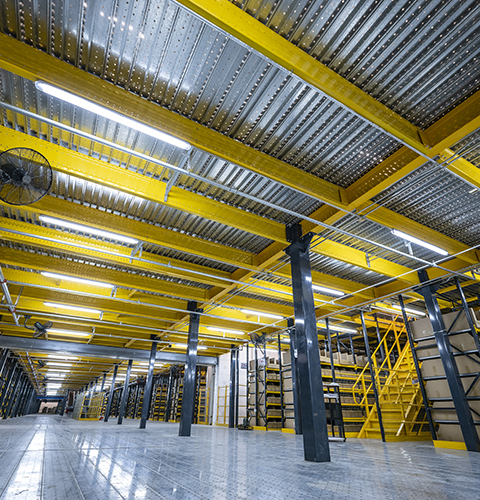
E-commerce logistics center with multi-level racking
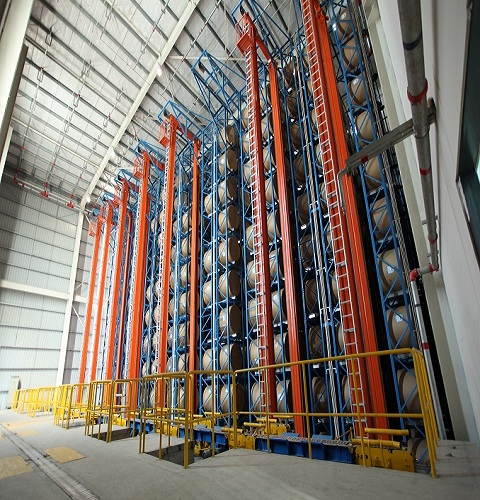
Paper-making industry logistics center
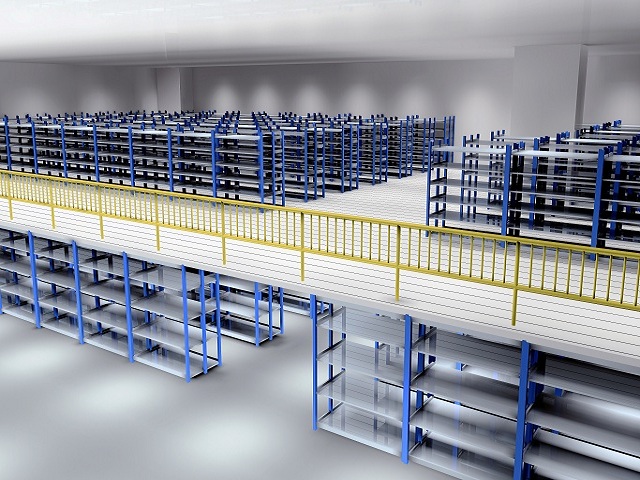
Steel mezzanine and platform project
Engineered for South America and Global Project Delivery
South America is not a single market. Chilean and Peruvian projects require seismic review; Colombian projects may reference NSR-10; Brazilian distribution centers often need high-bay and shuttle solutions; coastal sites in Ecuador and Colombia demand corrosion protection.
Project Support from Drawing to Commissioning
- Seismic-ready design: structural and seismic calculations with reference to NCh 2369, E.030 and NSR-10, including reinforced uprights, bracing, base plates and anchor specifications for local engineer review.
- Humid and coastal protection: epoxy-polyester powder coating with enhanced pretreatment or hot-dip galvanized components for cold storage, ports and high-corrosion environments.
- Port-optimized logistics: standard selective racking is typically produced in 25–35 days after drawing approval; ocean transit from China to Santos, Paranaguá, San Antonio, Valparaíso, Callao, Buenaventura, Cartagena, Guayaquil, Buenos Aires or Montevideo usually takes 30–45 days depending on the route.
- Customs-ready documentation: commercial invoice, detailed packing list, bill of lading, certificate of origin, test reports, material certificates and installation manuals, with Spanish or Portuguese support available for project documentation.
- After-sales service: supervising engineers for installation and commissioning, local installation team training, spare parts supply and remote diagnostics for AS/RS, shuttle and WMS/WCS systems.
FAQ for CE Certified Warehouse Storage Racks Factories & Factory Buyers
These are the questions that most often decide whether a factory quotation is technically complete.
Does CE certification apply to every warehouse rack?
Not automatically. CE marking is a declaration within a defined scope. For automated equipment such as stacker cranes, shuttle cars and RGVs, the applicable machinery and EMC requirements should be documented. For racking, buyers should ask which standards were used for design and testing, such as EN 15512, EN 15620, EN 15635 and EN 15878, and request the technical file. CE should never be presented as a replacement for local structural approval or seismic review.
Can your factory design racking for seismic zones in Chile, Peru and Colombia?
Yes. Engineers can prepare structural and seismic calculations with reference to requirements such as NCh 2369 in Chile, E.030 in Peru and NSR-10 in Colombia. The design may include reinforced uprights, additional bracing, seismic base plates and specified anchors. Calculation reports are delivered with quotation drawings so your local engineer can review and approve the final installation.
How long does production and delivery take?
Standard selective racking is typically produced in 25 to 35 days after drawing approval and deposit. Ocean transit from China to South American ports usually takes 30 to 45 days depending on the route. AS/RS, shuttle and mezzanine projects follow a project schedule agreed at contract stage, including engineering, production, factory testing and installation planning.
Do you provide installation and after-sales service?
Yes. The factory can dispatch supervising engineers for installation and commissioning, train local installation teams, supply spare parts and provide remote diagnostics for automated systems such as stacker cranes, shuttles and WMS/WCS software. For overseas projects, installation scope and documentation language can be agreed before shipment.
Which finish is recommended for humid or coastal warehouses?
For humid tropical or coastal sites, specify epoxy-polyester powder coating with enhanced pretreatment, or hot-dip galvanized components for cold storage and high-corrosion environments. The finish should be matched to humidity, salt exposure, cleaning methods and expected service life. Coating thickness and pretreatment records should be included in the technical documentation.
How do I get an accurate factory quote?
Send the building drawing or clear dimensions, pallet or carton size, maximum load per unit, required storage height, throughput target, forklift type, destination city and country. Local seismic or corrosion requirements should also be stated. With this data, engineers can prepare a layout, pallet-position count, load assumptions and a factory-direct quotation instead of a generic price list.
How to Start a Factory-Direct Inquiry
A strong racking project begins with complete operating data. The more accurately you describe the load and building, the faster the factory can return a usable layout and quotation.
Share Operational Data
Provide building dimensions, column grid, clear height, pallet size, maximum weight, throughput and forklift type.
Engineering Review
Engineers review aisle width, seismic or corrosion requirements, fire access and future automation interfaces.
Technical Quotation
Receive layout drawings, load assumptions, bill of materials, finish specification, lead time and export documentation scope.
Manufacturing and Delivery
Production, pre-shipment inspection, container-optimized packing, shipping documents and installation support are coordinated.
Request a CE-Ready Layout and Factory Quote
Send your building drawing or clear dimensions, pallet size and weight, throughput target and destination city. Our engineers will respond with a layout concept, load assumptions and a factory-direct quotation.