China Best Pallet Shelving Racks Manufacturers & Wholesalers
A 2025 buyer’s guide to heavy-duty pallet racking, shuttle systems, AS/RS and modular shelving — engineered, tested and shipped from China by a manufacturer with 60,000 t annual steel capacity and 8,000+ delivered projects.
Why Buyers Use This Guide to Compare China Pallet Racking Manufacturers
The strongest supplier is not always the one with the lowest price per beam. For a warehouse that must pass safety review, fit local seismic rules and remain expandable for 10–15 years, procurement teams need evidence: engineering calculations, coating control, load-test records, export documents and after-sales capability.
Calculated, not guessed
Load and seismic calculations are prepared for local engineer review, including references to NCh 2369, E.030, NSR-10 or ABNT NBR 15524 where relevant.
Factory-integrated production
Cold-rolling, powder coating, racking, shuttle carriers, stacker cranes and WMS/WCS can be coordinated by one accountable manufacturer.
Certified and documented
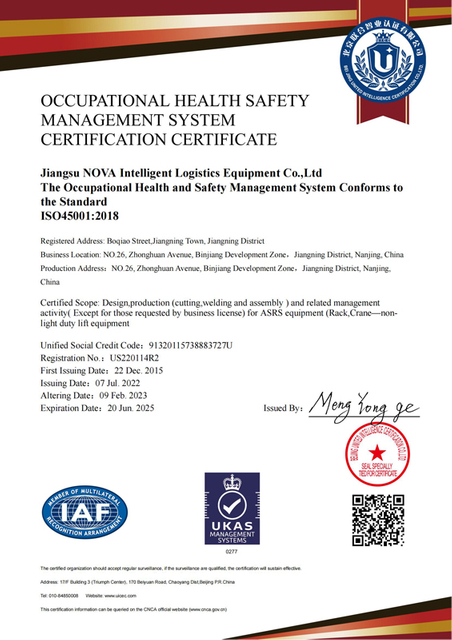
ISO 9001, ISO 14001, ISO 45001 and ISO 10012 management systems support traceable production and measurement control.
Built for project delivery
Container-optimized packing, customs-ready documents and installation supervision reduce delays between factory release and warehouse go-live.
8 Pallet Shelving & Racking Systems Buyers Ask For Most
The shortlist below covers selective racking, high-density shuttle storage, industrial shelving and high-bay systems. Every product is produced for project-specific loads, finishes and seismic conditions — not sold as a one-size-fits-all catalogue item.
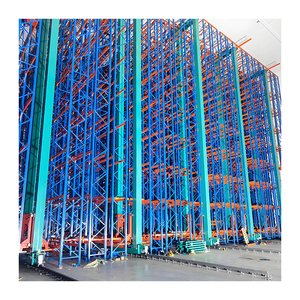
High-Density Pallet Shuttle Racking System
Automatic steel storage frame with 3000kg load capacity. The radio shuttle travels inside deep lanes, cutting forklift aisle demand and increasing pallet positions per square metre.
View product →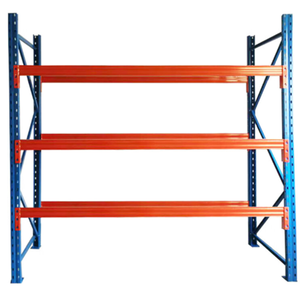
Mracking Industrial Warehouse Pallet Racking Shelving System
A flexible selective system for mixed pallet sizes and SKU profiles. Ideal for distributors that need direct access to every pallet and straightforward future bay expansion.
View product →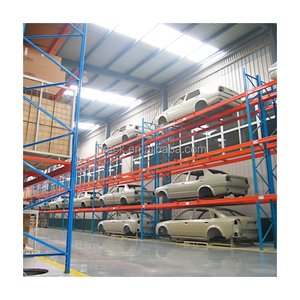
Heavy Duty Industrial Metal Storage Shelving
Warehouse material handling rack with robust beams, uprights and decking options. Suitable for spare parts, tools, maintenance stores and production feeding.
View product →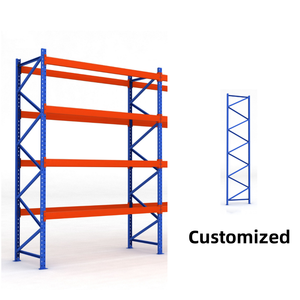
Warehouse Steel Heavy Duty Beam Rack
Selective pallet racking for factories, warehouses and distribution centres. Adjustable beam levels allow pallet heights to be optimized without changing upright frames.
View product →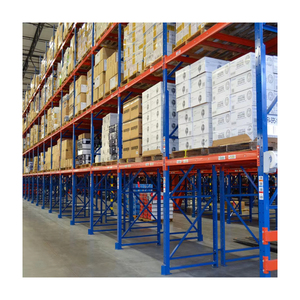
Wholesale Heavy Duty Warehouse Steel Pallet Racks
Factory-direct selective pallet racking for importers and wholesalers. Container loading can be optimized by project, reducing freight cost per pallet position.
View product →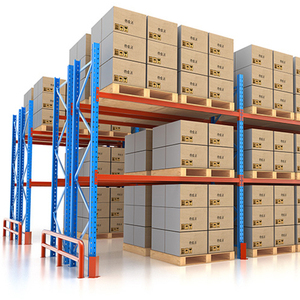
Selective Heavy Duty Warehouse Pallet Racking
Direct-access racking for fast-moving inventory. It remains the most practical choice when selectivity, picking speed and long-term flexibility matter more than maximum density.
View product →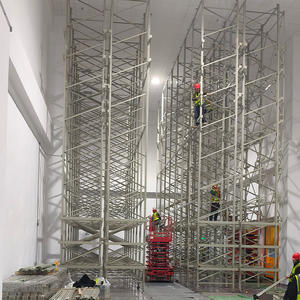
Industrial High-Bay Selective Pallet Racking
Adjustable-beam racking for tall warehouses and VNA operations. Engineering can include reinforced uprights, guide rails and tighter tolerance control for high-lift equipment.
View product →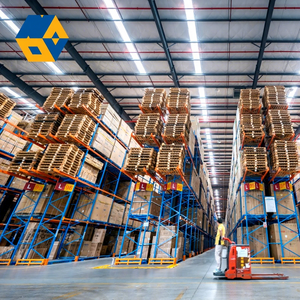
Heavy Duty 2000KG Large Capacity Pallet Rack System
High-duty beam stacking pallet rack for dense loads and demanding cycles. Suitable for manufacturing, building materials and distribution warehouses.
View product →What Smart Pallet Rack Buyers Will Demand by 2030
Procurement is shifting from “price per kg of steel” to total landed cost, safety evidence and automation readiness. The following four trends are already visible in tenders from retailers, 3PLs, manufacturers and cold-chain operators.
Total landed cost replaces lowest quote
Buyers compare container fill rate, steel grade, coating life, installation time, spare-parts availability and maintenance risk — not just the FOB price of beams and uprights.
Seismic and safety documents become standard
For Chile, Peru, Colombia and other active zones, buyers now ask for calculation reports, anchor specifications, bracing details and third-party material records before awarding a contract.
Automation-ready modularity
Even manual warehouses are specifying layouts that can later accept shuttle lanes, conveyors or AS/RS. Modular bay design protects capital spending while keeping future automation feasible.
Lifecycle service and software support
Spare parts, remote diagnostics, WMS/WCS integration and periodic rack inspections are increasingly evaluated alongside the hardware quotation.
From Steel Racks to Intelligent Storage Infrastructure
Racking is becoming part of a data-connected logistics system. The most competitive manufacturers are combining structural engineering with automation, software and corrosion protection.
High-bay AS/RS
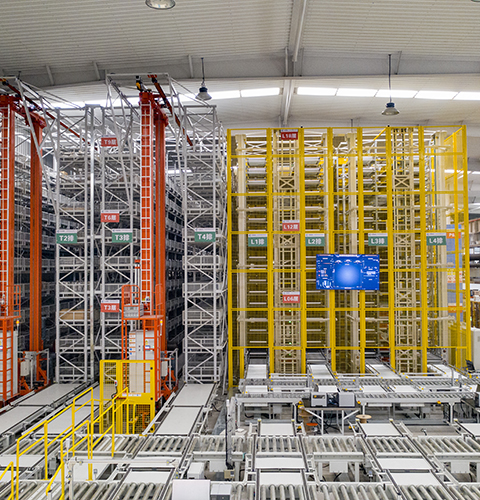
Stacker cranes and high-bay racking reduce labor dependence and improve throughput in tall buildings.
Four-way shuttle systems
Dense pallet storage with flexible lane changes and higher space utilization than conventional selective racking.
WMS/WCS integration
Warehouse software and digital-twin planning connect inventory data to racking and automated equipment decisions.
Green coating and steel efficiency
Powder coating, enhanced pretreatment and optimized section design reduce corrosion risk and material waste.
Sensor-based maintenance
Shock, alignment and utilization data help operators prioritize inspections and protect rack safety over time.
 Since 1997 · Factory direct
Manufacturer Advantages Buyers Can Audit
My Favorite Shelf Industrial Co., Ltd. has designed, manufactured and installed warehouse racking and automated storage systems since 1997. The company operates its own production base with approximately 60,000 tons of annual steel capacity, a municipal-level R&D center and more than 70 national patents and software copyrights covering racking, stacker cranes, conveyors, shuttle carriers and warehouse control software.
For overseas buyers, this means one organization can coordinate steel profiles, powder coating, automation equipment, layout drawings and project documentation. The same project discipline has been applied to international enterprises including GE, Siemens, Walmart, Amazon and Toyota, as well as distributors, 3PLs and manufacturers across South America and other export markets.
- In-house racking and automation production
- ISO 9001 / 14001 / 45001 certified
- CE-marked shuttle, stacker crane and RGV options
- 8,000+ projects delivered in 140+ countries
Proven with global brands
Designated logistics equipment supply experience with international enterprises helps reduce project risk for distributors, 3PLs and manufacturers.
R&D and innovation
A municipal technical R&D center and 70+ patents support racking, shuttle, stacker crane, conveyor and WMS/WCS development.
Certified quality control
ISO 9001, ISO 14001, ISO 45001 and ISO 10012 systems support coil traceability, coating-thickness checks and load testing before shipment.
Expert engineering team
Led by a professor-level senior engineer and doctoral tutor who co-authored automated warehouse design references and logistics distribution centre management materials.
Seismic and local-code awareness
Projects can reference NCh 2369, E.030, NSR-10 and ABNT NBR 15524 practice, with calculation reports issued for review by local licensed engineers.
South America project support
English, Spanish and Portuguese coordination covers customs documents, installation supervision, spare parts and remote diagnostics for automated systems.
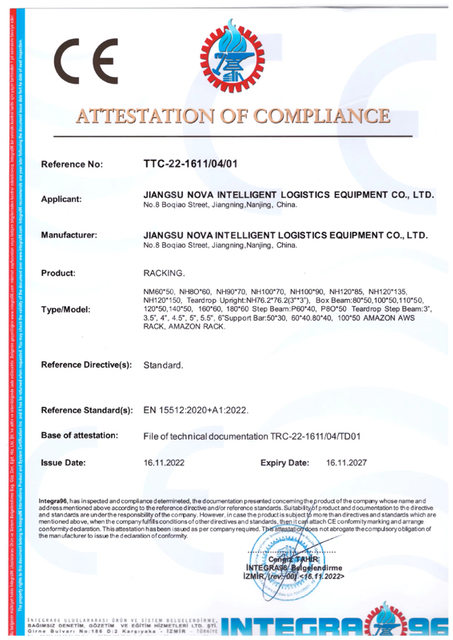
CE · Racking
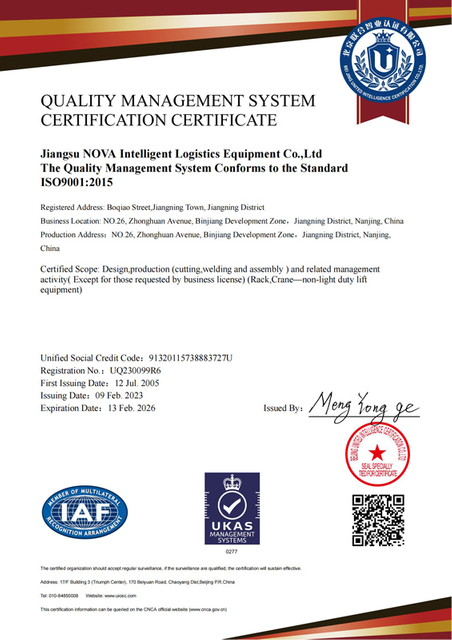
ISO 9001
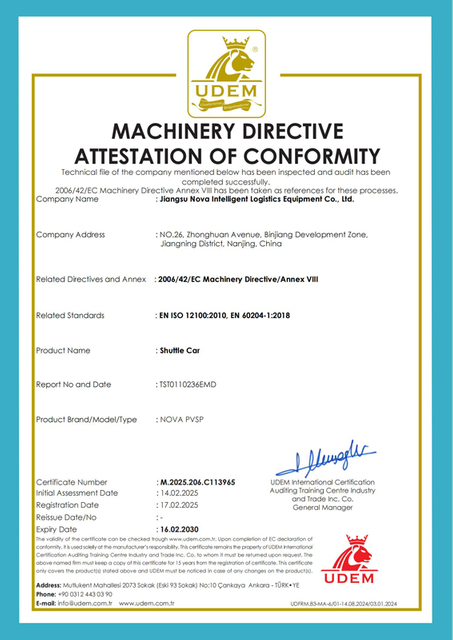
CE · Shuttle Car
ISO 45001
Real Warehouse Projects Behind the Manufacturing Claims
Reference projects show how racking, automation and material flow are combined in real operations. These examples reflect the type of engineering review that should be requested before a pallet racking tender is awarded.
Machinery Industry High-Density Storage Centre
Heavy components and spare parts consolidated into high-density pallet storage, freeing floor space for production expansion and improving material handling control.
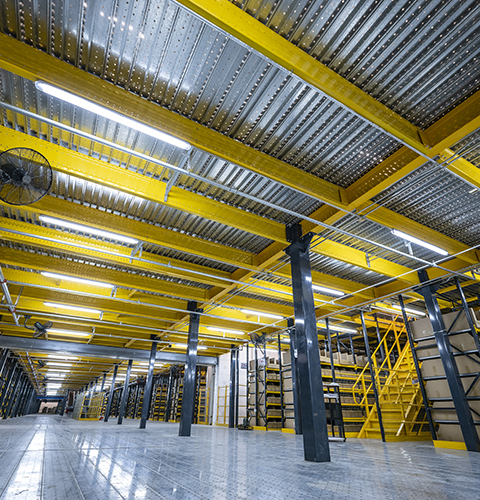
E-Commerce Logistics Centre
Multi-tier picking racks and pallet storage designed for peak-season order volumes, rapid SKU rotation and efficient replenishment workflows.
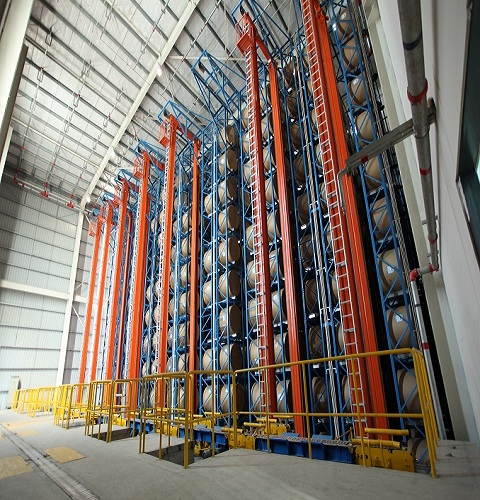
Paper-Making Industry Logistics Centre
Automated storage for heavy paper rolls and finished goods, linking production output directly to dispatch and reducing manual handling risk.
Which Pallet Racking System Fits Your Operation?
Use this comparison as an early-stage filter. Final selection depends on SKU count, pallet weight, available height, required selectivity, throughput, seismic zone and future automation plans.
| System | Storage density | Selectivity | Best for | Buying note |
|---|---|---|---|---|
| Selective racking | Many SKUs, fast picking | Most flexible and easiest to expand | ||
| Industrial selective system | Mixed pallet profiles | Good balance of access and cost | ||
| Radio shuttle racking | Deep lanes, FIFO or LIFO | Forklifts stay outside the rack | ||
| Heavy-duty pallet rack | Heavy loads and demanding cycles | Confirm beam loads and decking | ||
| High-bay selective racking | Tall buildings and VNA operations | Requires tolerance and guide-rail review | ||
| Wholesale selective racking | Importers and distributors | Optimize container packing early | ||
| Industrial shelving / beam rack | Parts, tools and maintenance stores | Match decking to cartons and hand loading |
Reducing Project Risk From Factory to Final Installation
Long ocean routes, humidity and local compliance requirements can turn a good racking quotation into a difficult project. The following controls should be part of every China-to-overseas pallet racking purchase.
Main ports served
Santos, Paranaguá, San Antonio, Valparaíso, Callao, Buenaventura, Cartagena, Guayaquil, Buenos Aires and Montevideo can be coordinated with project shipping schedules.
Container-optimized packing
Nested profiles and steel-strapped bundles are planned to increase container utilization and reduce freight cost per pallet position.
Customs-ready documents
Commercial invoice, packing list, bill of lading, certificate of origin, material records and test reports can be supplied as required by the buyer and destination customs.
Typical timeline
Standard selective racking is commonly produced in 25–35 days, followed by approximately 30–45 days ocean transit depending on route. AS/RS and shuttle projects follow an agreed project schedule.
Pallet Shelving Rack Procurement FAQ
These are the questions most frequently raised by importers, warehouse managers, contractors and procurement teams during supplier evaluation.
Can pallet racking be designed for seismic zones in Chile, Peru and Colombia?
Yes. Structural and seismic load calculations can be prepared with reference to local requirements such as NCh 2369 in Chile, E.030 in Peru and NSR-10 in Colombia. The design may use reinforced uprights, additional bracing, seismic base plates and specified anchors. Calculation reports are delivered with quotation drawings for review by your local licensed engineer, who remains responsible for final site approval.
How long does production and shipping to South American ports take?
Standard selective racking is typically produced in 25–35 days after drawing approval. Ocean transit from China to ports such as Santos, San Antonio, Callao, Buenaventura, Guayaquil or Buenos Aires usually takes about 30–45 days, depending on route and vessel schedule. AS/RS, shuttle and mezzanine projects follow a project-specific manufacturing and commissioning plan.
Which export documents are provided for customs clearance?
Documentation can include commercial invoice, detailed packing list, bill of lading, certificate of origin and, on request, material certificates, test reports and installation manuals. Project documentation can be supported in English, with Spanish or Portuguese assistance for South American projects where required.
Do you offer installation and after-sales service overseas?
Yes. Supervising engineers can be dispatched for installation and commissioning, and local installation teams can be trained before handover. Spare parts, remote diagnostics and support for automated systems such as stacker cranes, shuttles and WMS/WCS software are available as part of the service plan.
What surface finish is recommended for humid or coastal warehouses?
For humid tropical or coastal sites, epoxy-polyester powder coating with enhanced pretreatment is usually recommended. For cold storage, wash-down areas or high-corrosion environments, hot-dip galvanized components may be specified. Buyers should provide site conditions, including humidity, salt exposure and cleaning regime, so the coating system can be matched to the application.
Is there a minimum order quantity for custom pallet racking?
Project requirements vary. Many selective racking projects can be supplied as mixed containers, while automated systems require a more detailed engineering and commercial review. For small trial orders, discuss the target bay count, pallet load and destination port early so the manufacturer can confirm whether tooling, coating color and packing can be optimized economically.
How is load capacity verified before shipment?
Capacity depends on upright section, beam section, span, load arrangement and seismic or wind requirements. Production control should include incoming coil traceability, dimensional inspection, weld checks, coating-thickness measurement and load testing where specified. Buyers should request the approved load drawings, material records and inspection reports before shipment release.
How should a buyer compare selective, shuttle, drive-in and AS/RS systems?
Start with SKU count, pallet volume, required selectivity, throughput per hour, building height and future automation plans. Selective racking usually wins for many SKUs and fast access; drive-in and radio shuttle suit high-density storage of fewer SKUs; AS/RS suits high-bay, labor-sensitive operations with stable throughput. A layout simulation and pallet-position count are more reliable than comparing racking prices alone.
What warranty and spare-parts support is typical?
Warranty terms should be defined in the contract and may vary by product type, coating system and automation component. A practical procurement checklist includes spare uprights, beams, safety pins, anchors and, for automated systems, critical shuttle or crane components. Remote diagnostics and scheduled inspections help reduce downtime and extend the service life of the installation.
What information is needed for an accurate quotation and layout?
Provide building dimensions and column grid, clear height, floor condition, pallet or carton dimensions, maximum load per unit, forklift type, required throughput, SKU profile, destination city and country, seismic zone and any local compliance requirements. A drawing or site photos will help the engineering team produce a more reliable layout, pallet-position count and system recommendation.
Ready to Compare Layout, Load Capacity and Lead Time?
Send your building drawing, pallet size, load per pallet, forklift type and destination country. The engineering team can reply with a pallet-position study, recommended racking system and a quotation basis for your project. For faster review, include seismic zone, local code references and target installation date.