China Wholesale Cantilever Racking Exporter & Wholesaler
Engineered cantilever racking for pipes, tubes, timber, steel bars and long-profile storage — exported with structural calculations, container-optimized packing, CE/ISO-controlled production and project support.
Send an Inquiry8 Cantilever Racking Systems for Wholesale Buyers
Compare export-ready cantilever racking formats by application, load profile and storage environment. Every product below links to its original product page; if you need a custom layout, our engineers can prepare a drawing and quotation against your load data.
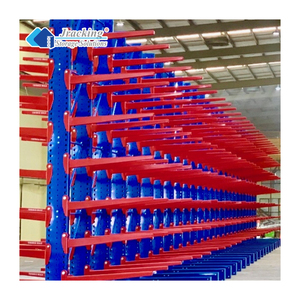
CE-Certified Heavy-Duty Cantilever Racking for Cold Pipe Storage
For cold rooms and pipe yards where coating performance, arm strength and CE-scope documentation matter. Reinforced arms and unobstructed lifting keep long bundles accessible.
View product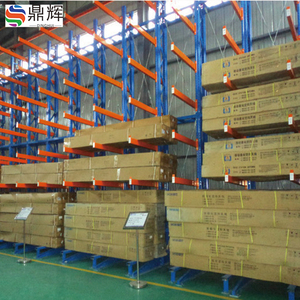
Heavy-Duty Sheet Metal & Steel Tube Cantilever Storage Rack
Single- or double-sided configurations for plate, tube and steel frame storage. Uprights, bases and arm spacing are sized to the load envelope rather than a generic bay rating.
View product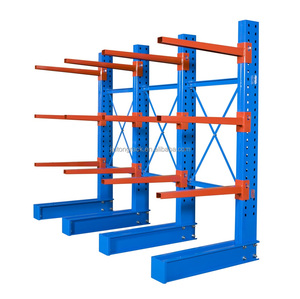
Economical Modular Steel Cantilever Racks for Wood Storage
A cost-controlled modular span system for timber, boards and panel products. Ideal for wholesalers that need phased expansion without changing the basic racking structure.
View product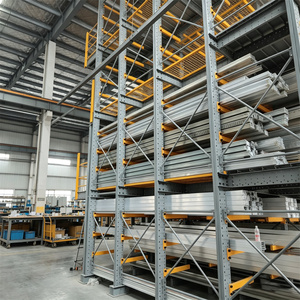
Customized Heavy-Duty Cantilever Racks for Tube & Long Strip Storage
Custom arm lengths, load ratings and locking accessories for tubes, bars, strip and extrusions. Quotation drawings can be reviewed by your local structural engineer.
View product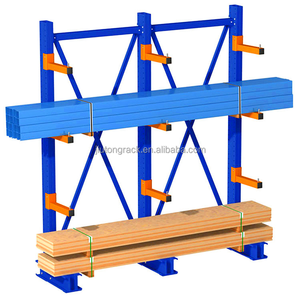
Cantilever Storage Racks Used in Material Handling
For staging areas, production cells and loading zones where clear aisles and fast forklift access are essential. Supports just-in-time material flow and long-load kitting.
View product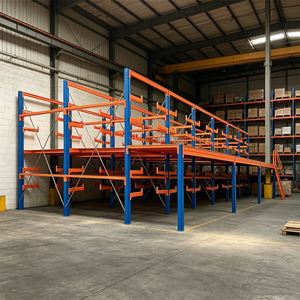
Space-Efficient Cantilever Rack Mezzanine for Long Material Storage
Combines long-load cantilever storage with a mezzanine platform to use vertical cube. Suited to warehouses where floor area is expensive and long goods must stay accessible.
View product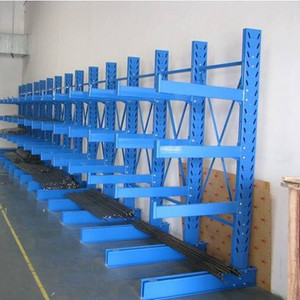
Warehouse Heavy-Duty Industrial Cantilever Rack
A general-purpose heavy-duty format for distributors, fabricators and 3PL warehouses. Multiple heights, arm projections and finishes are available for export projects.
View product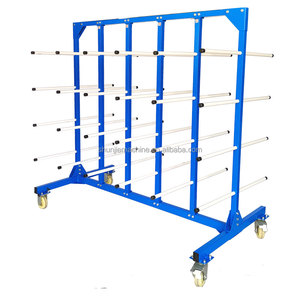
Customized 5-Tier Wheeled Double-Sided Cantilever Rack Cart
A mobile double-sided rack with wheels and five tiers for long-material handling, order picking and workstation kitting. Custom dimensions can be matched to aisle and lift equipment.
View productScale, Certifications and Engineering Depth
Wholesale buyers need more than a catalogue and a price. They need a supplier whose production capacity, quality system and project record can be audited before the first container is shipped.
Why Cantilever Racking Deserves a Place in Long-Load Storage Strategy
Long loads are expensive to handle because the wrong racking wastes cube and slows every movement. Cantilever racking solves this by removing front columns and placing loads directly on adjustable arms. For pipes, steel tubes, timber, aluminium extrusions, sheet metal, coils and long strip, the result is unobstructed lifting, faster forklift cycles and a storage base that can be reconfigured as the product mix changes. In a distribution centre where long goods are treated as an exception, cantilever racking converts awkward inventory into a controlled storage system with clear aisle access and predictable handling.
From a total cost of ownership perspective, the buying decision should not start with price per kilogram. It should start with the load envelope: length, weight, centre of gravity, lift height, arm spacing, aisle width and the number of SKUs. A rack specified only by “bay load” can pass a quotation review and still fail in daily operation if each arm is not designed for the concentrated point load, if the base is too short, or if the coating is not matched to humidity. Our engineering approach therefore begins with a load diagram and a drawing review, not a catalogue number.
For wholesale and export buyers, three questions reveal supplier quality quickly: can the factory show coil traceability and load calculations? Can it pack nested profiles for container efficiency without damaging the coating? Can it support installation, spare parts and document control after shipment? These questions align with the experience, expertise, authority and trust signals that serious commercial content should demonstrate. A supplier that can answer them with drawings, certificates and project references is materially different from a trading intermediary that forwards quotations.
A China Wholesale Cantilever Racking Exporter With Verifiable Depth
My Favorite Shelf Industrial Co., Ltd. has designed, manufactured and installed warehouse racking and automated storage systems since 1997. Our production base processes approximately 60,000 tons of steel per year, and our municipal-level R&D center holds more than 70 national patents and software copyrights. Engineering, profile rolling, powder coating, testing and documentation are controlled under one quality system.

Proven With Global Brands
Designated logistics equipment supplier for international enterprises including GE, Siemens, Walmart, Amazon and Toyota. The same project discipline is applied to distributor, 3PL and wholesale orders.

R&D and Innovation
A municipal technical R&D center with patents and software rights covering racking, stacker cranes, conveyors, shuttle carriers and WMS/WCS interfaces.

Certified Quality Control
ISO 9001, ISO 14001, ISO 45001 and measurement management controls, with coil traceability, coating checks and load testing before shipment.

Expert Engineering Team
Led by a professor-level senior engineer and doctoral tutor with experience in automated warehouse design and logistics distribution centre references.
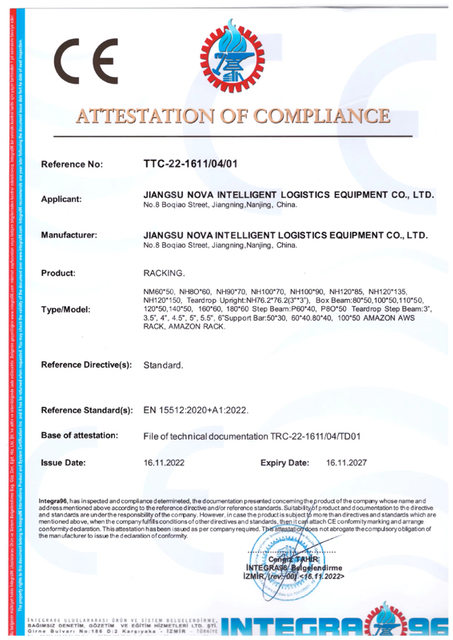 CE · Racking
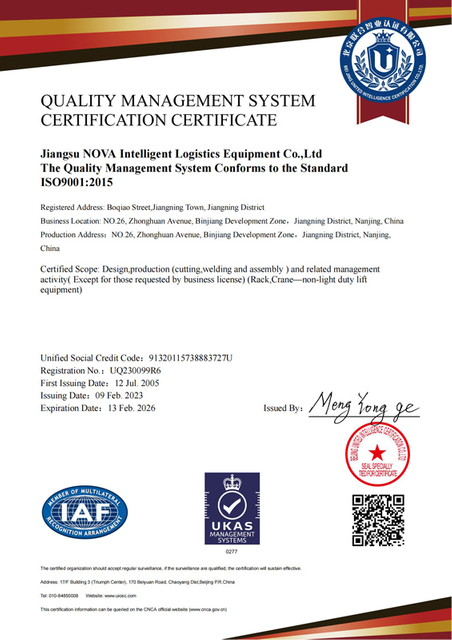 ISO 9001
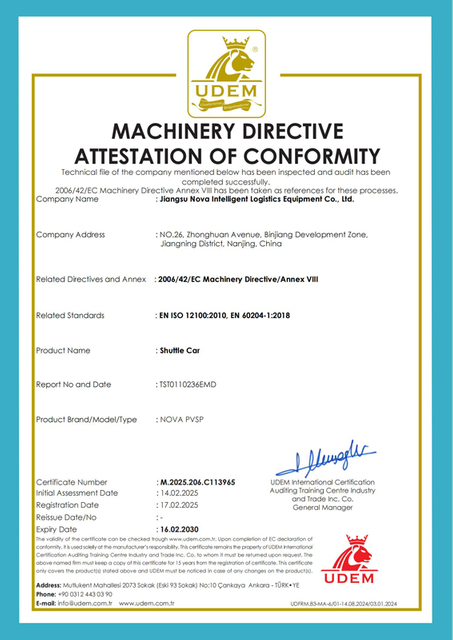 CE · Shuttle Car
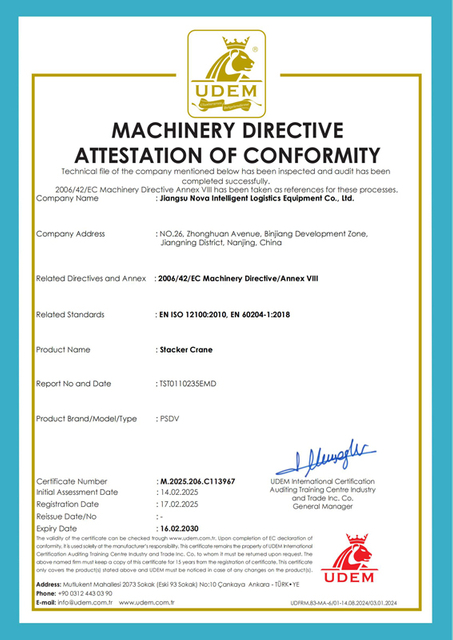 CE · Stacker Crane
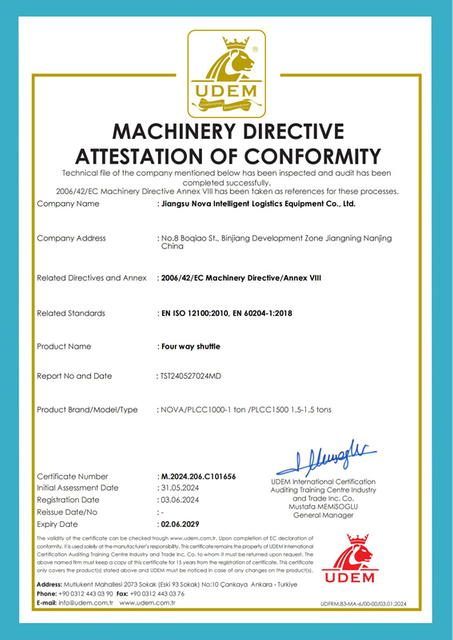 CE · Four-Way Shuttle
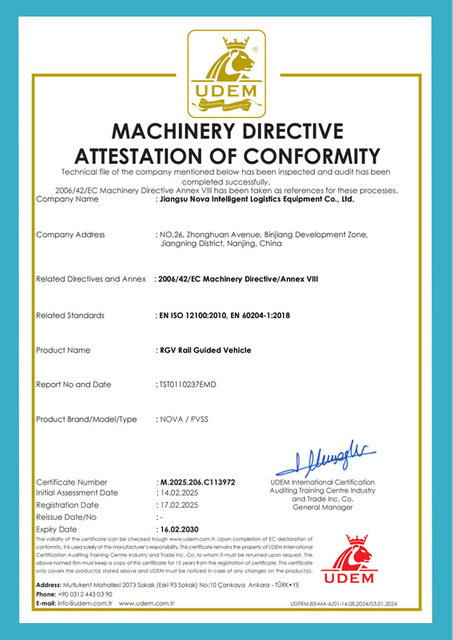 CE · RGV
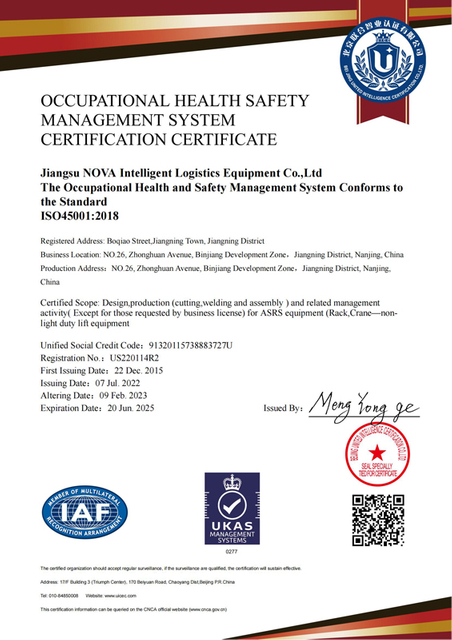 ISO 45001
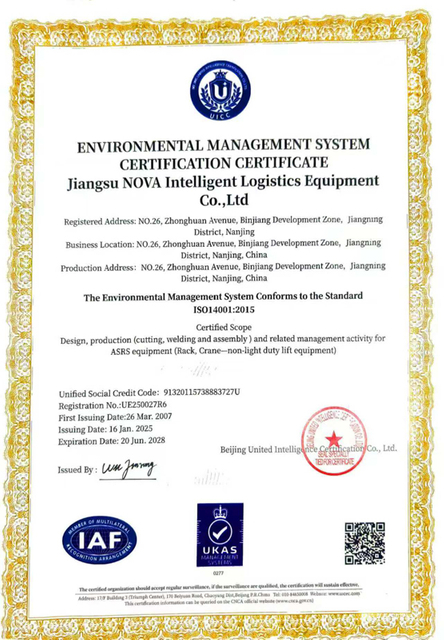 ISO 14001
Where Cantilever Racking Is Heading Next
Cantilever racking is moving from a welded steel product to an engineered storage platform. The most competitive suppliers are investing in structural optimisation, corrosion engineering, modular accessories and digital documentation that reduces installation risk.
Higher-Strength, Optimised Steel Profiles
Engineers are using better section design and higher-strength steel to increase load capacity without adding freight weight. For exporters, this can improve container utilisation and lower landed cost per storage position.
Modular Arm and Accessory Ecosystems
Adjustable arm pitch, pipe saddles, end stops, dividers and protective sleeves allow one rack structure to serve different product mixes. Modularity reduces future rework when the SKU profile changes.
Corrosion Engineering for Ports and Cold Chain
Enhanced pretreatment, epoxy-polyester powder coating, zinc-rich primers and hot-dip galvanized components are becoming more common for humid, coastal and cold-storage environments.
Mobile and Wheeled Cantilever Systems
Wheeled double-sided racks and five-tier carts support flexible production cells, kitting and maintenance staging. Mobility is no longer limited to shelving; long-load handling is becoming more dynamic.
Automation-Compatible Layout Planning
Cantilever storage is increasingly planned with clear aisle envelopes, sensor zones and location IDs that can interface with WMS, AGV or AMR routes, even when the rack itself remains manually loaded.
Digital Product Passports and Traceability
Buyers now expect drawings, load charts, material certificates and packing lists to be traceable by batch or project. QR-linked documentation reduces installation errors and supports future audits.
How Wholesale Buyers Will Purchase Cantilever Racking
The next buying cycle will reward suppliers who reduce total landed cost and documentation risk, not simply quote the lowest price per tonne. Procurement teams are being asked to compare engineering quality, freight efficiency, seismic compliance and after-sales support in one decision.
Total Landed Cost Replaces Unit Price
Container fill, coating durability, installation time, damage risk and spare-parts availability all affect the real cost. A slightly higher ex-works price can be cheaper after freight and site labour are included.
Compliance-First Sourcing
CE certification, ISO systems, material certificates and seismic calculation reports are becoming standard tender requirements. Buyers want documentation that local engineers and customs teams can review.
Regional Warehousing and Nearshoring
More distribution centres are being planned across South America and other growth regions. Long-load storage demand follows investment in construction, utilities, metals, machinery and infrastructure supply chains.
Phased Project Delivery
Steel price volatility and capital constraints encourage buyers to order in phases. Modular cantilever bays, common upright families and planned expansion allow warehouse capacity to grow without redesigning the whole layout.
Supplier Integration From Design to Service
Procurement teams increasingly prefer one accountable partner for layout, manufacturing, documentation, installation supervision and after-sales. This reduces coordination risk between separate designers, factories and installers.
ESG and Circularity in Steel Storage
Steel recyclability, coating selection, packaging waste and transport efficiency are now part of supplier evaluation. A racking system that lasts longer and ships more efficiently supports sustainability targets.
Specification Signals Buyers Should Compare Before Ordering
The following ranges are indicative for project review, not a substitute for engineered calculations. Final capacity depends on profile, arm length, load position, bracing, base length, anchor design and local code requirements.
Typical engineered range: 500–5,000 kg per arm, depending on arm length and load concentration.
Common bay lengths reach up to 3,600 mm, but the optimal span follows load length and handling equipment.
High configurations can exceed 8–10 m when bracing, base plates and anchors are engineered for the site.
Adjustable pitch of 50–100 mm is common; locking pins and end stops should be specified for safety.
- Confirm load per arm, not only the total load per bay.
- Check arm deflection, locking pin design and end-stop strength.
- Review base length, anchor specification and slab capacity.
- Verify seismic requirements such as NCh 2369, E.030 and NSR-10 where applicable.
- Match powder coating or hot-dip galvanizing to humidity and cold-chain conditions.
- Require a container loading plan, packing list, material certificates and installation manual.
Real Projects Behind Our Cantilever and High-Density Capability
Cantilever racking is often part of a broader long-load and high-density storage plan. Our project record includes machinery, e-commerce and paper-industry logistics centres with different load profiles and throughput targets.
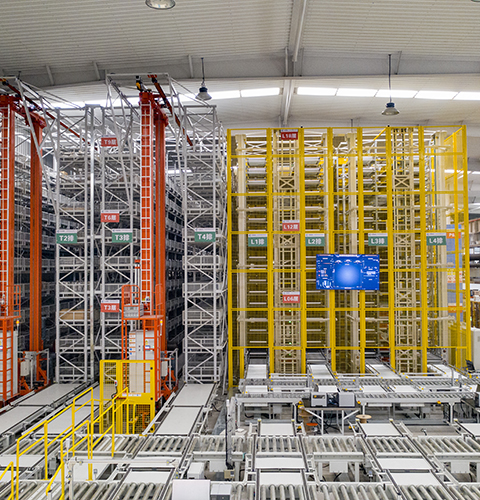 Machinery
 Industry High-Density Storage Center
Heavy components and spare parts consolidated into high-density storage, freeing floor space for production expansion and improving material control.
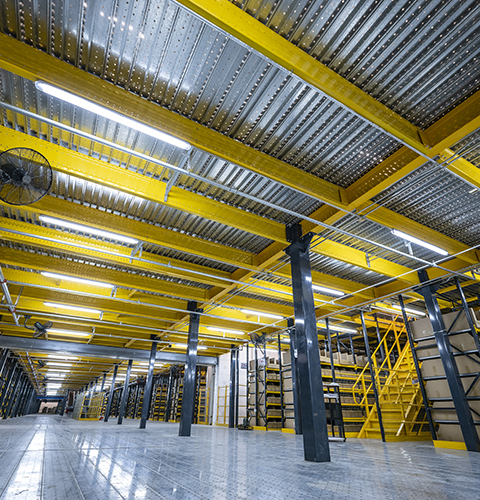 E-Commerce
E-Business Logistics Center
Multi-tier picking racks and pallet storage built for peak-season order volumes, rapid SKU rotation and efficient picking routes.
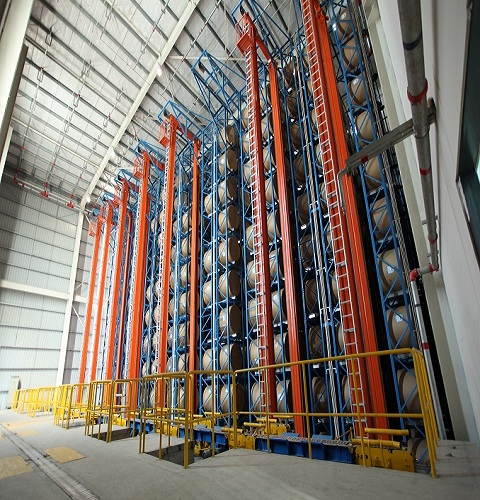 Paper Industry
Paper-Making Industry Logistics Center
Automated storage for heavy paper rolls and finished goods, linking production output directly to dispatch and reducing manual handling.
China Wholesale Cantilever Racking FAQ
Common questions from importers, distributors, 3PL operators and project buyers comparing Chinese cantilever racking suppliers.
What is the minimum order for wholesale cantilever racking from China?
MOQ is project-based. Standard bays may be supplied in smaller trial orders, but most export projects are planned around one or more containers to optimise freight. Mixed items such as uprights, arms, bases and accessories can be consolidated. For a reliable quotation, send load data, dimensions, colour requirements and destination port.
How do I choose between single-sided and double-sided cantilever racking?
Single-sided racks are usually placed against a wall or boundary and make efficient use of one aisle. Double-sided racks form an island layout and can serve two aisles, increasing storage density where floor space allows. The decision depends on building columns, forklift routes, SKU count and future expansion plans.
Can you customise arm length, spacing and load capacity?
Yes. Arm length, arm pitch, upright height, base length, colour and accessories can be customised. Engineering drawings and load calculations can be provided for review. Please provide the longest and heaviest load, centre of gravity, lift height and any local seismic or permit requirements.
Are CE and ISO certificates available?
Yes. Our quality system includes ISO 9001, ISO 14001 and ISO 45001, and CE documentation is available for relevant racking and automation equipment such as shuttle cars, stacker cranes and RGVs. Certificate copies can be supplied with tender or customs documentation.
How long does production and shipping take?
Standard cantilever racking is typically produced in 25–35 days after drawing confirmation. Ocean transit from China to major ports usually takes around 30–45 days, depending on route and schedule. Custom projects, large multi-container orders and automation interfaces follow a project schedule agreed at contract stage.
Can racks be designed for seismic zones in Chile, Peru and Colombia?
Yes. Our engineers can run structural and seismic load calculations with reference to local requirements such as NCh 2369 in Chile, E.030 in Peru and NSR-10 in Colombia. Reinforced uprights, bracing, base plates and anchors can be specified, with calculation reports delivered for review by your local engineer.
What finish should I use for humid, coastal or cold-storage warehouses?
For humid or coastal sites, we recommend epoxy-polyester powder coating with enhanced pretreatment, or hot-dip galvanized components for high-corrosion areas. For cold storage, coating adhesion and condensation management should be reviewed together with the building environment and cleaning regime.
How are cantilever racks packed for export?
Profiles are typically nested, steel-strapped and packed to protect coating and reduce container volume. Packing plans can be prepared by project, and loading photos can be provided before shipment. Proper export packing reduces freight cost and site damage, especially for long arms and uprights.
Do you provide installation and after-sales support?
Yes. We can dispatch supervising engineers, train local installation teams, provide installation manuals, supply spare parts and offer remote diagnostics for automated interfaces. For overseas projects, support can be arranged according to the contract scope and site schedule.
What information is needed for a quote or layout?
Send building length, width and clear height; column grid; pallet or load dimensions; maximum weight per arm or bundle; forklift type and lift height; destination country and port; and any local compliance requirements. With these inputs, our team can propose a layout, pallet-position count and export quotation.
Request a Cantilever Racking Layout and Export Quotation
Send your building dimensions, load data, handling equipment and destination port. Our engineering team will review the load envelope, recommend the right cantilever configuration and prepare a quotation with drawings, packing assumptions and documentation requirements.
- Building length, width, clear height and column grid
- Long-load length, weight, centre of gravity and bundle details
- Forklift type, lift height and aisle constraints
- City and country for seismic, coating and freight review
For faster review, include photos of the current storage area and any existing racking drawings.
Send an Inquiry