China Wholesale Industrial Shelving Pallet Racks Manufacturers & Factory

Factory-direct heavy-duty racking, mezzanine platforms, drive-in, push-back, wire mesh and cantilever storage systems engineered for export, seismic review and long-term warehouse ROI.

Since 1997 8,000+ Projects 60,000 t Annual Steel Capacity ISO & CE Certified 140+ Export Countries
Get Catalog
Wholesale Product Center

Eight Industrial Shelving and Pallet Rack Systems

China wholesale industrial shelving pallet racks are not one product category. A factory-direct quotation becomes valuable only when the rack type, upright frame, beam section, decking, finish and installation sequence align with real constraints: pallet weight, SKU count, lift height, floor tolerance, seismic exposure and future automation. The eight systems below cover common export demand patterns, from selective pallet racking at 2000 kg per level to multi-level mezzanine and cantilever storage for long loads. Each can be customized with layout drawings, load calculations and project documentation.

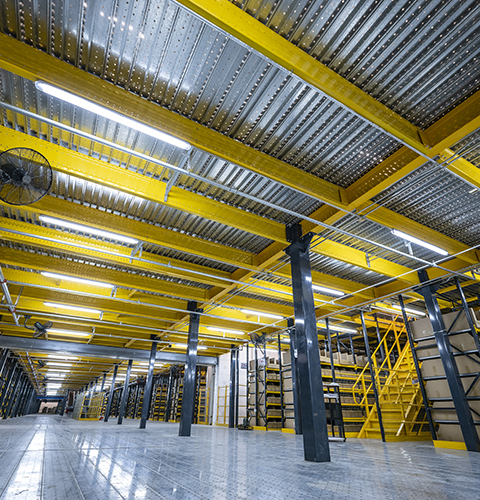
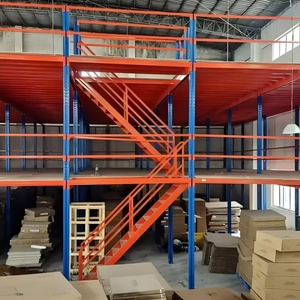
Heavy duty mezzanine floor racking warehouse storage pallet rack system
Mezzanine Platform

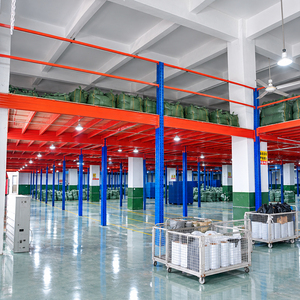
Heavy Duty Mezzanine Floor Racking

Adds a second or third usable floor without a new building. Pallet storage can sit below while picking, production or office space operates above. Column spacing, floor deck, stair and gate positions, lighting and load limits are engineered for daily use.

View Rack System
Heavy duty drive-in steel pallet racking warehouse storage system
High Density

Heavy Duty Drive-In Pallet Racking

Built for homogeneous SKUs and cold-chain warehouses. Forklifts enter the lane to place or retrieve pallets, so selectivity is lower but cubic utilization is high. Lane-depth simulation, guide rails and bumper protection should be reviewed before approving the layout.

View Rack System
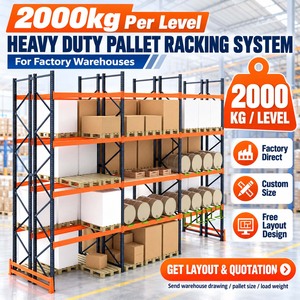
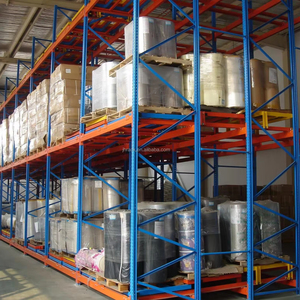
2000kg per level heavy duty pallet racking for factory warehouses
Direct Access

2000 kg Per Level Heavy Duty Pallet Racking

A workhorse selective rack for factory warehouses. Designed at 2000 kg per level, it gives direct access to every pallet and supports FIFO or free-access operations. Beam length, upright gauge, anchors and powder coating are selected after load and seismic review.

View Rack System
Heavy duty warehouse storage stacking shelf rack system
Flexible Overflow

Heavy Duty Stacking Shelf Rack System

A flexible stacking rack for changing inventory, temporary overflow or production-cell storage. It reduces fixed infrastructure and can be relocated as operations change. Confirm stack height, fork entry clearance, anti-slip treatment and compatibility with existing pallet sizes.

View Rack System
Customized heavy duty multi-level mezzanine warehouse racking system
Custom Engineering

Customized Multi-Level Mezzanine Racking

For pick-and-storage operations that need more than a simple platform. Steel shelves, walkways and multi-tier access can be combined with pallet racking to separate slow-moving reserve stock from fast-moving pick faces, improving space and labor productivity.

View Rack System
Corrosion resistant heavy duty wire mesh deck pallet racking
Corrosion Control

Corrosion-Resistant Wire Mesh Pallet Racking

Designed for humid, coastal or dust-sensitive warehouses. Wire mesh decking improves air circulation and light penetration, helps prevent small items from falling and can be specified with corrosion-resistant coating. Five-layer heavy-duty arrangements suit multi-level storage.

View Rack System
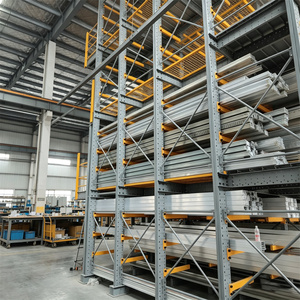
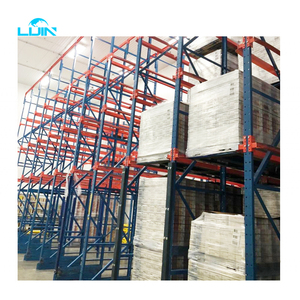
Heavy duty push pallet rack storage system for warehouse
Push-Back Flow

Heavy Duty Push Pallet Rack System

Stores pallets on nested carts and rails, increasing density while keeping each SKU accessible from the aisle. A strong fit for medium-velocity products where drive-in racking is too restrictive and selective racking would consume too much floor space.

View Rack System
Procurement Intelligence

What Buyers Will Prioritize in Pallet Rack Procurement

The next procurement cycle will be less about finding the cheapest quote and more about proving lifecycle performance. For importers, distributors, 3PLs and factory owners, the winning supplier is the one that can document design assumptions, protect schedule and support expansion. These priorities should be written into the RFQ.

Illustrative RFQ Evaluation Weighting

Engineering & complianceHigh
Total cost per positionHigh
Lead time & logisticsMed
Expansion & spare partsHigh
Finish & corrosionMed

Total Cost per Pallet Position

Steel weight is a poor proxy for value. A low-priced rack may require more columns, thicker decking, extra freight volume or longer installation time. Buyers should compare cost per usable pallet position, including anchoring, engineering review, containers, unloading and future reconfiguration. A factory that provides pallet-position simulations and container-loading plans exposes the true cost earlier.

Seismic, Structural and Local-Code Evidence

Seismic and structural requirements are now standard due-diligence items. In Chile, Peru and Colombia, ask for calculations prepared with reference to NCh 2369, E.030 and NSR-10 where applicable. For other export projects, request design assumptions, upright and beam capacity tables, anchor specifications and a review path for the local engineer. Reports should be issued before production, not after shipment.

Automation-Ready Interfaces

Even a manual racking project should be designed for future automation. That means controlled upright tolerances, predictable beam pitch, floor flatness requirements and space for shuttle carriers, conveyors or AMR traffic. If the supplier also builds AS/RS, radio shuttle, four-way shuttle and WMS/WCS interfaces, the racking can be upgraded with fewer structural compromises.

Modularity and Spare-Parts Continuity

Wholesale buyers often add capacity phase by phase. Common beam sections, upright frames and decking reduce reorder risk and simplify spare-parts stock. Ask how the supplier handles repeat orders three years later: will the same profile and coating still be available? A modular design with documented load tables is more valuable than a one-time discount.

Corrosion and Cold-Chain Performance

Humidity, salt air, cold-room condensation and washdown chemicals shorten rack life. Powder coating with enhanced pretreatment may be enough for inland warehouses; hot-dip galvanizing or specialized coatings may be required near ports and in cold storage. Specify coating thickness, adhesion and touch-up procedures in the purchase order.

Factory Audit and ESG Traceability

A factory audit should verify in-house production, coil traceability, load testing and calibration. ISO 9001, ISO 14001, ISO 45001, ISO 10012 and CE certificates are useful starting points, but the buyer should also review inspection records, packaging standards and corrective-action procedures. ESG pressure is increasing, so energy use and recyclability may enter supplier scoring.

Product Development Trends

Product Development Trends Reshaping Pallet Racks and Shelving

Racking is becoming part of the warehouse digital and automation stack. The strongest manufacturers are not only bending steel; they are designing interfaces between structure, equipment, software and safety management. These trends will influence specifications, spare-part planning and supplier selection.

Sensor-Enabled Safety and Digital Twins

Future racking systems will increasingly use sensors to monitor beam deflection, upright impact, anchor condition and pallet placement. A digital twin can link the physical layout to maintenance records and safety inspections. For buyers, the practical requirement is a clear data structure: layout drawings, load tables, as-built updates and inspection history should be delivered in a usable digital format.

Hybrid High-Density Systems

Drive-in, push-back, radio shuttle and four-way shuttle systems continue to blur the line between static racking and automation. Buyers want density without losing too much selectivity, so suppliers are combining structural racking with carts, shuttles and control software. The procurement question is not simply “manual or automated”; it is which movement pattern creates the best cost per pick and cost per pallet position.

Rack-Supported Buildings and Multi-Tier Platforms

As industrial land becomes scarcer, rack-supported buildings and multi-level mezzanine systems are being treated as building infrastructure rather than simple storage equipment. This trend demands early coordination between the racking engineer, building designer, fire consultant and local authority. A supplier that understands both roll-formed racking and structural steel interfaces can reduce redesign risk during permitting.

Materials and Coatings for Harsh Environments

Cold storage, coastal ports, food plants and tropical warehouses require more than standard paint. The next generation of specifications will define pretreatment, coating thickness, salt-spray performance and touch-up procedures. For South American buyers, a supplier should be able to recommend epoxy-polyester powder coating or hot-dip galvanizing based on site conditions rather than offering one universal finish.

Design for Export, Installation and Reuse

Container optimization, bolted connections, clear packing marks and installation manuals are becoming competitive advantages. Export buyers pay for steel, but they also pay for air, handling and rework. Nested profiles, bundle-level labeling and modular components reduce unloading time and make future relocation easier. Good design for installation is therefore a commercial feature, not an engineering afterthought.

Integrated WMS/WCS and Robotics Interfaces

Automated storage and retrieval systems, shuttle racks and AMRs require the rack to be more precise than a manual installation. Interface points include rail alignment, tolerance stack-up, floor flatness, control cabinets, conveyors and fire protection. Future-facing manufacturers will provide layout data that plugs directly into WMS/WCS planning and simulation, shortening commissioning and reducing change orders.

E-E-A-T & Factory Verification

Factory Advantages: What a China Wholesale Manufacturer Should Prove

Experience in industrial procurement is earned through evidence. My Favorite Shelf Industrial Co., Ltd. has operated since 1997 and reports approximately 60,000 tons of annual steel processing capacity, more than 8,000 delivered projects and exports to 140+ countries. Those figures matter only when they connect to the buyer’s project, so this section maps company capabilities to the questions a serious RFQ should ask.

1997Founded
60,000 tAnnual Steel Capacity
8,000+Projects Delivered
140+Export Countries
70+Patents & Software Rights

In-House Production and Load Testing

Factory-direct control matters when profiles, holes, welding, coating and packing affect installation. In-house cold-rolling and powder-coating lines allow the manufacturer to manage coil traceability, coating thickness and dimensional consistency. Load testing and pre-shipment inspection should be documented so the buyer can compare suppliers on evidence rather than brochure claims.

70+ Patents and Software Rights

A municipal-level technical R&D center and more than 70 national patents and software copyrights support racking, stacker cranes, conveyors, shuttle carriers and WMS/WCS. For buyers, this signals that the supplier can solve system-level problems rather than only fabricating beams and uprights. The engineering team is led by a professor-level senior engineer and doctoral tutor who co-authored automated warehouse design and logistics distribution center references.

Certifications and Measurement Management

Production is managed under ISO 9001, ISO 14001, ISO 45001 and ISO 10012 measurement management. CE certification is available for racking, shuttle cars, stacker cranes, four-way shuttles and RGVs. These certificates should be verified with certificate numbers, scope and validity dates. A reliable supplier will welcome document review rather than treating compliance as a sales slide.

Global Project Experience

The company reports serving global brands such as GE, Siemens, Walmart, Amazon and Toyota, and project experience including AS/RS for Taishan Fiberglass, shuttle racking for Samgak FMC and PT Tiga Pilar, pallet racking for Suning Group and Keppel Logistics, and mezzanine projects for Amazon. Buyers should ask for references relevant to their own industry, load profile and country.

South America Engineering Support

Seismic and corrosion adaptation for Chile, Peru, Colombia, Brazil, Ecuador, Argentina and Uruguay can be prepared with reference to NCh 2369, E.030, NSR-10 and ABNT NBR 15524 where applicable. Ports served include Santos, San Antonio, Callao, Buenaventura, Guayaquil and Buenos Aires. Project documentation can be supported in English, Spanish and Portuguese.

One-Stop Service and After-Sales

Warehouse design, engineering, production, installation supervision, commissioning, spare parts and remote diagnostics can be managed by one accountable team. For automated systems, remote support for stacker cranes, shuttles and WMS/WCS reduces downtime risk. For manual racking, periodic safety inspection and replacement-part planning protect the investment over its service life.

Project Evidence from Real Warehouses

Specifications become credible when they are connected to installed systems. These original project references show how racking choices respond to different load, space and throughput problems.

Machinery industry high-density storage center with industrial racking

Machinery Industry High-Density Storage Center

Heavy components and spare parts were consolidated into high-density pallet storage, freeing floor space for production expansion while improving access control and inventory visibility.

E-commerce logistics center with multi-level industrial racking

E-Business Logistics Center

Multi-tier picking racks and pallet storage were built for peak-season order volumes and rapid SKU rotation, balancing dense reserve storage with accessible pick faces.

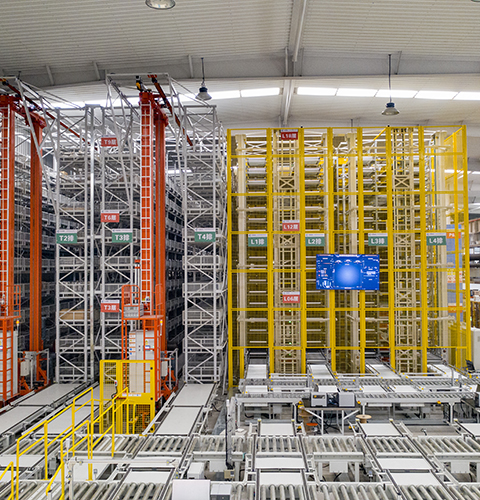
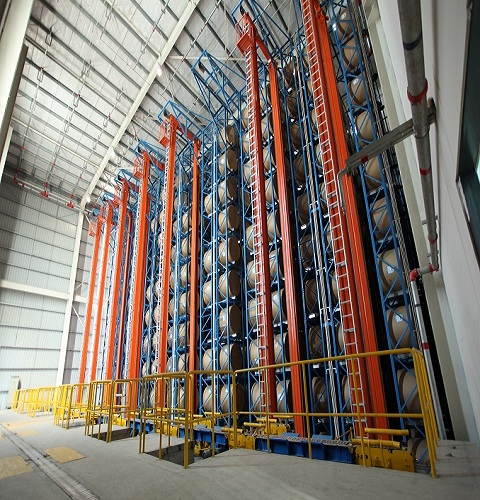
Paper-making industry logistics center with automated storage

Paper-Making Industry Logistics Center

Automated storage for heavy paper rolls and finished goods linked production output directly to dispatch, improving throughput and reducing manual handling risk.

Technical Due Diligence

A Procurement Checklist for Vetting Pallet Rack Factories

A factory quotation should answer technical questions, not only commercial ones. Before placing a wholesale order, use the following checklist to separate a capable China industrial shelving and pallet rack manufacturer from a trading intermediary with limited engineering control.

Confirm the Design Basis

Provide pallet length, width, height, load, overhang, forklift type, aisle width, building height, floor slab and column grid. Ask the supplier to confirm the design basis in writing before issuing final drawings.

Request Load and Seismic Calculations

Review upright, beam and connector capacities, anchor design and bracing assumptions. For Chile, Peru and Colombia, request calculations referencing NCh 2369, E.030 or NSR-10 where applicable, then have them reviewed locally.

Verify Coating and Material Traceability

Ask for steel grade, coil traceability, coating system, pretreatment, coating thickness and salt-spray performance. For coastal or cold-storage sites, discuss hot-dip galvanizing or enhanced powder coating before pricing is finalized.

Review Packing and Container Loading

Request a packing list, bundle marks, container-loading plan and unloading instructions. Good export packing reduces damage, rework and installation delay. Check whether nested profiles and bolted connections are used to cut freight cost per pallet position.

Check Installation and After-Sales Scope

Clarify who supervises installation, trains local crews, supplies anchors and handles missing parts. For automated systems, confirm remote diagnostics, spare-parts availability and software support responsibilities.

Validate Certificates and References

Review ISO 9001, ISO 14001, ISO 45001, ISO 10012 and CE certificates with scope and validity dates. Ask for references in your industry and region, plus project photos, layout drawings or inspection records that match the proposed system.

Buyer FAQ

Frequently Asked Questions About Wholesale Pallet Racks

What makes a China wholesale industrial shelving pallet rack quotation comparable?

A comparable quotation should state the design basis, pallet position count, upright and beam specifications, decking type, finish, anchor system, packing method, engineering documents and installation scope. Compare cost per usable pallet position rather than cost per ton. Ask whether the price includes layout drawings, load calculations, container loading and spare parts. A low unit price can become expensive if the project needs extra steel, rework or local engineering after arrival.

Can you customize racking to my pallet size, building height and load?

Yes. Customization starts with pallet dimensions, weight, overhang, handling equipment, aisle width, building height and floor conditions. The factory can adjust upright height, beam length, load rating, decking, bracing, finish and accessories. For mezzanine, cantilever, drive-in and push-back systems, customization also includes column grid, arm spacing, lane depth, stair and gate positions. Final drawings should be reviewed by the buyer and, where required, by a local engineer.

What load capacity can you manufacture?

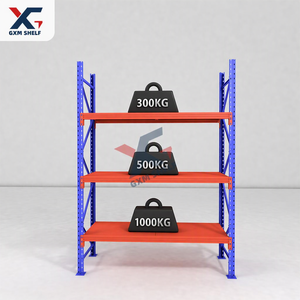
Load capacity depends on the system, beam span, upright section, decking and safety factors. Selective pallet racking is commonly engineered around 2,000 kg per level for factory warehouses, with heavier heavy-duty designs available depending on the project. Buyers should never compare capacity numbers without the corresponding beam span and upright design. Provide the maximum pallet load, dynamic load and any concentrated loads so the supplier can calculate a safe configuration.

Can you design for seismic zones in Chile, Peru and Colombia?

Yes. Seismic design can be prepared with reference to local requirements such as NCh 2369 in Chile, E.030 in Peru and NSR-10 in Colombia where applicable. Reinforced uprights, additional bracing, seismic base plates and anchor specifications may be required. Calculation reports can be delivered with quotation drawings for review by the buyer’s local engineer. Seismic assumptions, soil conditions and building geometry should be confirmed before production.

How do you protect racking in humid, coastal or cold-storage warehouses?

For humid tropical or coastal sites, epoxy-polyester powder coating with enhanced pretreatment is often specified. For high-corrosion environments, hot-dip galvanized components or specialized coatings may be recommended. Cold-storage projects require attention to condensation, coating adhesion and material toughness. The purchase order should define pretreatment, coating thickness, color, touch-up procedures and inspection criteria so performance can be verified before shipment.

What is the typical lead time and shipping process to South America?

Standard selective racking is typically produced in about 25 to 35 days after drawing approval, depending on quantity and customization. Ocean transit from China to ports such as Santos, San Antonio, Callao, Buenaventura, Guayaquil or Buenos Aires usually takes around 30 to 45 days depending on the route and schedule. AS/RS, shuttle and large mezzanine projects follow a project schedule agreed at contract stage. Buyers should allow time for drawing review, deposit, inspection and customs clearance.

Which documents and engineering reports are provided?

Export documentation can include commercial invoice, detailed packing list, bill of lading, certificate of origin and, on request, test reports, material certificates and installation manuals. Engineering documents may include layout drawings, upright and beam capacity tables, anchor plans, seismic calculation reports where applicable and loading instructions. Spanish or Portuguese support can be arranged for project documentation. Buyers should confirm the exact document list in the purchase order.

Do you provide installation, training, spare parts and after-sales service?

Yes. The supplier can dispatch supervising engineers for installation and commissioning, train local installation teams and provide spare parts. For automated systems such as stacker cranes, shuttles and WMS/WCS software, remote diagnostics and troubleshooting support can reduce downtime. For manual racking, periodic safety inspections, replacement-part planning and documented load limits help protect the investment. Service scope, response time and spare-parts terms should be written into the contract.

How do I request a catalog, layout or quotation?

Send building dimensions or drawings, clear height, pallet size and weight, maximum load per level, SKU profile, throughput, forklift type and project location. If the site is in a seismic or coastal region, state that clearly. The engineering team can then recommend a racking type, prepare a pallet-position layout and provide a factory-direct quotation. Use the catalog request button on this page to start the technical review.
Turn Warehouse Constraints into a Factory-Direct Racking Plan

Share your building dimensions, pallet data, load requirements, handling equipment and destination port. A technical team can then prepare a racking recommendation, pallet-position layout and wholesale quotation with export packing and documentation requirements in mind.

  • Building length × width × clear height
  • Pallet size and maximum load
  • Forklift or automated equipment
  • City, country and port
  • Target capacity and expansion plan
Get Catalog
Download Catalog