Eight Wholesale Storage Systems for Comparative Sourcing
Buyers searching for China wholesale longspan shelving manufacturers and wholesalers usually compare more than one system. The following products cover hand-loaded shelving, pallet storage, mezzanine expansion, cantilever long-material storage and dense industrial racking.
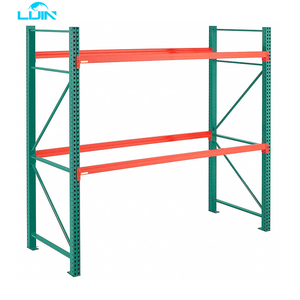
Long Span Adjustable Heavy Weight Warehouse Storage Pallet Shelves System Tear Drop Rack for Industrial
Adjustable heavy-duty longspan shelving for industrial cartons, parts and mixed-SKU storage. Tear-drop beam adjustment supports fast reconfiguration without welding.
View Product →
Warehouse Heavy Duty Steel Loft Platform Shelf Storage Attic Rack Pallet Racking Supported Mezzanine Floor Racks System
A rack-supported mezzanine solution for adding usable picking or storage floors without a new building envelope. Suitable for phased distribution centre expansion.
View Product →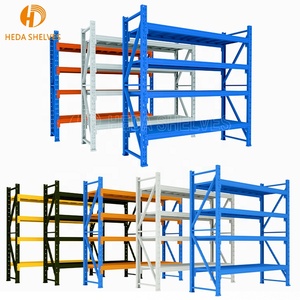
Heavy Duty Warehouse Pallet System Warehouse Racking Pallet Rack Shelving Pallet Racking for Industrial Shelves System
Selective industrial pallet racking for high-turnover SKUs and fast access. Beam levels and upright frames are engineered around pallet weight, lift height and aisle width.
View Product →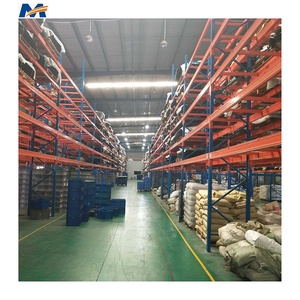
China Estantes Metalicos Heavy Duty Pallet Rack Beams Store Steel Shelving for Warehouse
Heavy-duty pallet rack beams and steel shelving for warehouse storage projects requiring long spans, stable load paths and powder-coated finishes.
View Product →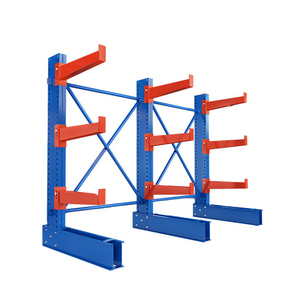
Manufactured in China Best Price Structural Cantilever Racking for Timber Storage Warehouse Rack for Sale
Cantilever racking designed for timber, profiles and long materials. Arms are sized around load eccentricity and safe forklift handling clearances.
View Product →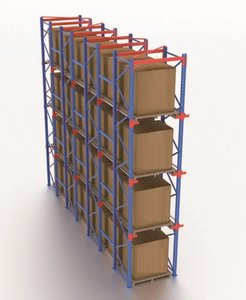
High Density Commercial Shelves Storage Warehouse Racking Systems Drive-In Pallet Rack for Industrial Factory Racks
Drive-in pallet racking for homogeneous SKUs and constrained footprints. A practical option for cold storage, beverage and seasonal inventory peaks.
View Product →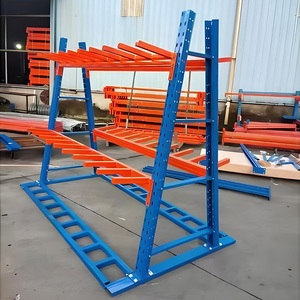
Industrial Warehouse a Shape Cantilever Rack Heavy Duty Steel Long Material Storage
A-shape cantilever racking for pipe, tube, timber and long stock. The open front enables overhead crane or forklift access from multiple angles.
View Product →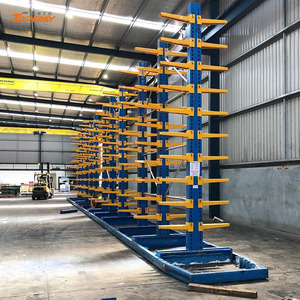
Topeasy TE-L212 Corrosion Protection Steel Single/Double Side Arm Cantilever Racking KD Structure Powder Coated/Galvanized
Corrosion-protected cantilever racking with powder-coated or galvanized finish. Knock-down structure supports container-efficient export packing.
View Product →Executive Buyer Briefing: Longspan Shelving Is No Longer a Commodity
Longspan shelving is often purchased as a catalogue item, yet in 2025 the specification has become a systems decision. A wholesale buyer comparing Chinese manufacturers is not only comparing upright heights and beam loads; they are comparing steel yield strength, powder-coating adhesion, packaging density, documentation quality, installation risk and the supplier’s ability to keep replacement parts available as the warehouse expands. For a 1,000-bay project, a 3% difference in steel utilisation can matter less than a missed container-fill plan or a delayed customs document. The most reliable RFQ therefore asks suppliers to price the same engineered bay, not the same picture.
Our engineering team reviews longspan projects for e-commerce, automotive spare parts, MRO, retail distribution and light manufacturing. The pattern is consistent: buyers who provide carton dimensions, weight per shelf, bay geometry, floor condition, destination port and target installation date receive faster, more comparable quotations — and fewer change orders after installation.
Load Path & Steel Grade
Ask for upright and beam section drawings, steel yield strength, safety factor and load-deflection assumptions. Longspan shelving may be hand-loaded, but it still needs a defined load path from shelf to beam, upright and floor anchor.
Finish & Corrosion Class
Humid ports, cold-chain transitions and coastal warehouses require more than a colour choice. Specify pretreatment, coating thickness, salt-spray target and touch-up materials before comparing prices.
Bay Geometry & Flexibility
A bay that fits today’s carton may block tomorrow’s tote or pallet. Confirm pitch, shelf adjustability, mesh decking, dividers and whether the upright frame can accept a mezzanine or automation interface later.
Documentation & Export Readiness
Request material certificates, CE/ISO evidence where relevant, packing list, container loading plan, installation manual and spare-parts list. Documentation is part of product quality because it controls clearance, safety and uptime.
Longspan Shelving Specifications for 2025 Procurement
These are practical starting points for buyer discussions. Final capacities must be confirmed by a qualified engineer using actual load, bay span, shelf material, anchoring and local code requirements.
Adjustable multi-level shelving
For hand-loaded cartons and fast-moving SKUs, a common range is 200–500 kg per level with 400–600 mm shelf depth, boltless adjustable beams, steel or wire-mesh decking and anti-fall safety bars. Multi-tier pick modules should be reviewed together with fire protection, egress and sprinkler design.
Divided shelving for small SKUs
For spare parts, tools and MRO wholesale, specify 300–800 kg per level where dense metal parts are stored. Dividers, label holders and powder-coated steel shelves are easier to clean and identify than open wire in dusty workshops. Confirm shelf deflection under concentrated loads.
Container-efficient modular bays
For wholesalers serving South America, Africa or Southeast Asia, design bays around 40HQ container fill and local forklift clearances. Standardize a modular frame family to reduce inventory while allowing local adaptation of shelf levels, colours and accessories.
How Wholesale Buyers Will Purchase Longspan Shelving Next
Search intent is shifting from “cheapest shelving supplier” to “verified manufacturer with engineering, compliance and logistics capability.” The following procurement patterns are becoming standard in serious tender processes.
Total Cost of Ownership
Forward-looking buyers compare landed cost per usable shelf position, including freight, duty, installation, rework, spare parts and downtime. A lower ex-works price can lose when packaging wastes container volume or when holes do not align on site.
Compliance Evidence in the RFQ
CE marking, ISO 9001, ISO 14001, ISO 45001, material traceability and load-test reports are increasingly requested before supplier approval. For seismic zones, calculations referencing local codes may be required before purchase order release.
Phased & Modular Expansion
Uncertain demand makes phase-one longspan with expansion-ready uprights more attractive than a fully fitted low-density system. Buyers ask for future interface drawings rather than verbal promises about “adding levels later.”
Data-Rich RFQs & Digital Handover
Warehouse teams are sending SKU ABC data, carton dimensions, throughput and WMS field requirements. Suppliers who return layout files, load calculations and spare-part lists are easier to integrate into procurement, safety and maintenance workflows.
What the Next Specification Cycle Will Reward
Manufacturers and wholesalers that compete only on price will face pressure from buyers who need verified performance, faster delivery and long-term parts support. These product directions are already visible in export projects.
Higher-Strength, Thinner Profiles
Advanced roll-forming and higher-yield steel allow lighter uprights without sacrificing capacity. The benefit is less freight cost and easier handling, but only if section properties, welding quality and bolt tolerances are verified.
Hybrid Shelving-to-Automation Platforms
Longspan frames are being designed as future interfaces for conveyor picking, AMR shelves and light-goods AS/RS. The key is planning datum lines, floor tolerance and control-system data now, before the first bay is anchored.
Better Surface Engineering
Epoxy-polyester powder coating with enhanced pretreatment, galvanized options for high-corrosion zones and colour-coded safety components are becoming standard in coastal, cold-chain and food-adjacent projects.
Circular & Serviceable Design
Boltless and bolted systems are being evaluated for disassembly, reuse and replacement-part availability. Wholesalers want a supplier that can provide identical uprights and beams years later, not a one-off catalogue colour.
Selection Matrix: Match the System to the Load, Not the Photo
Use this matrix to separate longspan shelving from pallet racking, cantilever, mezzanine and automated systems. It is not a substitute for engineered drawings, but it helps procurement teams frame the right RFQ.
| System | Typical Load | Selectivity | Storage Density | Best-Fit Use | Procurement Note |
|---|---|---|---|---|---|
| Longspan Shelving | 100–800 kg per level, project-specific | High | Medium | Hand-loaded cartons, spare parts, small SKUs | Best when bay flexibility, adjustability and future expansion matter. |
| Selective Pallet Racking | 1,000–4,500 kg per level or higher | High | Medium-low | Palletised SKUs with fast access | Verify forklift aisle, beam deflection and seismic requirements. |
| Cantilever Racking | Arm loads vary by length and eccentricity | High | Low-medium | Timber, pipe, profiles and long materials | Check arm deflection, base stability and loading method. |
| Mezzanine / Platform | Floor load calculated per project | High | Adds usable floor area | Multi-level picking, storage expansion | Review slab capacity, egress, fire protection and stair access. |
| Drive-in / Radio Shuttle | Pallet loads per rack design | Low | High | Dense homogeneous inventory, cold storage | Confirm FIFO/LIFO, maintenance access and shuttle service plan. |
| AS/RS | Tote or pallet loads by automation design | Very high | Very high | High-bay automation and labour reduction | Evaluate WMS/WCS integration, local service and spare-parts strategy. |
Landed-Cost Formula for Wholesale Comparison
Compare suppliers using landed cost per verified usable shelf position: ex-works price + freight + insurance + duty + port charges + inland transport + installation + expected rework, divided by the number of usable shelf positions. This normalizes bay width, shelf count, packaging density and assembly hours.
= total delivered and installed cost ÷ verified usable shelf positions
Why My Favorite Shelf Is a Credible China Wholesale Longspan Shelving Manufacturer
My Favorite Shelf Industrial Co., Ltd. has designed, manufactured and installed racking and automated storage systems since 1997. The company operates its own production base with annual steel-processing capacity of about 60,000 tonnes and a municipal-level R&D centre holding more than 70 national patents and software copyrights. For wholesale buyers, this matters because the same engineering team can support a simple longspan distributor order and a larger project that may later combine mezzanine, pallet racking, shuttle or AS/RS.
Production is managed under ISO 9001, ISO 14001 and ISO 45001, with ISO 10012 measurement management and CE certification across racking, stacker cranes, shuttle cars and RGVs. Rather than relying on trading-company claims, buyers can request certificate numbers, material certificates, coating reports and load-test documentation before approval.
We have delivered more than 8,000 projects in 140+ countries, and our equipment has been used by international enterprises including GE, Siemens, Walmart, Amazon and Toyota. Engineering is led by a professor-level senior engineer and doctoral tutor who co-authored automated warehouse design and logistics distribution centre management references. This combination of factory control and engineering depth is the practical difference between a low-cost seller and a long-term wholesale manufacturer.
- In-house racking, automation and software capability
- ISO 9001, ISO 14001, ISO 45001 and CE certification support
- Seismic-ready design experience for South American warehouses
- Supervising engineers, spare parts and remote diagnostics
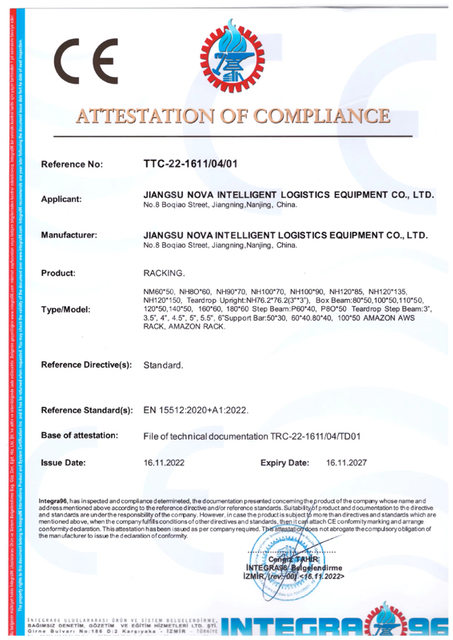 CE · Racking
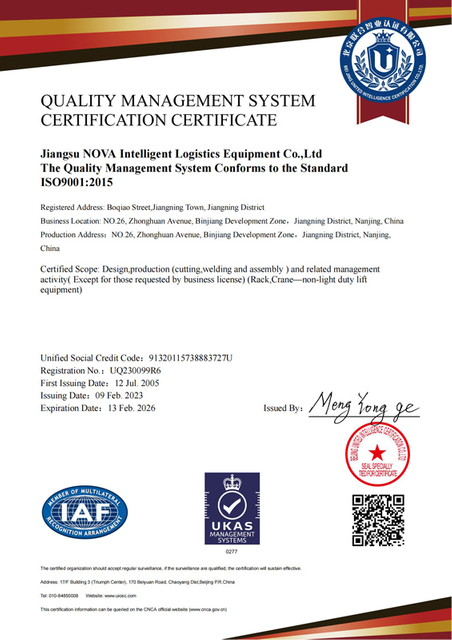 ISO 9001
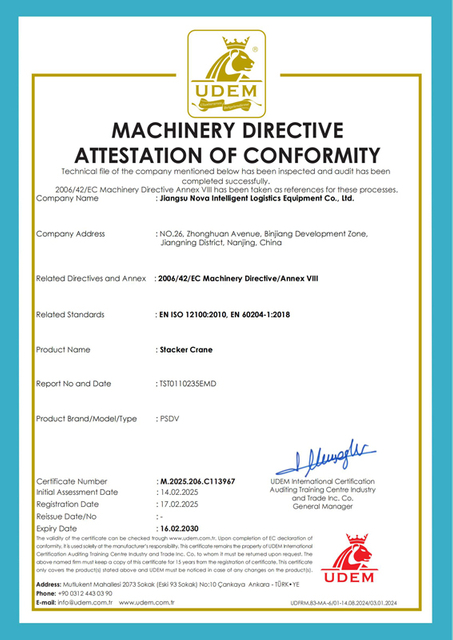 CE · Stacker Crane
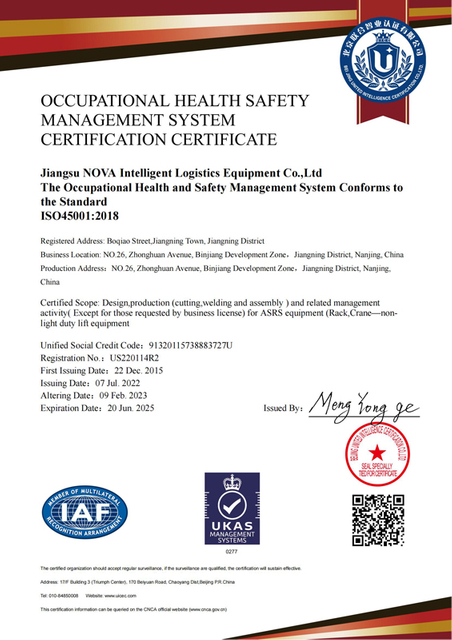 ISO 45001
Factory-Direct Steel Control
Cold-rolling, profiling, welding, powder coating and packing are controlled under one production system, reducing surprises between sample and shipment.
Certified Quality Management
ISO 9001, ISO 14001, ISO 45001, ISO 10012 measurement management and CE-backed equipment support procurement and safety review.
R&D and Engineering Depth
A municipal technical R&D centre and 70+ patents and software rights support custom bay design, automation interfaces and load calculations.
Global Project Experience
8,000+ projects in 140+ countries, plus experience with international brands, help reduce export, installation and documentation risk.
Manufacturing and Project Credibility Beyond the Catalogue
Wholesale buyers need evidence that the manufacturer can support real warehouses, not only ship cartons of uprights. These project references show the engineering range behind the product line.
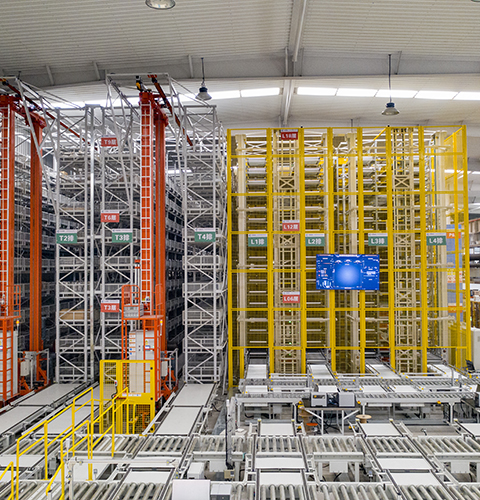
Machinery Industry High-Density Storage Center
Heavy components and spare parts consolidated into high-density pallet storage, freeing floor space for production expansion and improving inventory visibility.
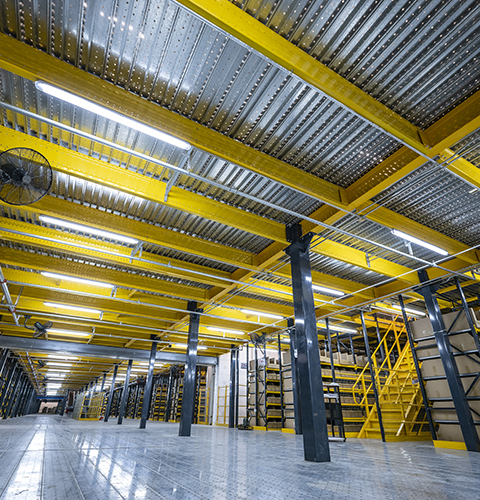
E-Business Logistics Center
Multi-tier picking racks and pallet storage built for peak-season order volumes, rapid SKU rotation and efficient pick-face replenishment.
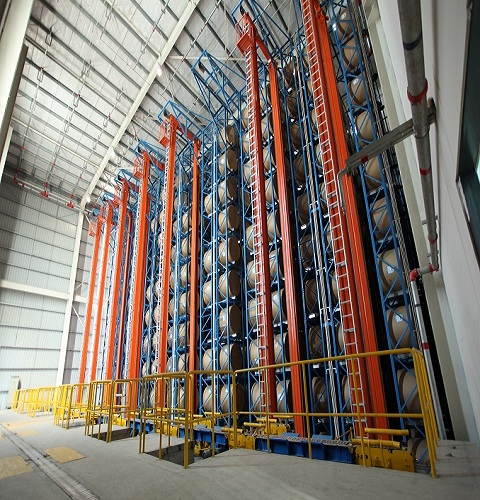
Paper-Making Industry Logistics Center
Automated storage for heavy paper rolls and finished goods, linking production output directly to dispatch and reducing handling damage.
Frequently Asked Questions About Wholesale Longspan Shelving
These answers address the questions procurement teams, distributors and warehouse managers ask most often when comparing Chinese manufacturers and wholesalers.
What is the typical MOQ for wholesale longspan shelving?
There is no fixed MOQ for every project, but a factory-efficient order often starts at one 20-foot container or a mixed container of uprights, beams, shelves, mesh decking and accessories. Mixed containers improve freight economics for distributors who need several SKUs. Smaller trial orders can be discussed, but the freight cost per kilogram will usually be higher. For an accurate recommendation, provide bay dimensions, shelf load, quantity and destination port.
How can I distinguish a real manufacturer from a trading company?
Ask for the factory address, production-line video, certificate holder name, material certificates, section drawings and inspection plan. A manufacturer should be able to explain roll-forming, hole pitch, powder-coating pretreatment, curing temperature and packaging method. Trading companies can be useful for consolidated sourcing, but their quality control depends on the factories they use. Verify the invoice entity, warranty provider and spare-parts source before approving a supplier.
What load capacity can longspan shelving support?
Longspan shelving commonly supports around 100–800 kg per level, with heavier configurations available when beams, uprights and shelf materials are reinforced. Capacity depends on bay width, beam span, shelf type, load distribution, anchoring and how loads are placed. Do not compare a single “kg” figure without the matching bay drawing. Submit carton weight, dimensions, quantity per shelf and loading method so the engineer can calculate the safe working load.
Can you customize dimensions, colours, finishes and branding?
Yes. Longspan shelving can be customized by width, depth, height, shelf levels, mesh or steel decking, dividers, back panels, label holders and RAL powder-coat colours. For coastal or high-corrosion environments, enhanced pretreatment, epoxy-polyester coating or galvanized components may be recommended. Private-label packaging, manuals and spare-part kits can also be discussed for distributor programmes.
How are seismic and uneven floor conditions handled?
Engineers review floor flatness, anchor type, bracing, base plates and local seismic requirements. For projects in Chile, Peru, Colombia or other seismic zones, calculations can reference local design practice for review by your local engineer. The final installation must be checked against actual site conditions, because anchor performance and slab strength are site-specific. Provide building drawings, column grid, floor slab information and the project location as early as possible.
Which export documents are provided for customs clearance?
Standard export documents include commercial invoice, detailed packing list, bill of lading and certificate of origin. On request, we can provide material certificates, test reports, coating records and installation manuals. Spanish or Portuguese support can be arranged for project documentation where needed. Confirm any destination-specific certificate or labelling requirement before shipment so documents are aligned with the customs broker’s checklist.
What are typical production and shipping lead times?
Standard longspan and pallet racking orders are often produced in about 25–35 days after drawing confirmation and deposit, depending on quantity and finish. Ocean transit from China to South American ports commonly takes about 30–45 days depending on route, port congestion and sailing schedule. AS/RS or shuttle projects follow a project schedule agreed at contract stage, including software, commissioning and installation.
Do you provide installation, after-sales service and spare parts?
Yes. We can provide step-by-step installation drawings, labelling and remote support for standard shelving projects. For larger or automated projects, supervising engineers can be dispatched, local installation teams can be trained, and commissioning support can be scheduled. Spare parts, replacement beams or uprights and remote diagnostics for automated equipment help protect uptime after handover.
How should packaging be planned for ocean freight?
Ocean-freight packaging should protect the finish as well as reduce volume. Nested profiles, steel-strapped bundles, edge protection, moisture barriers and labelled cartons are commonly used. A loading plan should sequence upright frames, beams, shelves and accessories so unloading at the destination is practical. Container optimization can materially change landed cost, especially for distributors ordering mixed systems.
Request an Engineered Quotation, Not a Generic Price List
Send your bay list, carton or pallet data, building dimensions, destination port and target installation date. Our team will review the application and recommend a practical longspan, pallet racking, cantilever or mezzanine configuration with export-ready documentation.
- Building length, width and clear height
- Carton or pallet size and weight per shelf
- Required bay width and number of levels
- Forklift or manual loading method
- Destination city, port and country
- Finish, certification and delivery requirements