Recommended Wholesale Pallet Racking and Shelving Systems
Eight factory-direct systems cover the most common warehouse storage problems: high-density pallet storage, fast-moving selective racking, cold-chain drive-in lanes, long-load cantilever storage and mezzanine space expansion.
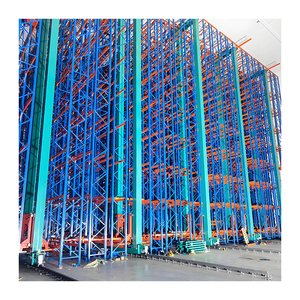
High-Density Pallet Shuttle Racking System Automatic Steel Storage Frame 3000kg Load Capacity Heavy Duty Warehouse
Semi-automated deep-lane storage for 3,000 kg pallets, designed for high bay utilization, FIFO or LIFO operation and reduced forklift travel.
View Product Details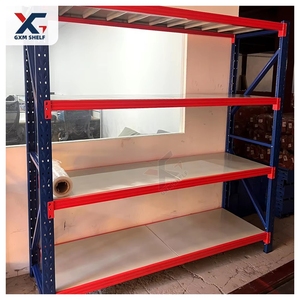
Heavy Duty Metal Storage Rack Industrial Warehouse Pallet Shelving Multi Layer Material Shelf System
Multi-layer pallet shelving for mixed industrial loads, with bolted frames, powder-coated beams and layout support for phased warehouse expansion.
View Product Details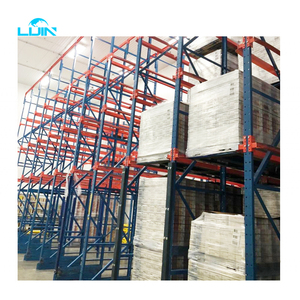
Pallet Racking System Equipment Drive in Metal Shelves Steel Layer Heavy Duty Warehouse Rack
Lane-based storage for homogeneous SKUs, beverage warehouses and cold rooms where floor space efficiency matters more than rapid selectivity.
View Product Details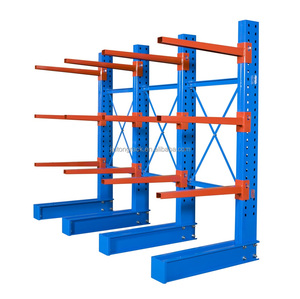
China Factory Economical Cantilever Racks Modular Steel Span Storage System for Wood Storage
Open-front cantilever storage for timber, pipes, profiles and other long materials that cannot be handled efficiently on standard pallet beams.
View Product Details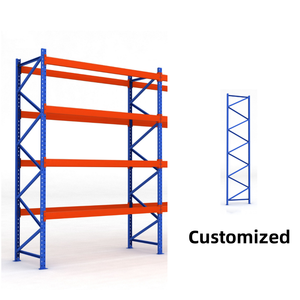
Warehouse Steel Heavy Duty Beam Rack Pallet Rack Store Shelf Warehouse Racking System for Racking Rack Shelf Factory Shelf
Conventional selective pallet racking with direct access to every pallet, suitable for distribution centers with many SKUs and frequent picking.
View Product Details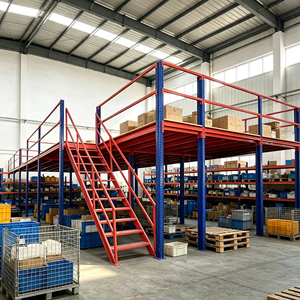
Heavy Duty Industrial Storage Warehouse Racks Pallet Racking Systems Attic Loft Mezzanine Floor Platforms
Rack-supported or free-standing mezzanine floors that add usable storage and picking area without the lead time and cost of new building construction.
View Product Details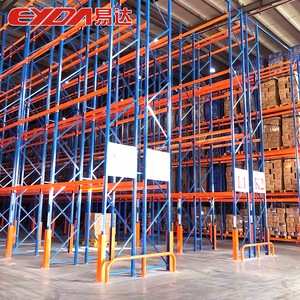
Storage Shelf Warehouse Heavy Duty Industrial Steel 5 Layer Pallet Racking Narrow Aisle Selective Rack System
Tall selective racking combined with narrow-aisle handling to increase pallet positions per square meter while preserving direct access to most SKUs.
View Product Details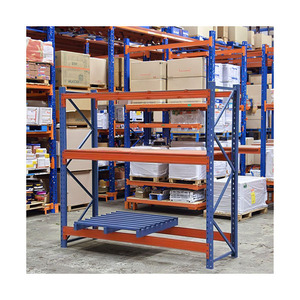
Selective Pallet Racking System Stable Modular Steel Distribution Center Warehouse Storage Rack 2000kg Heavy Duty
Stable modular selective racking for distribution centers, spare-parts warehouses and retailers that need strong access and simple future reconfiguration.
View Product DetailsWhat Serious Buyers Should Know About China Wholesale Pallet Racking and Shelving Manufacturers & Manufacturer
High-intent search demand for China wholesale pallet racking and shelving manufacturers & manufacturer is not a single request for the cheapest beam. It combines several buying intents: distributors comparing OEM racking factories, warehouse owners checking load capacity and seismic design, contractors looking for mezzanine and shuttle systems, and procurement teams that need export documentation, installation support and a supplier who can grow with the project. A useful manufacturer page must answer these variations clearly, not bury them in generic product copy.
The information gain that matters in this category is practical evidence: steel capacity, engineering review, coating quality, certification scope, container loading logic, project references and after-sales response. A buyer who compares only price per pallet position can miss the costs that appear later — damaged frames, unclear anchor specifications, mismatched forklift clearances, long spare-parts lead times or missing calculation documents for local building approval.
Semantic search also rewards pages that connect the product to real operating conditions. A warehouse in Chile may need seismic bracing and anchor calculations; a 3PL in Brazil may need high-bay selective racking with future shuttle conversion; a timber distributor may need cantilever arms; a cold-store operator may need drive-in lanes and corrosion-resistant finishing. The right system is the one that matches load, selectivity, throughput, building height, climate and local code.
Manufacturer Credentials That Reduce Sourcing Risk
Technical capability should be visible before the quotation. The data below reflects the manufacturing and project background of My Favorite Shelf Industrial Co., Ltd., the racking and AS/RS manufacturer behind this product series.
For a wholesale buyer, these numbers are useful only when they translate into project control. In practice, a manufacturer with in-house cold rolling, powder coating, load testing and software capability can keep racking, shuttle equipment and WMS/WCS interfaces within one engineering chain. That reduces the risk of split responsibility when a project moves from conventional pallet racking to semi-automated or automated storage.
Future Procurement Trends in Pallet Racking Buying
Warehouse procurement is becoming more technical, more data-driven and more focused on lifecycle cost. These four shifts are especially relevant for importers, distributors and project contractors comparing China wholesale suppliers.
Total Cost Over Lowest Bid
Buyers increasingly compare pallet positions per square meter, installation time, spare-parts availability and future reconfiguration cost instead of asking only for a price per ton.
Automation-Ready Layouts
Even a first-phase selective racking project is now designed with future shuttle, VNA or AS/RS conversion in mind, so the building, floor and aisle module do not become a dead end.
Code and Seismic Documentation
Procurement teams want calculation reports, anchor specifications and design references that local engineers can review before approval, especially in seismic regions.
Port-Optimized Delivery
Freight cost and container packing are part of the purchase decision. Nested profiles, steel-strapped bundles and customs-ready documents help protect the landed cost.
This is why a credible quotation should state more than beam length and upright height. It should identify the pallet load, beam deflection limit, upright frame capacity, floor condition, anchor type, coating system, packaging method, installation responsibility and the documents delivered with the shipment. When these details are clear, a buyer can compare suppliers on equal terms.
Product Development Trends Reshaping Pallet Racking & Shelving
Racking is no longer a static steel product. It is becoming a modular, data-aware storage platform that must support labor shortages, faster order cycles and stricter safety expectations.
Shuttle and AS/RS Integration
Four-way shuttles, radio shuttles and stacker cranes are being specified alongside conventional racking so that storage density can rise without replacing the entire warehouse concept.
Taller Narrow-Aisle Storage
Five-layer selective and VNA systems allow warehouses to use clear height more aggressively while keeping access to many pallet positions in fast-moving operations.
Mezzanine and Hybrid Layouts
Mezzanine platforms, cantilever arms and longspan shelving are combined with pallet racking to separate slow-moving bulk stock from fast-moving carton picking.
Durable Coatings and Safety
Enhanced pretreatment, epoxy-polyester powder coating and hot-dip galvanizing are increasingly requested for humid, coastal and cold-chain sites where corrosion risk is high.
System Selection Guide: Match Racking to Operation
Use this comparison to shortlist the right storage system before requesting a quotation. The final design still needs pallet data, building dimensions and a safety review.
| System | Best Application | Density / Access Notes | Procurement Check |
|---|---|---|---|
| Selective Pallet Racking | Distribution centers, spare parts, retail and 3PL warehouses with many SKUs. | Direct access to every pallet; lower density than deep-lane systems but easiest to reconfigure. | Pallet load, beam deflection, upright capacity, forklift aisle and floor flatness. |
| High-Density Pallet Shuttle | High-volume SKUs, buffer storage and warehouses where labor hours per pallet must fall. | Deep-lane storage with semi-automated shuttle carriers; FIFO or LIFO configurations available. | Shuttle quantity, rail alignment, control system, maintenance access and spare parts. |
| Drive-In Racking | Cold storage, beverage, food and homogeneous inventory with limited SKU variety. | Very high use of cubic space; low selectivity because pallets are stored in lanes. | Forklift type, lane depth, guide rail protection, sprinkler clearance and safety rules. |
| Cantilever Racking | Timber, pipes, profiles, panels and other long loads that cannot sit on pallet beams. | Open front for easy loading; arm spacing and arm capacity are critical design inputs. | Load length, deflection, arm loading, base type, outdoor or indoor finish. |
| Mezzanine Platform | Picking, light storage, order assembly and expansion without new building construction. | Adds a usable floor above existing operations; can be rack-supported or free-standing. | Building height, floor slab, stair and gate layout, fire strategy and future access. |
| Narrow Aisle / 5-Layer Selective | Tall warehouses needing dense selective storage with direct access to most pallets. | Higher pallet positions per square meter; requires VNA equipment and tight aisle discipline. | Forklift model, rack height, sprinkler zone, guide wire system and operator training. |
Engineering Details That Separate a Low Price From a Low-Risk Purchase
Wholesale racking is often compared by upright height and beam length, but the real differences sit inside the engineering assumptions. Upright section thickness, frame bracing pattern, beam endplate design, safety pin type, surface treatment and tolerance control all affect service life. A supplier that can explain these details in the quotation is usually better prepared for installation and long-term support.
1. Load capacity must be defined, not guessed
Every racking layout starts with the pallet: length, width, height, weight, load stability and whether the load is placed by forklift or reached by hand. Beam capacity depends on span, load distribution and deflection limits. Upright capacity depends on frame height, bracing, floor anchoring and the loads transferred through the frame. For projects in seismic regions, the design also needs bracing, base plates, anchor specifications and calculation reports that local engineers can review.
2. Surface finishing must match the climate
For humid, coastal or cold-chain sites, standard powder coating may not be enough. Enhanced pretreatment, epoxy-polyester powder coating or hot-dip galvanized components can be selected according to corrosion risk. The coating system should be stated clearly in the offer, because a finish that looks similar at delivery can behave very differently after several years in a port or tropical environment.
3. Installation and documentation are part of the product
Racking safety depends on correct floor anchoring, plumb tolerance, beam locking, protector installation and load signage. A serious manufacturer supplies layout drawings, packing lists, installation manuals and inspection points, and can provide supervising engineers when the project requires it. This is especially important for mezzanine platforms, shuttle rails and automated systems where interface tolerances are tighter than standard selective racking.
- Send building dimensions, column grid and clear height for a layout study.
- Share pallet size, maximum weight, SKU count and daily throughput.
- Confirm forklift type, lift height, aisle width and future automation plans.
- Provide city and country for seismic, wind, freight and documentation review.
Enterprise Advantages: My Favorite Shelf
My Favorite Shelf Industrial Co., Ltd. has designed, manufactured and installed warehouse racking and automated storage systems since 1997. The company combines racking production, automation equipment and warehouse software under one project team.
Owned Production and Engineering
In-house cold rolling, powder coating, load testing and project drawing review support consistent quality from sample approval to container loading.
R&D, Patents and Software
A municipal-level technical R&D center with 70+ patents and software rights covering racking, stacker cranes, conveyors, shuttle carriers and WMS/WCS.
Global Brand Project Discipline
Designated logistics equipment supplier for international enterprises including GE, Siemens, Walmart, Amazon and Toyota, with the same project controls applied to wholesale racking orders.
Export and South America Support
English engineering documents with Spanish and Portuguese project communication, port-optimized packing and installation supervision for Brazil, Chile, Peru, Colombia, Argentina and Ecuador.
Quality control is managed under ISO 9001, ISO 14001, ISO 45001 and measurement management systems, with CE certification for racking, stacker cranes, shuttle cars, four-way shuttles and RGVs. For buyers, these documents are not decorative badges; they support safety reviews, customs discussions and internal supplier approval.
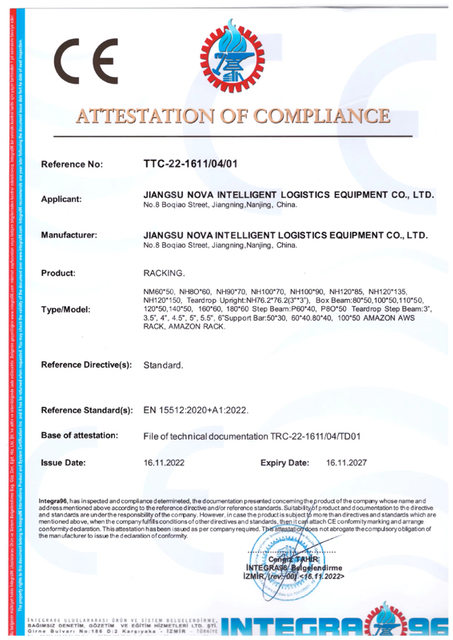 CE Racking
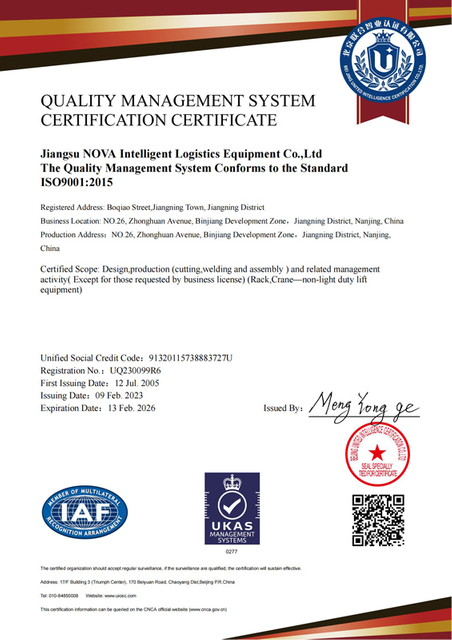 ISO 9001
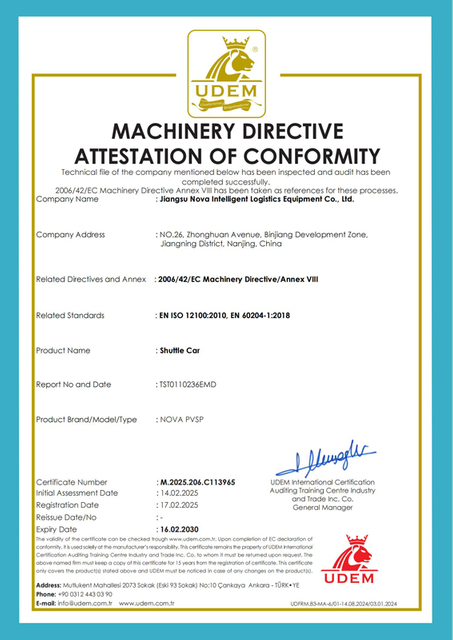 CE Shuttle Car
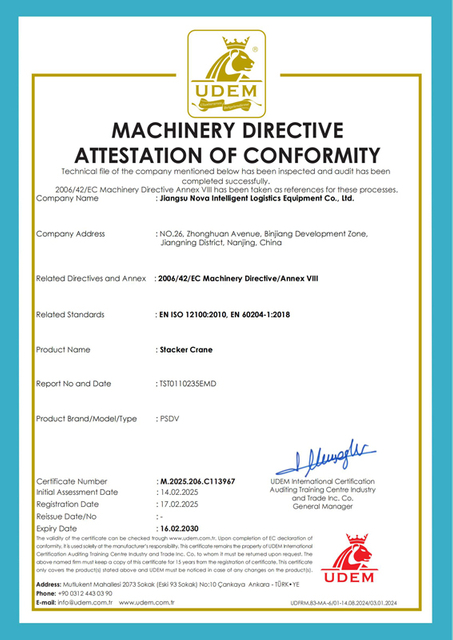 CE Stacker Crane
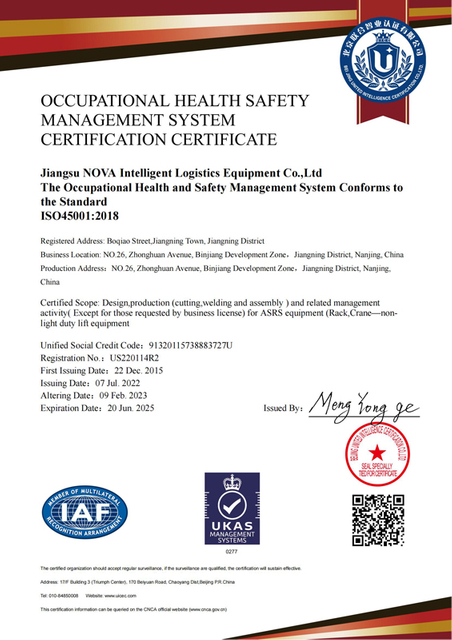 ISO 45001
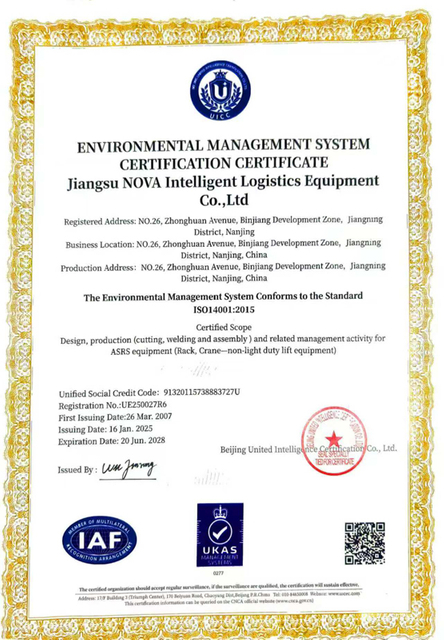 ISO 14001
How to Build a Better Wholesale Racking Inquiry
A detailed inquiry shortens the engineering cycle and produces a more accurate price. Instead of asking only for a racking price list, send the operating data that changes the design: building length, width and clear height; column positions; floor slab information; pallet dimensions and weights; number of SKUs; required pallet positions; forklift or VNA equipment; and whether the site is in a seismic or coastal zone. If the project is a distribution center, include expected daily inbound and outbound pallet movements so the supplier can recommend selective, shuttle, drive-in or mezzanine layouts with the right balance between density and access.
Wholesale buyers also benefit from asking for drawings before placing a deposit. A qualified manufacturer should provide a general arrangement drawing, pallet-position count, load notes, packing estimate and shipping volume. For projects with future automation, ask how the first phase can be designed so that racking uprights, aisle modules and floor tolerances remain compatible with a later shuttle or AS/RS upgrade. This is where a manufacturer with both racking and automation experience adds real information gain.
Common Buyer FAQ
Practical answers for importers, distributors and warehouse owners evaluating China wholesale pallet racking and shelving manufacturers.
Can your pallet racking be designed for seismic zones in Chile, Peru and Colombia?
How long does production and shipping to South American ports take?
Which export documents do you provide for customs clearance?
Do you offer installation and after-sales service overseas?
What surface finish is recommended for humid or coastal warehouses?
Can you customize racking sizes and provide OEM production?
How should I compare a low price with total project cost?
Can a selective racking project be upgraded to shuttle or AS/RS later?
Send Your Pallet, Load and Building Data for a Factory-Direct Review
Share your building dimensions, pallet size and weight, SKU profile, forklift type and target pallet positions. Our engineering team can reply with a layout direction, system recommendation and quotation basis for selective racking, shuttle racking, drive-in, cantilever, mezzanine or narrow-aisle storage.
Suitable for distributors, warehouse contractors, 3PL operators and project buyers comparing China wholesale pallet racking and shelving manufacturers & manufacturer.