Custom OEM Longspan Racking Factories & Supplier
Factory-direct medium-duty shelving and pallet racking engineered for distributors, 3PLs, manufacturers and private-label warehouse programmes.
Eight Warehouse Storage Systems for Custom Longspan Projects
Go beyond a catalogue bay. Each system below can be engineered around your load schedule, pick method, seismic zone, finish specification and container plan. The original product paths are preserved so buyers can compare detailed specifications, while custom quotations are developed through the enquiry channel.
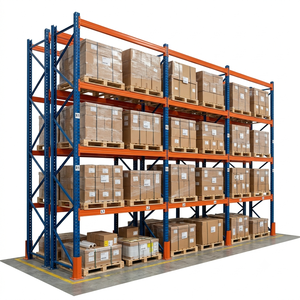
Heavy Duty Pallet Rack Industrial Warehouse Shelving Adjustable Steel Storage Rack System for Logistics Center
A selective heavy-duty pallet rack platform for logistics centres that need adjustable beam levels, fast SKU access and a documented load path. Configure upright height, beam profile, decking and impact protection around your pallet mix.
View product →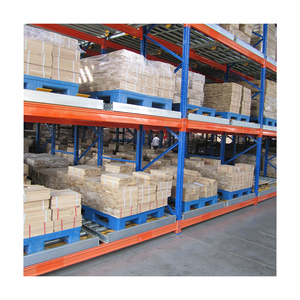
Steel Pallet Rack System Heavy Shelving Storage Shelf Selective Heavy Duty Rack Steel Shelving Warehouse Racking for Wholesale
A wholesale-oriented selective rack system with steel shelving and pallet support. It suits distributors that need high selectivity, simple installation and repeatable quality across multiple warehouses.
View product →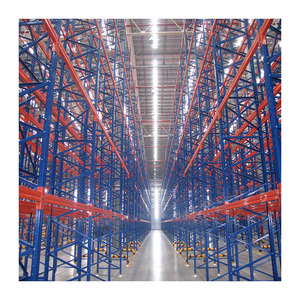
Mracking Heavy Duty Industrial Palletized Racking with a Capacity of 1000-4000kg Industrial Storage Racking
A 1,000–4,000 kg industrial racking option for manufacturers and 3PLs. Load capacity is verified against your actual pallet weight, beam span and upright height, not a generic brochure figure.
View product →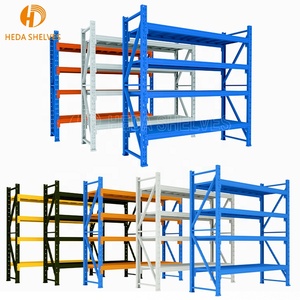
Heavy Duty Warehouse Pallet System Warehouse Racking Pallet Rack Shelving Pallet Racking for Industrial Shelves System
A flexible warehouse pallet system that can be combined with longspan picking faces, mezzanine platforms or automation interfaces. Engineered for expansion rather than a single, fixed layout.
View product →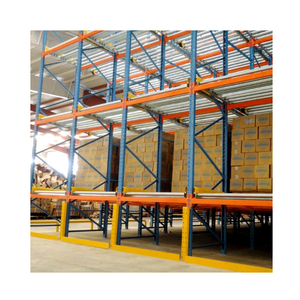
Popular Metal Rack Storage Racks Units Steel Warehouse Storage Racking Systems Gravity Pallet Flow Racking System
A gravity pallet flow system for dense storage of repeat SKUs. It improves FIFO control and reduces forklift travel in beverage, food, cold-chain and high-throughput distribution centres.
View product →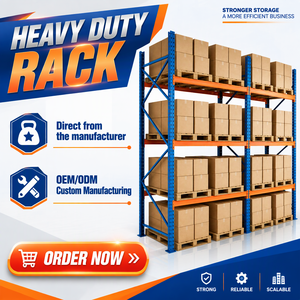
Hot Selling 800kg Adjustable Metal Racking Custom 4 5 6 Layer Selective Pallet Racking System Heavy Duty Warehouse Pallet Racks
A custom 4-, 5- or 6-layer selective rack for 800 kg-class pallets and cartons. Adjustable levels support pick-face ergonomics, carton picking and future SKU changes without replacing uprights.
View product →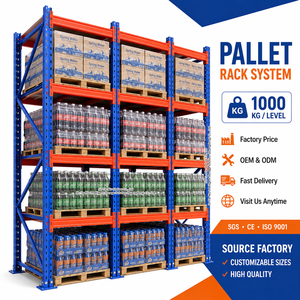
Heavy Duty Pallet Rack System for Beverage Storage Food Warehouse and Pallet Goods Racking
A pallet rack system for beverage, food and pallet goods storage. Hygienic detailing, stable pallet support and finish options are matched to wash-down, humidity and cold-store conditions.
View product →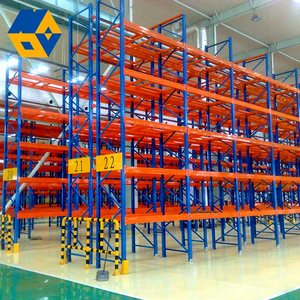
NOVA Industry Warehouse Steel Adjustable Shelf, Automation Equipment Heavy Duty Pallet Racking System Selective Pallet Rack
An automation-ready selective pallet rack platform for warehouse steel and automated equipment. It can serve as the racking interface for AS/RS, shuttle systems or WMS/WCS-controlled operations.
View product →Need a custom bay schedule, finish sample or container plan for an OEM project?
Contact UsCustom OEM Longspan Racking Is an Engineering Programme
A longspan system is not simply “shelving with a heavier beam”. In an OEM programme it is a load-bearing steel structure that must satisfy local approvals, installation tolerances, export packing and years of reconfiguration.
Longspan racking is often described as medium-duty shelving, but that label understates the procurement risk. In a custom OEM programme, the racking is a load-path system: uprights carry compression, beams transfer pallet or carton loads, decking spreads point loads, bracing resists lateral forces, and base plates transfer shear and uplift into the slab. The most useful question is therefore not “what is the price per bay?” but “which factory can prove the design, document the materials, pack the order for freight and support the system after handover?”
My Favorite Shelf Industrial Co., Ltd. has manufactured racking and automated storage since 1997. Our production base processes around 60,000 tons of steel per year, our project history exceeds 8,000 deliveries, and our equipment operates in more than 140 export markets. A municipal-level R&D centre holds more than 70 national patents and software copyrights covering racking, stacker cranes, conveyors, shuttle carriers and warehouse control software. That combination matters when a longspan project later expands into mezzanine, shuttle or AS/RS storage.
Load path and deflection
Ask for member-by-member calculations, beam deflection checks, upright capacity at actual height, and anchor design. These files should match the drawing set, not a generic brochure.
Material and coating traceability
Request steel grade, coil traceability, powder system, pretreatment stages and coating thickness. Humid ports and cold stores need more than a colour reference.
Compliance and local approvals
Export projects need files that local engineers can review. Depending on site, references include NCh 2369, E.030, NSR-10 or ABNT NBR 15524, plus ISO and CE evidence where applicable.
Export packing and spares
Container fill, steel-strapped bundles, installation sequence, spare uprights and beam locks all change the real landed cost. Mature OEM suppliers plan this before production.
Practical tender scorecard for custom racking
Experienced buyers rarely award on unit price alone. This illustrative evaluation focus shows where quotations tend to differ most when specifications are compared properly.
Three Ways to Specify a Better Longspan System
The right system depends on SKU profile, pick frequency, building constraints and the next phase of growth. These three configurations cover the majority of distributor, 3PL and OEM enquiries.
E-commerce and spare-parts picking
Use longspan shelving, wire-mesh or steel decking, and a mezzanine if clear height allows. The best layout keeps fast movers at ergonomic pick height and reserves reserve pallet stock for replenishment. Ask for a SKU velocity profile and a pick-face count, not only a bay count.
Explore longspan →Distribution and 3PL operations
Combine selective pallet racking for reserve stock with a longspan pick face for cartons and slow movers. This hybrid approach protects fast access while allowing dense pallet storage behind the pick line. Specify upright protection, aisle geometry and a reconfiguration plan before the building is fitted out.
View pallet racking →OEM private-label distribution programme
For distributors that need repeat production, standardise upright profiles, beam pitch, colour and packaging while keeping bay lengths flexible. A factory that controls drawings, powder coating and container loading can protect your brand better than a trading intermediary. Request sample finish panels and a pre-shipment inspection plan.
View custom racking →Future Procurement Trends for Longspan Racking, 2026–2030
Warehouse buyers are becoming more analytical. The winning supplier will be the one that makes risk visible, not the one that hides complexity behind a low unit price.
Proof-based tenders
Award committees are moving from a price grid to an evidence grid: calculation reports, coating records, container plans, installation method statements and spare-parts lists. Suppliers that treat documentation as an afterthought will lose on total risk, even when their steel price is lower.
Nearshoring and urban warehouses
Nearshoring and urban fulfilment are pushing warehouses into smaller footprints, tighter fire clearances and higher pick frequencies. Multi-tier longspan, mezzanine-supported pick faces and modular bays will be specified more often than deep, static storage.
Total landed cost and lifecycle value
Buyers increasingly compare repair time, coating durability, reconfiguration flexibility and container utilisation. A cheaper rack that needs extra freight, on-site rework or early repainting is not cheaper over a five-year horizon.
Digital procurement packs
CAD blocks, BIM-ready models, anchor schedules and WMS label logic will be requested earlier. These files reduce coordination risk between racking, sprinklers, conveyors, AMRs and local structural engineers.
Automation-ready manual storage
Many first-phase projects must remain manual today but automate later. Procurement teams will favour rack layouts that preserve AMR drop points, conveyor interfaces, sensor fields and clean WMS/WCS data structures.
Supply-chain resilience
Container optimisation, dual-port options, material traceability and schedule transparency are becoming evaluation criteria. For OEM buyers, a factory that can re-route or re-batch an order without redesigning the rack is a strategic advantage.
Product Development Trends Shaping Custom Longspan Racking
Steel sections, coatings, digital models and automation interfaces are developing together. Buyers should specify the output they need, not simply the material they recognise.
High-strength steel and precision forming
Higher-strength sections and tighter forming tolerances allow stronger bays with less steel, better container fill and more predictable deflection. The benefit depends on certified material and disciplined process control, not on a claim alone.
Hybrid storage architecture
Longspan shelving is increasingly combined with mezzanine platforms, pallet rack reserves and AS/RS interfaces. Hybrid systems let buyers phase investment while keeping the same pick-face logic and SKU data.
Sensor-ready and QR-labelled racking
Rack bays are being labelled for inspection, location and WMS integration. Future-ready layouts reserve space for sensors, damage reporting and digital maintenance records without disrupting operations.
Corrosion protection for humid and cold-chain sites
Coastal ports, tropical warehouses and cold stores require enhanced pretreatment, powder specification or galvanising. Product development is moving toward application-specific finish systems rather than one standard colour.
BIM and digital twins
BIM models and digital twins improve clash detection, approval speed and maintenance planning. For modular racking, a reliable digital model is becoming part of the product, not an optional extra.
Circular design and repairability
Repairable beams, replaceable uprights, reusable decking and clearer material data support ESG targets. Buyers are asking how a rack can be reconfigured, extended or recycled instead of scrapped.
The Specification Variables That Change a Custom Racking Quote
Two suppliers can quote the same number of bays yet deliver very different long-term value. Use this matrix to make the comparison measurable.
| Specification variable | Why it changes the quote | Evidence to request |
|---|---|---|
| Bay span and beam profile | Beam depth, deflection and container fill all change with span. A low-cost beam may require more steel elsewhere. | Beam section drawing, load-deflection table and clear bay dimensions. |
| Load per level and point load | Average UDL is not enough. Pallet support conditions and point loads can govern decking and beam selection. | Maximum point load, decking capacity and pallet support drawing. |
| Upright height and bracing | Taller uprights need heavier sections and different bracing. Capacity must be checked at actual height. | Upright capacity table at your height, bracing layout and base-plate design. |
| Seismic or wind exposure | Local code may govern anchors, base plates and lateral bracing more than storage load does. | Site-specific seismic calculation referencing NCh 2369, E.030, NSR-10 or project requirements. |
| Decking material | Steel, wire mesh, timber or plastic affects fire performance, dust, weight, repairability and picking. | Material certificate, fixing detail and decking load rating. |
| Finish and pretreatment | Coastal humidity, cold stores and wash-down areas require more than a standard powder colour. | Coating system data, pretreatment stages, thickness checks and salt-spray evidence where relevant. |
| Packing and installation | Container plan, bundle weight and installation sequence directly affect site labour and landed cost. | Packing drawing, container load plan, method statement and spare-parts list. |
Factory Advantages That Reduce Execution Risk
A credible OEM supplier must combine manufacturing capacity, engineering depth, certification and on-site support. The strongest proposals make those capabilities auditable.
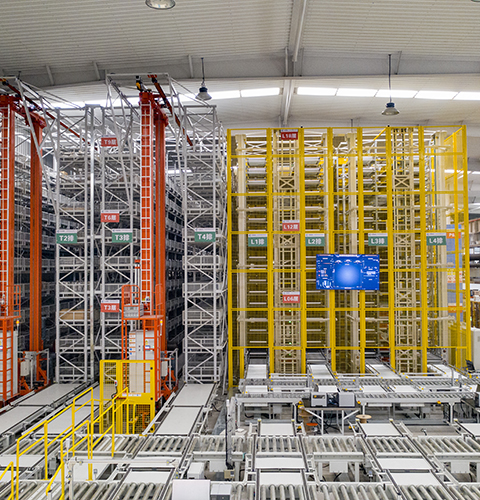
My Favorite Shelf is not a trading desk that forwards drawings to anonymous workshops. Our production base combines cold rolling, profile forming, powder coating and assembly under ISO 9001, ISO 14001 and ISO 45001 management systems. Our engineering team is led by a professor-level senior engineer and doctoral tutor who co-authored automated warehouse design and logistics distribution centre references.
That mix of manufacturing depth and logistics engineering is why the company has been a designated logistics equipment supplier for international enterprises including GE, Siemens, Walmart, Amazon and Toyota. CE certification covers racking, shuttle cars, stacker cranes, four-way shuttles and RGVs, while ISO 10012 measurement management supports consistent inspection.
- One team aligns layout, steel specification, automation interfaces and documentation.
- Production capacity and inspection records support repeat OEM orders.
- Spanish and Portuguese project support is available for South American buyers.
Single-source engineering
Layout, load calculations, racking, automation interfaces and WMS/WCS can be coordinated by one team. This reduces the most expensive risk in a racking project: unclear responsibility between suppliers.
Production capacity
Cold rolling, profile forming, powder coating and assembly are managed under one quality system, with around 60,000 tons of annual steel capacity and documented inspection points.
Verifiable certification
ISO 9001, ISO 14001, ISO 45001, ISO 10012 measurement management and CE certificates for racking, shuttle cars, stacker cranes, four-way shuttles and RGVs support procurement review.
Installation and after-sales
Supervising engineers, local crew training, commissioning checks, spare parts and remote diagnostics for automated equipment support the full life of the system.
Third-Party Certificates and Industrial References
Procurement teams should be able to verify claims quickly. The certificates below are part of the quality file; the selected references show the operating environments where the company’s racking and automation systems have been applied.
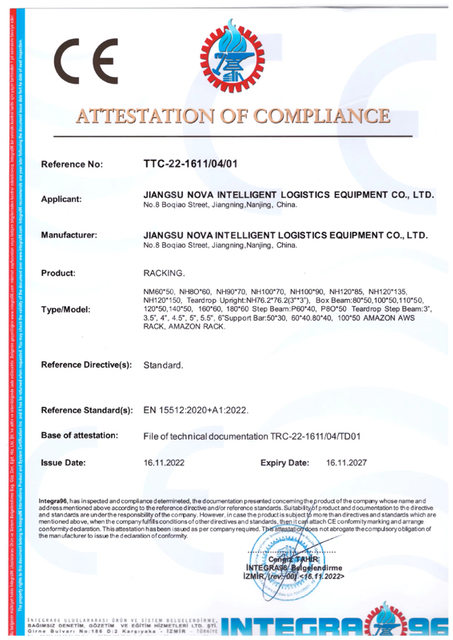 CE · Racking
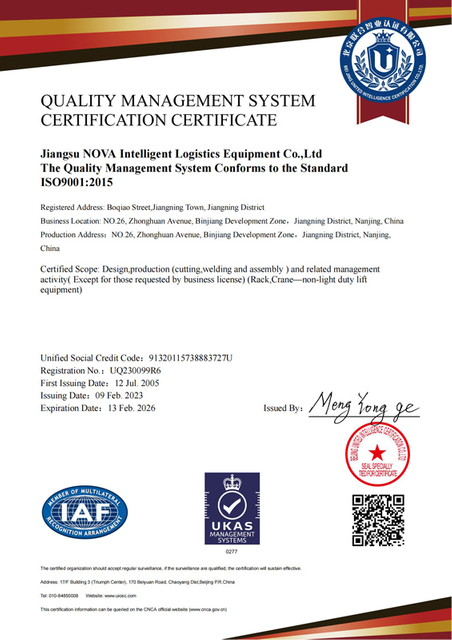 ISO 9001
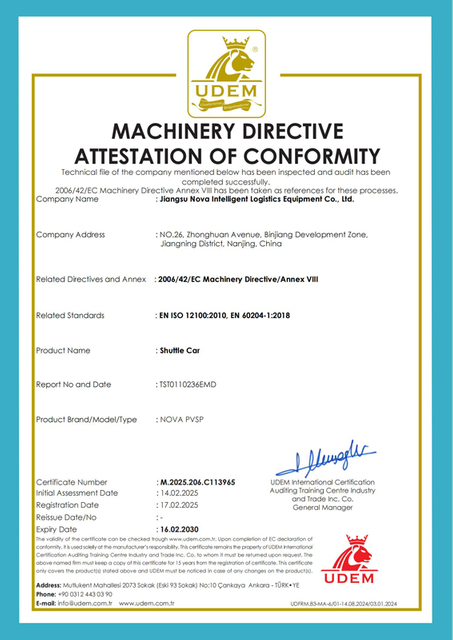 CE · Shuttle Car
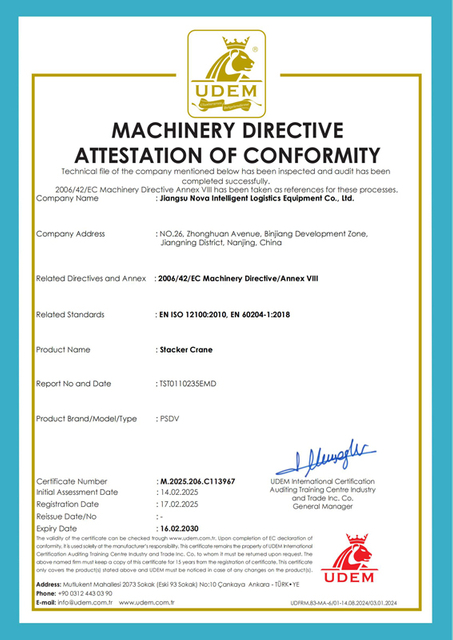 CE · Stacker Crane
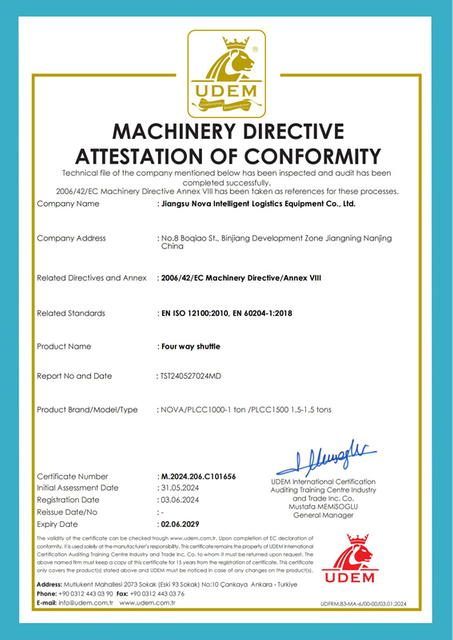 CE · Four-Way Shuttle
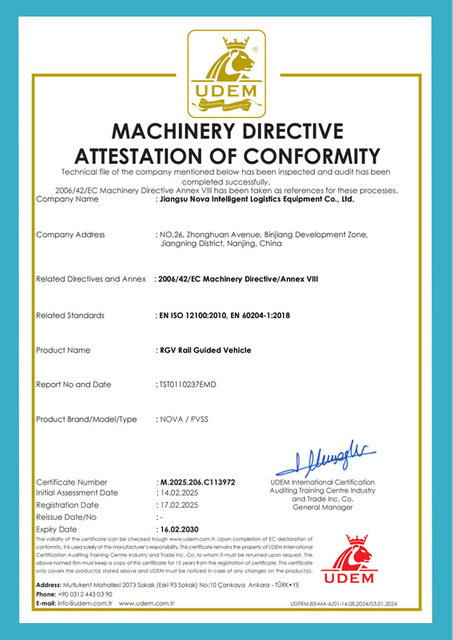 CE · RGV
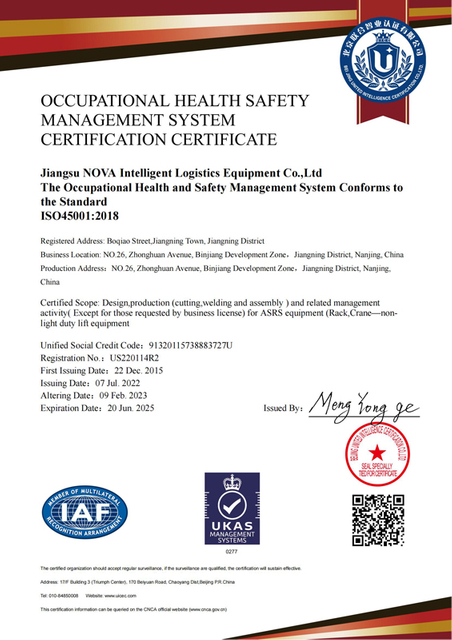 ISO 45001
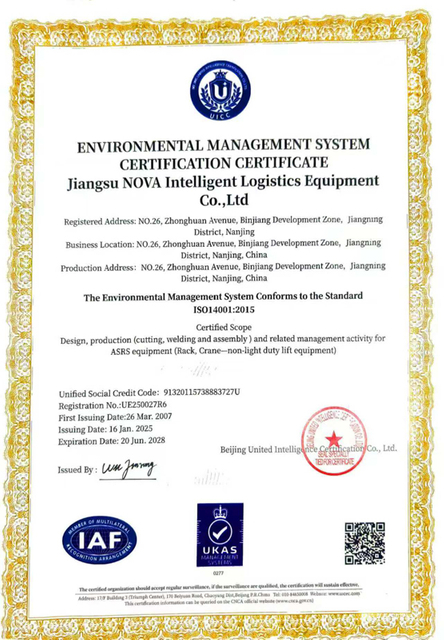 ISO 14001
Selected customer references
Designated logistics equipment supplier for international enterprises including GE, Siemens, Walmart, Amazon and Toyota. Logos below reflect selected customer references and may include group companies.








Racking Engineered Around Real Operations
Product photographs show components; project evidence shows how the engineering performs under real load, throughput and expansion pressure.
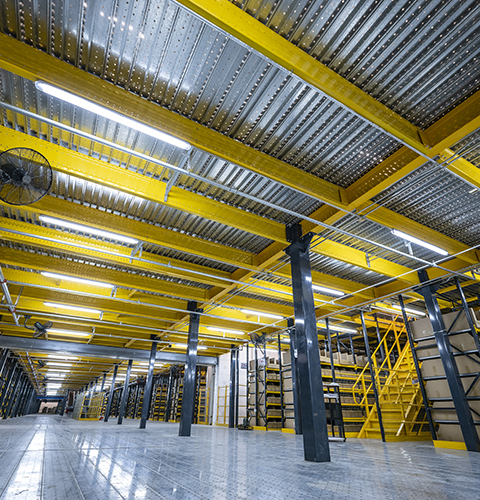
Machinery Industry High-Density Storage Center
Heavy components and spare parts were consolidated into high-density pallet storage, freeing floor space for production expansion. The project demonstrates how heavy-duty pallet racking and a clear load path reduce handling risk in maintenance stores.
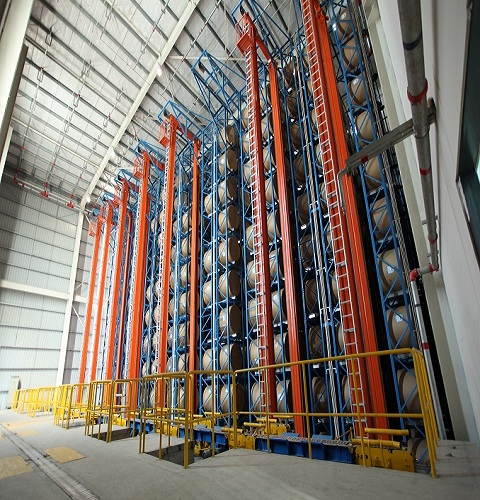
E-Business Logistics Center
Multi-tier picking racks and pallet storage were combined for peak-season order volumes and rapid SKU rotation. Longspan pick faces, carton flow and reserve pallet storage can be phased without rebuilding the whole warehouse.
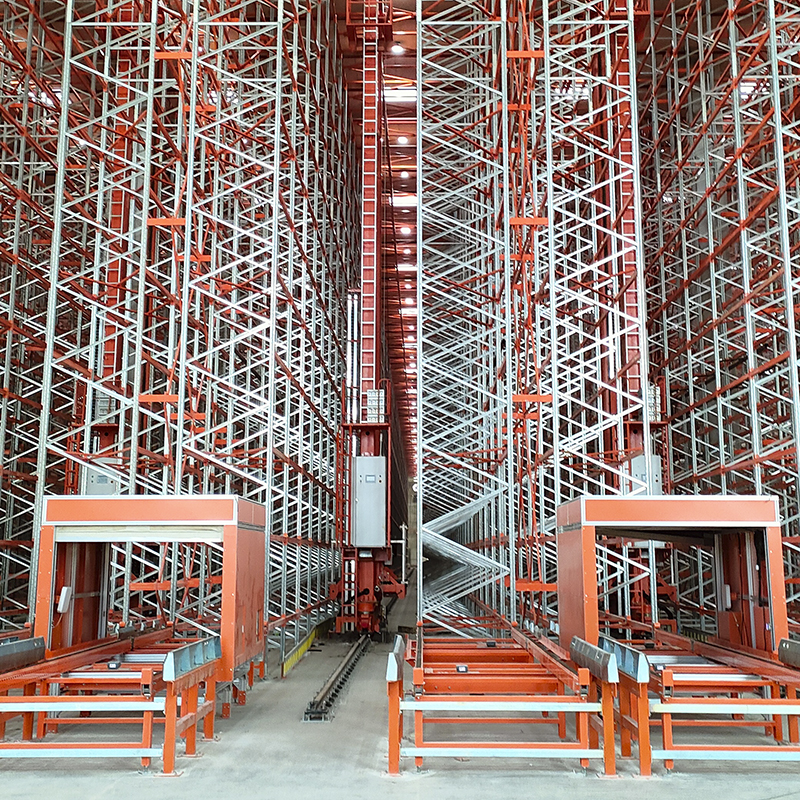
Paper-Making Industry Logistics Center
Automated storage for heavy paper rolls and finished goods linked production output directly to dispatch. The project illustrates why racking, controls and WMS/WCS interfaces should be specified together, not retrofitted after steel is installed.
Warehouse Solutions: Lifting Storage and Working Efficiency
Using 25+ years of racking and AS/RS projects in medical, food, automotive, textile, oil and e-commerce sectors, our project engineers explain where automation pays back fastest. The lesson for longspan racking buyers is to design the manual pick face so it can later accept conveyors, AMRs or a WMS label strategy.
A good racking layout should be a growth platform, not a dead end. That is why bay geometry, upright capacity, power/data routes and pick-face height should be reviewed together with the future automation case.
Engineered for Seismic, Humid and Long-Distance Routes
Seismic activity along the Andes, tropical humidity and long ocean routes change how racking must be designed and shipped. Regional requirements should be written into the RFQ, not discovered at installation.
Chile and Peru
Seismic review can reference NCh 2369 and E.030, with heavier uprights, bracing, base plates and anchor specifications for review by your local engineer. Calculation reports can be delivered with quotation drawings.
Colombia and Ecuador
Humid and coastal warehouses may require enhanced pretreatment powder coating or hot-dip galvanised components. Seismic checks per NSR-10 can be included where required by the project.
Brazil
Large-scale distribution projects can reference ABNT NBR 15524 storage-system practice and use container-optimised packing. High-bay, VNA and shuttle integration can be coordinated for retail, food and pharma DCs.
Argentina, Uruguay and beyond
Modular longspan, mezzanine and cantilever systems can grow in phases, helping manage capital spending. Export documents and installation manuals can be supplied in English with Spanish or Portuguese project support.
Shipping and documentation: main ports served include Santos, Paranaguá, San Antonio, Valparaíso, Callao, Buenaventura, Cartagena, Guayaquil, Buenos Aires and Montevideo. Standard racking production is typically 25–35 days, with ocean transit usually 30–45 days depending on route. Export documents include commercial invoice, packing list, bill of lading, certificate of origin, test reports and installation manuals, with Spanish and Portuguese support available for project documentation.
Custom OEM Longspan Racking FAQ
These are the questions that most often determine whether a quotation is genuinely comparable or simply appears cheaper on paper.
Can you customise longspan racking to my exact carton, pallet and pick-face dimensions?
Yes. Custom OEM longspan racking starts from your load schedule: bay length, clear height, beam pitch, decking, load per level, forklift or picking method, and future SKU changes. We return a layout, pallet-position count, load calculation and quotation that show the assumptions. That makes comparing suppliers fair because every offer is tested against the same data.
How do I verify the load capacity and engineering documents?
Request member-by-member calculations, beam deflection data, upright capacity at actual height, base-plate and anchor design, and a GA drawing set. For seismic zones in Chile, Peru and Colombia, calculations can reference NCh 2369, E.030 and NSR-10 as required by the project. My Favorite Shelf supplies calculation reports with quotation drawings for review by your local engineer.
What surface finish should I specify for humid or coastal warehouses?
For tropical or coastal sites, specify epoxy-polyester powder coating with enhanced pretreatment, or hot-dip galvanised components for cold storage and high-corrosion environments. State the expected humidity, salt exposure, wash-down regime and required coating thickness in the RFQ. This prevents a low-cost finish from becoming a maintenance liability.
What is the typical MOQ and lead time?
MOQ is project-specific. We support pilot orders, mixed-container programmes and repeat OEM production. Standard selective racking is typically produced in 25–35 days; ocean transit from China to Santos, San Antonio, Callao, Buenaventura, Guayaquil or Buenos Aires usually takes 30–45 days depending on route. AS/RS and shuttle projects follow a schedule agreed at contract stage.
How do you pack and document an export racking order?
We provide commercial invoice, detailed packing list, bill of lading and certificate of origin, with test reports, material certificates and installation manuals available on request. Profiles are nested and steel-strapped to improve container fill and reduce freight cost per pallet position. Installation sequences and spare-part lists are prepared so local crews and supervisors can work from the same documents.
Can longspan racking integrate with mezzanine, AS/RS or WMS/WCS?
Yes. Longspan pick modules can be combined with mezzanine platforms, conveyor interfaces, AMR drop points, selective pallet racking and automated storage. Our portfolio includes AS/RS, four-way shuttle, radio shuttle, mezzanine and rack-supported building systems, so interfaces can be coordinated before steel is rolled. This is especially valuable when a manual warehouse is expected to automate in a later phase.
Send Your Layout, Load Data and Target Market
Our engineers will review your building drawing or simple length × width × clear height, pallet or carton size, load per level and throughput target. The reply should include a layout direction, pallet-position logic, system recommendation and the documentation required for your local approval process.
- Building length × width × clear height and column grid
- Pallet or carton size and maximum load per level
- Forklift, pick-face and throughput requirements
- City and country for seismic, coating and freight review
Typical reply within one business day in English, Spanish or Portuguese.