8 Custom OEM Pallet Rack Shelving Products for Demanding Warehouses
These configurations cover the practical range of warehouse storage projects: heavy-duty selective racking, boltless adjustable systems, cold-room storage, back-stopper safety, high-bay racking and multi-tier pallet shelving. Each product link preserves the original product URL so buyers can move from evaluation to specification without losing context.
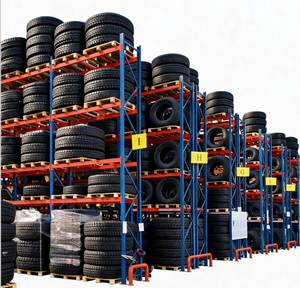
Custom Heavy Duty Industrial Pallet Racking Load Capacity Warehouse Pallet Shelving Q235 Steel Beam Type Adjustable Powder Rack
A flexible OEM platform for mixed-SKU racking projects. Adjustable Q235 steel beams, powder-coated uprights and custom bay dimensions allow distributors to localize colors, load labels, packaging and documentation while keeping structural performance traceable. Recommended for industrial warehouses, export distributors and repeatable batch projects.
View product specs →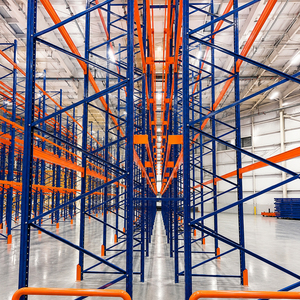
Heavy Duty Pallet Rack 1000kg Steel Storage Rack for Logistics Center 24h Technical Support Premium Pro
Built around a 1000 kg load platform, this heavy-duty steel storage rack is aimed at logistics centers that need predictable picking access, modular expansion and responsive technical support. It is suitable for phased warehouse fit-outs where installation drawings, spare parts planning and operator training matter as much as steel price.
View product specs →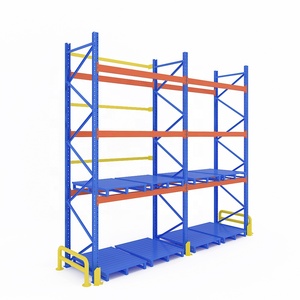
Warehouse Storage Industrial Pallet Rack with Back Stopper
The back stopper is a small component with a large operational impact: it helps prevent pallets from being pushed through the bay and protects goods, operators and adjacent aisles. This industrial pallet rack is recommended for fast-moving distribution centers and food, beverage or retail warehouses where forklift traffic and damage control are part of procurement policy.
View product specs →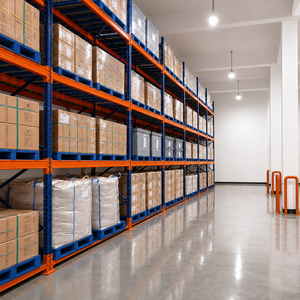
Warehouse Storage Rack 2500kg Capacity Porta Paletes Q235B Steel Racks Industriales Selective Storage for Cold Room High Density
A 2500 kg selective storage rack designed for cold-room and high-density pallet inventory. Q235B steel, application-specific powder coating and careful detailing around moisture, condensation and freezer traffic help protect long-term performance. Recommended for refrigerated logistics, food distribution and importers who need export-ready documentation.
View product specs →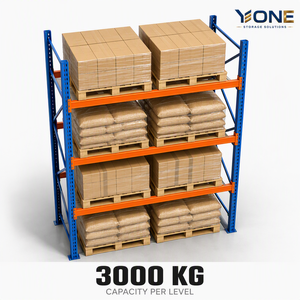
Factory Heavy Duty Steel Pallet Rack 2000kg Capacity Warehouse Storage Rack System Boltless Adjustable
This 2000 kg boltless adjustable system is useful where installation speed and future reconfiguration are important. It suits factories, spare-parts warehouses and distribution centers that want a factory-direct racking system with simpler assembly, clear load labels and optional OEM packaging for resale channels.
View product specs →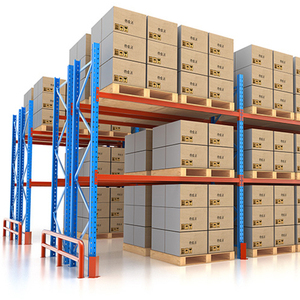
Selective Heavy Duty Warehouse Storage Rack Shelving System Pallet Racking
Selective pallet racking remains the default choice when every pallet must be directly accessible. This heavy-duty system is recommended for multi-SKU operations that cannot afford lane blocking, including e-commerce fulfillment, replacement parts and retail distribution. It can be engineered with seismic calculations, wire mesh decking and custom beam levels.
View product specs →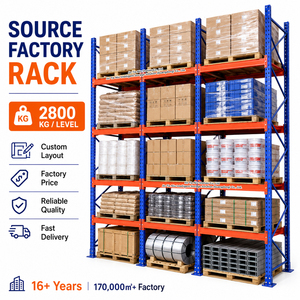
2800KG 5 Levels High Bay Industrial Pallet Racking Heavy Duty Warehouse Rack System
A 2800 kg, five-level high-bay configuration for warehouses using vertical height to reduce cost per pallet position. It is suitable for VNA planning, large distribution centers and importers who need a repeatable high-bay racking module with documented beam loads, upright protection and shipping-friendly packing.
View product specs →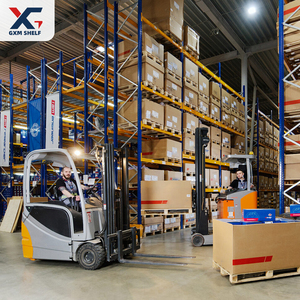
GXM Warehouse Durable Metal Storage Rack Industrial Storage Multi Tier Pallet Heavy Duty Shelf System
A durable multi-tier pallet storage system for warehouses that need to combine bulk pallet storage with organized access to smaller picked items. It suits distributors, industrial parts warehouses and exporters who want to maximize cubic space without moving to a fully automated AS/RS project yet.
View product specs →What OEM Pallet Rack Shelving Buyers Are Changing in 2025–2030
The purchase decision is moving away from a simple price-per-bay comparison. Buyers now evaluate landed cost, documentation, seismic responsibility, corrosion protection, installation risk and the supplier’s ability to support future automation. That shift creates real information gain for buyers who ask better questions before ordering.
Total Cost of Ownership Replaces Lowest Unit Price
Quotations are increasingly reviewed by steel weight, coating system, anchors, freight, installation labor, spare parts and downtime risk. A lower factory price can lose value if container fill is poor or if site modifications delay commissioning.
Standards and Documentation Become Mandatory
Procurement teams now ask for CE scope, ISO certificates, material traceability, load-test reports, coating thickness records and installation manuals. Buyers should confirm which certificate applies to racking, shuttle cars, stacker cranes and RGVs separately.
Seismic and Local Approval Readiness
Projects in Chile, Peru and Colombia require structural calculations that a local engineer can review. References such as NCh 2369, E.030 and NSR-10 influence upright reinforcement, bracing, base plates and anchor specifications.
Climate-Specific Finishes
Humid tropical and coastal warehouses are specifying enhanced pretreatment powder coating or hot-dip galvanized components. Cold-chain buyers are also reviewing condensation behavior and touch-up procedures before shipment.
Automation-Ready Layouts
Even when the first phase is manual selective racking, buyers want future interfaces for shuttle racking, AS/RS, conveyors and WMS/WCS software. Layout decisions made at phase one can determine whether automation is feasible later.
Port-Optimized Packaging and Freight Planning
Nested profiles, steel-strapped bundles and container-optimized packing directly affect landed cost. Export buyers are asking for packing lists that match installation sequencing, not just a total steel weight.
Lifecycle Support and Spare Parts
Racking is a long-life asset. Procurement teams now request spare uprights, beam locks, safety clips, anchor schedules and periodic rack inspection guidance so operations can react quickly to forklift damage.
Supplier Traceability and Auditability
Steel coil batch records, powder batch numbers, weld inspection, coating thickness and anchor torque values are becoming part of supplier qualification. Documentation protects both the buyer and the installation contractor.
How Pallet Rack Shelving Technology Is Evolving
The next generation of racking is not only stronger; it is more modular, better documented, easier to inspect and more ready for integration with warehouse software and automated equipment. These development trends should be written into the specification before the first purchase order is issued.
High-Bay and Modular Selective Racking
Warehouses are pushing upward to reduce cost per pallet position. Modular uprights, adjustable beam levels and engineered bracing allow a selective rack to serve both current manual operations and future high-bay layouts.
AS/RS and Shuttle Integration
Radio shuttle, four-way shuttle and AS/RS systems are being planned earlier in the design cycle. The key question is not only density; it is how pallet quality, WMS data, maintenance access and spare parts will be managed.
Safety by Design
Back stoppers, upright protectors, guide rails, warning labels and anchor verification are moving from optional accessories to standard specification items. This is especially important in fast-moving distribution centers with mixed forklift traffic.
Cold-Chain and Corrosion Engineering
Cold-room and coastal projects demand finish decisions at the quotation stage. Powder coating, pretreatment and hot-dip galvanizing choices affect service life, maintenance cycles and total cost of ownership.
Digital Engineering and Load Documentation
CAD layouts, pallet-position simulations, load calculations and QR-coded batch records help buyers verify what was ordered, what was manufactured and what was installed. This improves E-E-A-T for both the supplier and the project team.
Green Steel and Recyclability
Steel racking is inherently recyclable, but buyers are also looking at powder coating emissions, packaging waste, container utilization and the supplier’s environmental management certification. Sustainability is becoming a procurement metric, not a slogan.
Match the Racking System to SKU, Density and Throughput
A custom OEM quotation should always begin with the operation, not the catalog. Use this matrix to compare storage density, selectivity, project risk and the information a supplier must provide before the quotation can be considered reliable.
| System | Density | Selectivity | Best Fit | Information Gain to Request |
|---|---|---|---|---|
| Selective Pallet Racking | Medium | High | Many SKUs and fast access | Beam load by level, upright capacity, anchor calculation, sprinkler clearance |
| Double-Deep Racking | Medium-high | Medium | Two or more pallets per SKU | Reach truck requirements, pallet quality, last-in-first-out logic, extraction risk |
| Drive-In Racking | High | Low | Cold rooms and homogeneous SKUs | Lane depth, forklift entry clearance, rail protection, freeze-thaw finish performance |
| Radio Shuttle Racking | High | Medium | Deep lanes with FIFO or LIFO | Shuttle quantity, battery strategy, maintenance access, spare parts plan |
| Four-Way Shuttle | Very high | High | Automated dense pallet storage | WMS/WCS interface, pallet tolerance, buffer lanes, remote diagnostics capability |
| AS/RS | Very high | High | High-bay, labor-saving distribution | Stacker crane specification, seismic design, software scope, commissioning schedule |
| Longspan / Mezzanine | Medium | High | Cartons, parts and multi-tier picking | Floor loading, staircase and gate positions, fire egress, shelf load labels |
What to Send for a Precise OEM Quote
The fastest quotation is not the one with the lowest price; it is the one that matches your building, pallet and operating reality.
- Building length, width, clear height and column grid
- Pallet length × width × height, weight and overhang
- SKU velocity, pallets per SKU and required selectivity
- Forklift type, lift height and aisle width
- Seismic zone, city, country and local approval requirements
- Indoor, cold-room, coastal or humid operating environment
- Target port, Incoterm and installation responsibility split
- OEM color, logo, load label and packaging requirements
Engineered for South American Warehouses, Ports and Seismic Zones
Seismic activity, tropical humidity, cold-chain logistics and long ocean routes change how pallet rack shelving should be designed, packed and documented. A supplier with experience in these conditions reduces the risk that a quotation looks correct on paper but fails during permits or installation.
Seismic-Ready Design
Structural and seismic load calculations can be prepared with reference to NCh 2369 and E.030, including reinforced uprights, bracing, base plates and anchor specifications for review by the local engineer.
Large-Scale Distribution
High-bay selective racking, VNA, shuttle and AS/RS systems for retail, food and pharmaceutical distribution centers, with design practice prepared with reference to ABNT NBR 15524 where required.
Humid and Coastal Sites
Enhanced pretreatment powder coating or hot-dip galvanized components for ports, cold chain and exporters. Seismic checks can reference NSR-10 where the project location requires it.
Flexible Expansion
Modular longspan, mezzanine and cantilever systems that can grow in phases, helping buyers manage capital spending while preserving future layout options and pallet-position capacity.
Typical delivery planning: standard selective racking is commonly produced in 25–35 days, followed by approximately 30–45 days of ocean transit depending on the route. Main ports served include Santos, Paranaguá, San Antonio, Valparaíso, Callao, Buenaventura, Cartagena, Guayaquil, Buenos Aires and Montevideo. Export documents can include commercial invoice, detailed packing list, bill of lading, certificate of origin, material certificates, test reports and installation manuals, with Spanish or Portuguese project support available.
A Factory You Can Audit, Not Just a Catalog
My Favorite Shelf Industrial Co., Ltd. has designed, manufactured and installed warehouse racking and automated storage systems since 1997. Buyers working with us gain a factory-direct supply chain, documented engineering, export packing discipline and a single accountable team from layout to after-sales support.

Proven With Global Brands
Designated logistics equipment supplier experience with international enterprises including GE, Siemens, Walmart, Amazon and Toyota, applying the same project discipline to distributors, 3PLs and manufacturers in South America.

R&D and Innovation
A municipal technical R&D center with more than 70 national patents and software copyrights covering racking, stacker cranes, conveyors, shuttle carriers and WMS/WCS warehouse control software.

Certified Quality Control
Production managed under ISO 9001, ISO 14001, ISO 45001 and ISO 10012 measurement management, with steel coil traceability, coating-thickness checks and load testing before shipment.

Expert Engineering Team
Led by a professor-level senior engineer and doctoral tutor who co-authored automated warehouse design manuals and logistics distribution center management references, supporting complex layouts and technical review.
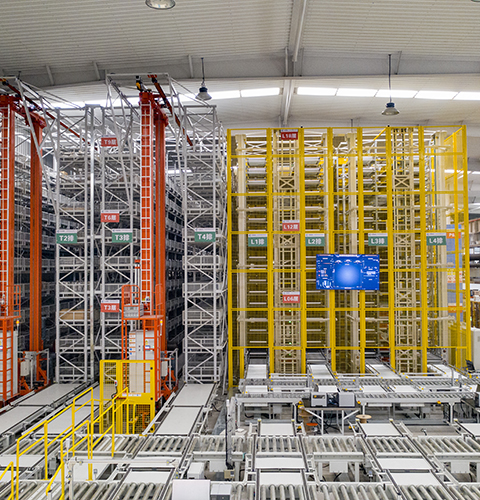
Machinery Industry High-Density Storage Center
Heavy components and spare parts consolidated into high-density pallet storage, freeing floor space for production expansion while improving inventory control.
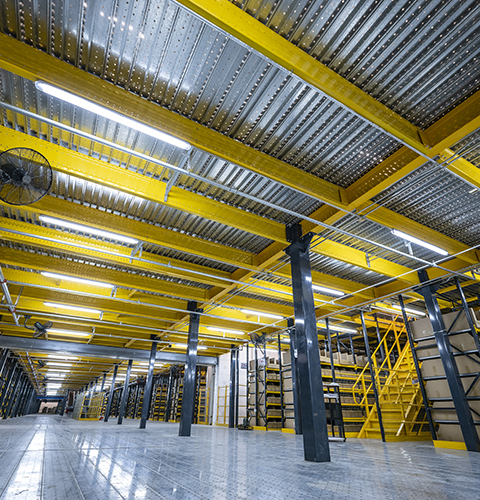
E-Business Logistics Center
Multi-tier picking racks and pallet storage engineered for peak-season order volumes, rapid SKU rotation and practical installation sequencing.
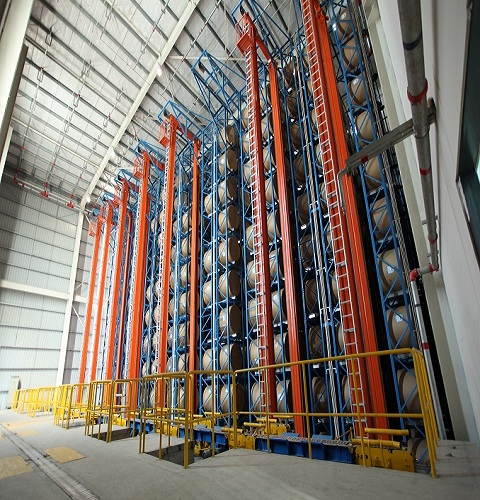
Paper-Making Industry Logistics Center
Automated storage for heavy paper rolls and finished goods, linking production output directly to dispatch and reducing manual handling risk.
Certifications and References Procurement Teams Can Verify
Certification scope matters. CE certification for racking is different from CE certification for shuttle cars, stacker cranes or RGVs. Buyers should request the correct certificate for each equipment category and confirm that it matches the exact product being sourced.
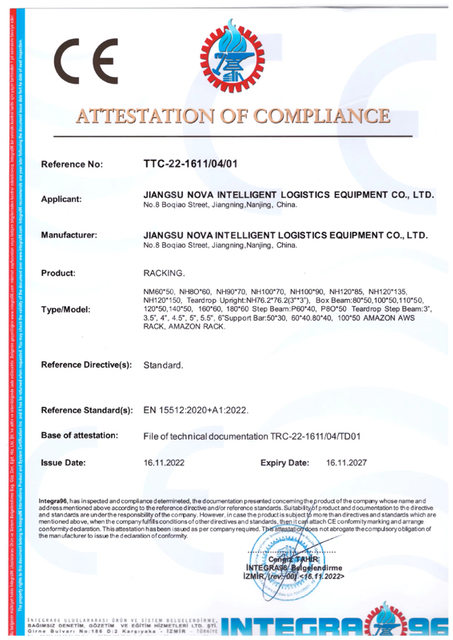 CE · Racking
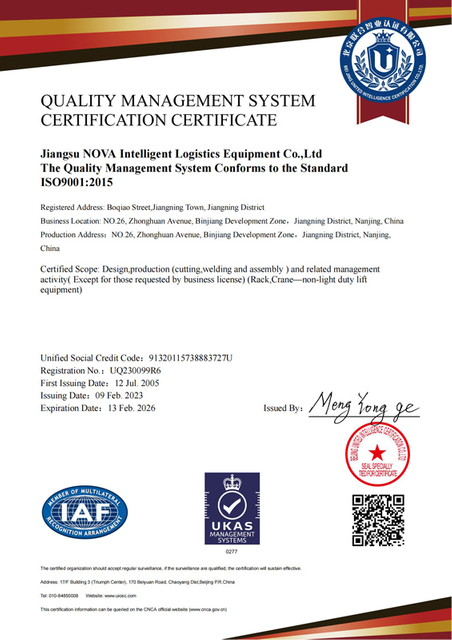 ISO 9001
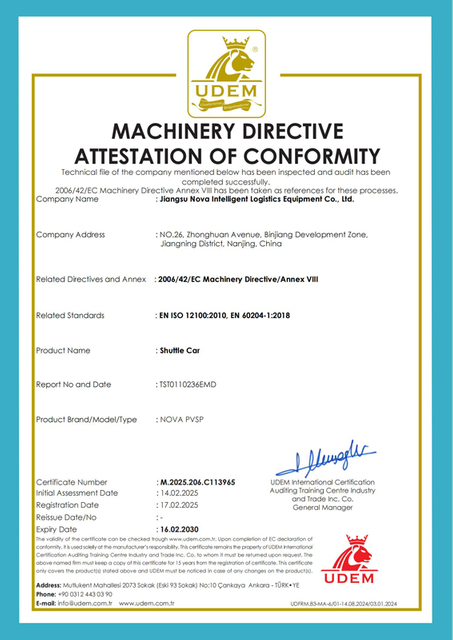 CE · Shuttle Car
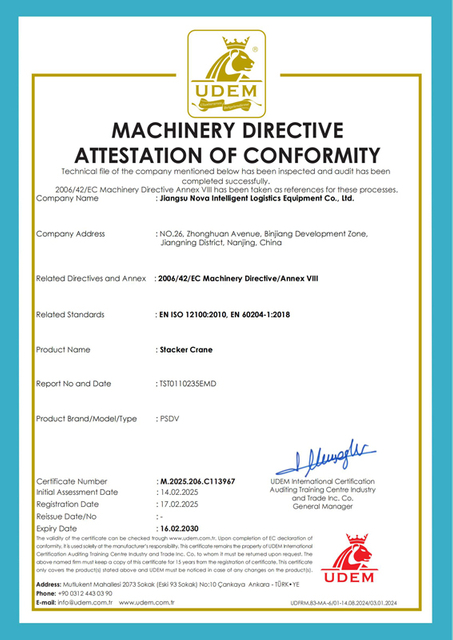 CE · Stacker Crane
Selected References from Our Project Portfolio
Global brands and logistics leaders shown in our company profile reflect the project discipline and quality expectations applied to every OEM racking project.








Frequently Asked Questions About Custom OEM Pallet Rack Shelving
These are the practical questions that procurement, engineering and warehouse operations teams ask before confirming a factory-direct racking order.
Can your pallet racking be designed for seismic zones in Chile, Peru and Colombia?
Yes. Our engineers can run structural and seismic load calculations with reference to local requirements such as NCh 2369 for Chile, E.030 for Peru and NSR-10 for Colombia. Reinforced uprights, bracing, base plates and anchor specifications can be adjusted accordingly. Calculation reports can be delivered with quotation drawings for review by your local engineer.
How long does delivery to South American ports take?
Standard selective racking is typically produced in 25 to 35 days. Ocean transit from China to ports such as Santos, San Antonio, Callao, Buenaventura, Guayaquil or Buenos Aires usually takes about 30 to 45 days depending on the route. AS/RS and shuttle projects follow a project schedule agreed at contract stage.
Which export documents do you provide for customs clearance?
We can provide commercial invoice, detailed packing list, bill of lading, certificate of origin and, on request, test reports, material certificates and installation manuals in English. Spanish or Portuguese support can be arranged for project documentation and technical communication.
Do you offer installation and after-sales service in South America?
Yes. We can dispatch supervising engineers for installation and commissioning, train local installation teams, supply spare parts and offer remote diagnostics for automated systems such as stacker cranes, shuttles and WMS/WCS software. The exact service scope should be defined before the order is finalized.
What surface finishes are recommended for humid or coastal warehouses?
For humid tropical or coastal sites, we recommend epoxy-polyester powder coating with enhanced pretreatment. For cold storage and high-corrosion environments, hot-dip galvanized components may be more appropriate. The finish recommendation should be matched to the operating environment, cleaning chemicals and expected service life.
How do I specify custom OEM pallet rack shelving?
Send building dimensions, clear height, column grid, pallet size and weight, SKU profile, forklift type, aisle requirements and target country. For OEM projects, specify color, logo, load labels, packaging, manual language and any local standards that the buyer must satisfy. A supplier should return a layout, pallet-position count, load calculation and itemized quotation, not only a unit price.
What is the minimum order quantity and how is quality controlled?
Project quantity depends on the racking type, customization and shipping method. Instead of quoting a universal minimum, a factory-direct supplier should confirm the manufacturing batch, container plan and inspection plan. Quality control should include steel traceability, dimensional checks, weld inspection, powder coating thickness, load testing and packing verification before shipment.
How should a buyer compare selective, drive-in, shuttle and AS/RS racking?
Compare by SKU count, selectivity, pallet movement per hour, building height, forklift type, future automation plan and local permitting requirements. Selective racking offers direct access for many SKUs; drive-in and shuttle systems increase density but reduce flexibility; AS/RS reduces labor dependence but requires software, maintenance and commissioning planning. A lifecycle cost comparison is more reliable than a price-per-bay comparison alone.
Request a Factory-Direct Pallet Rack Shelving Layout, Load Calculation and Quotation
Share your building dimensions, pallet data, SKU profile, target port and project schedule. Our engineering and export team will return a practical recommendation covering racking type, pallet-position count, finish, shipping plan and documentation requirements. Whether you are importing standard selective racking or developing a private-label OEM pallet rack shelving program, the next step is a technical conversation based on your actual warehouse data.