What does custom OEM mean for warehouse pallet storage racks?
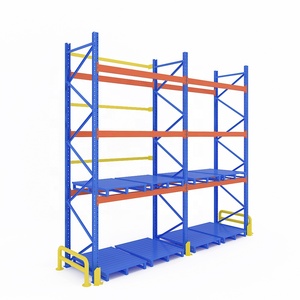
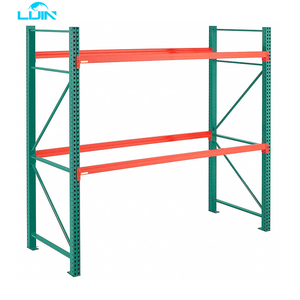
Custom OEM means the rack is manufactured to your agreed drawings, dimensions, load ratings, colour, labelling and packaging requirements, not simply selected from a fixed catalogue. It can include private-label manuals, customer-specific load plates, alternative beam profiles, accessory kits and container loading plans. The supplier should provide engineering submittals and a clear bill of materials so the product can be repeated on future orders.
How is safe load capacity calculated for a pallet rack bay?
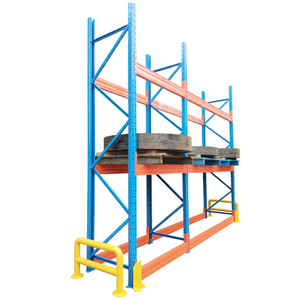
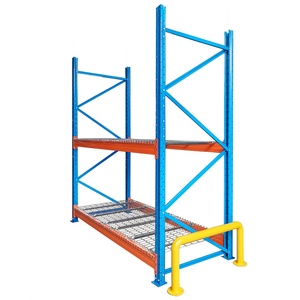
Capacity depends on upright section, beam section, beam span, load placement, decking type, bracing, floor condition, anchor design and seismic or wind requirements. The buyer should provide pallet weight, pallet dimensions, load height, maximum stack height and forklift handling method. A professional supplier will specify capacity per pair of beams and per bay, and will state assumptions such as evenly distributed loads and correct pallet condition.
Can you produce private-label racking, manuals and packaging for wholesalers?
Yes. OEM wholesale programmes can include neutral or customer-branded manuals, load plates, carton labels, accessory bags, colour codes and spare-part identification. Packaging can be adapted for sea freight, mixed containers or distributor stock. To keep repeat orders consistent, the approved drawings and label artwork should be controlled in the supplier’s project documentation.
What documents can be supplied for export and customs clearance?
Typical documents include commercial invoice, detailed packing list, bill of lading, certificate of origin and, when requested, test reports, material certificates and installation manuals. For projects requiring structural review, the supplier can provide layout drawings and load calculations. Language support in English, Spanish or Portuguese can be discussed at the quotation stage.
How do you handle seismic zones, cold storage or outdoor applications?
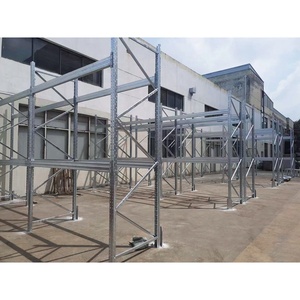
Seismic zones require project-specific calculations, reinforced frames, bracing, base plates and anchor specifications, with review by a qualified local engineer. Cold storage requires attention to coating, moisture, concrete and safety accessories. Outdoor yards usually require hot-dip galvanizing, drainage review and wind consideration. These factors should be declared before the design is finalised because they directly affect steel weight and cost.
What are the MOQ, lead time and shipping considerations for wholesale orders?
MOQ depends on product family, custom finish and packaging requirements. Standard racking is often produced within 25–35 days after drawing approval, while larger or automated projects follow an agreed schedule. Ocean freight depends on route, container utilisation and port congestion. Nested profiles, mixed container loads and accurate packing lists usually reduce freight cost and installation delays.
How should a buyer choose between selective, drive-in, radio shuttle and AS/RS?
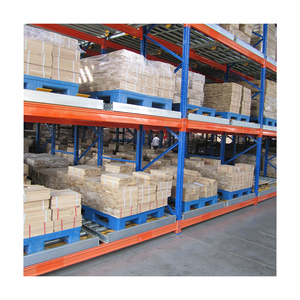
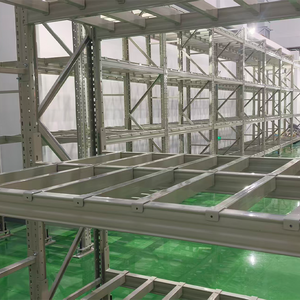
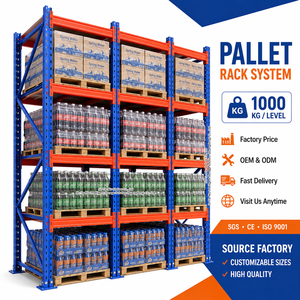
Selective racking offers the best access and works well for mixed SKUs. Drive-in or radio shuttle systems improve density when SKU counts are low and pallet quantities are high. AS/RS suits high-throughput operations with predictable pallet profiles and automation budgets. The right answer usually comes from a layout study that compares pallet positions, forklift travel, labour, safety and future expansion rather than from a single rack price.
What after-sales support is available after delivery?
Support can include installation drawings, remote technical guidance, spare-part lists, accessory supply and inspection recommendations. For automated systems, software and control support may also be provided. Wholesale buyers benefit from a clear warranty, spare-part identification system and a named contact for project questions, so end customers receive consistent service after the racking is installed.