OEM/ODM Industrial Racking Manufacturers & Factories
Factory-direct pallet racking, drive-in, radio shuttle, four-way shuttle, mezzanine and AS/RS systems engineered for seismic zones, cold chain, high-bay warehouses and South American logistics projects.
8 Industrial Racking Systems Ready for Customization
Each system can be supplied as an OEM or ODM project with drawing approval, load calculations, surface-finish specification, container-optimized packing and export documentation. Product links below are preserved from the original catalog.
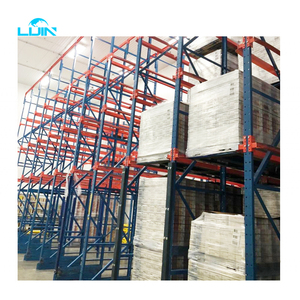
Pallet Racking System Equipment Drive in Metal Shelves Steel Layer Heavy Duty Warehouse Rack
High-density lane storage for uniform pallet loads, cold rooms and beverage warehouses where cube utilization matters more than instant selectivity.
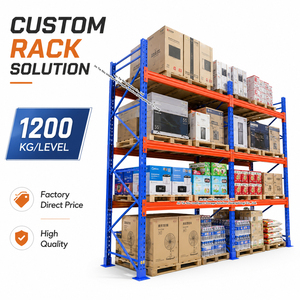
1200KG Steel Heavy Duty Rack Warehouse Pallet Storage Shelving System
A practical heavy-duty pallet storage system for distributors and manufacturers that need certified beams, adjustable levels and fast installation.
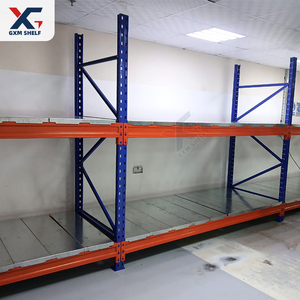
GXM Adjustable Stainless Steel Pallet Rack System Boltless Rack Storage Warehouse Heavy Duty Shelving
Boltless adjustable racking for hygienic, humid or corrosion-sensitive environments where stainless steel and easy reconfiguration are valued.
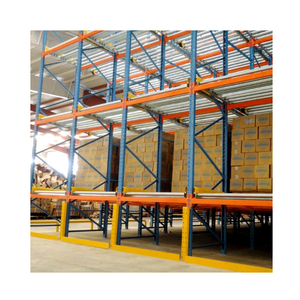
Popular Metal Rack Storage Racks Units Steel Warehouse Storage Racking Systems Gravity Pallet Flow Racking System
Gravity flow lanes support FIFO stock rotation, dense picking faces and faster throughput for food, pharma and high-turnover distribution.
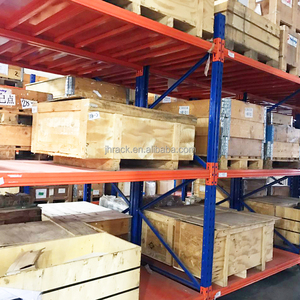
Heavy Duty Teardrop Hole Beam Selective Pallet Rack - Easy Assembly Wide Span Racking for Warehouse Pallet Storage
The workhorse option for many SKUs and direct access; teardrop beam connections simplify level changes and future expansion.
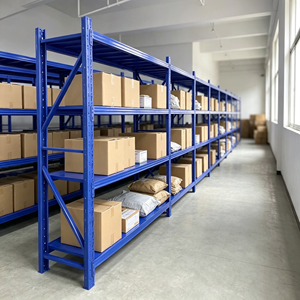
Industrial Storage Shelving Cold Rolled Steel Boltless Rivet Racks Powder Coated Corrosion Protection Warehouse Raf
Powder-coated cold-rolled steel racking for spare parts, cartons and multi-level storage; boltless assembly reduces installation time.
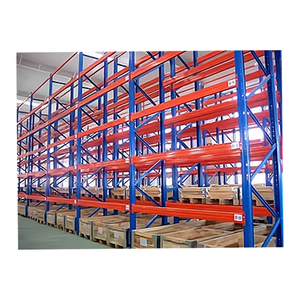
Heavy Duty Racking High Quality Price Ratio Galvanized Steel Plate Logistics Equipment Factory Beam Warehouse Rack
A cost-effective galvanized option for coastal, humid and temperature-changing sites where coating durability is a procurement priority.
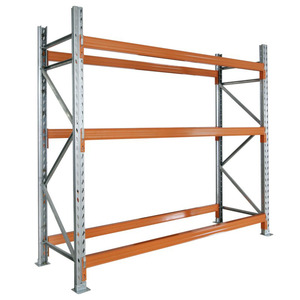
NOVA Full Automatic Warehouse Q235 Steel Boltless Store Heavy Duty Stacking Rack Industrial Storage Pallet Racking System
Automation-ready Q235 steel pallet racking for high-throughput warehouses planning shuttle, conveyor or future AS/RS integration.
What OEM/ODM Industrial Racking Buyers Should Verify
Competitive procurement is not a race to the lowest beam-and-upright price. The real comparison is engineered storage capacity, safety documentation, installation risk, freight efficiency and lifetime operating cost.
In OEM racking, the buyer typically controls the product brand, drawings, packaging, labels and documentation while the factory supplies manufacturing capacity and quality consistency. In ODM racking, the manufacturer contributes more of the engineering: aisle planning, structural calculations, seismic detailing, shuttle or AS/RS integration, coating specification and commissioning support. The difference is not a marketing label; it changes who is accountable when the pallet load, building column grid, forklift fleet and local safety review meet in the same layout.
Google’s quality guidance rewards content that demonstrates first-hand experience, expertise, authority and trust. For industrial racking, that means publishing the variables that actually drive a safe quotation: pallet size and weight, load overhang, beam deflection limits, upright impact protection, anchor design, fire-sprinkler clearance, forklift aisle width, floor flatness, seismic zone and local permit requirements. A factory that cannot explain these variables is not a lower-cost supplier; it is an unpriced project risk.
My Favorite Shelf has manufactured racking and automated storage since 1997, with a production base processing approximately 60,000 tons of steel per year and more than 8,000 delivered projects across 140+ countries. Our engineering team supports OEM and ODM projects with CAD layouts, load calculations, material traceability, coating checks and export documentation so distributors, 3PLs and manufacturers can compare offers on the same technical basis.
For South American buyers, local conditions change the specification. Chile, Peru and Colombia require seismic review; coastal ports and tropical warehouses demand enhanced corrosion protection; and long ocean routes reward container-optimized nesting and packing. A credible OEM/ODM racking factory should therefore provide calculation reports and installation manuals, not just a product photo and a price per kilogram.
Information Gain: Ask for This Evidence
- Load and deflection calculation for each beam level and upright frame.
- Seismic or wind calculation report for local engineer review where applicable.
- Coil traceability, coating thickness and surface-finish test records.
- Container loading plan showing freight cost per pallet position.
- Installation method statement, anchor specification and spare-parts list.
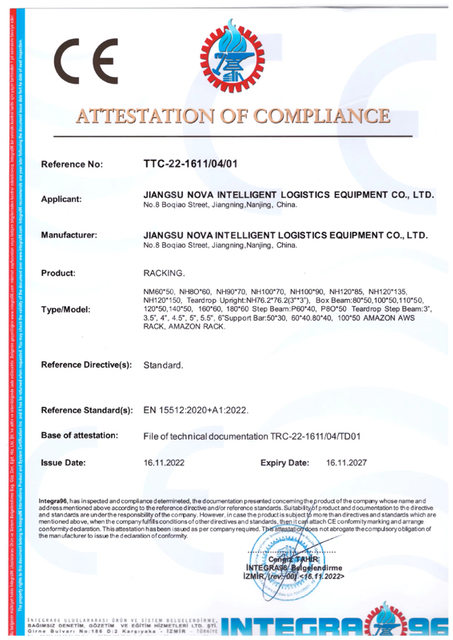
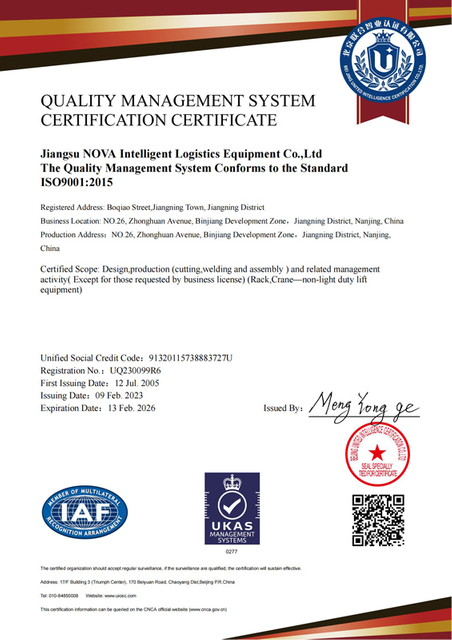
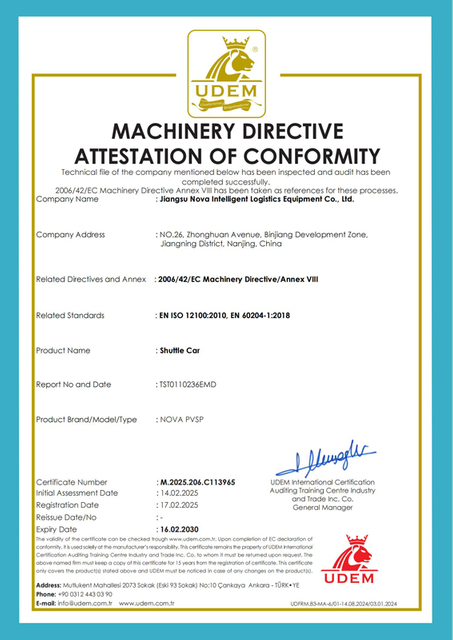
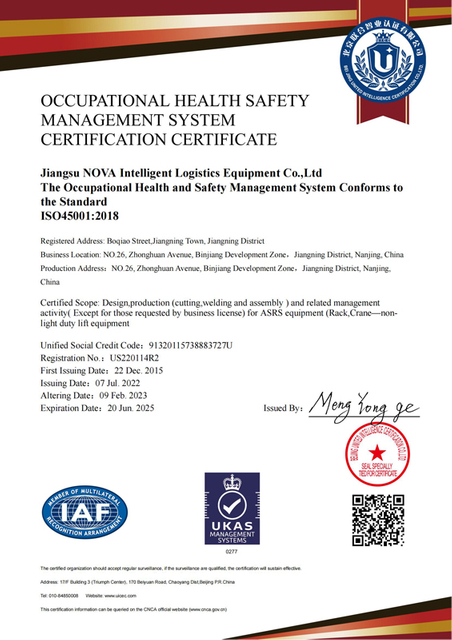
- CE, ISO and other certificates relevant to the supplied equipment.
Racking Procurement Trends Shaping 2026–2032
Industrial racking procurement is shifting from “price per bay” to risk-adjusted total cost of ownership. These four trends are especially visible in export projects, 3PLs and fast-growing South American distribution networks.
Total Cost of Ownership
Buyers now compare freight per pallet position, installation hours, anchor consumption, spare-parts availability and coating durability alongside the equipment price. A quotation that ignores container loading and supervision can erase the apparent savings.
Seismic and Safety Due Diligence
Procurement teams ask for calculation reports, anchor specifications, impact protection and third-party review. In Chile, Peru and Colombia, seismic documentation is becoming a pre-qualification item rather than a post-order correction.
Automation-Ready Modular Planning
Even buyers who begin with selective racking want a future path to radio shuttle, four-way shuttle or AS/RS. Phase-one designs should preserve building clear height, floor tolerance, power/data routes and future conveyor interfaces.
Localized Documentation and Service
Export buyers expect English, Spanish or Portuguese documentation, customs-ready packing lists, installation supervision and remote diagnostics. Serviceability is becoming part of the racking specification, especially for automated systems.
Warehouse Racking Product Development Trends
Racking development is being driven by four forces: land and labor costs, e-commerce order profiles, cold-chain growth and the need to document safety performance. The strongest factories are converging steel engineering with software and service.
High-Bay AS/RS and Stacker Cranes
Automated storage and retrieval systems continue to move upward. High-bay configurations can reach impressive heights when the building, floor, fire protection and stacker-crane dynamics are engineered together; we support layouts up to 40 m class applications subject to project verification.
Radio Shuttle and Four-Way Shuttle
Deep-lane pallet storage is becoming more intelligent. Radio shuttle systems reduce forklift travel inside racks, while four-way shuttle systems increase selectivity and automate dense storage for fast-moving distribution centers.
Corrosion Protection for Cold Chain
Cold rooms, ports and tropical climates drive demand for enhanced pretreatment, epoxy-polyester powder coating and hot-dip galvanized components. The specification must match the humidity, cleaning chemicals and temperature cycling of the site.
Faster Installation and Boltless Systems
Boltless rivet racking and optimized beam connections shorten installation and reduce on-site labor. For export projects, fewer loose fasteners and clearer packaging also reduce missing-part risk and commissioning delays.
WMS/WCS and Remote Diagnostics
Automated racking is only as good as its control layer. WMS/WCS integration, fault logging, remote troubleshooting and spare-part planning are becoming standard requirements for shuttle and AS/RS projects.
Steel Traceability and Circularity
Procurement teams increasingly ask for material certificates, coating measurements and recyclability data. Cold-rolled steel racking is highly recoverable, and coil traceability helps buyers audit quality before shipment.
Which Industrial Racking System Should You Specify?
Use the density and selectivity indicators as a first screen, then verify with pallet data, throughput and building constraints. No single racking type is best for every warehouse.
Selective Pallet Racking
Best for many SKUs, direct access and frequent picking. It offers the highest selectivity and is usually the safest first step when SKU data is still evolving.
Drive-In or Radio Shuttle
Best for cold storage, beverages and high-volume low-SKU pallets. Radio shuttle improves safety and speed by keeping forklifts out of the lanes.
AS/RS Automated Storage
Best for high throughput, labor constraints, 24/7 operations and high-bay buildings. It requires earlier planning of WMS/WCS, maintenance and fire protection.
Longspan and Mezzanine
Best for carton picking, spare parts, e-commerce and expansion without a new building. Combine shelving with mezzanine floors to multiply usable area.
| Warehouse Condition | Racking Direction | Procurement Question |
|---|---|---|
| Many SKUs, direct forklift access | Selective pallet racking | What beam load and upright frame are required at each level? |
| Few SKUs, cold room or deep lanes | Drive-in or radio shuttle | Is FIFO or LIFO required, and how many pallets per lane? |
| Labor shortage, 24/7 throughput | AS/RS, stacker crane, four-way shuttle | What WMS/WCS interface, redundancy and maintenance plan is needed? |
| Carton picking and spare parts | Longspan shelving, mezzanine platform | What floor loading, stair access and fire clearance apply? |
Why OEM/ODM Buyers Choose My Favorite Shelf
Experience you can audit: factory scale, patents, certifications, global references and engineering depth. These are the advantages that support reliable OEM/ODM industrial racking production.
Factory Scale Since 1997
A production base processing around 60,000 tons of steel per year supports consistent lead times, OEM batch production and large AS/RS projects. Manufacturing is managed through our own cold-rolling and powder-coating lines.
70+ Patents and Software Rights
Our municipal-level R&D center holds more than 70 national patents and software copyrights covering racking, stacker cranes, conveyors, shuttle carriers and warehouse management/control software.
Certified Quality Control
ISO 9001, ISO 14001, ISO 45001 and ISO 10012 measurement management support production control. CE certificates cover racking, stacker cranes, shuttle cars, four-way shuttles and RGVs, with material traceability and coating checks.
Proven With Global Brands
Designated logistics equipment supplier for international enterprises including GE, Siemens, Walmart, Amazon and Toyota. The same project discipline applies to distributors, 3PLs and manufacturers in South America.
Expert Engineering Team
Our team is led by a professor-level senior engineer and doctoral tutor who co-authored automated warehouse design and logistics distribution center management references — practical depth for complex AS/RS and seismic projects.
One Accountable Delivery Team
From warehouse design and structural calculation to production, installation supervision, commissioning and after-sales spare parts, one team manages your project and provides English, Spanish or Portuguese support.
Frequently Asked Questions for OEM/ODM Racking Buyers
These are the technical and commercial questions most often raised by distributors, warehouse managers and procurement teams evaluating an industrial racking factory.
What is the difference between OEM and ODM industrial racking?
OEM typically means the factory manufactures to your brand, drawings, packaging and documentation requirements. ODM means the manufacturer contributes more engineering and product development, such as layout design, structural calculation, shuttle or AS/RS integration and system configuration. Both models require clear specifications, drawing approval and quality inspection criteria.
Can your pallet racking be designed for seismic zones in Chile, Peru and Colombia?
Yes. Our engineers can prepare structural and seismic load calculations with reference to local requirements such as NCh 2369 in Chile, E.030 in Peru and NSR-10 in Colombia, and specify reinforced uprights, bracing, base plates and anchors accordingly. Calculation reports can be delivered with quotation drawings for review by your local engineer.
How long does production and shipping to South America take?
Standard selective racking is typically produced in 25 to 35 days. Ocean transit from China to ports such as Santos, San Antonio, Callao, Buenaventura, Guayaquil or Buenos Aires usually takes around 30 to 45 days depending on the route. AS/RS and shuttle projects follow a project schedule agreed at contract stage.
Which export documents and certificates can you provide?
We provide commercial invoice, detailed packing list, bill of lading, certificate of origin and, on request, test reports, material certificates and installation manuals. Documentation can be prepared in English, with Spanish or Portuguese support available for project communication. Certificates include ISO 9001, ISO 14001, ISO 45001 and CE documentation for relevant equipment.
Do you offer installation and after-sales service in South America?
Yes. We dispatch supervising engineers for installation and commissioning, train local installation teams, supply spare parts and offer remote diagnostics for automated systems such as stacker cranes, shuttles, RGVs and WMS/WCS software. This reduces the risk of installation delays and improves long-term system availability.
What surface finish should we specify for humid or coastal warehouses?
For humid tropical or coastal sites, we recommend epoxy-polyester powder coating with enhanced pretreatment, or hot-dip galvanized components for cold storage and high-corrosion environments. The correct choice depends on humidity, salt exposure, cleaning chemicals and temperature cycling, so it should be confirmed during technical review.
Send Your Load Data. Get a Reviewable Layout.
Share your building drawing or basic dimensions, pallet size and weight, forklift type, target throughput and project country. Our engineers will review your storage requirement and recommend a practical racking or AS/RS configuration.
- Building dimensions, column grid and clear height
- Pallet or carton size, load weight and SKU profile
- Forklift, shuttle or automation preference
- City and country for seismic and freight review
Talk to a Racking Engineer
OEM/ODM projects, factory-direct supply, seismic documentation, installation supervision and export packing can be discussed in one technical review.
Inquire NowNo extra form JavaScript added. This button uses the existing third-party live chat behavior.