Industrial Racking Systems for OEM, ODM and Wholesale Programs
The eight systems below match the most common buying intents: high-bay selectivity, multi-level storage, dense pallet lanes, gravity flow and adjustable wholesale stock. Every product can be engineered to your load schedule, finish, branding and destination port; use the product link for technical details or send an inquiry with your project brief.
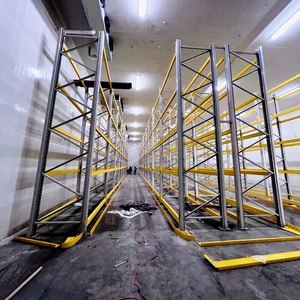
Low Price Heavy Duty VNA Rack Adjustable Metal Boltless Shelf and Racks
For VNA warehouses that need high-bay selectivity, boltless adjustability and a competitive installed cost per pallet position. OEM/ODM upright patterns, beam lengths and powder-coat colors can be aligned to your catalog.
View product details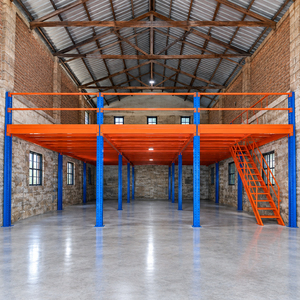
Warehouse Mezzanine Rack with Pallet Storage and Shelving Heavy Duty Steel Multi Level
A hybrid mezzanine and pallet rack platform for distributors that need more pick faces without expanding the building footprint. Suitable for multi-level storage, shelving decks and phased expansion.
View product details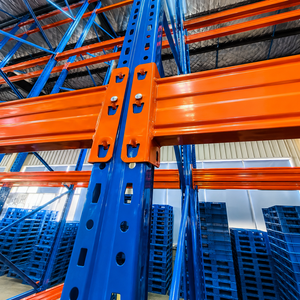
Heavy Duty Pallet Rack with H-2H Hardness Scratch-resistant Coating
Heavy-duty selective rack with H-2H hardness scratch-resistant coating for busy dispatch zones, wholesale yards and repeated forklift handling where finish durability matters.
View product details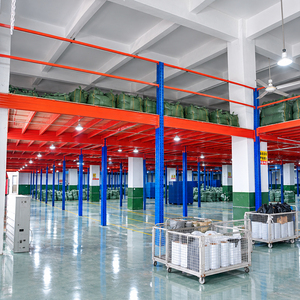
Customized Heavy Duty Mezzanine Racking with Steel Shelves
For project buyers who need mixed pallet, carton and picking levels in one engineered platform. Layout, stair locations, decking and load ratings can be customised for ODM programs.
View product details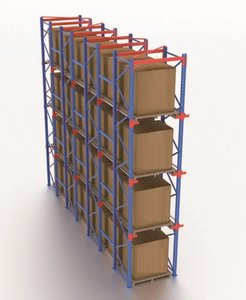
High Density Commercial Shelves Drive-In Pallet Rack for Industrial Factory Racks
Drive-in racking for homogeneous SKUs, cold storage and factory warehouses where lane utilisation matters more than random access. Ideal for beverage, food and seasonal stock buffers.
View product details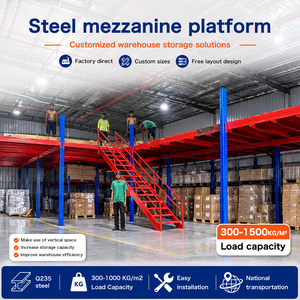
Factory Supply Industrial Mezzanine Racking System Heavy Duty Steel
Industrial mezzanine shelving for 3PLs and wholesalers that want to add a second or third storage level with a clear engineering package, documented loads and export packing.
View product details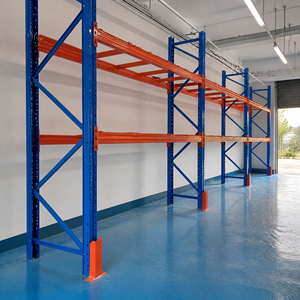
Adjustable 80x70x2.0mm Upright Selective Pallet System
Selective pallet system with adjustable 80x70x2.0 mm upright and 500-times wear-resistant testing data — useful for wholesale programs that need repeatable specifications across containers.
View product details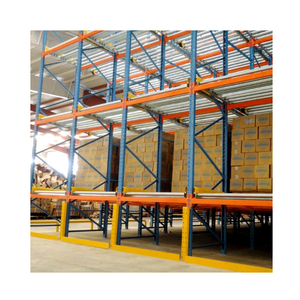
Popular Steel Warehouse Gravity Pallet Flow Racking System
Gravity pallet flow racking for FIFO inventory, production feeding and high-throughput distribution where pallet movement reduces forklift travel and improves pick faces.
View product detailsA Factory Platform Built for Recurring Wholesale and Project Orders
For OEM/ODM buyers, the advantage is not only the steel price. It is the ability to lock a specification, repeat it across containers and support it with drawings, test records, installation supervision and spare parts.
What OEM/ODM Industrial Racking Really Means for a Wholesaler
OEM is not simply a logo on a beam. It is control of the upright profile, hole pitch, welding, powder coating, packaging, barcode labelling and documentation. ODM adds engineering support so the system can be adapted to your market, warehouse practice and installation model.
Specification lock
Steel grade, section thickness, load rating, finish and packaging should be written into the approval drawing before mass production. This protects your catalog from container-to-container variation.
Engineering transparency
Ask for upright and beam drawings, load calculations, anchor details and coating requirements. A factory that can explain the design basis is easier to audit than one that quotes only weight and price.
Documentation package
Commercial invoice, packing list, bill of lading, certificate of origin, installation manuals, test reports and material certificates reduce friction for importers and project consultants.
Repeat order discipline
Wholesale growth depends on repeatable production. First-article approval, pre-shipment photos and a spare-parts list make the second and third container safer to order.
Which Industrial Racking System Fits Your Project?
Use this comparison as a first filter, then confirm the final layout with pallet load, forklift type, building height, throughput and local code requirements.
| System | Density | Selectivity | Best for | OEM/ODM note |
|---|---|---|---|---|
| VNA racking | Medium–high | High | High-bay warehouses with narrow aisles | Profile, beam and guide-rail details can be customised. |
| Pallet mezzanine | High | Medium–high | Multi-level pallet and picking operations | Decking, stairs and mixed-use levels can be adapted. |
| Coated selective rack | Medium | High | Busy dispatch zones and wholesale stock | Coating colour and thickness can match your brand. |
| Custom mezzanine | High | Medium | Project-specific multi-level storage | Layout and load ratings are engineered to brief. |
| Drive-in racking | High | Low–medium | Homogeneous SKUs and cold storage | Lane depth and rail configuration are project-specific. |
| Industrial mezzanine | High | Medium | Adding a second or third floor | Free-standing or rack-supported design available. |
| Selective pallet system | Medium | High | Fast access to many SKUs | Repeatable upright specification for distributors. |
| Gravity pallet flow | High | Medium | FIFO production feeding and distribution | Roller and brake settings depend on pallet quality. |
Factory Advantages That Matter to Wholesalers and Project Buyers
My Favorite Shelf Industrial Co., Ltd. has designed, manufactured and installed warehouse racking and automated storage systems since 1997. The same engineering discipline applies to a wholesale racking program and a large AS/RS project.
Manufacturing since 1997
Our own production base processes around 60,000 tons of steel per year, with coil traceability and batch planning for repeat wholesale orders. This helps stabilise delivery and specification consistency.
Engineering depth
A municipal R&D center holds more than 70 national patents and software copyrights covering racking, stacker cranes, conveyors, shuttle carriers and WMS/WCS. The team is led by a professor-level senior engineer and doctoral tutor.
Certified quality system
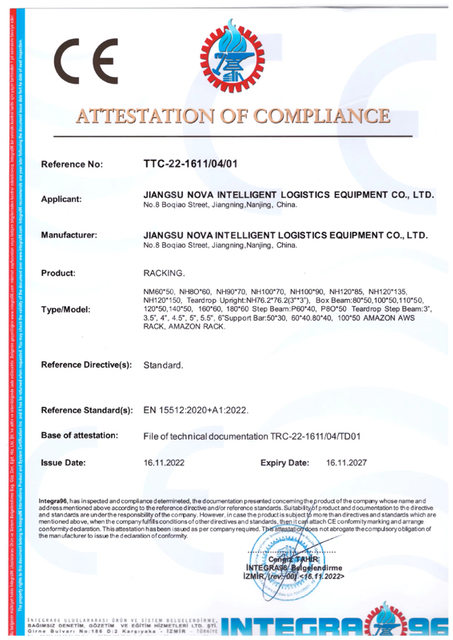
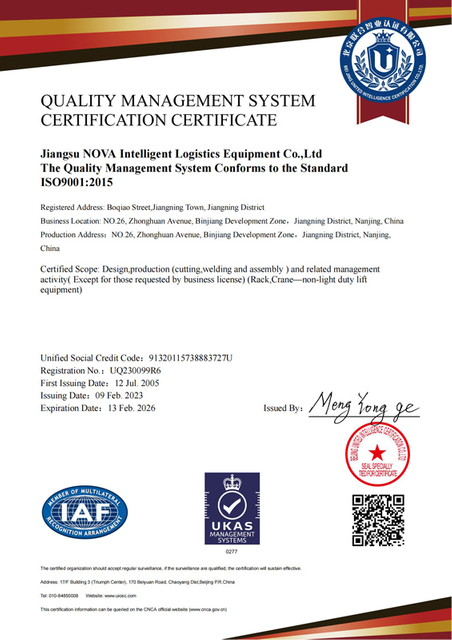
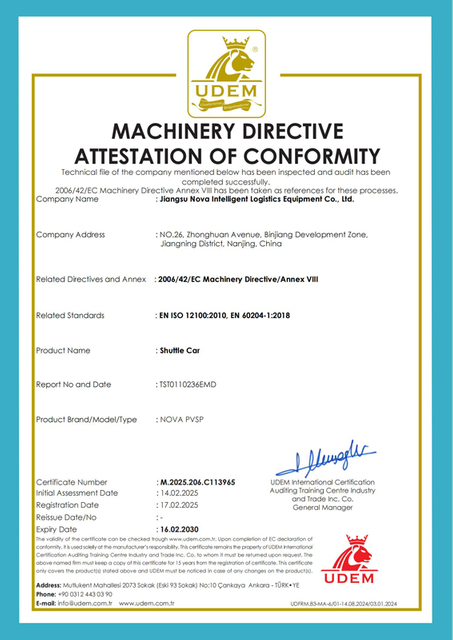
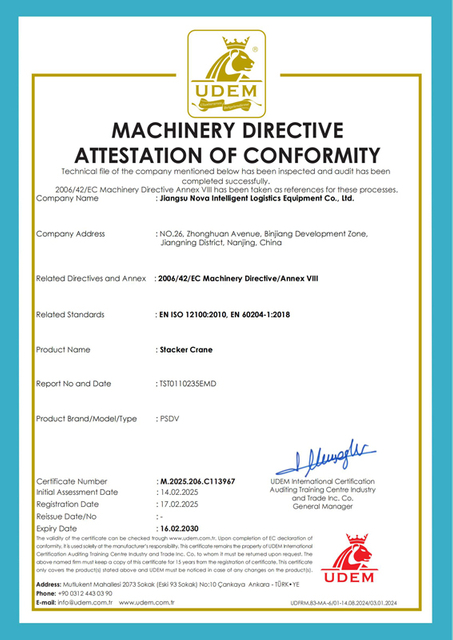
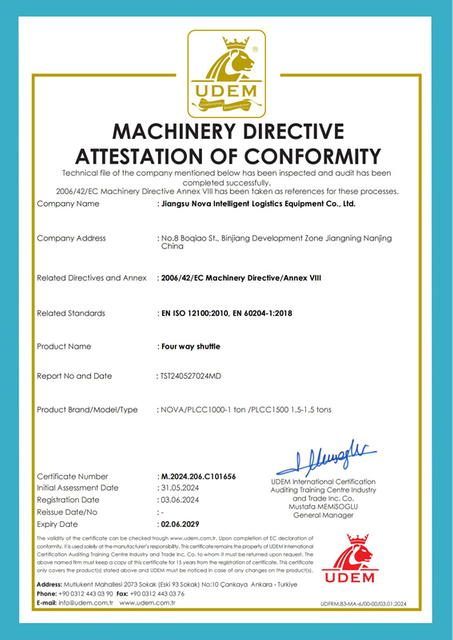
ISO 9001, ISO 14001, ISO 45001 and ISO 10012 measurement management support production control. CE certification is available for racking, shuttle car, stacker crane, four-way shuttle and RGV equipment.
Global project proof
8,000+ projects delivered in 140+ countries, with designated logistics equipment supply for enterprises including GE, Siemens, Walmart, Amazon and Toyota. Export packing, documentation and installation supervision are part of the project scope.
Industrial Racking Procurement Trends Buyers Should Plan For
Search intent is shifting from “cheap racking price” to “safe, repeatable, documented warehouse capacity”. Procurement teams are being asked to compare total cost, compliance evidence and expansion flexibility before placing an order.
Total cost per pallet position
Buyers increasingly compare installed cost including freight, installation, inspection and future expansion — not only price per kilogram or price per bay.
Documentation before discount
Load calculations, coating data, material certificates and packing lists are being requested earlier in the buying cycle, especially for tenders and 3PL projects.
Automation-ready flexibility
Warehouses may start with selective racking and later add shuttles, AMRs or WMS/WCS control. A layout that can be upgraded avoids premature rebuilds.
Container and freight engineering
Nested profiles, steel-strapped bundles and container loading plans reduce freight cost per pallet position and protect the coating during ocean transit.
Local service and spare parts
Installation supervision, training and spare-parts planning are now part of the purchase decision, particularly for automated and high-bay systems.
Data-led layout decisions
Pallet size, SKU profile, turnover and lift height should drive the system selection. A data-led layout often saves more than a direct price negotiation.
Industrial Racking System Development Trends
The next generation of warehouse racking is being shaped by higher density, stronger documentation, better coatings and tighter integration with automation and warehouse software.
High-density systems
Drive-in, radio shuttle, four-way shuttle and pallet flow systems continue to replace simple selective layouts where building land and labour costs are high.
AS/RS and four-way shuttles
High-bay stacker crane systems and four-way shuttles are becoming more modular, allowing phased automation instead of a single large capital project.
Modular mezzanine platforms
Mezzanine and rack-supported buildings add usable floors quickly. Structural design must consider future stair, conveyor and picking layouts from the start.
Advanced coatings
Epoxy-polyester powder coating, enhanced pretreatment and hot-dip galvanizing are specified for humid, coastal and cold-storage environments.
Seismic and safety engineering
Reinforced uprights, bracing, base plates and anchor design are increasingly reviewed against local seismic codes and consultant comments.
Sustainability and steel efficiency
Optimised section design, nesting, packaging and recyclable steel reduce material waste and freight emissions without compromising load ratings.
OEM, ODM and Wholesale Support for Distributors
If you sell racking under your own brand, hold stock for local projects or supply 3PLs and manufacturers, the factory relationship should be built around repeatability, documentation and responsive project support.
Private label and catalog support
Discuss product naming, label marking, packaging marks, catalog drawings and spare-parts lists for your market. First-article approval is recommended before repeat production.
Repeatable specifications
Standardise upright sections, beam profiles and coating colours for your most common systems, then keep project-specific items clearly separated in the quotation.
Container loading and export documents
Nested profiles, reinforced bundles, packing lists and certificates of origin help you control freight cost and customs clearance. Confirm HS codes with your broker before shipment.
Training and after-sales
Installation manuals, engineer supervision, remote diagnostics for automated equipment and spare-parts recommendations help protect your local reputation.
Certifications and Documentation Procurement Teams Can Review
Quality claims should be easy to check. Our management system and product certifications are supported by inspection records, drawings and test documentation that can be discussed during quotation and pre-shipment inspection.
Trusted by Global Teams That Audit Suppliers







Racking Is Engineered Around the Operation
More than 8,000 racking and AS/RS projects have been delivered across distribution, machinery, e-commerce, paper, food and logistics. Examples include AS/RS for Taishan Fiberglass, shuttle racking for Samgak FMC and PT Tiga Pilar, pallet racking for Suning Group and Keppel Logistics, and mezzanine projects for Amazon.
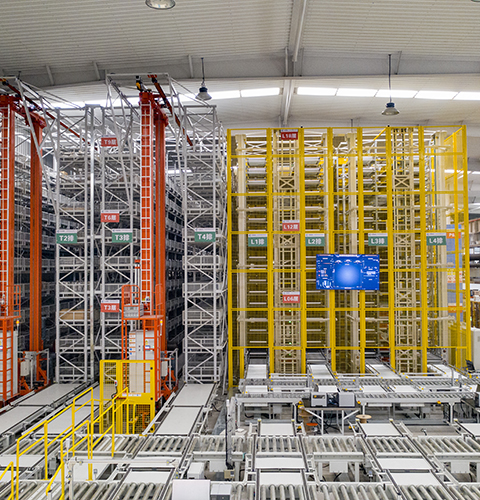
Machinery Industry High-Density Storage Center
Heavy components and spare parts consolidated into high-density pallet storage, freeing floor space for production expansion and safer handling.
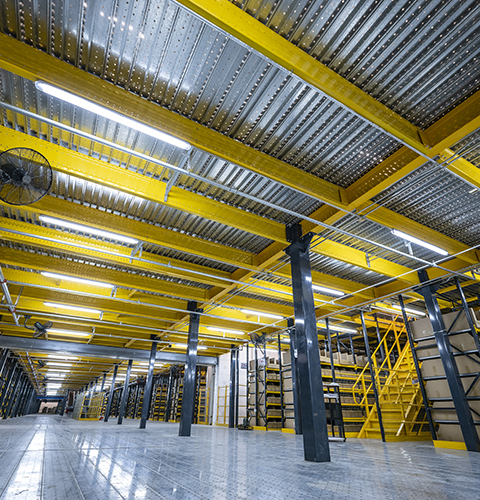
E-Business Logistics Center
Multi-tier picking racks and pallet storage built for peak-season order volumes, rapid SKU rotation and efficient order consolidation.
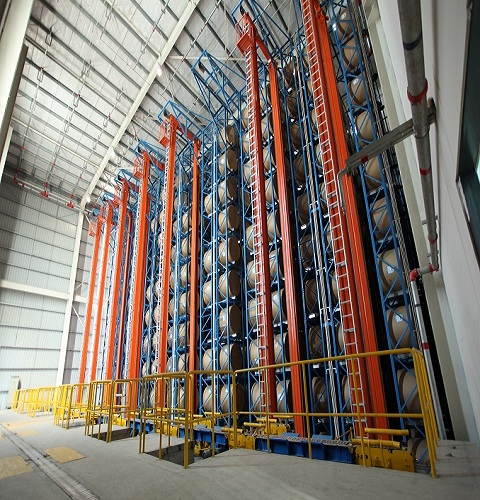
Paper-Making Industry Logistics Center
Automated storage for heavy paper rolls and finished goods, linking production output directly to dispatch and reducing manual handling.
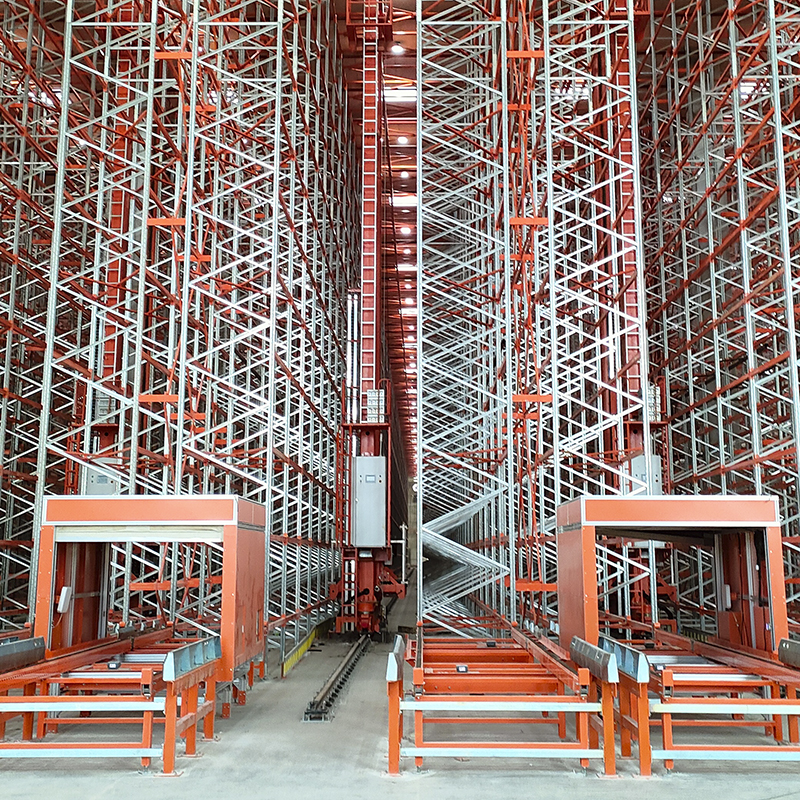
Warehouse Solutions: Lifting Storage and Working Efficiency
Automation releases labour and stabilises throughput. Drawing on decades of racking and AS/RS projects, the engineering team explains where automation pays back fastest.
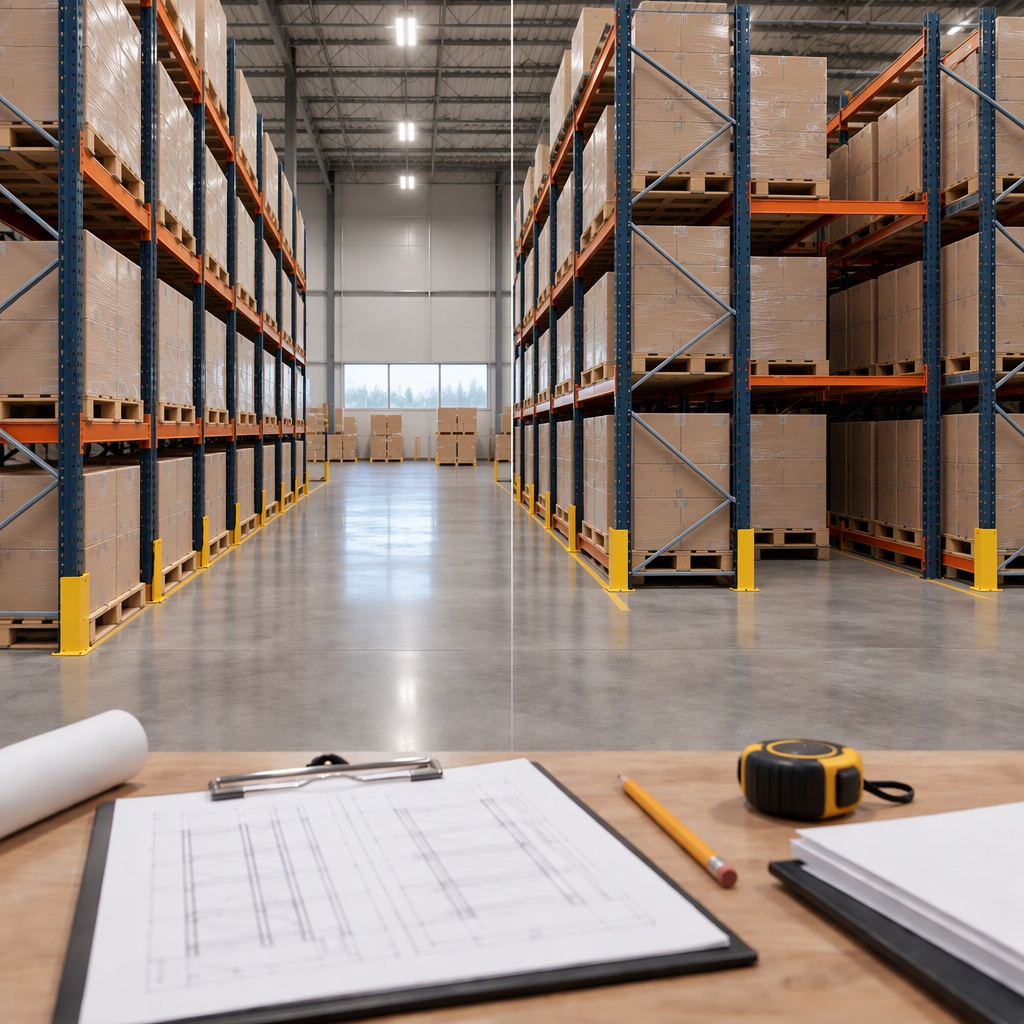
Single-Deep vs. Double-Deep Storage: Access and Capacity
Compare single-deep and double-deep pallet racking by access, density, handling equipment, safety review and the procurement questions to ask before ordering.
Frequently Asked Questions About Industrial Racking Procurement
These are the questions procurement managers, importers and project consultants ask most often before requesting a factory quotation for OEM/ODM racking.
What is the difference between OEM and ODM industrial racking for a wholesaler?
OEM means the factory manufactures to your drawings, branding, packaging and specification. ODM means the factory’s engineers help develop the layout and product configuration for your market, then manufacture under your brand or project identity. In both models, the load rating, upright section, beam profile and coating must be fixed in a written specification before mass production.
Can your pallet racking be designed for seismic zones in Chile, Peru and Colombia?
Yes. Our engineers run structural and seismic load calculations with reference to local requirements such as NCh 2369 in Chile, E.030 in Peru and NSR-10 in Colombia, and specify reinforced uprights, bracing, base plates and anchors accordingly. Calculation reports can be delivered with quotation drawings for review by your local engineer. For high-risk sites, we recommend a local structural review and geotechnical anchor design.
What information should I provide for a factory quote and layout?
Send building length, width and clear height; column grid; pallet size and loaded weight; SKU count and turnover; forklift type and lift height; destination city and port; and whether installation is required. If seismic, fire or cold-storage requirements apply, share the local code or consultant comments. This reduces design cycles and avoids a low-value quotation based only on price.
How long does production and delivery to South American ports take?
Standard selective racking is typically produced in 25 to 35 days after drawing approval. Ocean transit from China to ports such as Santos, San Antonio, Callao, Buenaventura, Guayaquil or Buenos Aires usually takes 30 to 45 days depending on route and schedule. AS/RS and shuttle projects follow a project schedule agreed at contract stage, including software, crane or shuttle commissioning.
Which export documents do you provide for customs clearance?
We provide commercial invoice, detailed packing list, bill of lading, certificate of origin and, on request, test reports, material certificates and installation manuals in English. Spanish or Portuguese support is available for project documentation. Confirm the HS code and destination requirements with your customs broker before shipment.
Do you offer installation, spare parts and after-sales service?
Yes. We dispatch supervising engineers for installation and commissioning, train local installation teams, supply spare parts and offer remote diagnostics for automated systems such as stacker cranes, shuttles and WMS/WCS software. For wholesale customers, a spare-parts list can be built based on container quantity, project criticality and local maintenance capability.
What finish should be used in humid, coastal or cold-storage warehouses?
For humid tropical or coastal sites we recommend epoxy-polyester powder coating with enhanced pretreatment, or hot-dip galvanized components for cold storage and high-corrosion environments. The right choice depends on humidity, salt exposure, cleaning chemicals and temperature. Specify the finish in the purchase order and ask for coating thickness and adhesion test records.
How can I verify load ratings, coating and quality before placing an order?
Ask for the written load rating and calculation basis, steel grade and profile thickness, upright and beam section drawings, welding and coating inspection records, and third-party certificates. Production is managed under ISO 9001, ISO 14001 and ISO 45001, with CE certification for racking, shuttle car, stacker crane, four-way shuttle and RGV equipment. Pre-shipment photos and test reports can be arranged.
Send Your Racking Project Brief
Share building dimensions, pallet size and load, forklift type, destination city and installation scope. Our engineers will review the layout and respond with a system recommendation for your OEM, ODM or wholesale project.
Send an Inquiry