Pallet Shelving Systems Built for OEM/ODM Programs
The eight configurations below represent the most requested OEM/ODM pallet shelving formats for distributors, warehouse integrators, private-label racking brands and end users. Each can be customized by upright profile, beam length, load rating, deck type, surface finish, color, label and packing method — with engineering documents supplied for local approval.
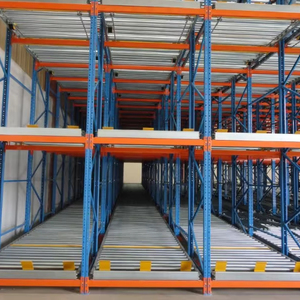
Heavy Duty Gravity Flow Pallet Rack Steel Roller Rack Warehouse Storage Racking System 1000kg Layer
Roller-lane pallet shelving for FIFO inventory control, high-turnover SKUs and fast carton or pallet picking.
View product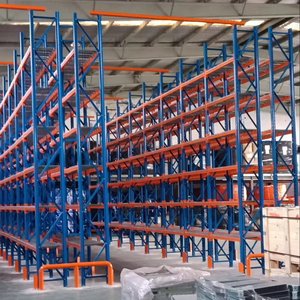
Heavy Duty Racks Selective Pallet Racking Storage Systems with Wire Mesh Deck Heavy-duty Wire Deck Pallet Racking
Selective pallet shelving with wire mesh decking for small parts, irregular loads and inspector-friendly storage.
View product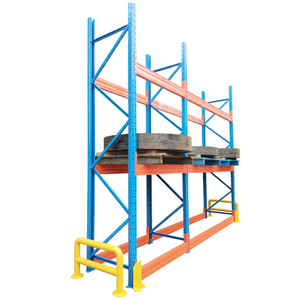
Industrial Warehouse Racks Heavy Duty Beam Rack Adjustable Selective Pallet Racking Warehouse Storage Racks Custom Pallet Racks
Adjustable beam levels and custom pallet rack layouts for mixed-SKU distribution centers.
View product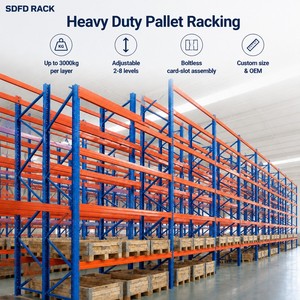
3000kg Heavy Duty Metal Pallet Racking Adjustable Industrial Warehouse Storage Rack System
Reinforced uprights and beams for dense industrial loads, spare parts and manufacturing warehouses.
View product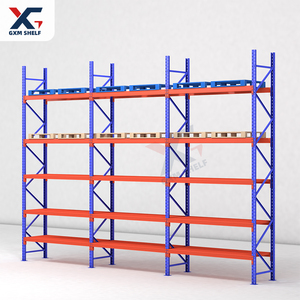
Heavy Duty Pallet Racking Warehouse Pallet System Pallet Storage Rack Heavy Duty Rack Shelf Heavy Duty Racking System
General-purpose heavy-duty pallet shelving for 3PLs, wholesalers and fast-moving distribution.
View product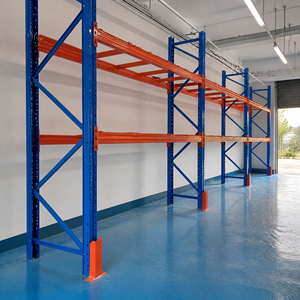
Warehouse Storage Rack Adjustable 80x70x2.0mm Upright with 500 Times Wear-resistant Tested Selective Pallet System
Upright-focused OEM program with 80×70×2.0 mm profile and wear-resistant testing for repeat orders.
View product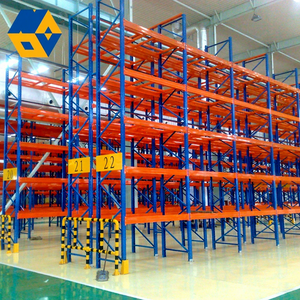
Customized Competitive Industrial Warehouse Storage Steel Heavy Duty Pallet Rack
Private-label and project-specific pallet shelving with custom dimensions, load ratings and colors.
View product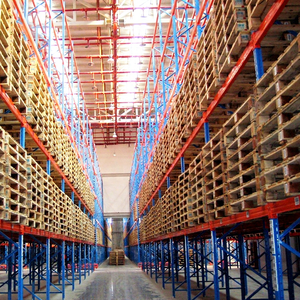
Manufacturer Heavy Duty Warehouse Shelving/storage Pallet Rack /selective Heavy Duty Racking System
Factory-direct selective pallet racking with scalable bays, accessory options and export packing.
View productSend pallet size, load weight, building height and target port for a layout and OEM/ODM quotation.
Why Buyers Use This Pallet Shelving Supplier for Long-Term Programs
Procurement teams do not only buy steel. They buy repeatable quality, predictable lead times, engineering evidence and a supplier who can support private-label growth without compromising safety or documentation.
Factory evidence, not broker promises
My Favorite Shelf Industrial Co., Ltd. has designed, manufactured and installed warehouse racking and automated storage systems since 1997. Production is supported by in-house cold-rolling and powder-coating lines, a municipal-level R&D center and more than 70 national patents and software copyrights covering racking, stacker cranes, conveyors, shuttle carriers and warehouse control software. For an OEM/ODM pallet shelving program, this means profile consistency, coating control, load-testing discipline and packaging optimization can be reviewed at the source rather than guessed from a trading-company catalogue.
Engineering documentation for procurement review
Each project can be delivered with CAD layouts, pallet-position counts, beam and upright load calculations, anchor schedules, finish specifications, packing lists and installation manuals. Our engineering team is led by a professor-level senior engineer and doctoral tutor who co-authored automated warehouse design and logistics distribution center management references. That depth matters when buyers need to compare a low unit price against the real cost of rework, seismic compliance, permit review or delayed installation. The aim is a verifiable supply chain, not a one-off quotation.
Pallet Shelving Procurement Trends Reshaping 2025–2030
Buyers are moving from unit-price comparison to total-value sourcing. The strongest OEM/ODM pallet shelving suppliers will be judged on engineering responsiveness, compliance evidence, modularity and their ability to support multi-country rollouts.
Nearshoring and multi-site duplication
As distribution networks add regional DCs, buyers want one racking design that can be duplicated across countries. Standardized uprights, beam sets and accessory kits reduce re-engineering and spare-parts complexity.
Total cost of ownership over unit price
Procurement models now include freight density, installation hours, damage risk, coating life, spare-part availability and expansion cost. A slightly higher racking price can be cheaper over ten years if the system is easier to inspect and extend.
Compliance-first buying
Seismic calculations, material certificates, CE documentation, coating reports and installation sign-off are moving from optional attachments to tender requirements. Suppliers without traceable evidence face longer approval cycles.
Automation-ready modularity
Even manual warehouses are being planned for future AS/RS, shuttle or AMR integration. Rack interfaces, aisle widths, floor tolerances and data structures must be considered before the first purchase order.
Information gain for serious buyers: request a should-cost breakdown that separates steel weight, profile complexity, coating, accessories, packaging and engineering. Compare suppliers on the same pallet position, beam load and upright height — not on “per kg” alone. A transparent OEM/ODM quote should show what changes when you increase load capacity, add wire mesh decks, switch to hot-dip galvanizing or duplicate the design in a second country.
Also ask how the factory protects the last-row/detail in container loading. Nested profiles and steel-strapped bundles can reduce freight cost per pallet position, but poor packing can cause coating damage and site delays. The best procurement decision is the one that lowers landed cost without lowering safety evidence.
How Pallet Shelving Products Are Evolving
OEM/ODM pallet shelving is becoming more engineered, more sensor-ready and more adaptable to hybrid manual-automated warehouses. These development directions should be written into the product roadmap, not discovered after the first container arrives.
High-strength steel and optimized profiles
Buyers want fewer kilograms without losing capacity. Profile design, steel grade and beam-to-upright connection details now matter as much as raw steel weight.
Corrosion-resistant finishes
Epoxy-polyester powder coating with enhanced pretreatment and hot-dip galvanized options are increasingly specified for ports, cold storage and humid tropical sites.
Sensor-ready racking
Load monitoring, impact detection and digital layout tags are moving from pilot projects into premium OEM ranges, especially for high-value inventory.
AS/RS and shuttle interfaces
Racking is no longer isolated. Upright tolerances, beam deflection limits and floor flatness must support stacker cranes, four-way shuttles and RGVs.
Modular private-label kits
Distributors need sellable, repeatable bay kits with consistent labels, manuals, accessory packs and color systems for their own brand catalogues.
Circular design and packing efficiency
Reusable packing, recyclable steel, reduced coating waste and container-optimized bundles are becoming part of ESG and landed-cost evaluation.
How to Specify Pallet Shelving: Density Versus Selectivity
Use this matrix as a starting point. The right system is defined by SKU count, pallet weight, rack height, throughput, building condition and the future automation plan.
| System | Storage density | Selectivity | Best-fit operating model | OEM/ODM procurement note |
|---|---|---|---|---|
| Selective pallet racking | 58% | 98% | Many SKUs, fast access, 3PL and distribution centers | Easiest to standardize as bay kits; strong private-label potential |
| Gravity flow pallet rack | 76% | 70% | FIFO control, high-turnover cartons and pallet flow lanes | Needs roller, brake and lane detail; engineering input matters |
| Selective rack with wire mesh deck | 60% | 94% | Small parts, irregular loads and safer visual inspection | Deck specification changes freight density and accessory cost |
| 3000kg heavy-duty adjustable rack | 66% | 88% | Heavy industrial loads, spare parts and manufacturing stores | Upright profile and beam connection should be load-tested and documented |
| Customized heavy-duty pallet rack | 72% | 84% | OEM/ODM brands, country-specific standards, multi-site repeats | Agree drawings, finish, labels, manuals and packing before mass production |
Define the load envelope
Pallet length, width, height, weight, overhang, deck type and fork-entry clearance should be confirmed before layout work begins.
Check the building
Clear height, slab flatness, column grid, fire strategy, seismic zone and forklift type determine the practical rack depth and aisle width.
Plan for repeatability
If the pallet shelving will carry your own brand, standardize bay kits, accessory packs and documentation for faster future orders.
One Accountable Partner for Steel, Engineering and Export Supply
For OEM/ODM buyers, the difference between a good sample and a safe, repeatable program is factory control. These advantages are the practical reasons procurement teams keep this manufacturer on their approved supplier list.
In-house production
Cold-rolling, powder coating and racking production are controlled in-house, supporting consistent profiles, coating thickness and repeat OEM orders.
Engineering and patents
A municipal-level R&D center and 70+ patents and software rights support racking, stacker cranes, shuttles, conveyors and WMS/WCS integration.
Certified quality management
ISO 9001, ISO 14001, ISO 45001 and ISO 10012 measurement management support traceable production, coating checks and load testing before shipment.
Global project experience
Designated logistics equipment supplier experience with international enterprises including GE, Siemens, Walmart, Amazon and Toyota; 8,000+ projects in 140+ countries.
OEM/ODM customization
Custom upright profiles, beam lengths, load ratings, wire mesh decks, colors, labels, manuals, accessories and export packaging can be aligned to your brand.
Export logistics and documents
Commercial invoice, detailed packing list, bill of lading, certificate of origin, test reports and installation manuals are prepared for customs and project handover.
Third-Party Certificates Buyers Can Verify
Certification does not replace project-specific engineering, but it gives procurement and safety teams a starting point for supplier approval. Certificates include CE documentation for racking, shuttle cars, stacker cranes, four-way shuttles and RGVs, plus ISO management-system certificates.
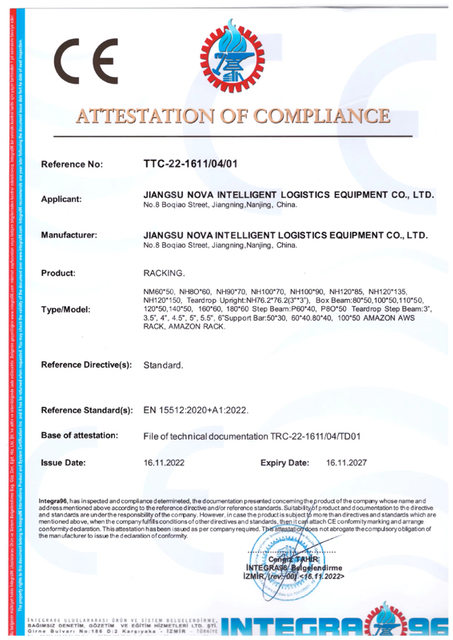 CE · Racking
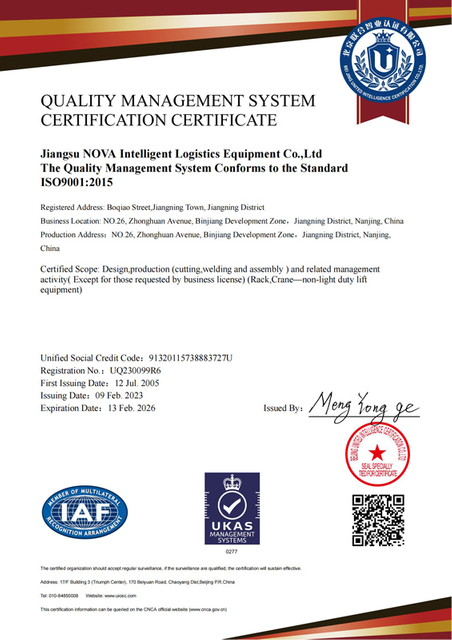 ISO 9001
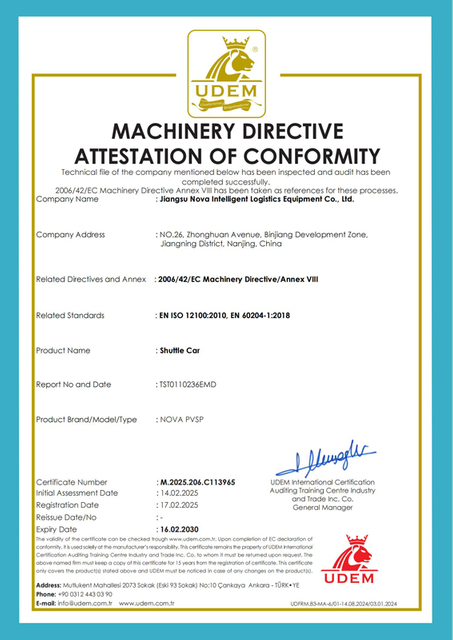 CE · Shuttle Car
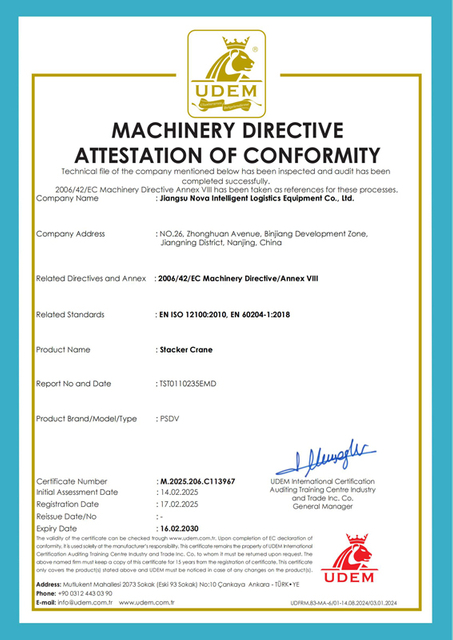 CE · Stacker Crane
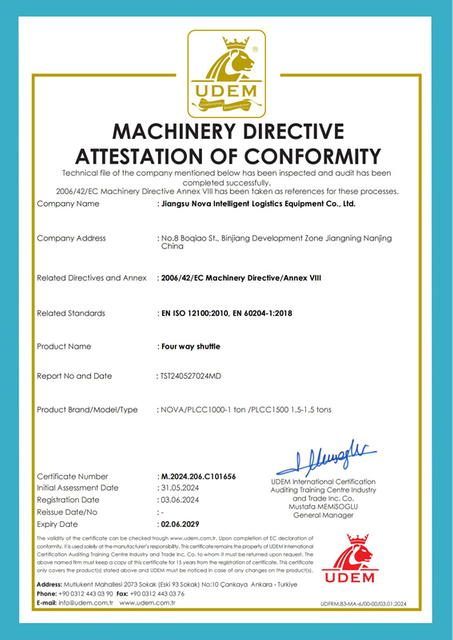 CE · Four-Way Shuttle
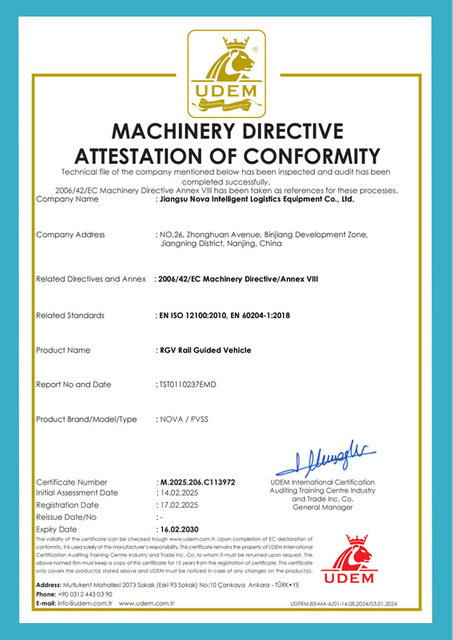 CE · RGV
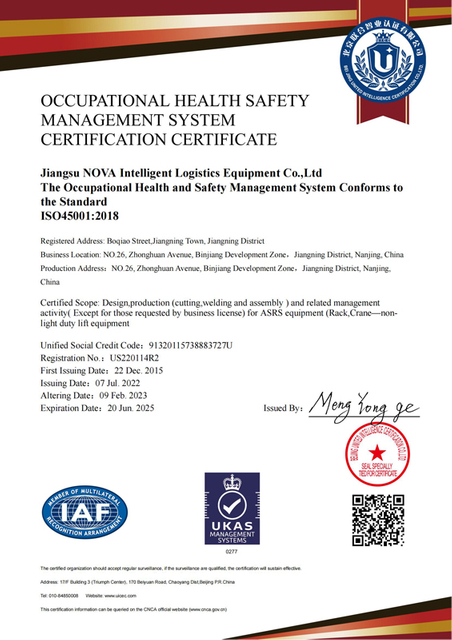 ISO 45001
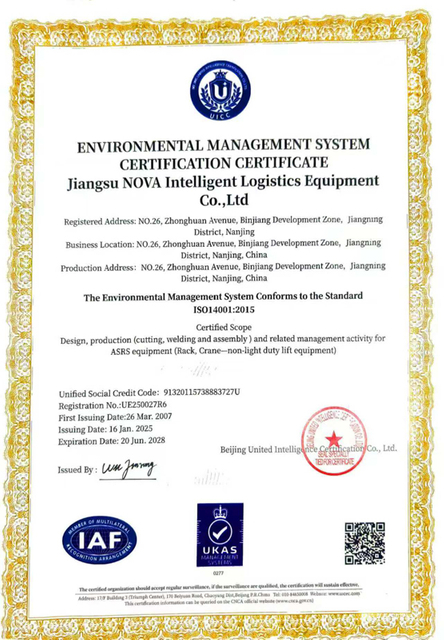 ISO 14001
Customers Across Retail, Logistics and Industry







Applications for Pallet Shelving and Warehouse Systems
Real project logic is more useful than a catalogue render. These examples show how pallet shelving decisions change when the load profile, order profile and building constraints change.
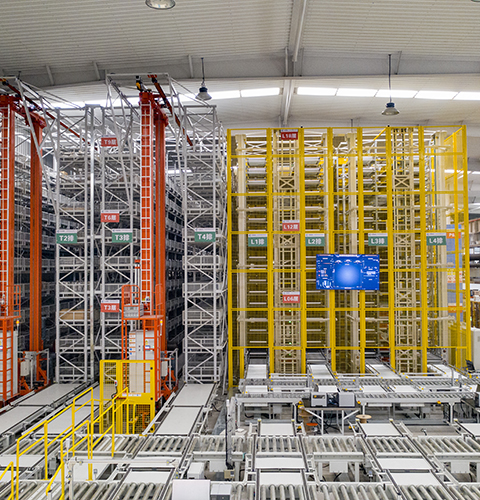
Machinery industry high-density storage
Heavy components and spare parts consolidated into high-density pallet storage, freeing floor space for production expansion while keeping service parts accessible.
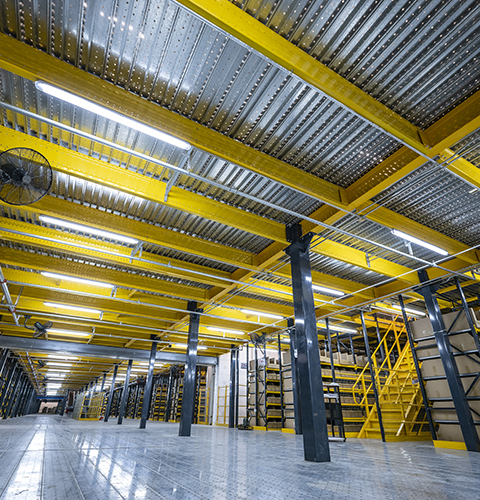
E-commerce logistics center
Multi-tier picking structures and pallet storage built for peak-season order volumes, fast SKU rotation and temporary labor onboarding.
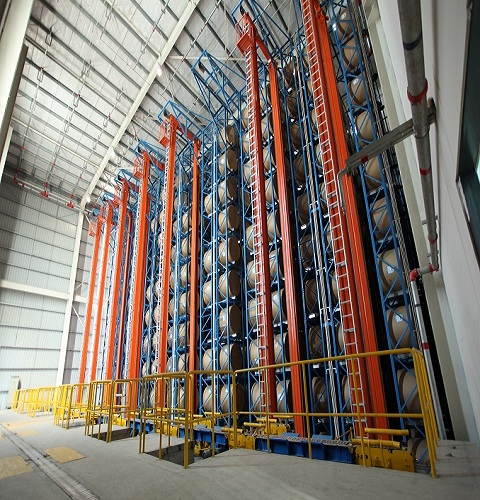
Paper-making industry logistics center
Automated storage for heavy paper rolls and finished goods, linking production output to dispatch with project engineering and phased commissioning.
Frequently Asked Questions About OEM/ODM Pallet Shelving
These are the practical questions procurement teams ask before approving a pallet shelving manufacturer for a repeat program.
What is the difference between OEM and ODM pallet shelving?
OEM usually means the buyer provides the brand, packaging, labels and sometimes the design intent, while the factory manufactures to that specification. ODM means the manufacturer contributes a proven design and adapts it to the buyer’s market, load profile and branding. In both cases, confirm who owns drawings, who approves load calculations and who controls change notices.
Can you customize upright height, beam length, load capacity and color?
Yes. Upright profiles, beam lengths, load ratings, decking, accessories, powder-coat colors, labels, manuals and packing methods can be customized. For a reliable quote, provide pallet size, maximum pallet weight, required bay count, clear height, forklift type, destination country and preferred finish.
What load capacities and standards can you design to?
Heavy-duty selective pallet racking is commonly designed around beam loads up to several thousand kilograms per level, with project-specific upright and anchor checks. Calculations can reference recognized racking practice and local seismic requirements where applicable. Final load ratings must be tied to the approved drawing, beam profile, upright profile and installation conditions.
What information is needed for an accurate quotation?
Send building dimensions or drawings, column grid, clear height, floor condition, pallet or carton dimensions, unit weight, SKU profile, required pallet positions, throughput, forklift type, seismic zone, finish requirement and target port. Photos of the site and existing racking help identify interface risks early.
How do you control quality and provide documentation?
Production can be managed under ISO 9001, ISO 14001, ISO 45001 and ISO 10012 measurement systems, with coil traceability, coating-thickness checks and load testing before shipment. Documentation can include packing lists, material and test reports, installation manuals and, where relevant, CE certification files for racking and automated equipment.
What are typical lead times and export documents?
Standard selective racking is typically produced in 25 to 35 days, followed by ocean transit of around 30 to 45 days depending on the route. Export documents include commercial invoice, detailed packing list, bill of lading and certificate of origin; test reports and installation manuals can be supplied on request.
Can racking be designed for seismic zones and humid coastal sites?
Yes. Reinforced uprights, bracing, base plates and anchors can be specified for seismic areas with calculations prepared for review by a local engineer. For humid or coastal warehouses, enhanced pretreatment powder coating or hot-dip galvanized components are recommended to improve corrosion resistance.
Do you support installation and after-sales service?
Yes. We can dispatch supervising engineers, train local installation crews, provide commissioning support and supply spare parts. For automated systems such as stacker cranes, shuttles and WMS/WCS software, remote diagnostics and maintenance guidance can be arranged after handover.
Request an OEM/ODM Pallet Shelving Quote
Share your drawing or basic dimensions and our team will review the layout, pallet positions, load requirements and export packing before quotation. For private-label programs, include your target market, branding requirements and expected annual volume.
Send the basics
Building length, width, clear height, column grid, pallet size and maximum load.
Confirm operation
Forklift type, lift height, SKU count, throughput and whether future automation is planned.
Review the layout
Pallet-position count, aisle width, accessory selection, finish and compliance requirements.
Approve the program
Drawings, packing plan, lead time, export documents and OEM/ODM branding details.
Talk to the Pallet Shelving Manufacturer Directly
Tell us what you store, how heavy it is, how fast it moves and where it ships. We will respond with a practical racking recommendation, layout direction and the documentation needed for your buying committee.
Contact UsEmail: [email protected] · English, Spanish and Portuguese project support available.