8 Warehouse Pallet Shelving Systems for OEM/ODM Projects
Every configuration below can be engineered to your pallet size, load, clear height, forklift type and local compliance requirements. Product links are preserved for direct technical review.
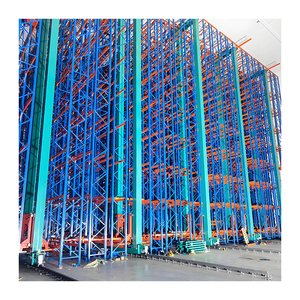
High-Density Pallet Shuttle Racking System Automatic Steel Storage Frame 3000kg Load Capacity Heavy Duty Warehouse
For dense pallet storage, fast throughput and fully engineered OEM/ODM layouts.
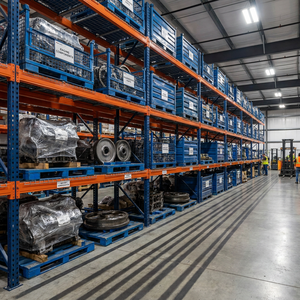
Racks Industriales Selective Pallet Racking Steel Pallet Warehouse Storage Rack Heavy Duty Steel Rack for Manufacturing
High-selectivity access for broad SKU ranges, fast picking and manufacturing support.
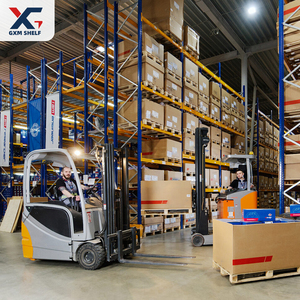
GXM Warehouse Durable Metal Storage Rack Industrial Storage Multi Tier Pallet Heavy Duty Shelf System
Scalable multi-tier racking for distribution centers that need more usable locations.
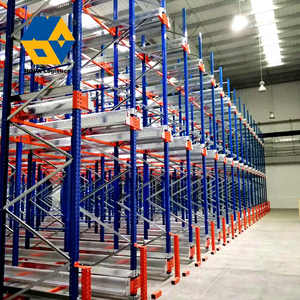
Manufacturer Automated 2 Way Radio Shuttle Rack System Warehouse Storage Steel Heavy Duty Drive in Shuttle Pallet Racking System
Deep-lane storage with FIFO/LIFO flexibility and reduced forklift travel inside racks.
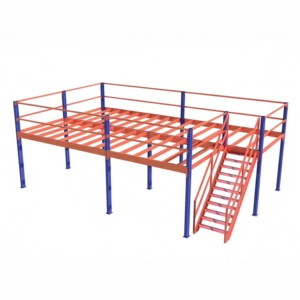
Custom Pallet Rack Steel Structure Mezzanine Floor Warehouse Storage Heavy Duty Loft Platform Mezzanine Racking
Adds picking and storage floors without expanding the building footprint.
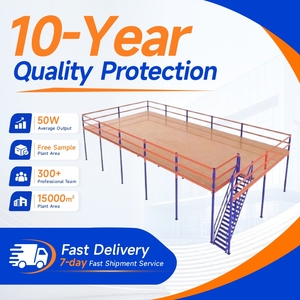
Warehouse Heavy Duty Steel Loft Platform Shelf Storage Attic Rack Pallet Racking Supported Mezzanine Floor Racks System
Rack-supported mezzanine engineering for high loads and active warehouse use.
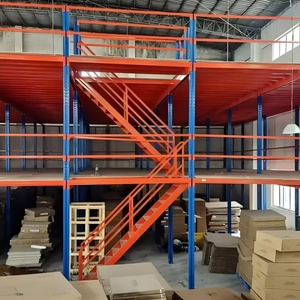
Heavy Duty Mezzanine Floor Racking Warehouse Storage Racks Shelf Units Pallet Rack System Equipment Platform Shelves Attic Rack
Combines pallet racking, shelving and platform access for mixed operations.
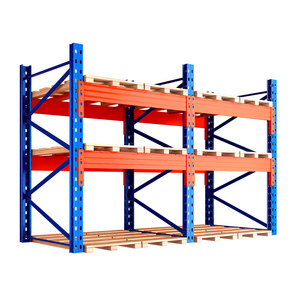
Heavy Duty Industrial Storage Shelves system Metal Rack Stacking Units Warehouse Steel Industrial Pallet Racking
Robust industrial shelving and stacking units for heavy components and spare parts.
OEM/ODM Warehouse Pallet Shelving Is a Supply-Chain Decision
The search intent behind “warehouse pallet shelving systems manufacturers & suppliers” is rarely a request for a catalogue item. It is a request for a qualified manufacturing partner who can convert building data, pallet profiles, throughput targets and local codes into a safe, auditable, long-life storage system.
OEM: Build to Your Specification
An OEM manufacturer produces racking to your drawings, load assumptions, finish requirements and packaging standards. This is preferred when you already have an engineered layout or a global racking standard.
ODM: Proven Platform, Custom Fit
An ODM supplier brings a validated racking platform — uprights, beams, bracing, decking and accessories — then customizes dimensions, loads, colors and software interfaces for your site.
Compliance Is a Procurement Filter
For seismic and humid markets, suppliers must provide calculation reports, material traceability, coating specifications and test documentation — not just a quotation. This is where true manufacturers separate from traders.
Lifecycle Support Matters
Spare parts, rack inspections, installation supervision, remote diagnostics and WMS/WCS support reduce total cost of ownership. Ask suppliers to define service levels before the order is placed.
Match Pallet Shelving to Density, Access and Throughput
A common mistake in OEM/ODM procurement is buying racking by price per tonne without modelling selectivity, aisle width, forklift type and future automation. The recommendation matrix below gives procurement teams a faster way to shortlist systems.
Selective Pallet Racking
Best for broad SKU ranges, fast access and manufacturing support. Beam loads can typically reach 4,500 kg per level, with custom uprights, bracing and finishes engineered to your site.
Radio Shuttle & High-Density Racking
Best for homogeneous SKUs, cold storage, beverage and food warehouses. Deep lanes improve cube utilization while forklifts remain outside the racking, improving safety and cycle time.
Mezzanine & Multi-Tier Racking
Best for e-commerce, spare parts and manual picking operations. A rack-supported or free-standing mezzanine creates a second usable floor for picking, packaging or light storage.
AS/RS-Ready Pallet Racking
Best for high-bay, 24/7 operations with labor constraints. Racking can be tolerance-controlled for stacker cranes, shuttles, conveyors and WMS/WCS integration.
What Buyers Should Put in the Pallet Shelving RFQ
Procurement teams are moving from lowest-price sourcing to total-cost, compliance-driven sourcing. The strongest OEM/ODM suppliers will answer these four points with documented evidence.
Total Cost of Ownership
Request lifecycle costs: spare parts lists, inspection intervals, coating warranty, installation supervision and remote support for automated equipment. The lowest initial quote is rarely the lowest ten-year cost.
Seismic and Local Code Evidence
For Chile, Peru, Colombia and other active zones, ask for calculations referencing local practice such as NCh 2369, E.030 and NSR-10. For Brazil, designs should align with ABNT NBR 15524 storage-system practice.
Automation-Ready Interfaces
Even a manual warehouse should specify future compatibility with WMS/WCS, conveyors, shuttles and stacker cranes. Rack tolerances and floor flatness requirements must be agreed early.
Corrosion, Humidity and Sustainability
For ports and tropical warehouses, specify enhanced pretreatment powder coating or hot-dip galvanizing. Container-optimized packing and nesting reduce freight cost and carbon intensity per pallet position.
Where Pallet Shelving Is Heading in High-Performance Warehouses
The next generation of pallet shelving will be judged by how well steel, software, sensors, safety and installation documentation work together. These trends are already shaping OEM/ODM specifications.
Higher-Strength, Lighter Profiles
Cold-rolled profiles with optimized yield strength allow taller bays and heavier loads without unnecessary steel. That reduces freight weight while maintaining structural safety.
Modular Hybrid Systems
Selective, double-deep, shuttle and mezzanine elements are increasingly combined in one building. Modular design makes phased expansion easier as SKU profiles and order volumes change.
Digital Twins and WMS/WCS Integration
Layouts are validated with pallet-position counts, travel paths and throughput simulations. For automated systems, racking and equipment are engineered as one digital model before production.
Safety and Sensor-Ready Design
Rack protection, upright guards, beam locks and inspection-friendly details are becoming standard requirements. Future warehouses will add sensors for impact detection and utilization monitoring.
Why This Team Fits Serious OEM/ODM Procurement
Semantic search rewards evidence. Buyers need proof of manufacturing depth, engineering capability, certifications and installed projects — not generic claims.
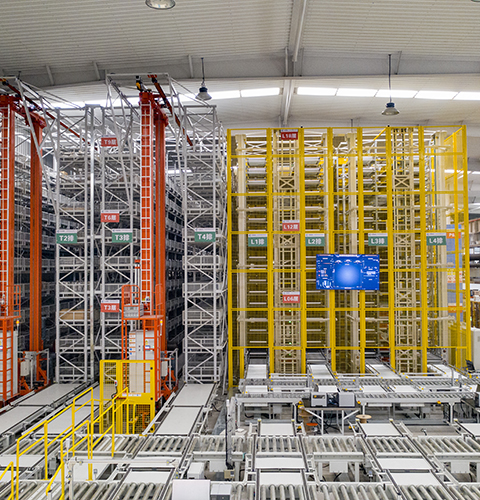
Since 1997: One Accountable Partner for Steel, Automation and Software
My Favorite Shelf Industrial Co., Ltd. plans, designs, manufactures and installs racking systems and AS/RS automated warehouses. The production base processes around 60,000 tons of steel per year, supported by a municipal-level R&D center with more than 70 national patents and software copyrights covering racking, stacker cranes, conveyors, shuttle carriers and WMS/WCS.
- ISO 9001, ISO 14001, ISO 45001 and ISO 10012 measurement management systems.
- CE certification for racking, stacker cranes, shuttles, four-way shuttles and RGVs.
- Designated logistics equipment supplier to international enterprises including GE, Siemens, Walmart, Amazon and Toyota.
- Engineering team led by a professor-level senior engineer and doctoral tutor with published automated warehouse references.
- South America project support in English, Spanish and Portuguese, including installation supervision, spare parts and remote diagnostics.
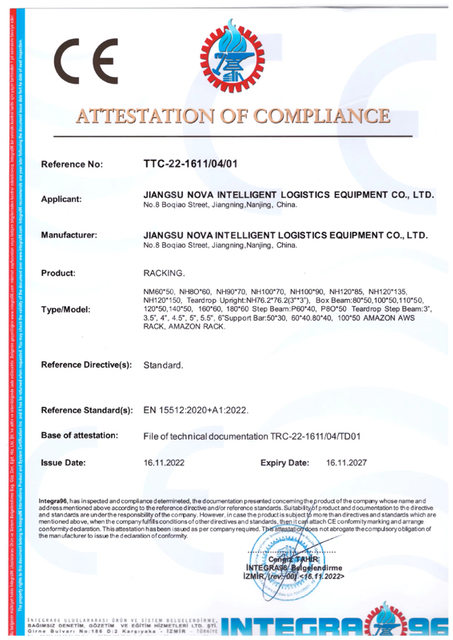 CE · Racking
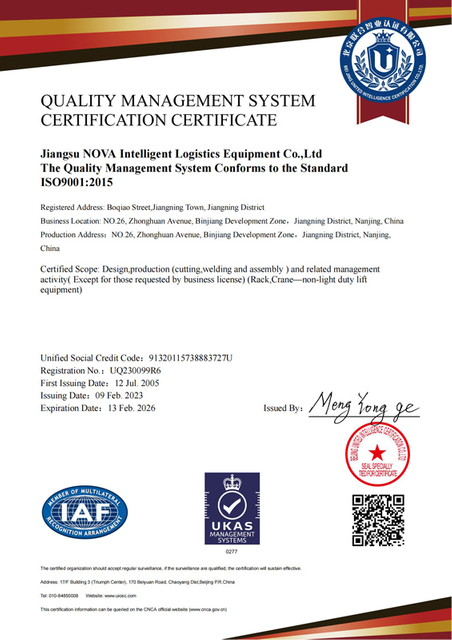 ISO 9001
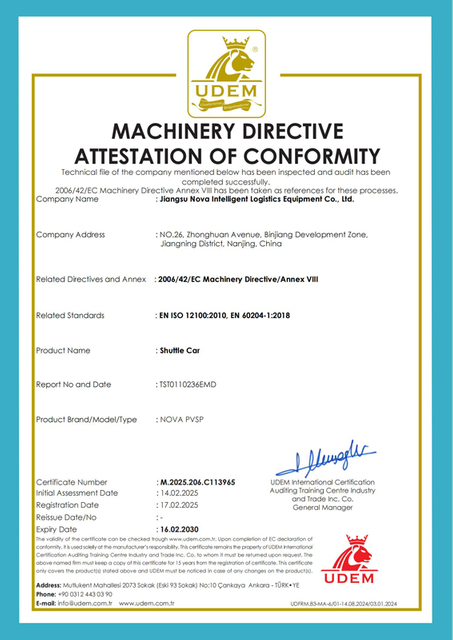 CE · Shuttle Car
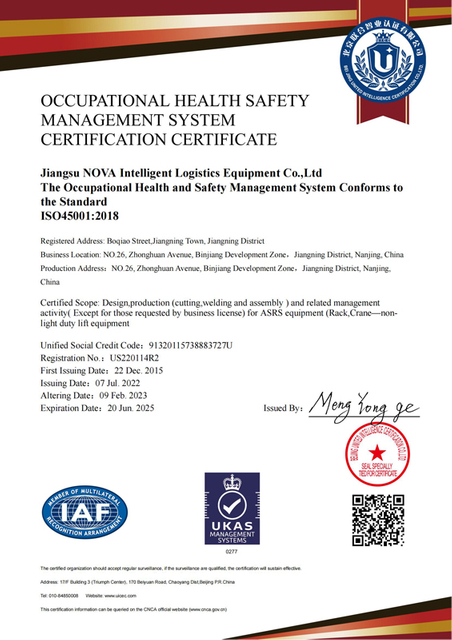 ISO 45001
From Selective Racking to AS/RS and Mezzanine
The same engineering discipline applied to a South American distributor can be seen in complex projects for manufacturing, e-commerce, paper, logistics and retail operators.
Machinery Industry High-Density Storage
Heavy components and spare parts consolidated into high-density pallet storage, freeing floor space for production expansion.
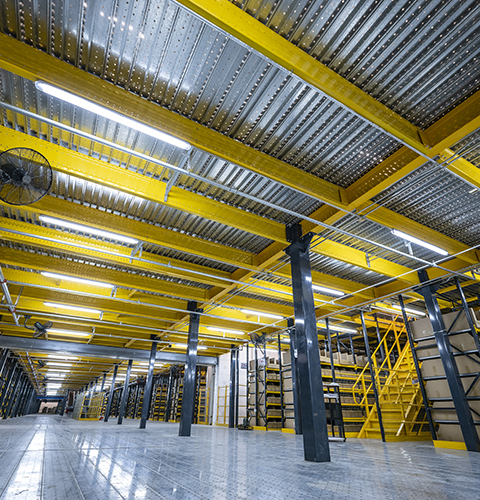
E-Business Logistics Center
Multi-tier picking racks and pallet storage built for peak-season order volumes and rapid SKU rotation, including Amazon-linked mezzanine experience.
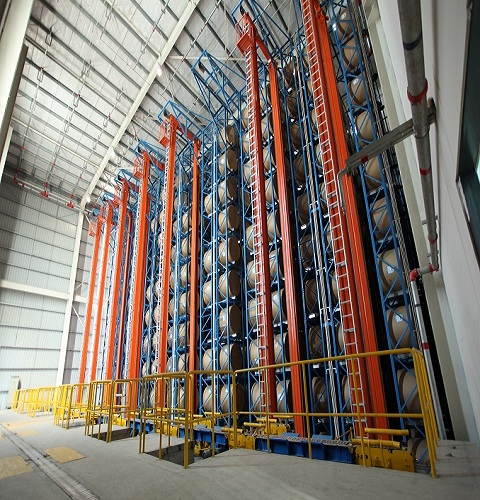
Paper-Making Logistics Center
Automated storage for heavy paper rolls and finished goods, linking production output directly to dispatch and improving safety.
Installed references also include AS/RS for Taishan Fiberglass, shuttle racking for Samgak FMC and PT Tiga Pilar, pallet racking for Suning Group and Keppel Logistics, and mezzanine projects for Amazon. For South American buyers, these references support technical due diligence before an OEM/ODM order is released.
Frequently Asked Questions from Procurement Teams
What is the difference between OEM and ODM warehouse pallet shelving?
OEM means the manufacturer produces racking to your design, drawings and standards. ODM means the supplier provides a proven racking platform and customizes dimensions, loads, colors, accessories and documentation for your project. Many international buyers use ODM engineering as a base, then apply OEM-level specifications for loads, finishes and compliance.
Can your pallet racking be designed for seismic zones in Chile, Peru and Colombia?
Yes. Our engineers run structural and seismic load calculations with reference to local requirements such as NCh 2369 (Chile), E.030 (Peru) and NSR-10 (Colombia), and specify reinforced uprights, bracing, base plates and anchors accordingly. Calculation reports are delivered with the quotation drawings for review by your local engineer.
What load capacities and heights can you engineer?
Selective pallet racking beam loads commonly reach up to 4,500 kg per level, with higher loads available through custom upright and beam design. Heights are engineered to clear height, forklift or crane type, sprinkler requirements and local code. For AS/RS and shuttle systems, tolerances and floor flatness requirements are defined with the automation equipment.
How long does delivery to South American ports take?
Standard selective racking is typically produced in 25 to 35 days. Ocean transit from China to ports such as Santos, San Antonio, Callao, Buenaventura, Guayaquil or Buenos Aires usually takes 30 to 45 days depending on the route. AS/RS and shuttle projects follow a project schedule agreed at contract stage.
Which export documents and after-sales support do you provide?
We provide commercial invoice, detailed packing list, bill of lading, certificate of origin and, on request, test reports, material certificates and installation manuals in English, with Spanish or Portuguese support available for project documentation. We also dispatch supervising engineers, train local installation teams, supply spare parts and offer remote diagnostics for stacker cranes, shuttles and WMS/WCS software.
What surface finishes are recommended for humid or coastal warehouses?
For humid tropical or coastal sites we recommend epoxy-polyester powder coating with enhanced pretreatment, or hot-dip galvanized components for cold storage and high-corrosion environments. Coating thickness, salt-spray expectations and touch-up procedures should be specified in the purchase order.
Request a Custom OEM/ODM Pallet Shelving Layout
Send your building dimensions, pallet size and weight, maximum load per pallet, forklift type, target pallet positions, city and country. Our engineers can respond with a layout recommendation, pallet-position count, seismic and freight review, and a factory-direct quotation.
Useful RFQ details: length × width × clear height, column grid, pallet profile, SKU count, daily throughput, cold-room or coastal exposure, and any local compliance requirements.