Industrial Rack Storage Systems Buyers Ask For First
These eight configurations consistently appear in export RFQs because they cover the most common storage problems: mixed-SKU selectivity, high-density lanes, long-load storage, cold-chain space pressure and automation readiness. Each product URL is preserved for direct technical review.
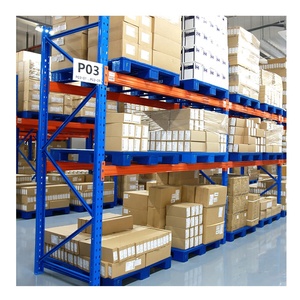
System Warehouse Rack Storage Shelves Heavy Duty Heavy Duty Warehouse Storage Pallet Racking System
A selective pallet racking workhorse for mixed pallets, fast SKU access and future layout changes. Ideal where every pallet must remain individually retrievable.
- Typical useMixed SKU
- Access100% selective
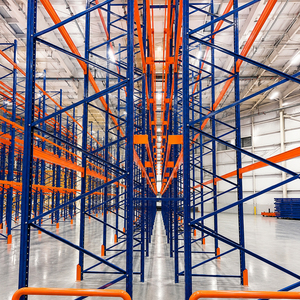
Heavy Duty Pallet Rack 1000kg Steel Storage Rack for Logistics Center 24h Technical Support Premium Pro
Built for logistics centers that need predictable beam loads, fast replenishment and responsive technical support during layout, installation and ramp-up.
- Rack load1000 kg class
- Support24h technical
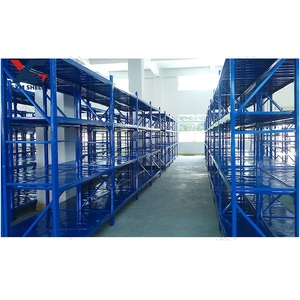
Guangzhou Industrial Rack Heavy Duty Rack Steel Adjustable Industrial Storage Heavy Duty Rack System Warehouse Storage Stacking
An adjustable steel rack platform for distributors and manufacturers whose pallet heights and SKU profiles change by season or product cycle.
- FlexibilityAdjustable beams
- ApplicationWarehouse stack
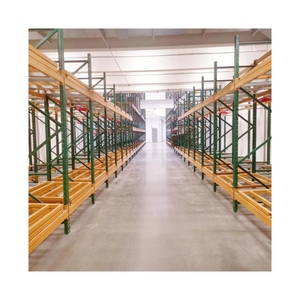
Custom Storage System Stacking Racks Shelves Warehouse Rack Push Back Pallet Racking with Guide Rail
A high-density push-back system with guide rails for medium-to-fast-moving SKUs. Pallets nest on carts, improving space use without sacrificing forklift access.
- DensityHigh
- FlowLIFO
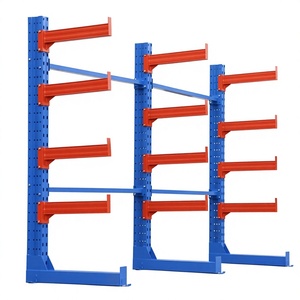
Industrial Heavy Duty Steel Cantilever warehouse Shelf Rack Equipment for High-Capacity Warehouse Pallet Storage
For pipes, timber, profiles, panels and other long loads that cannot be handled efficiently in standard pallet bays. Open-front access speeds loading and unloading.
- Load typeLong goods
- AccessOpen front
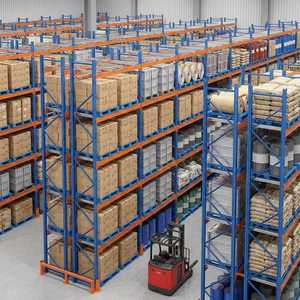
Selective Pallet Racking Steel Pallet Storage Warehouse Rack System Industrial Racks for Logistics Hub
A logistics-hub configuration for high turns, frequent picking and strong inventory visibility. It remains the most flexible system for uncertain future SKU mixes.
- SelectivityVery high
- Best fit3PL & DC
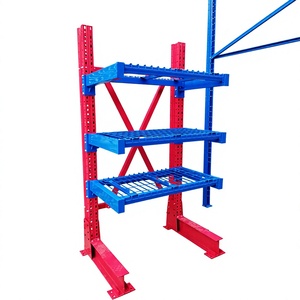
Heavy Duty Storage Rack Cantilever Racking System Carports Prices Aluminium Cantilever Case Cantilever Rack Shelving
A heavy-duty cantilever option for yards, fabricators and building-material distributors that need clear access to long or awkward loads.
- StructureCantilever
- UseLong stock
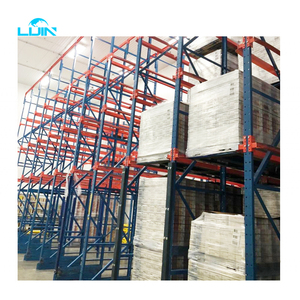
Pallet Racking System Equipment Drive in Metal Shelves Steel Layer Heavy Duty Warehouse Rack
Drive-in racking maximizes lane depth for homogeneous SKUs and cold-storage environments where every cubic meter of conditioned space matters.
- DensityVery high
- Best fitCold chain
How We Benchmark a Top 10 Industrial Rack Storage Supplier & Exporter
A "top 10" shortlist should not be built from catalogue pages alone. Procurement teams need evidence that the supplier can calculate, manufacture, test, pack, ship, install and support a storage system after the purchase order is signed.
Local Code Engineering
Seismic, wind, slab and load calculations aligned with the buyer's local review requirements.
Steel Traceability
Coil records, yield strength, profile tolerance and coating-thickness checks available for audit.
Load Testing
Beam, upright and assembled-frame testing that matches the declared load chart and safety factor.
Automation Readiness
Racking geometry prepared for shuttle, stacker crane, conveyor or WMS/WCS integration.
Safety Documentation
Anchor plans, base-plate details, row-end protectors, load signs and installation checklists.
Export Packing
Nested profiles, steel-strapped bundles and container plans that protect finish and reduce freight waste.
Customs Documents
Invoice, packing list, bill of lading, certificate of origin, test reports and material certificates.
Installation Support
Supervising engineers, local crew training, commissioning and handover acceptance.
Life-Cycle Cost
Freight per pallet position, spare-part availability, inspection intervals and retrofit potential.
Verified Project Proof
Named references, project scale, industry fit and after-sales responsiveness under real operating pressure.
What Industrial Rack Storage Buyers Will Procure Differently
Rack storage is moving from a price-per-bay purchase to a life-cycle infrastructure decision. The strongest suppliers will be judged on engineering evidence, automation compatibility, corrosion performance and delivery reliability — not only on steel weight.
Automation-First, Phased Capex
Buyers are specifying racking that can start as manual selective storage and later accept radio shuttle, four-way shuttle or AS/RS equipment. The procurement question becomes: can the original uprights, beam pitch and tolerances support the next automation step?
Seismic & Safety Compliance
In Chile, Peru, Colombia and other seismic regions, a generic load chart is no longer enough. Procurement teams are asking for calculation reports, anchor specifications, reinforcement details and third-party review support before approval.
High Density & Cold Chain
Drive-in, push-back and shuttle systems are being evaluated for refrigerated warehouses where floor area is expensive and every additional pallet position has a direct energy-cost benefit.
Total Cost of Ownership
Freight, installation, inspection, spare parts and downtime are moving into the RFQ model. A lower steel price can lose on container utilization, rework risk or delayed commissioning.
WMS/WCS-Ready Layouts
Rack layouts must now share data with warehouse management and control software. Location codes, beam elevation, pick-face logic and shuttle interfaces are becoming part of the supplier's engineering scope.
Port-Optimized Export Logistics
As nearshoring and regional distribution expand, suppliers are being compared on container loading plans, documentation speed and delivery reliability to ports such as Santos, Callao, San Antonio, Buenaventura and Buenos Aires.
Procurement Signals: Where Buyer Attention Is Moving
Indicative weighting from export warehouse RFQs and project discussions. The direction is clear: buyers are shifting from isolated rack purchases toward engineered, automation-ready storage infrastructure.
How Rack Storage Products Are Evolving
The next generation of industrial rack storage is stronger, more modular and more data-connected. These development directions matter because they determine whether a warehouse can expand without replacing its original investment.
Modular Expansion
Bolt-on bays, extendable beams and compatible upright families allow warehouses to grow in phases without a full redesign when SKU volumes increase.
Higher-Strength Profiles
Optimized roll-formed sections and tighter tolerances improve beam capacity per kilogram of steel, helping exporters reduce container weight and freight cost.
Corrosion-Engineered Finishes
Enhanced pretreatment powder coating, hot-dip galvanizing and zinc-rich systems are being specified for coastal ports, cold storage and humid tropical warehouses.
Digital Location Logic
Racking is increasingly designed around barcode location rules, pick-face sequencing and WMS logic, making the layout part of the digital warehouse infrastructure.
Rack-Supported Buildings
Where land is scarce, rack-supported warehouses combine storage and building structure, reducing footprint and enabling very high-bay automated storage.
Sensor-Ready Safety
Future racking layouts are being prepared for impact sensors, inspection tags and digital maintenance logs that reduce risk and simplify safety audits.
Why My Favorite Shelf Is a Benchmark Supplier
For industrial rack storage, experience must be verifiable. My Favorite Shelf Industrial Co., Ltd. combines factory-direct manufacturing, structural engineering, automation integration and export project management under one accountable team.
My Favorite Shelf Industrial Co., Ltd. has designed, manufactured and installed warehouse racking and automated storage systems since 1997. Its production base processes around 60,000 tons of steel per year, and its municipal-level R&D center holds more than 70 national patents and software copyrights covering racking, stacker cranes, conveyors, shuttle carriers and WMS/WCS software. For export buyers, this means one manufacturer can take responsibility for the steel structure, the automation interface and the documentation package.
Quality is managed under ISO 9001, ISO 14001, ISO 45001 and ISO 10012 measurement management. Racking, stacker cranes, radio shuttles, four-way shuttles and RGVs carry CE certification. More than 8,000 projects in 140+ countries have been delivered, with designated logistics equipment supply experience for international enterprises including GE, Siemens, Walmart, Amazon and Toyota. The engineering team is led by a professor-level senior engineer and doctoral tutor who co-authored automated warehouse design and logistics distribution center references.
For South America, the company adapts each project to local conditions: seismic calculations referencing NCh 2369, E.030 and NSR-10 where required; storage-system practice aligned with ABNT NBR 15524 for Brazilian projects; enhanced powder coating or hot-dip galvanizing for humid and coastal sites; and container-optimized packing for long ocean routes. Services cover space planning, CAD layout, structural calculation, custom fabrication, installation supervision, commissioning, spare parts and remote diagnostics.

Proven With Global Brands
Project discipline tested by international enterprises including GE, Siemens, Walmart, Amazon and Toyota.

R&D and Innovation
70+ patents and software rights across racking, stacker cranes, conveyors, shuttles and WMS/WCS.

Certified Quality Control
ISO 9001, ISO 14001, ISO 45001 and ISO 10012 management with coil traceability and load testing.

Expert Engineering Team
Professor-level leadership with published references in automated warehouse and logistics center design.
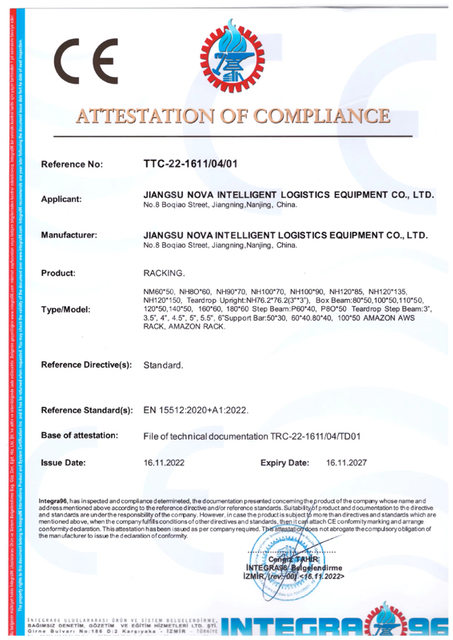 CE Racking
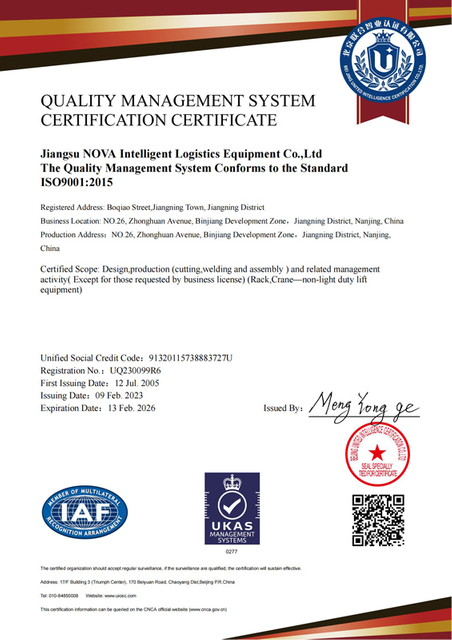 ISO 9001
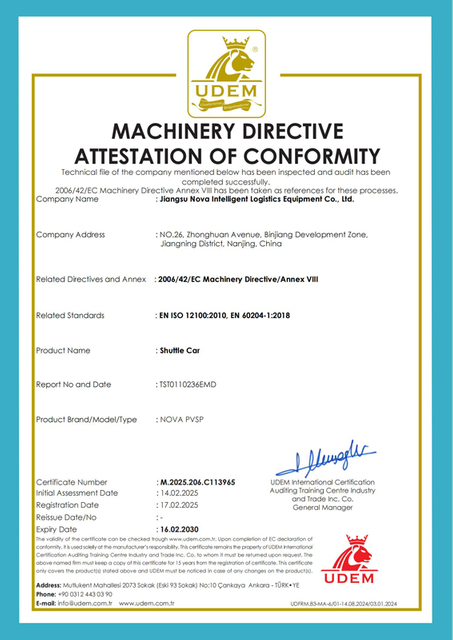 CE Shuttle Car
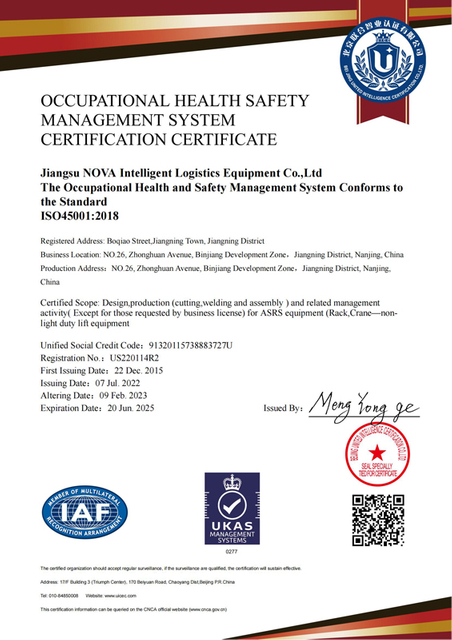 ISO 45001







Compare Rack Storage Systems by Density, Selectivity and Fit
Use this procurement matrix to narrow the technical conversation. The best system is not the one with the highest density; it is the one that matches SKU count, pallet flow, forklift access, building height and future automation plans.
Industrial Rack Storage Procurement Questions
These are the questions export buyers ask most often when comparing rack storage suppliers, requesting layouts and preparing customs or installation plans.
What qualifies a supplier for a top 10 industrial rack storage shortlist?
A credible shortlist should combine manufacturing capability, engineering review, load-test evidence, export packing, documentation, installation support and verified project references. Price per bay is only one line in the total cost model. Buyers should ask for calculation drawings, steel traceability, coating specifications, container loading plans and spare-part commitments before comparing commercial offers.
Can rack storage be designed for seismic zones in Chile, Peru and Colombia?
Yes. Seismic-ready racking should be engineered with local requirements in mind, such as NCh 2369 in Chile, E.030 in Peru and NSR-10 in Colombia where applicable. Reinforcement may include heavier uprights, additional bracing, seismic base plates, anchor specifications and row-end protection. Calculation reports should be supplied with quotation drawings so the buyer's local engineer can review and approve the design.
How should procurement teams compare total cost of ownership?
Compare pallet positions per container, freight cost per position, installation hours, expected service life, inspection requirements, spare-part availability and the cost of future retrofit. A system that saves steel cost but loses container utilization or requires early replacement can be more expensive over ten years. For automated systems, include software support, shuttle or crane redundancy and maintenance access in the model.
What is the typical lead time and shipping route to South America?
Standard selective racking is typically produced in about 25 to 35 days. Ocean transit from China to ports such as Santos, San Antonio, Callao, Buenaventura, Guayaquil, Buenos Aires or Montevideo usually takes around 30 to 45 days depending on the route and sailing schedule. AS/RS, shuttle and mezzanine projects follow a project schedule agreed at contract stage, including engineering approval, production, pre-shipment inspection and installation planning.
Which export documents and certifications are provided?
Export packages typically include commercial invoice, detailed packing list, bill of lading, certificate of origin and, on request, material certificates, test reports and installation manuals. Certification evidence can include ISO 9001, ISO 14001, ISO 45001 and CE documentation for racking, stacker cranes, shuttle cars and RGVs. Spanish or Portuguese documentation support can be arranged for South American projects.
What surface finish is recommended for humid, coastal or cold-storage warehouses?
For humid tropical or coastal sites, specify epoxy-polyester powder coating with enhanced pretreatment and verify coating thickness. For high-corrosion, cold-storage or port environments, hot-dip galvanized components may be more appropriate. Buyers should disclose humidity, salt exposure, wash-down practices and temperature cycles in the RFQ so the finish system is engineered rather than assumed.
Do you provide installation and after-sales support in South America?
Yes. Installation support can include supervising engineers, training for local installation crews, commissioning, acceptance testing and handover documentation. After-sales support covers spare parts, remote diagnostics for automated equipment such as stacker cranes, shuttles and WMS/WCS, and periodic rack safety inspection recommendations. Project communication can be handled in English, Spanish or Portuguese.
How do I choose between selective, drive-in, push-back, shuttle, cantilever and AS/RS?
Start with SKU count, pallets per SKU, required selectivity, forklift type, building height, temperature environment and future automation. Selective racking is best for mixed SKUs and fast access. Drive-in and push-back improve density for narrower SKU profiles. Radio shuttle and four-way shuttle suit deeper lanes and higher throughput. Cantilever is for long goods. AS/RS is appropriate when high-bay storage, labor reduction and 24/7 throughput justify the automation investment.
Send Your Warehouse Data. Get a Factory-Direct Layout Direction.
Share your building length × width × clear height, pallet size and load, forklift type, SKU profile and target throughput. The project team can respond with a system recommendation, pallet-position logic and an export-oriented quotation path.