Top 10 Industrial Shelving Supplier & Wholesalers
A 2025 procurement, specification and supplier due-diligence guide for warehouse racking, industrial shelving and high-density storage buyers.
8 Industrial Shelving & Racking Products for Wholesale Procurement
Rather than listing ten anonymous sellers, this guide starts with eight practical factory-direct product entry points. They cover heavy-duty pallet racking, push-back storage, medium-duty shelving, light-duty boltless shelving, custom garage racking and cold-room racking so buyers can match load, selectivity, density, finish and delivery requirements before requesting a quotation.
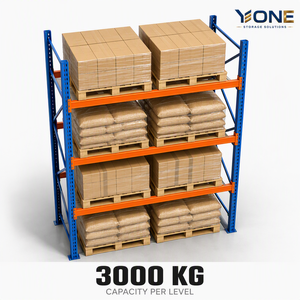
Factory Heavy Duty Steel Pallet Rack 2000kg Capacity Warehouse Storage Rack System Boltless Adjustable
A practical 2,000 kg-class boltless pallet rack for distributors and 3PLs that need adjustable levels and straightforward expansion.
View Product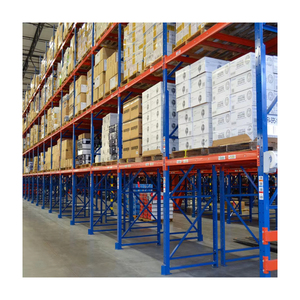
Wholesale Price Heavy Duty Storage Racks Warehouse Stacking Racks Selective Steel Pallet Rack Heavy-Duty Racking for Sale
Selective racking for wholesale programs where every pallet must be directly accessible and future bay expansion is likely.
View Product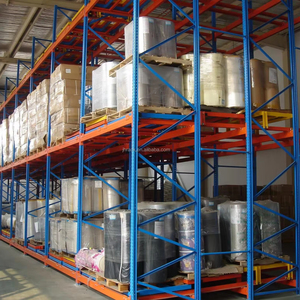
Steel Structures Heavy Duty Industrial Shelves Push Pallet Rack Shelf Warehouse Racking System Shelving Storage System
A push-back concept for medium SKU counts: increase pallet density while keeping active pallet faces reachable.
View Product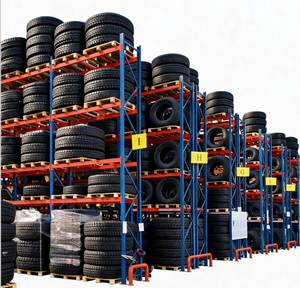
Custom Heavy Duty Industrial Pallet Racking Load Capacity Warehouse Pallet Shelving Q235 Steel Beam Type Adjustable Powder Rack
Suitable for engineered projects requiring custom dimensions, powder-coating, beam calculations and local engineering review.
View Product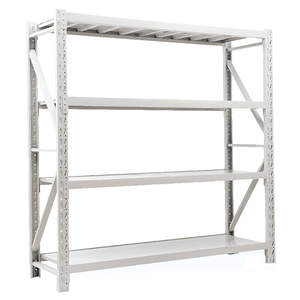
4-Shelf Light Duty Boltless Rivet Shelving Metal Shelf Storage Racks for Garage and Supermarket Shelves HJQ-105
Boltless rivet shelving for backrooms, supermarkets, spare parts and fast-assembly projects with volume freight requirements.
View Product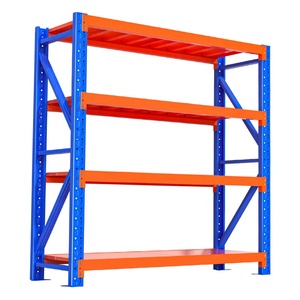
200KG Load Adjustable Medium Duty Steel Shelving Storage Rack Warehouse Shelves
A flexible 200 kg-per-level option for carton picking, retail backrooms, workshops and small-enterprise warehouse upgrades.
View Product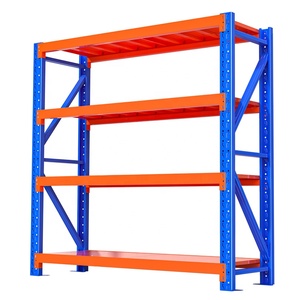
18 Years Factory Customized 120-1000KG Per Layer Steel Shelving Warehouse Racks for Garage Storage
Adjustable shelving for a broad 120–1,000 kg range, useful for buyers that need one dependable platform across several sites.
View Product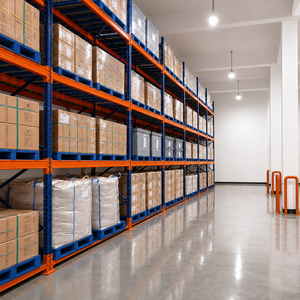
Warehouse Storage Rack 2500kg Capacity Porta Paletes Q235B Steel Racks Industriales Selective Storage for Cold Room High Density
High-capacity selective storage for cold rooms and dense warehouses; finish and prep must be specified for humidity and condensation.
View ProductWhat Makes a Top 10 Industrial Shelving Supplier?
Industrial shelving is not a commodity purchase. A supplier earns a place on a serious shortlist only when it can document load capacity, steel traceability, coating performance, packing method, installation support and after-sales responsiveness. In 2025, buyers in South America also expect engineering calculations, reaction-force drawings and anchor specifications that local engineers can review.
Engineering Evidence
Ask for beam and upright load tables, seismic assumptions, base-plate details, anchor data and CAD layout drawings. A wholesale quote without engineering data creates hidden site risk.
Production Depth
Cold-rolling, punching, welding, powder coating and packing should be controlled under a documented quality system, not outsourced without traceability.
Export Logistics
Container-optimized bundles, clear packing lists, material certificates, bill of lading support and realistic production-to-port timelines matter as much as steel price.
Lifecycle Support
Spare beams, safety clips, shims, anchor bolts, inspection guidance and remote diagnostics reduce downtime long after installation.
| Evaluation Area | Evidence to Request | Why It Matters |
|---|---|---|
| Structural design | Load calculations, beam deflection limits, upright section drawings, seismic references | Prevents under-designed racks, failed inspections and costly rework. |
| Steel and coating | Q235B or Q355 steel report, coating thickness, salt-spray test, galvanizing option | Controls corrosion risk in ports, cold rooms and humid tropical warehouses. |
| Packing and freight | Nested profiles, strapped bundles, container loading plan, packing list photos | Reduces damage and freight cost per pallet position. |
| Installation | Installation manual, supervision scope, anchor template, handover checklist | Keeps schedule predictable and protects worker safety. |
| After-sales | Spare-parts list, response time, WMS/WCS remote support for automated systems | Protects uptime and total cost of ownership. |
Price Per Pallet Position Is Only the First Number
The cheapest quote can become the most expensive project when coating, freight, installation, safety accessories or reconfiguration costs are excluded. Use a total cost of ownership model before selecting a supplier or wholesaler.
Purchase Price
Beam and upright cost is only one input. Check whether accessories, safety pins, floor plates, anchors, shims and wire mesh decking are included.
Freight and Packing
Nested profiles, smart bundle sizes and container loading plans can materially reduce ocean freight and unloading damage.
Installation and Downtime
Boltless and modular systems reduce labour hours. For automation, commissioning and WMS/WCS integration must be included in the budget.
Corrosion and Maintenance
For coastal, cold-store or humid sites, enhanced powder coating or hot-dip galvanizing can extend service life and protect safety.
Product Procurement Trends Shaping Industrial Shelving in 2025–2030
Buyers are shifting from “price per bay” toward verified performance, automation readiness and lifecycle risk. These procurement trends are especially relevant for warehouses in Brazil, Chile, Peru, Colombia, Argentina, Ecuador and other high-growth markets.
Code-Led Procurement
Seismic and structural requirements are moving into the pre-qualification stage. For Chile, Peru and Colombia, buyers increasingly require calculation reports referencing local practice before awarding a racking contract.
Automation-Ready Layouts
Even manual warehouses now plan for shuttle, four-way shuttle or AS/RS expansion. Rack tolerances, floor flatness and interface data must be considered years before automation arrives.
Corrosion-Led Specifications
Ports, cold chains and tropical climates demand more than a standard paint finish. Buyers now specify pretreatment, epoxy-polyester powder coating or hot-dip galvanizing based on site conditions.
Digital Documentation
CAD layouts, bill of materials, load tables, packing lists, material certificates and installation manuals are becoming standard procurement deliverables, not optional extras.
How Industrial Shelving Products Are Evolving
Racking design is moving toward higher strength-to-weight ratios, faster installation and compatibility with automated handling. The most competitive wholesale programs combine robust steel sections with practical accessories and export-ready packing.
Boltless and Modular Frames
Boltless rivet and adjustable beam systems shorten installation time and simplify reconfiguration as SKU profiles change.
Higher-Strength Steel Sections
Q235B and Q355 grades, optimised profiles and engineered beam-to-upright connections help achieve more capacity with less steel.
Advanced Finishes
Enhanced pretreatment, thicker powder coating and galvanized components respond to humid ports, cold rooms and food-grade environments.
Automation Compatibility
Shuttle lanes, conveyor interfaces, stacker-crane clearances and WMS/WCS data integration are becoming design inputs rather than afterthoughts.
Industrial Shelving Adapted for South American Warehouses
Seismic activity along the Andes, tropical humidity, cold-chain expansion and long ocean routes change how racking must be designed and shipped. A top supplier should adapt the system to the site—not simply send a standard catalogue bay.
Chile and Peru
Seismic-ready design with reinforced uprights, bracing, base plates and anchors. Calculations can reference NCh 2369 and E.030 for review by local engineers.
Brazil
Large-scale distribution centres benefit from selective pallet racking, VNA, shuttle and AS/RS planning for retail, food and pharmaceutical supply chains.
Colombia and Ecuador
Humid and coastal sites require enhanced powder coating or galvanized components. Seismic checks may reference local requirements such as NSR-10 where applicable.
Argentina and Uruguay
Modular longspan shelving, mezzanine and cantilever systems support phased expansion, helping buyers manage capital spending as demand grows.
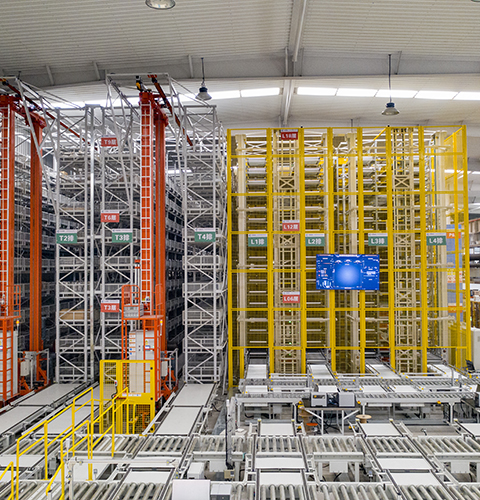
Why My Favorite Shelf Belongs on Your Wholesale Shortlist
My Favorite Shelf Industrial Co., Ltd. is a Nanjing-based manufacturer and integrator of warehouse racking, AS/RS, four-way shuttle, radio shuttle, mezzanine and rack-supported storage systems. Since 1997, the company has combined in-house steel production, engineering design and automation software under one accountable project team.
For South American buyers, this means the steel, powder coating, automation interfaces and project documentation can be coordinated by one manufacturer—with engineering documentation in English and project support in Spanish and Portuguese. Our experience across 8,000+ projects in 140+ countries helps procurement teams avoid costly specification gaps before shipment.
- Own production base with about 60,000 tons annual steel capacity
- Municipal-level R&D centre with 70+ national patents and software copyrights
- ISO 9001, ISO 14001, ISO 45001 and ISO 10012 quality and measurement management
- CE certification for racking, stacker cranes, shuttles and RGVs
- Designated logistics equipment supplier for enterprises including GE, Siemens, Walmart, Amazon and Toyota
- Engineering team led by professor-level senior engineers with automated warehouse design experience
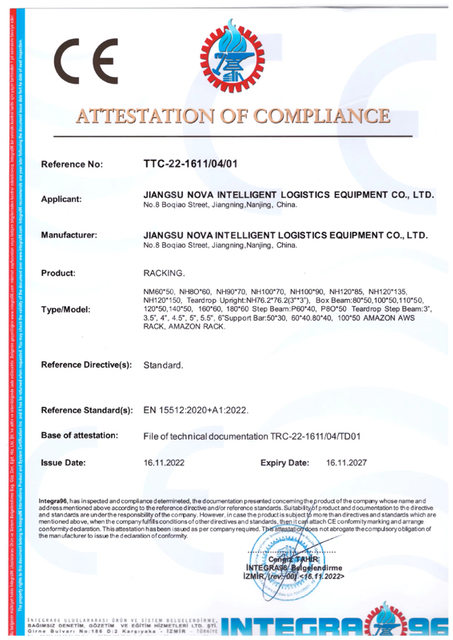
CE · Racking
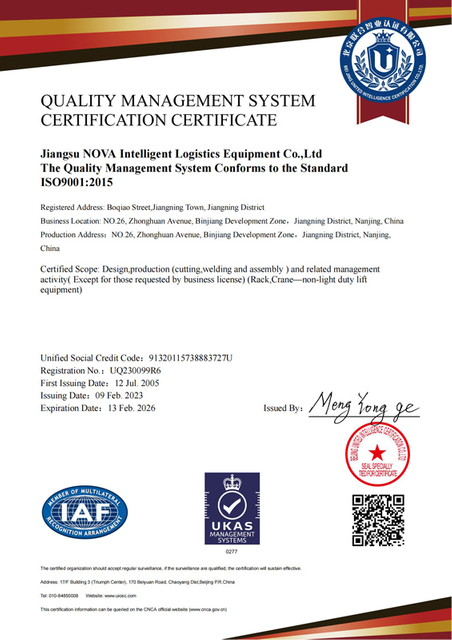
ISO 9001
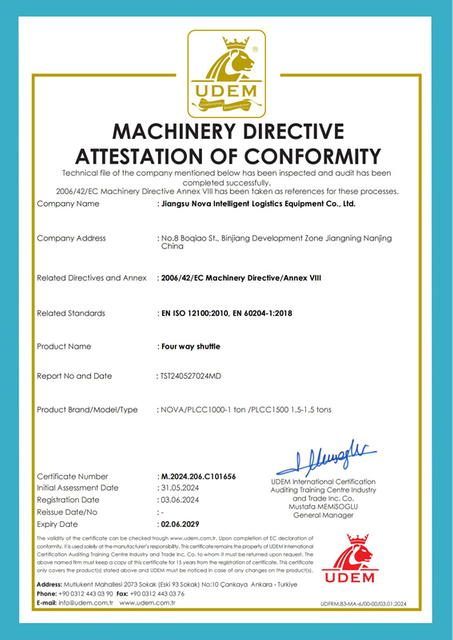
CE · Four-Way Shuttle
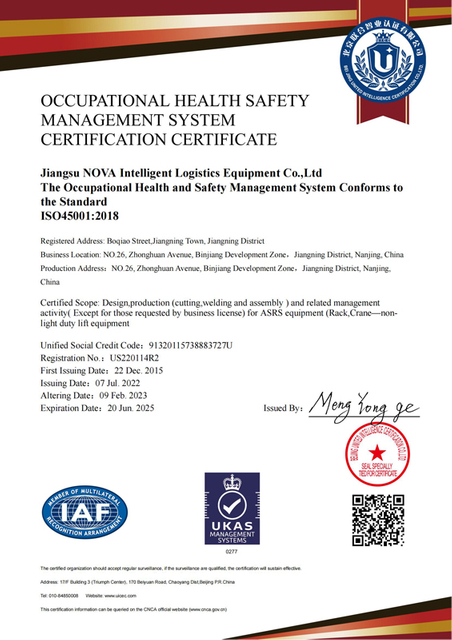
ISO 45001
Frequently Asked Questions About Industrial Shelving Suppliers
These are the questions procurement teams ask most often when comparing racking wholesalers, evaluating load capacity and planning delivery to South America.
Which industrial shelving system is best for my warehouse?
Start with load per pallet or shelf, unit size, required selectivity, storage density, available height, forklift type and future automation plans. Selective pallet racking is best when every SKU needs direct access. Push-back, drive-in, shuttle or AS/RS should be considered only when density gains justify lower selectivity or higher capital cost. For cartons and spare parts, medium-duty or light-duty boltless shelving is often more practical than pallet racking.
Can your pallet racking be designed for seismic zones in Chile, Peru and Colombia?
Yes. Our engineers can prepare structural and seismic load calculations with reference to local requirements such as NCh 2369 in Chile, E.030 in Peru and NSR-10 in Colombia. Reinforced uprights, bracing, base plates and anchor specifications can be included, and calculation reports can be delivered with quotation drawings for review by your local engineer.
How should I compare wholesale racking quotations?
Compare the same bay width, depth, height, beam load, upright section, coating, accessories, packing and delivery scope. Ask for a bill of materials, load table, finish specification and installation assumptions. A low price can exclude safety accessories, anchors, wire mesh decking, customs documents or installation supervision. Use total cost of ownership rather than price per kilogram of steel.
How long does delivery to South American ports take?
Standard selective racking is typically produced in 25 to 35 days after drawing approval. Ocean transit from China to ports such as Santos, San Antonio, Callao, Buenaventura, Guayaquil or Buenos Aires usually takes about 30 to 45 days depending on the route and sailing schedule. AS/RS, shuttle and mezzanine projects follow a project schedule agreed at contract stage.
Which export documents and certificates can you provide?
We provide commercial invoice, detailed packing list, bill of lading, certificate of origin and, on request, test reports, material certificates and installation manuals. We can support documentation in English, with Spanish or Portuguese project communication available. Certifications such as ISO 9001, ISO 14001, ISO 45001 and CE for racking and automation equipment can be provided for buyer verification.
What surface finish is recommended for humid, coastal or cold-room warehouses?
For humid tropical or coastal sites, we recommend epoxy-polyester powder coating with enhanced pretreatment, thicker coating specification or hot-dip galvanized components. Cold rooms and food environments require careful review of condensation, cleaning chemicals and hygiene requirements. The finish should be specified together with the structural design, not chosen after the rack layout is fixed.
Do you offer installation and after-sales support in South America?
Yes. We can dispatch supervising engineers for installation and commissioning, train local installation teams, provide spare parts and offer remote diagnostics for automated systems such as stacker cranes, shuttles and WMS/WCS software. For manual racking, we provide installation manuals, anchor templates and handover checklists so local contractors can install safely and efficiently.
Request a Layout, Load Calculation and Wholesale Quotation
Send your building dimensions, pallet or carton size, maximum load, forklift type, target capacity, city and country. Our engineering team will review seismic conditions, humidity, freight route and installation scope, then recommend a practical shelving or racking configuration with a clear bill of materials.
Helpful inputs: building drawing or length × width × clear height, pallet size and weight, SKU count, throughput, and required delivery port.
Replies in English, Spanish or Portuguese are available for South American projects.