Top China Pallet Racking Industrial Factories & Factory
Engineering-led pallet racking, AS/RS, shuttle systems and warehouse storage solutions for buyers who need verified factory capability, CE/ISO documentation, seismic-ready design and export-ready delivery.
Eight Pallet Racking Systems for Factory-Direct Procurement
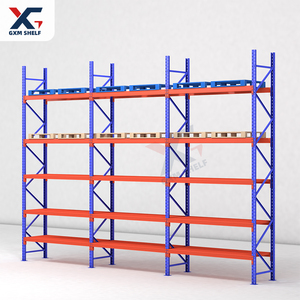
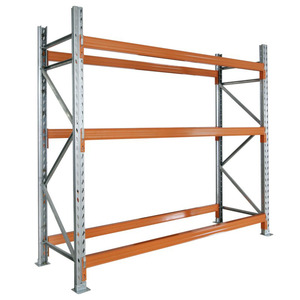
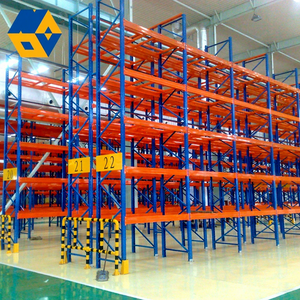
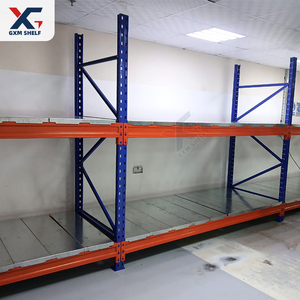
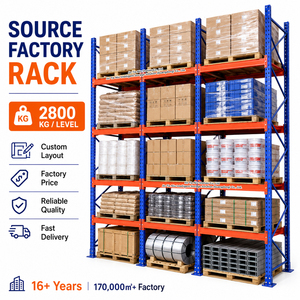
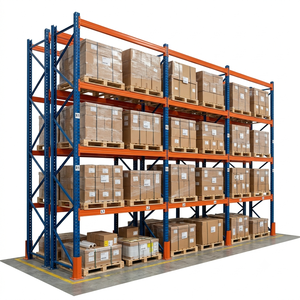
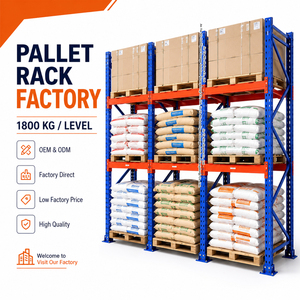
These industrial racking systems represent the practical range buyers compare when shortlisting China pallet racking factories: selective pallet racking, heavy-duty beam racking, stainless steel racking, multi-level storage and high-bay systems.
From Search Intent to Factory Shortlist: What Top China Pallet Racking Industrial Factories Must Prove
The search phrase Top China Pallet Racking Industrial Factories & Factory is usually a commercial-investigation query, not a simple product search. Buyers want proof of manufacturing depth, compliance, engineering support, export experience and lifecycle service before they release a drawing package or pay a deposit.
Purchasing managers, 3PL operators, warehouse integrators and project consultants evaluate China pallet racking suppliers for different reasons. Some are replacing conventional selective racking; others need an AS/RS stacker crane, four-way shuttle system, radio shuttle racking or rack-supported warehouse building. The common question is whether the supplier is a real industrial factory with engineering accountability, or a trading intermediary that cannot control profile quality, welding, powder coating, load testing or installation documents.
A top-tier China pallet racking factory should be assessed like any other capital-goods manufacturer. The lowest price per kilogram is not a reliable metric because upright section design, steel grade, beam lock safety, powder-coating thickness, anchor specification and seismic detailing can change the real cost of ownership dramatically. A racking system that appears inexpensive at quotation stage may become expensive when it requires rework, additional bracing, local re-engineering or delayed installation.
Three search intents to satisfy before a buyer requests a quote
- Factory verification intent: the buyer wants to know whether the manufacturer owns production lines, R&D capability and quality documentation, or simply resells racking from other plants.
- Technical selection intent: the buyer is comparing selective, double-deep, drive-in, push-back, radio shuttle, four-way shuttle, AS/RS and mezzanine systems by density, selectivity, throughput and safety.
- Procurement risk intent: the buyer needs lead times, container loading plans, CE/ISO certification, seismic calculations, installation supervision and spare-parts support before awarding the project.
For a high-value industrial storage project, ask the factory to identify the exact scope boundary. Does the quotation include profiling, powder coating, wire mesh decking, column guards, anchor bolts, load signage, drawing approval, container optimisation and engineer supervision? A serious factory will separate ex-works supply, shipping support and on-site service, so the buyer can compare suppliers on an equal basis.
Information Gain: Audit Evidence to Request
- Steel certificate and coil traceability
- Profile drawings and beam-to-upright connection details
- Load calculation and seismic design reference
- ISO 9001 / 14001 / 45001 and CE certificates
- Packing list, container loading plan and customs documents
Best-fit recommendation logic
Most warehouses are not won by density alone. Selective racking is often best when SKU variety and fast access dominate. Shuttle or drive-in racking is stronger when the SKU profile is narrow and storage density is the priority. AS/RS becomes attractive when labour cost, high-bay utilisation, 24/7 throughput and inventory accuracy justify the automation investment.
| Audit Area | Evidence to Request | Why It Matters to Total Cost |
|---|---|---|
| Manufacturing depth | Cold-rolling, profiling, welding, powder-coating and packing lines; annual steel capacity; coil traceability. | Controls lead time, profile consistency, coating quality and the supplier’s ability to handle project changes. |
| Engineering capability | Layout drawings, beam/upright calculations, seismic references, anchor plans, WMS/WCS integration experience. | Reduces redesign risk, permit delays and unsafe load assumptions. |
| Quality management | ISO 9001, ISO 14001, ISO 45001, CE certificates, material reports, load-test and coating-thickness records. | Protects the buyer during safety review, customs clearance and corporate procurement compliance. |
| Project references | Completed racking projects, AS/RS or shuttle installations, named customers, project photos and acceptance records. | Shows whether the factory can deliver beyond a catalogue and manage real site constraints. |
| Export logistics | Container optimised packing, packing lists, certificate of origin, installation manuals, port experience. | Lowers freight damage risk, demurrage risk and on-site assembly time. |
| After-sales system | Supervising engineers, spare-parts list, remote diagnostics for automation, inspection checklist. | Improves uptime and reduces long-term maintenance friction. |
Factory Capability That Procurement Teams Can Audit
Use measurable capability, not brochure language, to compare China pallet racking industrial factories. The benchmark below reflects the engineering, production and project record of My Favorite Shelf Industrial Co., Ltd.
Why My Favorite Shelf Is a Credible China Pallet Racking Factory Benchmark
E-E-A-T in industrial SEO is not a slogan. It is demonstrated through experience, engineering expertise, third-party authority and trustworthy documentation. Each point below can be verified before purchase.
Experience Since 1997
More than two decades of racking, AS/RS and warehouse project delivery across manufacturing, retail, food, pharma, e-commerce and logistics.
Engineering & R&D
A municipal-level R&D centre, 70+ national patents and software copyrights covering racking, stacker cranes, conveyors, shuttles and WMS/WCS.
Quality & Certification
ISO 9001, ISO 14001, ISO 45001 and ISO 10012 measurement management; CE certification for racking, shuttle cars, stacker cranes, four-way shuttles and RGVs.
Global Project Discipline
Designated logistics equipment supplier experience with international enterprises such as GE, Siemens, Walmart, Amazon and Toyota.
South America Support
Seismic-ready engineering, port-optimised packing and documentation support for Brazil, Chile, Peru, Colombia, Argentina and Ecuador.
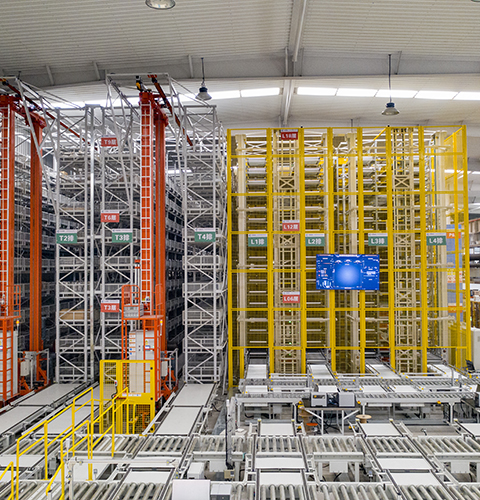
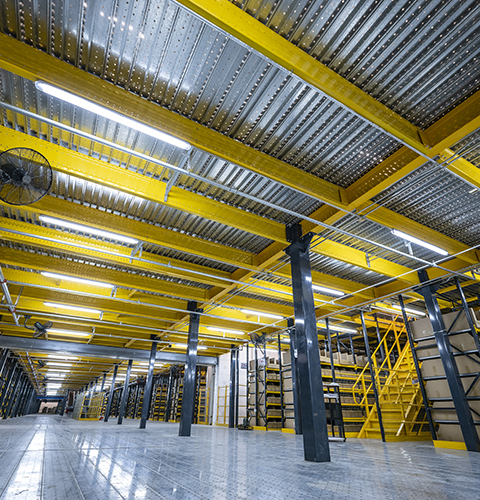
What the factory record means for a buyer
My Favorite Shelf Industrial Co., Ltd. has designed, manufactured and installed warehouse racking and automated storage systems since 1997. Its production base processes around 60,000 tons of steel per year, and its engineering team is supported by a professor-level senior engineer and doctoral tutor who has co-authored technical references on automated warehouse design and logistics distribution centre management.
For international buyers, this matters because the factory can supply conventional heavy-duty pallet racking, mezzanine platforms, radio shuttle racking, four-way shuttle systems and AS/RS under one engineering process. The result is fewer interface risks between steel structure, automation, controls and software — a significant advantage when the project includes WMS/WCS integration or a rack-supported building.
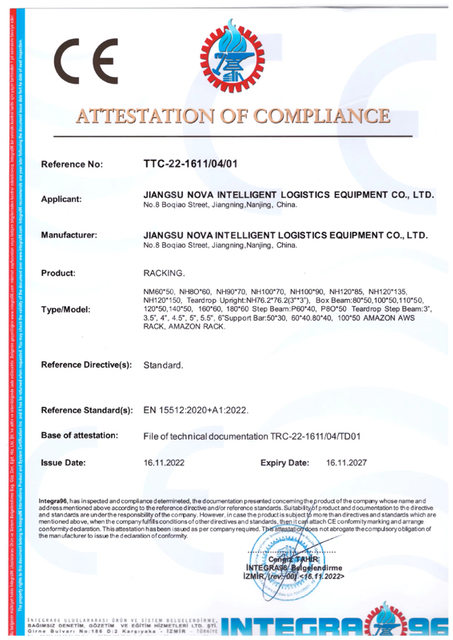 CE · Racking
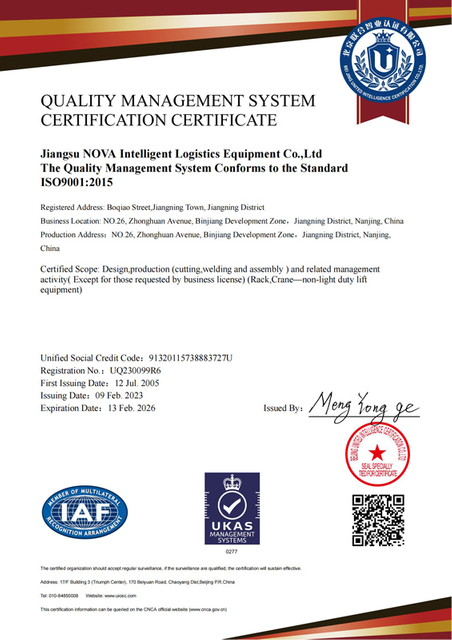 ISO 9001
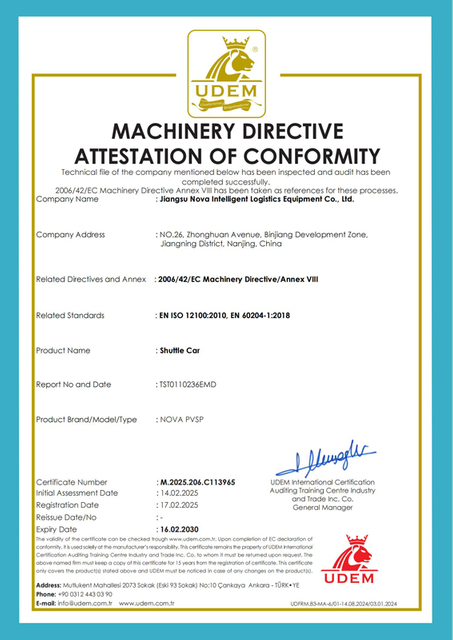 CE · Shuttle Car
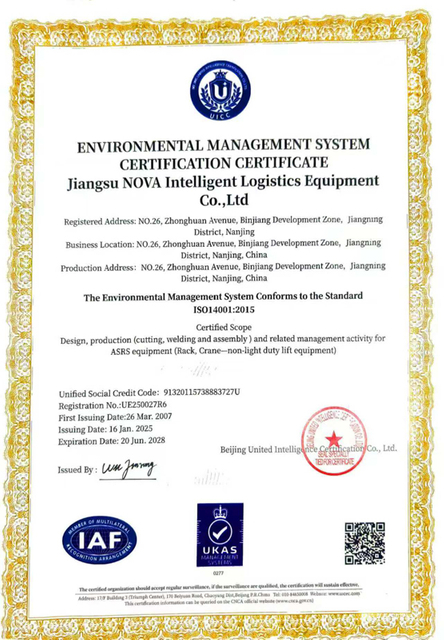 ISO 14001
How Pallet Racking Products Are Evolving Beyond Steel and Shelves
Pallet racking is becoming a data-aware, safety-critical and automation-ready asset. The strongest China pallet racking factories are shifting from component supply to engineered storage infrastructure.
AS/RS-Ready High Bay Design
Stacker crane, conveyor and WMS/WCS integration are pushing racking toward tighter tolerances, higher bays and stronger interface engineering. Racking is increasingly specified as part of an automated storage and retrieval system, not a standalone product.
High-Density Shuttle Systems
Radio shuttle and four-way shuttle systems reduce aisle loss and improve pallet density. Buyers now compare FIFO/LIFO rules, shuttle redundancy, charging strategy and maintenance access before selecting a deep-lane solution.
Seismic and Safety Engineering
Chile, Peru, Colombia and other seismic regions require calculations aligned with local practice such as NCh 2369, E.030 and NSR-10. Reinforced uprights, bracing, base plates and anchors are becoming normal procurement requirements.
Modular and Sustainable Storage
Mezzanine platforms, rack-supported buildings, modular longspan and reusable steel structures help buyers expand in phases. Enhanced powder coating and hot-dip galvanising extend service life in humid, coastal or cold-chain sites.
What Intelligent Buyers Will Demand From Pallet Racking Factories
The next procurement cycle will reward factories that can document engineering decisions, support remote audits, reduce installation risk and stay accountable through the asset lifecycle.
Total Cost of Ownership
Buyers are moving from price-per-kilogram comparisons to TCO models covering freight, installation, inspection, spare parts, rework and downtime risk.
Documentation-First Compliance
CE, ISO, material reports, load calculations and seismic references are now requested earlier, often before commercial negotiation is finalised.
Digital Integration
Racking specifications increasingly connect to WMS/WCS, shuttle control, inventory accuracy and maintenance scheduling, especially in automated projects.
Remote Factory Audits
Video walk-throughs, production-line evidence and certificate verification allow international buyers to shortlist suppliers before travelling or sending inspectors.
Port-Optimised Logistics
Container loading plans, nested profiles and packing methods directly affect freight cost, damage risk and installation speed at Santos, San Antonio, Callao or Buenaventura.
Lifecycle Service
Spare parts, periodic inspections, safety signage and remote diagnostics for automated equipment are becoming part of the supplier evaluation scorecard.
Match the Racking System to the Warehouse Before Negotiating Price
A capable factory should challenge the brief when the chosen system does not match the SKU profile, throughput or building geometry. This is one of the clearest signs of engineering expertise.
| System | Density | Selectivity | Best Fit | Procurement Note |
|---|---|---|---|---|
| Selective Racking | Low–Medium | Very High | Many SKUs, fast access | Usually the safest first comparison for distribution centres. |
| Double-Deep Racking | Medium | Medium | 2+ pallets per SKU | Requires suitable reach truck configuration and pallet discipline. |
| Drive-In Racking | High | Low | Cold storage, few SKUs | Best when homogeneous pallet batches justify lane storage. |
| Radio Shuttle | High | Medium–Low | Deep lanes, FIFO/LIFO | Compare shuttle count, charging strategy and maintenance access. |
| Four-Way Shuttle | Very High | High | Automated dense storage | Needs clear WMS/WCS interface definition and redundancy planning. |
| AS/RS | Very High | Very High | High bay, 24/7 operation | Justify by labour cost, throughput, accuracy and building height. |
| Mezzanine / Platform | Adds floor area | High | Picking, spare parts, e-commerce | Review live load, stairs, fire strategy and building approvals. |
Frequently Asked Questions About China Pallet Racking Factories
These are the questions that help buyers distinguish a capable industrial factory from a catalogue reseller.
How can I verify that a China pallet racking factory is a real manufacturer?
Ask for production evidence: coil traceability, cold-rolling and profiling lines, welding and powder-coating processes, load-test records and packing methods. Request ISO 9001/14001/45001 certificates, CE certificates for racking and automation equipment, and a live video walk-through of the factory. A real factory can explain the exact upright profile, beam lock design, finish thickness and inspection process. It should also be able to provide engineering calculations and project references rather than only product photos.
Can pallet racking be designed for seismic zones in Chile, Peru and Colombia?
Yes. Seismic-ready racking should be engineered with reference to the project’s local requirements, such as NCh 2369 in Chile, E.030 in Peru and NSR-10 in Colombia where applicable. The design may require reinforced uprights, additional bracing, heavier base plates, specified anchors and a formal calculation report. The racking supplier should deliver drawings and assumptions that the buyer’s local engineer can review and approve before production.
What information should I provide for an accurate pallet racking quotation?
Provide the building drawing or at least length, width and clear height, including column grid and floor slab details. Share pallet dimensions, maximum pallet weight, load overhang, stacking pattern, SKU profile and expected inbound/outbound throughput. Also state the forklift type, lift height, destination city and whether the project requires seismic calculations, cold-store finishing, mezzanine access or automation. The clearer the input data, the more reliable the layout, pallet-position count and price will be.
What is the typical lead time from a China pallet racking factory?
Standard selective racking is often produced in about 25 to 35 days after drawing approval, depending on quantity, finish and factory loading. Ocean transit to South American ports such as Santos, San Antonio, Callao, Buenaventura, Guayaquil or Buenos Aires commonly takes around 30 to 45 days depending on the route and schedule. AS/RS, four-way shuttle and rack-supported building projects should be planned against a project schedule agreed at contract stage, including drawing approval, production, testing and installation supervision.
Are CE and ISO certificates enough to approve a racking supplier?
Certificates are necessary evidence, not a complete approval decision. Check the certificate scope and whether it covers the relevant products and processes. Then review engineering calculations, steel material reports, coating thickness checks, load-test records, packing standards and installation method statements. For automated systems, ask for software architecture, safety controls, spare-parts lists and remote-diagnostics capability. A credible factory will welcome this level of verification because it protects both the buyer and the project schedule.
Which finish is recommended for humid, coastal or cold-storage warehouses?
For humid tropical or coastal sites, specify enhanced pretreatment and epoxy-polyester powder coating, or hot-dip galvanised components where corrosion risk is high. For cold storage and food environments, consider stainless steel or appropriate corrosion protection, plus hygiene-conscious design details. The finish specification should reflect the actual environment rather than a generic colour choice, because coating quality directly affects maintenance cost and asset life.
Can one factory supply conventional racking, shuttle systems, AS/RS and WMS/WCS together?
An integrated factory can reduce interface risk between steel structure, stacker cranes, conveyors, shuttle carriers, controls and warehouse software. This is valuable when the project has phased automation or when conventional pallet racking must connect to automated zones. Ask how the WMS/WCS scope is defined, who is responsible for commissioning, what spare parts are recommended and how remote diagnostics will be handled after handover.
How does installation and after-sales service work for overseas pallet racking projects?
A mature factory provides installation manuals, layout drawings, anchor plans and packing lists, and can dispatch supervising engineers for installation and commissioning. For South American projects, documentation in English with Spanish or Portuguese support is valuable. Clarify whether the quote includes supervision, local crew training, acceptance testing, spare parts and ongoing inspection support. For automated systems, confirm remote diagnostics and software support responsibilities before the contract is signed.
Request a Factory-Direct Pallet Racking Quote
Send your building dimensions, pallet size and weight, throughput target, destination country and preferred storage system. Our engineering team will review the project for factory selection, layout feasibility, seismic requirements and export logistics, then respond with a practical quotation path.
- Heavy-duty pallet racking
- AS/RS and shuttle systems
- Seismic-ready engineering
- CE/ISO documentation