8 Factory-Direct Pallet Rack Storage Systems for Wholesale Procurement
These eight systems cover the most common wholesale buying intents: high-density lane storage, selective distribution racking, long-load cantilever storage, high-bay adjustable-beam racking and heavy-duty industrial shelving. Every product page below is retained with its original URL so buyers can verify specifications, load data and quotation requirements.
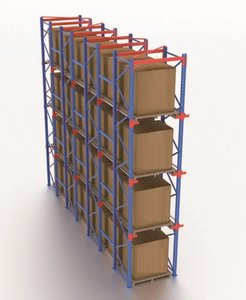
High Density Commercial Shelves Storage Warehouse Racking Systems Drive-In Pallet Rack for Industrial Factory Racks
Best for cold-chain, beverage and homogeneous-SKU warehouses that need dense lane storage and fewer aisles.
Request product data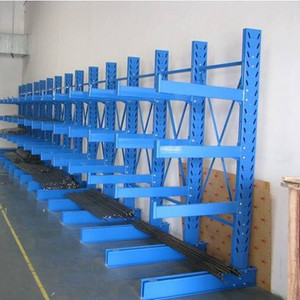
Warehouse Heavy Duty Industrial Cantilever Rack
Best for timber, pipe, profiles and building materials where shelf-supported pallet racking is not suitable.
Request product data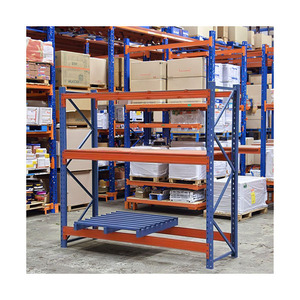
Selective Pallet Racking System Stable Modular Steel Distribution Center Warehouse Storage Rack 2000kg Heavy Duty
Best for high-SKU distribution centres needing 2,000 kg beam loads, direct access and modular expansion.
Request product data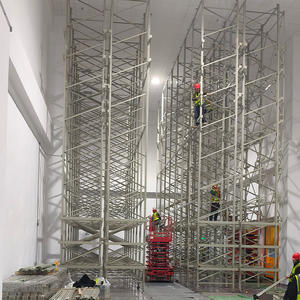
Industrial Grade Selective Pallet Racking for High Bay Warehouse with Adjustable Beam
Best for high-bay warehouses using adjustable beams to match changing pallet heights and product mixes.
Request product data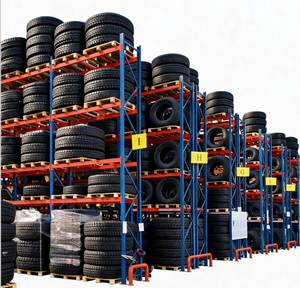
Custom Heavy Duty Industrial Pallet Racking Load Capacity Warehouse Pallet Shelving Q235 Steel Beam Type Adjustable Powder Rack
Best for buyers needing Q235 steel, powder coating, adjustable beam levels and project-specific load capacity.
Request product data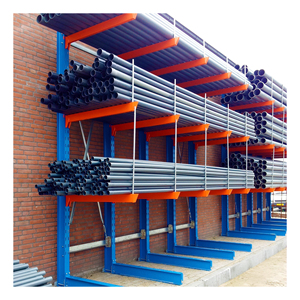
China Wholesale Industrial Warehouse Heavy Duty Single Side Cantilever Rack
Best for single-side cantilever storage, building-material yards and outdoor-covered aisles.
Request product data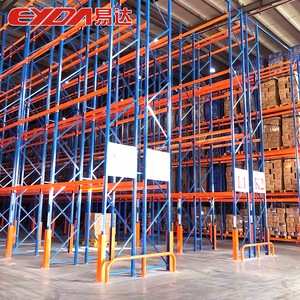
Storage Shelf Warehouse Heavy Duty Industrial Steel 5 Layer Pallet Racking Narrow Aisle Selective Rack System
Best for 5-layer narrow-aisle selective storage in industrial warehouses with high pallet density.
Request product data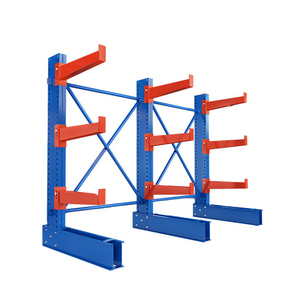
Manufactured in China Best Price Structural Cantilever Racking for Timber Storage Warehouse Rack for Sale
Best for timber storage and export buyers comparing structural cantilever racking prices and lead times.
Request product dataWhat Makes a Pallet Rack Storage System Supplier Trusted?
Pallet racking looks simple, but it is a structural product that carries people, forklifts, inventory and building risk. Trusted suppliers and wholesalers separate themselves from trading companies by proving engineering capability, material traceability, certification, installation support and lifecycle service before price is discussed.
Engineering evidence
A trustworthy wholesaler should provide layout drawings, upright and beam load tables, seismic or wind calculations where required, anchor specifications and a clear design brief based on pallet size, weight, lift height and throughput.
Certification and testing
ISO 9001, ISO 14001, ISO 45001 and CE certification for racking, stacker cranes, shuttles, four-way shuttles and RGVs are meaningful procurement filters. Buyers should also ask for coating-thickness records, material certificates and load-test reports.
Factory-direct capacity
Wholesalers without production control can struggle on profile availability, coating quality and delivery dates. A manufacturer with its own cold-rolling and powder-coating lines can protect specifications and reduce the risk of substitution during peak demand.
Installation and after-sales
Trusted suppliers plan installation supervision, local crew training, commissioning, spare parts and periodic safety inspections. For automated systems, remote diagnostics for stacker cranes, shuttles and WMS/WCS software should be part of the service model.
Product Recommendations by Operating Profile
Smart buyers do not begin with a product name. They begin with pallet count, SKU profile, lift equipment, building height, seismic zone and future expansion. The recommendation cards below translate common operating profiles into the right pallet rack storage system family.
Fast-moving distribution
Choose selective pallet racking when SKU variety is high and direct access matters. Adjustable beams, wire mesh decking and clear aisle planning support fast picking and replenishment.
Cold-chain density
Drive-in or radio shuttle racking is usually more suitable when SKUs are few, pallet quantities are deep and refrigerated cubic space is expensive. Lane discipline and FIFO/LIFO rules must be agreed early.
Long loads and timber
Cantilever racking removes the front column obstruction and supports pipes, profiles, panels and timber. Single-side and double-side configurations should be matched to yard space and forklift approach.
High-bay and automation
High-bay selective racking with adjustable beams can be designed for very narrow aisles, stacker cranes or future AS/RS integration. Early tolerance planning prevents costly retrofits.
Pallet Rack Procurement Trends Reshaping Wholesale Buying
Procurement teams are moving away from lowest-unit-price purchasing. The strongest suppliers now compete on documented safety, total cost of ownership, freight optimisation, automation readiness and lifecycle support. These trends matter for any buyer shortlisting pallet rack storage system suppliers and wholesalers.
Total cost of ownership replaces lowest price
Buyers now compare quotation price against coating durability, repair frequency, spare-part availability, installation time and future reconfiguration cost. A slightly higher factory-direct quote can be cheaper over ten years if the uprights, beams and anchors are correctly engineered.
Seismic and structural files become standard
In Chile, Peru and Colombia, buyers increasingly request calculation packages that reference local seismic requirements. Suppliers that can provide reinforced uprights, bracing, base plates, anchors and reviewable calculation reports gain a clear advantage.
Automation-ready designs
Even buyers who are not ready for AS/RS want racking that can later accept shuttle systems, conveyors, stacker cranes or WMS/WCS integration. Interface tolerances, floor flatness and future aisle widths are now discussed during the first quotation.
Corrosion protection for ports and humidity
Coastal and tropical warehouses are specifying enhanced pretreatment, epoxy-polyester powder coating and hot-dip galvanised components. The procurement question is no longer only colour; it is coating system, thickness and expected service environment.
Container-optimised supply chains
Freight volatility has made packing efficiency a purchasing metric. Nested profiles, steel-strapped bundles and container loading plans reduce freight cost per pallet position and improve landed-cost predictability for importers.
Data-driven layout decisions
Warehouse teams are sharing SKU velocity, pallet dimensions and throughput data earlier. Suppliers that can model pallet positions, aisle widths and handling cycles with CAD or simulation tools reduce the risk of buying a system that looks efficient on paper but bottlenecks in operation.
What the Next Generation of Pallet Rack Systems Looks Like
Racking development is being driven by higher buildings, denser storage, stricter safety reviews and the need to connect steel with software. Wholesale buyers should watch these design directions because they affect future expansion cost and resale value.
Higher strength-to-weight profiles
Cold-rolled uprights, optimised beam sections and adjustable beam connectors are being refined to deliver higher load capacity without unnecessary steel weight. This improves freight efficiency and reduces building loads.
Modular high-density configurations
Selective, drive-in, narrow-aisle and shuttle-compatible modules are being designed around reconfigurable bays. Buyers can phase investment, add levels later and mix manual and automated zones in the same building.
Smarter digital readiness
Racking is increasingly specified with sensor brackets, RFID checkpoints, inspection tags and WMS/WCS data expectations in mind. A rack that cannot be mapped into warehouse software may become a bottleneck in automated operations.
Durability and circular steel
Powder coating, galvanising and steel traceability are becoming part of sustainability reviews. Correctly designed racking can be dismantled, reconfigured and reused, which supports circular procurement and reduces whole-life carbon.
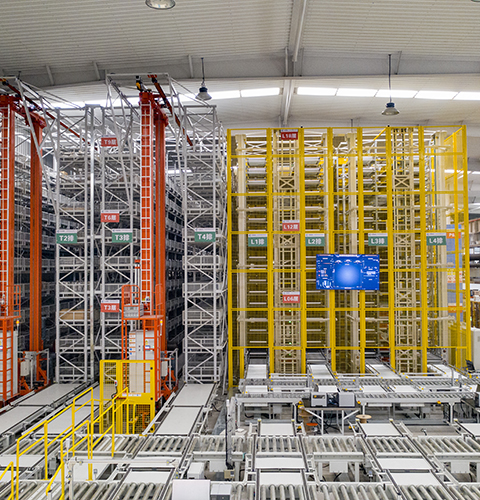
Why My Favorite Shelf Is a Trusted Pallet Rack Wholesaler
My Favorite Shelf Industrial Co., Ltd. has designed, manufactured and installed warehouse racking and automated storage systems since 1997. The company operates its own production base with an annual steel capacity of around 60,000 tons, which gives wholesale buyers direct control over profiles, powder coating, packing and delivery milestones.
Its municipal-level R&D center holds more than 70 national patents and software copyrights covering racking, stacker cranes, conveyors, shuttle carriers and warehouse control software. For procurement teams, this means one accountable manufacturer can coordinate the steel structure, automated equipment and software interface rather than leaving integration risk with multiple trading companies.
- ISO 9001, ISO 14001, ISO 45001 and ISO 10012 quality and management systems.
- CE certification for racking, stacker cranes, shuttle cars, four-way shuttles and RGVs.
- 8,000+ projects delivered across 140+ countries, including work for GE, Siemens, Walmart, Amazon and Toyota.
- Engineering team led by a professor-level senior engineer and doctoral tutor with published logistics and automated warehouse references.
Seismic, Corrosion and Logistics Planning for South American Warehouses
South America is not a single buying market. Seismic exposure, humidity, port routes and local standards change the racking specification. A reliable wholesaler should ask where the warehouse is located before recommending a profile, coating or anchor system.
Chile and Peru: seismic-ready design
Structural calculations can reference NCh 2369 and E.030, with heavier uprights, additional bracing, seismic base plates and anchor specifications supplied for review by the buyer’s local engineer.
Brazil: large-scale distribution
High-bay AS/RS, VNA and shuttle systems suit retail, food and pharmaceutical distribution centres. Designs can be prepared with reference to ABNT NBR 15524 storage-system practice where requested.
Colombia and Ecuador: humid ports
Coastal and tropical sites often need enhanced pretreatment powder coating or hot-dip galvanised components. Seismic checks can reference NSR-10 where required by the project’s structural engineer.
Argentina and Uruguay: phased expansion
Modular longspan, mezzanine and cantilever systems let buyers grow in phases, protecting capital spending while keeping the option to add bays, levels or automation later.
How to Compare Pallet Rack Wholesale Quotes With Data, Not Guesswork
Use a weighted scorecard when comparing suppliers. The suggested weights below are not a universal rule, but they help procurement teams avoid over-weighting the raw steel price and under-weighting engineering, freight and lifecycle risk.
Frequently Asked Questions About Pallet Rack Storage System Suppliers
These are the questions buyers most often ask during supplier shortlisting, budget approval and technical review. Clear answers at the quotation stage reduce rework, customs delays and installation risk.
What should a trusted pallet rack wholesaler provide before quoting?
A credible supplier should request building dimensions, column grid, clear height, pallet size, max load per pallet, forklift type, SKU profile, throughput and site location. The quotation should include layout drawings, load tables, finish specification, packing method and assumptions that affect structural design.
How do I choose between selective, drive-in and cantilever racking?
Selective racking is best when SKU variety and direct access are high. Drive-in racking fits few SKUs with deep pallet quantities and expensive floor space. Cantilever racking is designed for long loads such as timber, pipes and profiles. The right choice depends on handling profile rather than unit price alone.
What load data is required for a safe pallet rack design?
Provide max pallet weight, average pallet weight, pallet dimensions, beam-level loading pattern, number of pallets per bay, forklift impact risk and any planned future load changes. Suppliers should confirm upright capacity, beam capacity, connector performance and permissible deflection in the drawings.
Can pallet racking be engineered for seismic zones?
Yes. For Chile, Peru and Colombia, the engineering file can reference local seismic requirements such as NCh 2369, E.030 and NSR-10. Reinforced uprights, additional bracing, seismic base plates and anchor specifications should be delivered for review by the buyer’s local structural engineer.
Which certifications and documents matter for procurement?
Look for ISO 9001, ISO 14001, ISO 45001 and CE certification where applicable. Also request material certificates, coating-thickness records, load-test reports, packing lists, certificates of origin and installation manuals. These documents support customs clearance, safety review and internal audit.
How should buyers plan lead times and shipping to South America?
Standard selective racking is often produced in 25 to 35 days, while ocean transit to ports such as Santos, San Antonio, Callao, Buenaventura, Guayaquil or Buenos Aires commonly takes 30 to 45 days depending on route. AS/RS and shuttle projects should follow a contract-level project schedule.
What finishes are recommended for humid or coastal warehouses?
For humid tropical or coastal sites, specify epoxy-polyester powder coating with enhanced pretreatment. Hot-dip galvanised components may be appropriate for cold storage, ports and high-corrosion environments. The coating system should be stated in the quotation, not left as a colour-only description.
Does factory-direct wholesale include installation support?
For export projects, a strong supplier provides installation drawings, supervising engineers, local crew training, commissioning support and spare parts. Automated systems such as stacker cranes, shuttles and WMS/WCS software should also include remote diagnostics and a clear escalation path.
How can I avoid hidden costs in a pallet rack quote?
Ask whether the quote includes anchors, floor-fixing design, wire mesh decking, protectors, installation supervision, packing, container loading, customs documents and spare parts. Compare landed cost, not FOB price, and confirm which engineering calculations are included before issuing the purchase order.
Get a Factory-Direct Racking Layout and Wholesale Quotation
Send us your building drawing or simply provide length × width × clear height, pallet size and weight, forklift type, SKU profile and destination city. Our engineers will review the handling profile, seismic or corrosion requirements and shipping route before recommending a system.
- Layout, pallet-position count and system recommendation.
- Load tables, structural assumptions and seismic review points.
- Packing plan, container estimate and export document checklist.
- Installation, commissioning and after-sales support options.
Talk to a racking engineer
Use the quote button to start a live enquiry. Please include your country, warehouse size, pallet load and target go-live date so the first response is technically useful.
Get a QuoteFactory-direct pallet racking, cantilever racking, high-bay selective racking and automation-ready storage systems from a manufacturer established in 1997.