8 Rack Push Back and High-Density Systems Buyers Shortlist First
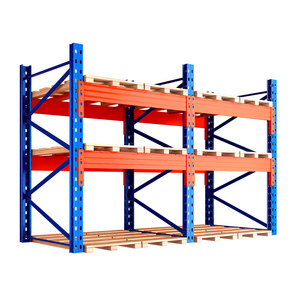
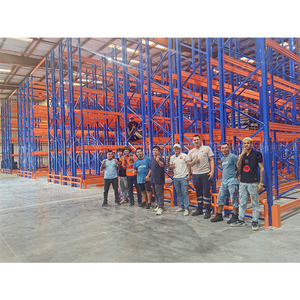
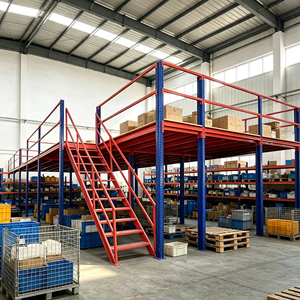
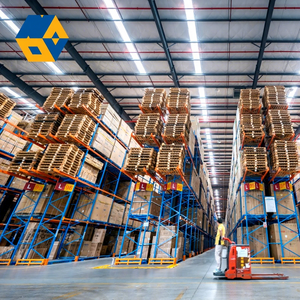
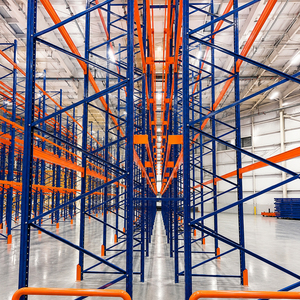
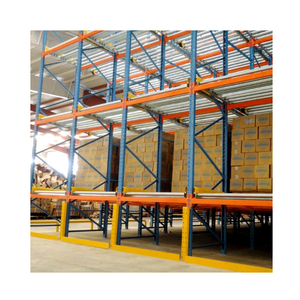
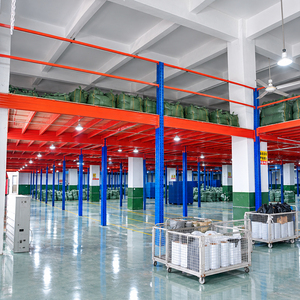
Compare the most requested pallet racking, mezzanine, flow and heavy-duty storage formats used in dense warehouse projects. Each product image below keeps its original URL and fully preserves its natural display ratio.
How to Verify a Trusted Rack Push Back Supplier
Push back racking is a LIFO high-density system in which pallets ride on nested carts and inclined rails. The buying decision is therefore not only about price per pallet position; it is about engineering evidence, cart safety, structural documentation and wholesale repeatability.
What push back racking does well
A well-designed push back system can recover a significant share of aisle space while keeping multiple pallets of the same SKU accessible from a single operating aisle. It is often chosen by food distributors, beverage wholesalers, manufacturers and 3PLs that need more storage density than selective racking but cannot accept the last-in, first-out limitations of drive-in racking.
For a wholesaler or project buyer, the strongest supplier is the one that can connect the rack layout to pallet quality, forklift reach, seismic load path, cart maintenance and future automation. The information gain comes from documented assumptions: how the lane is calculated, how the cart is tested, how the coating is inspected and how spare parts remain available after handover.
Density Without Dead Aisles
Push back lanes use the same operating aisle for several pallet positions, improving cube utilization where SKU counts remain manageable.
LIFO Discipline
The system is best for medium-velocity SKUs with multiple pallets per item. It is not a substitute for strict FIFO inventory rules.
Wholesale Repeatability
Distributors need identical beam punching, coating color, cart brakes and spare parts across repeat orders and multiple warehouse sites.
Project Documentation
Load signs, anchor plans, operation manuals and calculation reports reduce risk for tender review, insurance and local engineering approval.
| Procurement Question | What a Trusted Answer Looks Like | Why It Matters |
|---|---|---|
| Engineering | Site-specific load and seismic calculation with clear assumptions, reviewed drawing and component schedule. | Supports permits, tender compliance and safer installation. |
| Steel Traceability | Coil certificates, material heat records, coating-thickness checks and pre-shipment load testing. | Prevents hidden substitutions and unstable batch quality. |
| Cart & Rail Safety | Anti-derailment design, braking control, shock absorption, accessible maintenance points and wear-part list. | Keeps dense lanes reliable under daily forklift cycles. |
| Commercial Control | Container-loading plan, Incoterms, lead time, warranty terms and spare-parts schedule. | Protects landed cost and after-sales continuity. |
Rack Push Back Buying Trends Reshaping 2025–2030
Wholesale buyers are moving from lowest-unit-price sourcing toward total cost of ownership, technical documentation and automation readiness. The most competitive suppliers will behave more like engineering partners than catalogue sellers.
Total Cost of Ownership
Buyers now compare installation time, damage rates, spare parts, coating life and future reconfiguration cost instead of only price per bay.
Seismic Documentation
Projects in Chile, Peru, Colombia and Ecuador increasingly request calculation reports and anchor details before purchase order approval.
Automation-Ready Racking
Push back, shuttle and AS/RS planning are being evaluated together so that manual storage can migrate toward automation without rebuilding everything.
Port and Tariff Planning
Container optimization, freight timing and customs documents now influence supplier selection as much as factory capacity.
Supplier Consolidation
Procurement teams prefer one accountable partner for racking, mezzanine, shuttle equipment and WMS/WCS integration.
ESG and Circular Steel
Durable powder coating, repairable components and recyclable steel are becoming measurable procurement criteria for larger distributors.
Where Push Back and Dense Storage Technology Is Going
The next generation of push back racking and high-density storage will be judged by safety intelligence, modularity, corrosion performance and how easily it connects with automated handling equipment.
Higher-Strength Steel Profiles
Optimized upright and beam sections allow higher load capacity with less steel, improving freight efficiency and reducing container cost per pallet position.
Smarter Nested Carts
Improved cart brakes, anti-derailment guides and replaceable wear parts are making push back lanes safer and easier to maintain in high-cycle warehouses.
Hybrid Dense Storage
Buyers are mixing selective, push back, gravity flow and shuttle lanes in one facility to match different SKU velocity profiles instead of forcing one system everywhere.
Digital Twins and Sensors
Load monitoring, impact detection and digital layout models help facility teams identify damaged uprights, overloaded beams and inefficient lane assignments.
Corrosion-Resistant Finishes
Enhanced pretreatment powder coating and hot-dip galvanizing are increasingly specified for coastal ports, cold rooms and humid tropical warehouses.
Modular and Reusable Design
Standardized punching, replaceable beams and modular mezzanine components allow warehouses to expand, relocate or reuse racking as business needs change.
Why My Favorite Shelf Is a Trusted Rack Push Back Supplier
My Favorite Shelf Industrial Co., Ltd. has designed, manufactured and installed warehouse racking and automated storage systems since 1997. The company combines its own production base, engineering documentation, export experience and long-term service support for distributors, 3PLs and manufacturers.
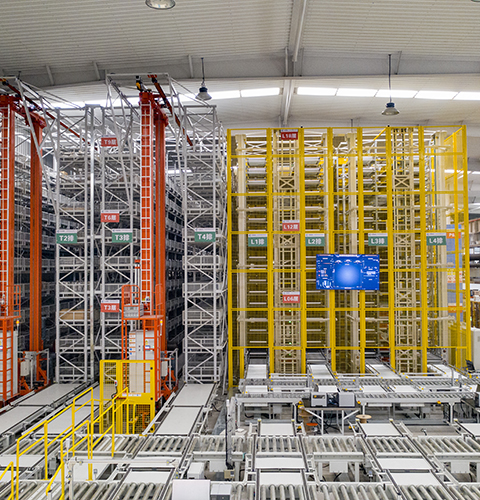
Factory-Direct Engineering, Not Trading-Layer Guesswork
Our own production base processes around 60,000 tons of steel per year, and our municipal-level R&D center holds more than 70 national patents and software copyrights covering racking, stacker cranes, conveyors, shuttle carriers and warehouse control software. For South American buyers, this means one manufacturer can remain accountable for the steel, the automation and the software.
Production is managed under ISO 9001, ISO 14001, ISO 45001 and ISO 10012 measurement management, with coil traceability, coating-thickness checks and load testing before shipment. CE certification covers racking, stacker cranes, shuttles and RGVs, giving procurement and safety teams verifiable documents to review before purchase.
- In-house racking and automation production
- ISO 9001 / 14001 / 45001 certified
- CE-marked shuttles, stacker cranes and RGVs
- 8,000+ projects in 140+ countries
- English, Spanish and Portuguese project support
- Experience with GE, Siemens, Walmart, Amazon and Toyota

Proven With Global Brands
Designated logistics equipment supplier experience with international enterprises including GE, Siemens, Walmart, Amazon and Toyota.

R&D and Innovation
A municipal technical R&D center with 70+ patents on racking, stacker cranes, conveyors, shuttle carriers and WMS/WCS software.

Certified Quality Control
Coil traceability, coating checks and load testing before shipment, with production managed under ISO management systems.

Expert Engineering Team
Led by a professor-level senior engineer and doctoral tutor with authorship in automated warehouse and logistics center references.
Certifications and Applied Engineering Evidence
Procurement teams can review third-party certificates, project references and engineering documentation before committing to a wholesale rack push back program.
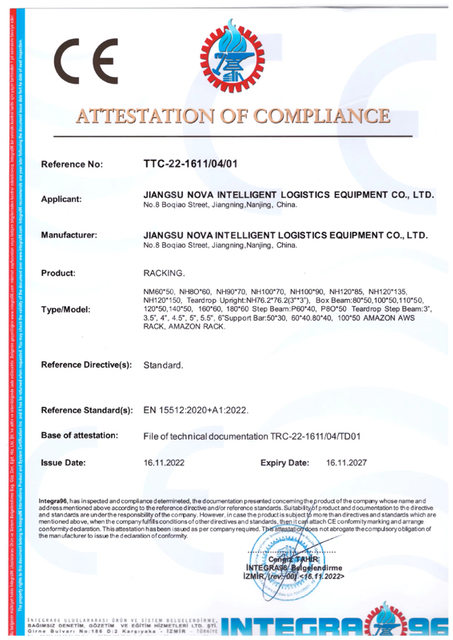 CE · Racking
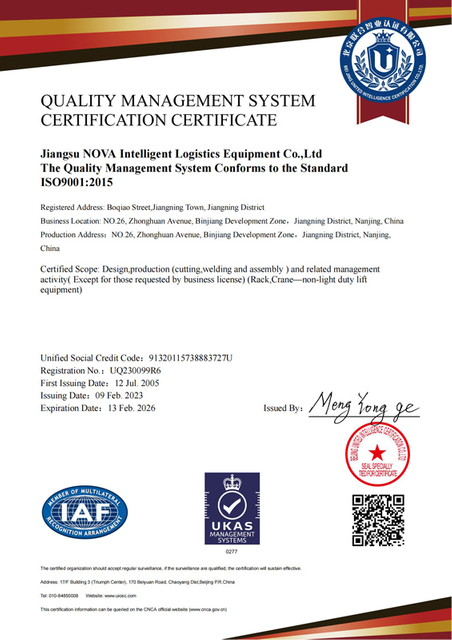 ISO 9001
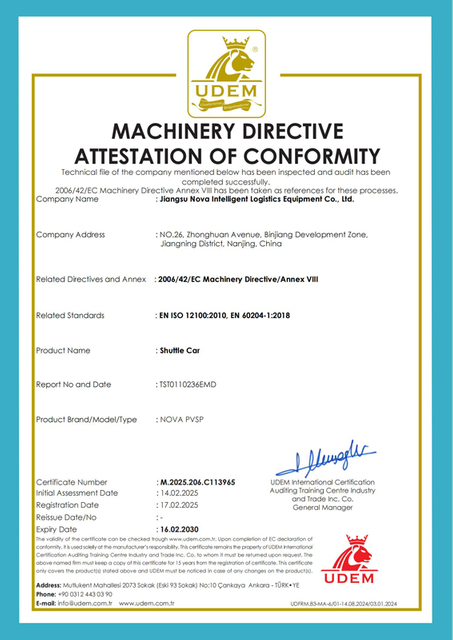 CE · Shuttle Car
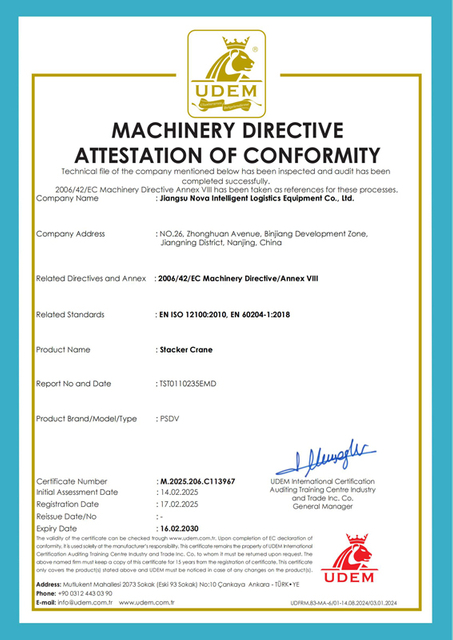 CE · Stacker Crane
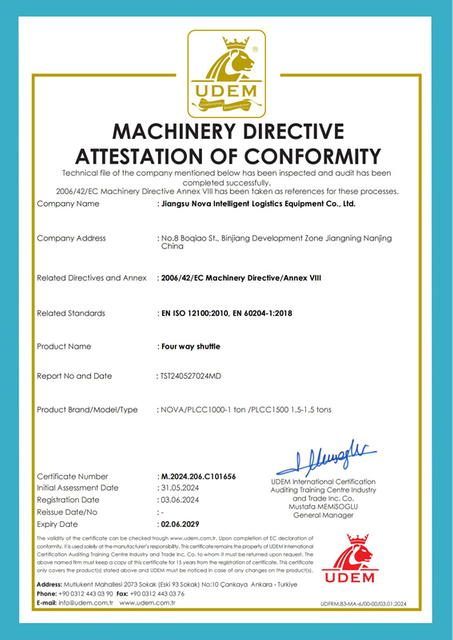 CE · Four-Way Shuttle
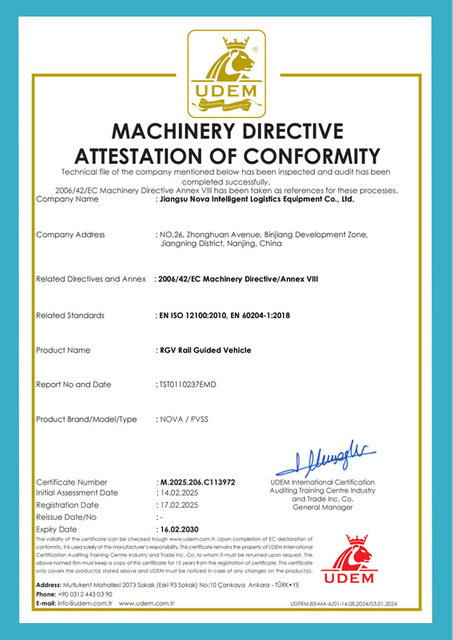 CE · RGV
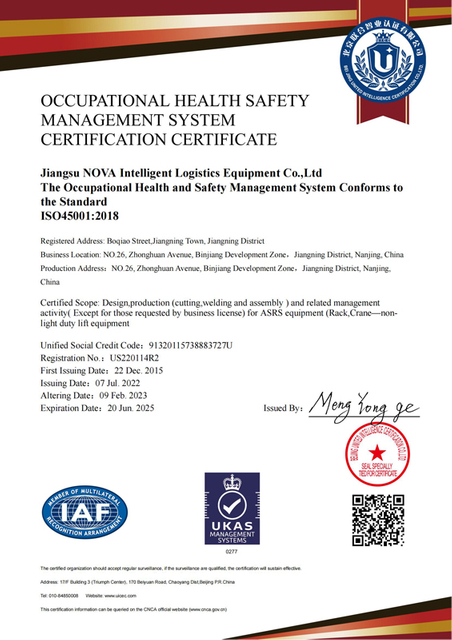 ISO 45001
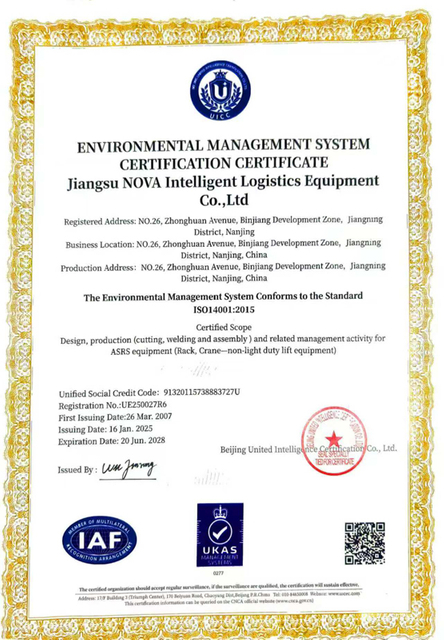 ISO 14001
Machinery Industry High-Density Storage
Heavy components and spare parts consolidated into dense pallet storage, freeing floor space for production expansion.
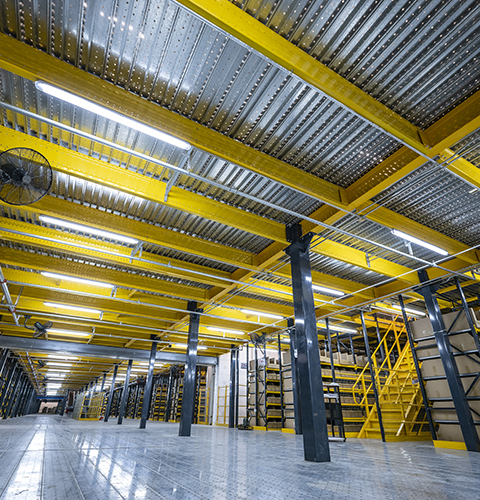
E-Business Logistics Center
Multi-tier picking racks and pallet storage built for peak-season order volumes and rapid SKU rotation.
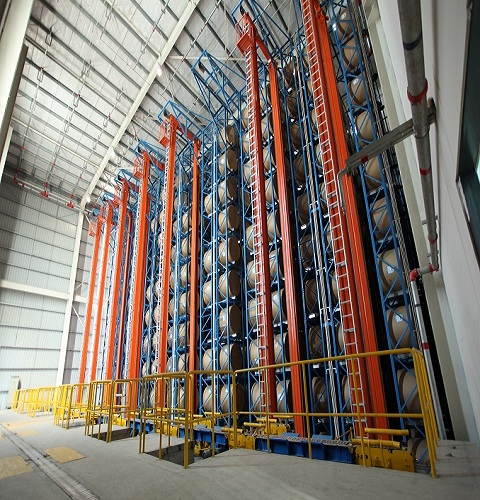
Paper-Making Industry Logistics Center
Automated storage for heavy paper rolls and finished goods, linking production output directly to dispatch.
Push Back Racking Procurement Questions
These are the questions wholesale buyers, distributors and project engineers ask most often when comparing rack push back suppliers.
What is push back racking, and how does it differ from drive-in?
Push back racking stores pallets on nested carts and inclined rails. A forklift places a pallet at the front, and the new pallet pushes the previous pallet deeper into the lane. The last pallet in is the first pallet out. Drive-in racking instead lets forklifts enter the structure. Push back usually offers faster access than drive-in but is still a LIFO system.
How do I verify a supplier's load ratings?
Ask for the calculation basis, beam and upright specifications, load signs and pre-shipment test records. A credible supplier should explain how the rated load changes when pallet weight, beam span, decking type or seismic requirements change. Do not accept a generic catalogue load without project-specific confirmation.
Can push back racking be designed for seismic zones?
Yes. Engineers can specify reinforced uprights, bracing, base plates and anchors with reference to local requirements such as NCh 2369 in Chile, E.030 in Peru and NSR-10 in Colombia. Calculation reports should be delivered with quotation drawings so your local engineer can review assumptions before approval.
What is the typical lead time to South America?
Standard selective and push back racking is often produced in about 25 to 35 days. Ocean transit from China to ports such as Santos, San Antonio, Callao, Buenaventura, Guayaquil or Buenos Aires usually takes about 30 to 45 days depending on route. Automated systems follow a project schedule agreed at contract stage.
Does push back racking support FIFO or LIFO?
Push back racking is designed for LIFO inventory flow. If strict FIFO is required, gravity flow pallet racking or conveyor-based systems may be more suitable. Many warehouses combine several storage types so fast-moving SKUs, medium-velocity pallets and slow movers each use the most appropriate lane design.
What pallet quality and forklift requirements matter?
Push back lanes depend on stable pallets, consistent dimensions and suitable forklift reach. Damaged pallets can interfere with cart movement, while inconsistent pallet sizes can reduce lane efficiency. The supplier should confirm pallet condition requirements, forklift mast clearance, load center and operating aisle width before finalizing the layout.
How should wholesalers compare quotations?
Compare the number of usable pallet positions, steel section weights, coating specification, cart design, seismic calculation, installation scope, container loading plan and spare-parts package. A lower price per ton does not always mean a lower landed cost if the design uses weaker sections, creates unusable positions or requires expensive rework after arrival.
What after-sales support should be included?
Look for installation manuals, operator training, spare cart parts, anchor and load-sign documentation, remote diagnostics where applicable and clear warranty terms. For South American projects, confirm whether supervising engineers, Spanish or Portuguese documentation and long-term spare-parts supply are available.
Request a Push Back Racking Layout and Wholesale Quote
Send your building dimensions, pallet size and weight, SKU profile, forklift type and target throughput. The project team can review whether push back, selective, gravity flow, shuttle or mezzanine racking is the better fit for each storage zone.
- Building length, width, clear height and column grid
- Pallet or carton size, maximum load and pallet condition
- Forklift type, mast height and operating aisle requirement
- City and country for seismic, coating and freight review
Get the Latest Product Catalog
Review pallet racking, mezzanine, AS/RS and dense storage options before your next supplier comparison.
Get CatalogProject support available in English, Spanish and Portuguese.