8 Custom OEM Stackable Warehouse Rack Options for Brazilian Buyers
Every product below can be developed as an OEM program around your pallet size, load per layer, forklift opening, coating system, color, packaging and spare-part kit. Original product URLs are preserved so your procurement and engineering teams can compare specifications before requesting a Brazil-specific layout.
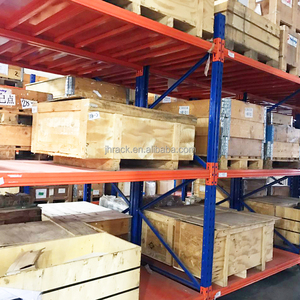
Heavy Duty Teardrop Hole Beam Selective Pallet Rack - Easy Assembly Wide Span Racking for Warehouse Pallet Storage
A practical choice for distributors and 3PLs that need fast SKU access, simple beam adjustment and high visibility in São Paulo and Campinas distribution hubs.
View product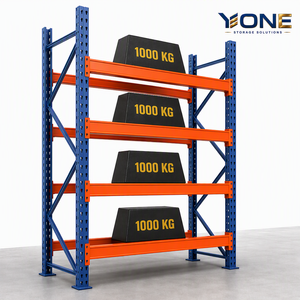
Durable Steel Storage Rack Heavy Duty Pallet Racking for Industrial Warehouse Storage with Safety Accessories
Built for automotive parts, machinery and industrial storage where heavier loads, safety accessories and predictable pallet positioning matter.
View product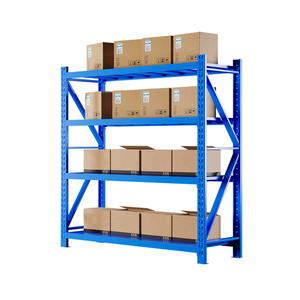
Industrial Warehouse Storage 5-Layer Pallet Racking System with Tire Rack Slotted Angle Rack Stacking Racks & Shelves
Well suited to tire distributors, retreaders and rubber product warehouses that want stable multi-layer storage and easier inventory rotation.
View product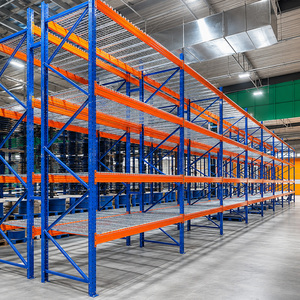
Warehouse Storage Rack Q235B for Flat Warehouse Under 12m with 80x70x2.0mm Upright Column and Wear-proof Paint
A cost-conscious structural option for flat warehouses under 12 m, with Q235B steel, specified upright profile and wear-resistant coating.
View product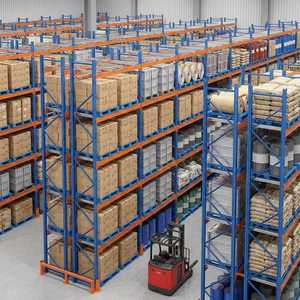
Selective Pallet Racking Steel Pallet Storage Warehouse Rack System Industrial Racks for Logistics Hub
Designed for logistics hubs and cross-docking operations that require high selectivity, quick replenishment and clear aisle circulation.
View product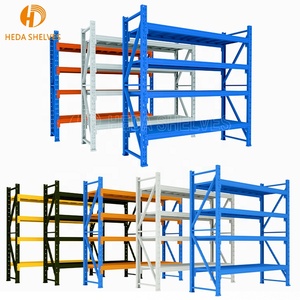
Heavy Duty Warehouse Pallet System Warehouse Racking Pallet Rack Shelving Pallet Racking for Industrial Shelves System
A flexible heavy-duty platform for manufacturers, spare-parts warehouses and mixed pallet/carton storage in growing operations.
View product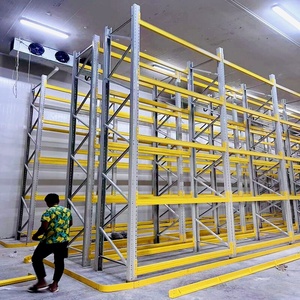
Storage Shelf Warehouse Heavy Duty Industrial Pallet Racking Narrow Aisle Selective Warehouse Rack System
For high-value real estate, narrow aisle racking helps add pallet positions without expanding the building footprint.
View product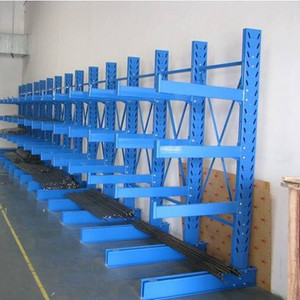
Warehouse Heavy Duty Industrial Cantilever Rack
Ideal for pipes, profiles, timber and long products that cannot be stored efficiently on standard pallet beams.
View productWhat “Custom OEM” Really Means for Stackable Warehouse Racks in Brazil
Brazil is not a single warehouse market. A racking system specified for a high-turnover São Paulo 3PL, a tire distributor in Paraná, a cold-chain operator in Rio Grande do Sul or an assembly plant in Manaus must respond to different loads, humidity levels, freight economics and local engineering reviews.
For Brazilian buyers, custom OEM stackable warehouse racks should not be treated as a commodity steel purchase. The landed cost of a rack includes steel utilization, coating thickness, container loading efficiency, customs documentation, site installation method and the risk of later rework. A supplier that only quotes a price per kilogram may overlook the details that decide whether the rack works on your floor: pallet overhang, forklift opening, beam deflection limits, upright protection, anchor requirements and the way accessories are packed for a long ocean route.
The most useful information gain in this category comes from asking for a load-and-logistics calculation, not only a product catalogue. That means mapping the static and dynamic loads, reviewing the rack layout against building columns and sprinkler clearances, confirming the coating system for tropical or coastal air, and preparing a container plan that reduces wasted air shipment. When those four items are visible before purchase, the quotation becomes an engineering decision instead of a price comparison.
Load Path First
Pallet weight alone is not enough. We review load per layer, beam span, upright capacity, accessory loading and forklift impact protection so the rack is specified for the real operating cycle.
Freight Plan Second
Knocked-down packing, nested profiles, bundled columns and accessory cartons can change the landed cost significantly. A lighter rack that packs badly may cost more in Brazil than a slightly heavier, better-packed design.
Compliance Documentation
Drawings, material descriptions, load signs and manuals help your local engineer and safety team review the project against ABNT NBR 15524 references plus applicable NR-11 and NR-12 requirements.
Localised Application Scenarios Across Brazil
Stackable warehouse racks perform best when the system is matched to the product, the building and the labour model. These are the most common Brazilian applications our OEM engineering team works with.
Automotive and Spare-Parts Clusters
In São Paulo, Minas Gerais and Paraná, suppliers of components, moulds, spare parts and returnable containers need stable stackable racking with custom cradles, dividers and identification plates. OEM colours and labels can align with plant-level visual management.
E-commerce and 3PL Fulfilment
Fast-growing fulfilment operations around São Paulo, Campinas, Recife and Fortaleza need adjustable racking that can absorb SKU changes, returns handling and peak-season volume without rebuilding the whole warehouse.
Food, Beverage and Cold Chain
Cold rooms and chilled warehouses require attention to coating, condensation, cleaning routines and forklift access. Enhanced powder coating or hot-dip galvanized components can be specified for high-humidity environments.
Tire Distribution and Retreading
The 5-layer tire stacking rack system supports high-volume tire storage where shape stability, layer separation and access for stock rotation are more important than conventional pallet beam selectivity.
Agribusiness and Export Packing
For bagged inputs, drums, packaged goods and export packing, stackable racks can replace unstable floor stacking while keeping aisles clear for inspection, fumigation and container loading.
Retail Distribution and Hard Goods
Retail DCs handling long products, furniture, building materials and appliances can combine cantilever racks, heavy-duty pallet racking and narrow-aisle layouts to fit more usable storage into existing buildings.
Brazilian Warehouse Trends Shaping Rack Specifications
Procurement decisions in Brazil are moving toward systems that support faster turns, safer operations and better use of expensive floor space. These trends directly affect how custom OEM stackable racks should be designed.
Vertical Growth in Urban Logistics
Land and rent near major consumption centres continue to pressure warehouse economics. Higher rack heights, narrow aisles and mezzanine-compatible layouts help increase pallet positions per square metre.
3PL and E-commerce Expansion
Outsourced logistics and online retail continue to increase SKU diversity. Adjustable beam levels, modular accessories and clear reconfiguration plans are becoming more important than pure storage density alone.
Gradual Automation Readiness
Even buyers not ready for AS/RS want racking that can later integrate with WMS, shuttle systems or guided vehicles. Clean layouts, consistent beam levels and documentation support future automation.
Safety, Traceability and ESG
Warehouse operators increasingly ask for material traceability, coating data, load signs, installation instructions and spare-part lists. These documents support internal audits and long-term maintenance planning.
Quick Product Recommendation Matrix for Brazil
Use this matrix as an early-stage guide. Final selection should always follow a load calculation, building survey and local safety review.
| Recommended System | Best Fit in Brazil | Customisation Focus | Product Link |
|---|---|---|---|
| Selective Pallet Racking | Retail DCs, spare-parts warehouses, 3PL operations and cross-docking hubs needing fast access to many SKUs. | Beam levels, upright protection, wire mesh decking, pallet stops, custom colours and label holders. | View selective rack |
| Heavy-Duty Pallet Racking | Industrial manufacturing, machinery parts, automotive components and mixed pallet/carton storage. | Higher load capacity, reinforced uprights, safety accessories, coating thickness and anchor details. | View heavy-duty rack |
| 5-Layer Tire Stacking Rack | Tire distributors, retreaders, rubber-product warehouses and automotive aftermarket stockrooms. | Layer spacing, tire size range, stacking stability, forklift access and identification plates. | View tire rack |
| Narrow Aisle Pallet Racking | High-rent logistics zones and tall warehouses where every additional pallet position has measurable value. | Aisle width, fork carriage compatibility, guide rails, upright protection and building height review. | View narrow aisle rack |
| Cantilever Rack | Pipes, profiles, timber, building materials, long loads and irregular items that cannot use conventional beams. | Arm length, arm pitch, single- or double-sided layout, base design and outdoor coating options. | View cantilever rack |
| Q235B Flat Warehouse Rack | Flat warehouses under 12 m where stable structural performance, wear resistance and simple maintenance are priorities. | Upright profile, Q235B material, wear-proof paint, load signs and economic container packing. | View warehouse rack |
OEM Engineering Details That Reduce Risk Before Shipment
The value of a factory-direct OEM programme is not only lower unit cost. It is the ability to define the rack around the load, the building and the import route before steel is cut.
1. Pallet and Load Envelope
Confirm length, width, height, load per pallet, overhang, fork entry and whether loads are uniform. For containers and returnable packaging, the external envelope can matter as much as the pallet itself.
2. Steel Grade and Profile
Q235B and alternate grades can be selected according to load and cost targets. Upright profile, thickness, beam section and bracing pattern are defined together, not chosen from a single catalogue page.
3. Coating for Humidity
For Santos, coastal facilities, cold stores and high-humidity regions, epoxy-polyester powder coating with enhanced pretreatment or hot-dip galvanized components may be recommended after reviewing the operating environment.
4. Safety Accessories
Column guards, pallet stops, wire mesh decking, guide rails, base plates and anchor specifications can be included as a coordinated kit instead of being sourced after the main rack arrives.
5. Forklift and Aisle Review
The rack layout must match the forklift type, mast height, turning radius and battery-charging or pedestrian zones. A rack that looks efficient on paper can fail if the aisle is too narrow for the actual equipment.
6. Container and Packaging Plan
Profiles, beams, accessories and fasteners are packed into a load plan that considers unloading sequence and site storage. Mixed container loading and labelled bundles reduce confusion during installation in Brazil.
Manufacturer Advantages Behind the OEM Programme
My Favorite Shelf Industrial Co., Ltd. has planned, manufactured and installed warehouse racking and automated storage systems since 1997. The same engineering discipline used for large distribution projects can be applied to a Brazil-specific stackable rack programme.
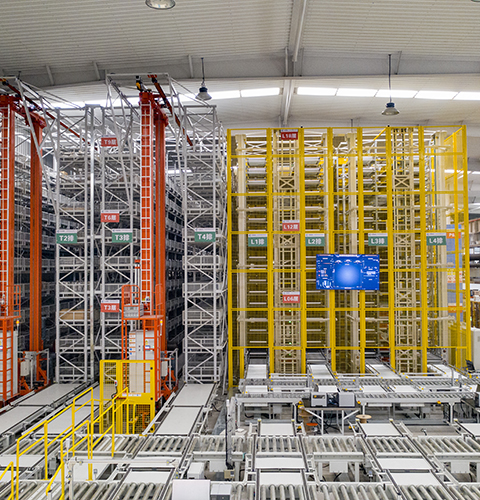
Factory-Direct Engineering, Production and Project Support
Our production base processes around 60,000 tons of steel per year, and our municipal-level R&D centre holds more than 70 national patents and software copyrights covering racking, stacker cranes, conveyors, shuttle carriers and warehouse control software. This matters to Brazilian buyers because the rack, the accessories and the automation interface can be coordinated by one manufacturer.
Production is managed under ISO 9001, ISO 14001 and ISO 45001, with CE certification for racking, stacker cranes, shuttle systems and RGV equipment. For South American projects, documentation can be prepared in English, with Spanish or Portuguese project support available for technical communication.
- In-house cold-rolling, profiling and powder-coating capability
- Structural and seismic calculation references for project review
- Factory-direct OEM colours, labels, packaging and spare-parts kits
- Experience serving global brands including GE, Siemens, Walmart, Amazon and Toyota
Auditable Quality Control
Coil traceability, coating-thickness checks, dimensional inspection and pre-shipment load testing can be documented for procurement and safety teams.
Engineering Team Depth
Our engineering team is led by senior technical specialists and supported by a dedicated R&D centre focused on storage structures, automation and warehouse-control software.
Export Packing Experience
Container-optimized packing, accessory labelling, bolting schedules and loading photos help reduce site delays after discharge at Brazilian ports.
Long-Term Support Mindset
Spare parts, installation supervision, remote diagnostics and maintenance guidance are planned at quotation stage rather than postponed until after commissioning.
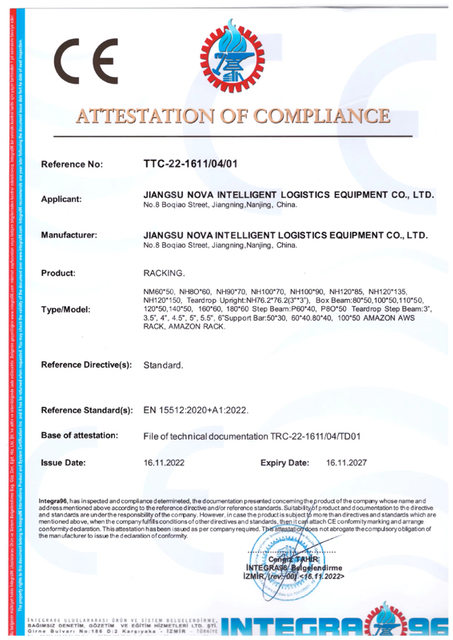 CE · Racking
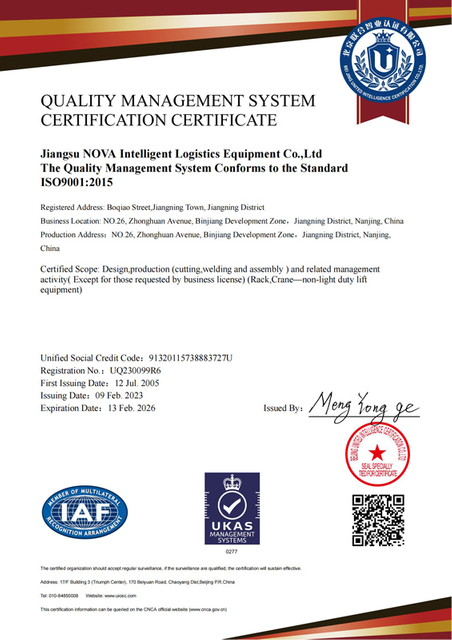 ISO 9001
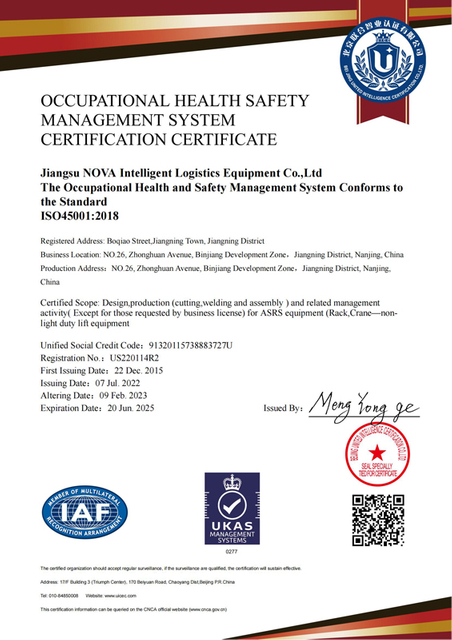 ISO 45001
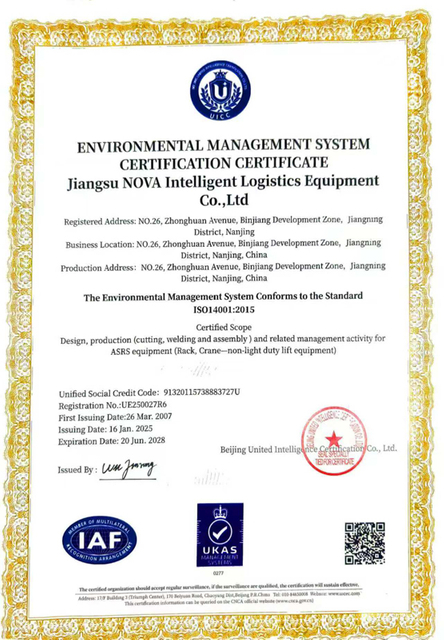 ISO 14001
Brazil Import Logistics, Timelines and On-Site Support
International racking projects succeed when shipping, documentation and installation are planned together. Our export team supports Brazilian buyers from quotation drawings through discharge and commissioning.
Ports and Routing
Common Brazilian discharge points include Santos, Paranaguá, Itajaí, Rio Grande, Suape and Pecém, followed by local transport or inland logistics to the project site.
Production and Transit
Standard selective racking is typically produced in 25 to 35 days, with ocean transit usually around 30 to 45 days depending on the route and vessel schedule.
Customs Documents
Commercial invoice, packing list, bill of lading, certificate of origin and, on request, material or test reports and installation manuals can be provided to support clearance.
Installation Support
Supervising engineers can be dispatched for installation and commissioning, with local crew training, spare parts and remote diagnostics available for automated equipment.
Send the Technical Brief
Share building dimensions, column grid, pallet or carton size, load per unit, forklift type, target capacity and project city in Brazil.
Feasibility and Layout
Our engineers review storage density, aisle requirements, safety clearances and container implications before recommending a system.
Load and Structural Review
Beam spans, upright loads, accessory loads and finish requirements are defined so the local engineer can review the proposal.
OEM Approval
Confirm colour, labels, packaging, spare parts, anchor plan and any project-specific drawing notes required for procurement approval.
Production and Inspection
Manufacturing is followed by dimensional checks, coating inspection and pre-shipment packing verification with photos and packing lists.
Shipping and Installation
We coordinate loading, documents and shipping milestones, then support unloading, installation and commissioning in Brazil.
Brazil Procurement FAQ for Custom OEM Stackable Warehouse Racks
These are the questions buyers, importers, 3PLs and engineering teams most often ask before approving a racking project for Brazil.
Can you manufacture stackable warehouse racks to Brazilian pallet sizes and forklift openings?
Yes. Provide the pallet length, width, height, load per pallet, fork entry dimensions and whether the rack will be handled by counterbalance forklift, reach truck or other equipment. The OEM drawing can define the external envelope, stacking posts, load-bearing decks, identification plates and paint colour around your operation.
What is the typical MOQ for a custom OEM stackable rack programme?
MOQ depends on the structure, steel profile, coating and packaging. A practical starting point is usually one container load, because custom profiles, powder-coating batches and export packing become more economical at container scale. For mixed projects, we can combine racking, accessories and spare parts into a single loading plan where dimensions allow.
How do you protect racks against humidity in Santos, Manaus or coastal Brazil?
For humid or coastal environments, we review the exposure level and recommend either enhanced pretreatment with epoxy-polyester powder coating or hot-dip galvanized components for high-corrosion areas. The final choice depends on the warehouse environment, cleaning routine, budget and expected service life.
Can your racking be reviewed against ABNT NBR 15524 and NR-11/NR-12 requirements?
We can supply layout drawings, load data, material descriptions, installation manuals and load signs to support review by your local engineer and safety team. Final approval for Brazilian regulatory and safety compliance must be confirmed by locally qualified professionals against the applicable ABNT, NR-11 and NR-12 requirements for the specific site.
What is the production and shipping timeline to Brazil?
Standard selective racking is typically produced in 25 to 35 days. Ocean transit from China to Brazilian ports such as Santos, Paranaguá, Itajaí or Suape usually takes around 30 to 45 days depending on routing. Custom OEM projects, automation and large multi-container orders follow a project schedule agreed at contract stage.
Which documents do you provide for Brazilian customs clearance?
We provide a commercial invoice, detailed packing list, bill of lading, certificate of origin and, on request, test reports, material certificates and installation manuals. We can also supply clear product descriptions and technical data to help your customs broker review NCM classification and import requirements.
Do you offer installation supervision and after-sales support in Brazil?
Yes. We can dispatch supervising engineers for installation and commissioning, train local installation teams and provide spare-part lists. For automated systems such as stacker cranes, shuttle systems and WMS/WCS software, remote diagnostics and maintenance guidance can be arranged after handover.
How do I request a Brazil-specific quote and layout?
Send your building drawing or basic dimensions, pallet and load details, forklift information, target storage capacity and project city. Our team will review the application and reply with a recommended system, preliminary layout direction, required data for final engineering and an OEM quotation scope.
Request a Brazil-Specific Stackable Rack Layout
Send your building dimensions, pallet or carton data, load per unit and city in Brazil. Our engineers will recommend the right OEM stackable rack, pallet racking or cantilever system and prepare the next step for quotation and container planning.