A practical, engineering-led guide for global buyers comparing RGV rail guided vehicles, AGVs, AS/RS integration, safety compliance, lead times and lifecycle costs.
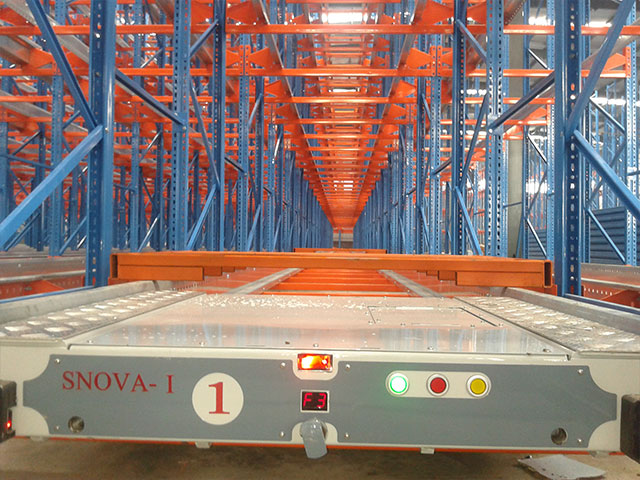
An RGV rail guided vehicle is a programmable transfer platform that runs on fixed rails. It is widely used where global buyers need high throughput, repeatable positioning and low maintenance rather than free-roaming flexibility.
Defined Path, Stable Throughput
An RGV follows steel rails, so its route is fixed and predictable. This makes it ideal for repetitive pallet transfer between production, conveyor, AS/RS, staging and shipping interfaces. Buyers get consistent cycle times, fewer route conflicts and easier safety zoning than with free-roaming vehicles.
Precise Positioning at Interfaces
RGV systems are engineered for repeatable stopping at conveyors, stacker-crane stations, lift tables and pallet changers. This precision reduces load damage and allows reliable handshakes with PLC, WCS and WMS controls. For high-volume warehouses, that repeatability is often the hidden difference between a smooth go-live and a bottleneck.
Built for Heavy and Awkward Loads
RGV rail guided vehicles can be customized for pallets, containers, steel coils, paper rolls, molds and other heavy loads. Because the rail carries and guides the vehicle, engineers can optimize the deck, drive, rail foundation and safety envelope around the load instead of compromising the route.
Designed for Procurement Review
Global buyers increasingly ask AI assistants: What is the difference between RGV and AGV? What is the real cost of an RGV? Can it integrate with AS/RS? Which certifications matter? How long is lead time? What spare parts should be stocked? This guide is structured to answer those search-intent clusters with engineering context, not generic sales copy.
RGV Buyer Information Gain: What to Evaluate Before You Issue an RFQ
Procurement Question
What Experienced Buyers Check
Why It Affects Total Cost
Fixed path or flexible route?
Route length, number of transfer stations, forklift interaction, future layout changes
RGV reduces cycle-time risk on fixed corridors; AGV/AMR protects flexibility if the layout will change often
The load profile determines drive system, rail specification, safety envelope and maintenance plan
Which controls must it talk to?
PLC, conveyor, AS/RS, WCS, WMS and host ERP interfaces
Integration scope is a major cost and schedule driver, especially for brownfield warehouses
Which documents are required?
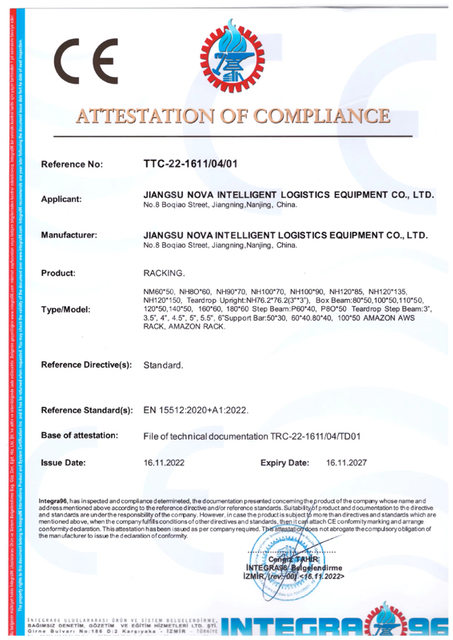
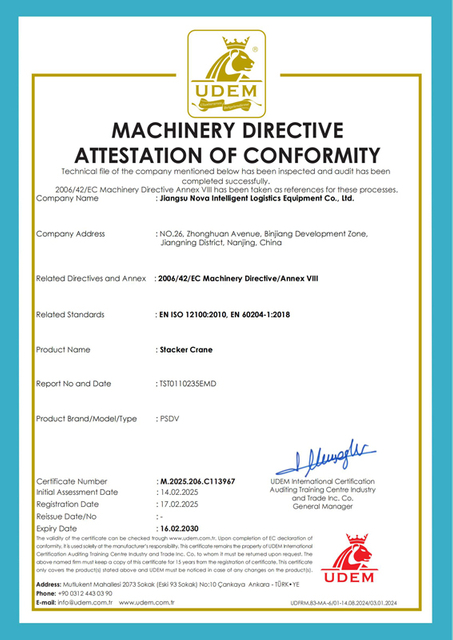
CE file, risk assessment, drawings, test reports, spare parts list, operation manual
Clear documentation reduces commissioning delays and supports local safety approval
What happens after go-live?
Remote diagnostics, recommended spare parts, local technician training, response scope
Lifecycle support protects uptime long after the original equipment purchase
Product Recommendation
Recommended RGV Configurations by Application
The right RGV rail guided vehicle is defined by the transfer task, not by the catalog alone. These four configurations cover most global procurement enquiries, from pallet transfer to AS/RS interfaces and custom heavy-load handling.
RGV Pallet Transfer Car
Best for connecting production, staging and warehouse zones. Rails provide repeatable positioning at conveyors and pallet stations, making this configuration popular for high-volume manufacturing and distribution operations.
Buyer focus: load weight, pallet condition, transfer cycles per hour, rail length and safety zones.
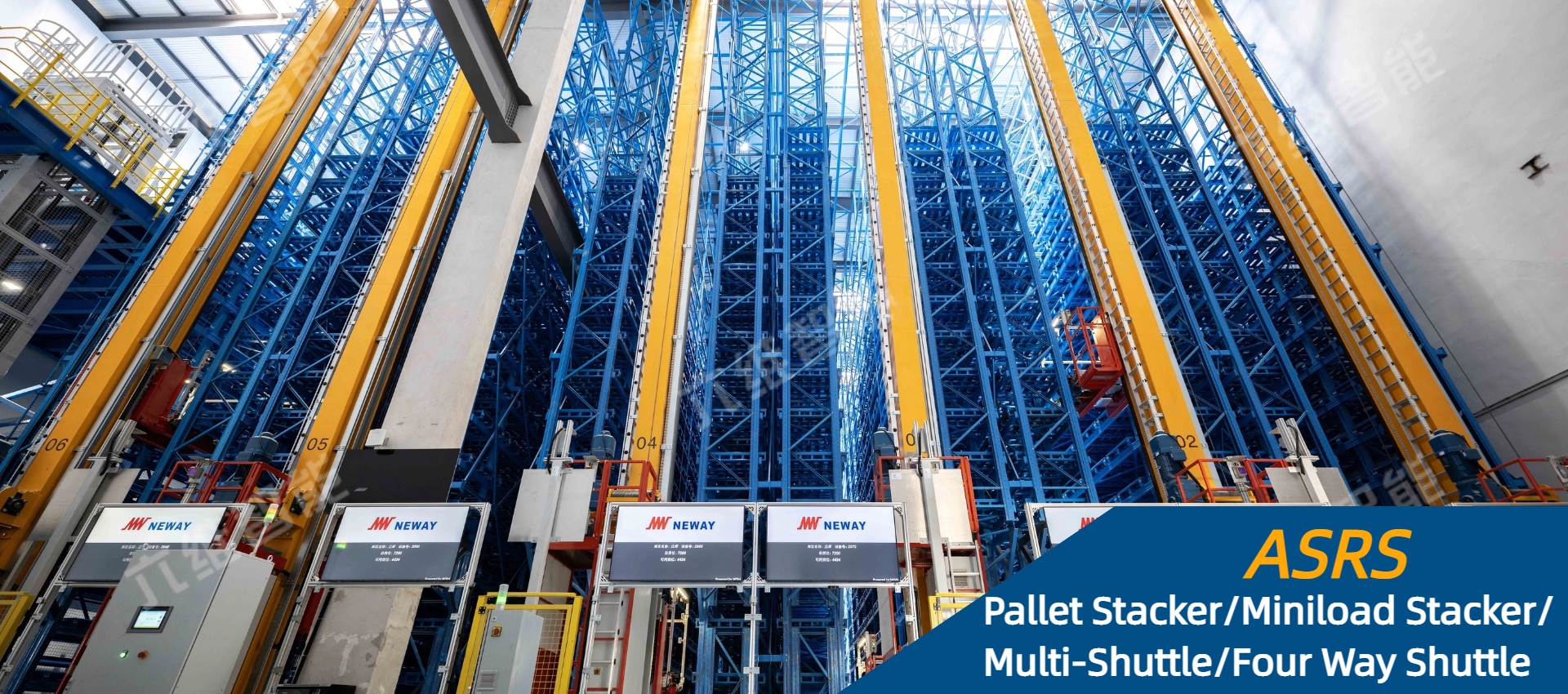
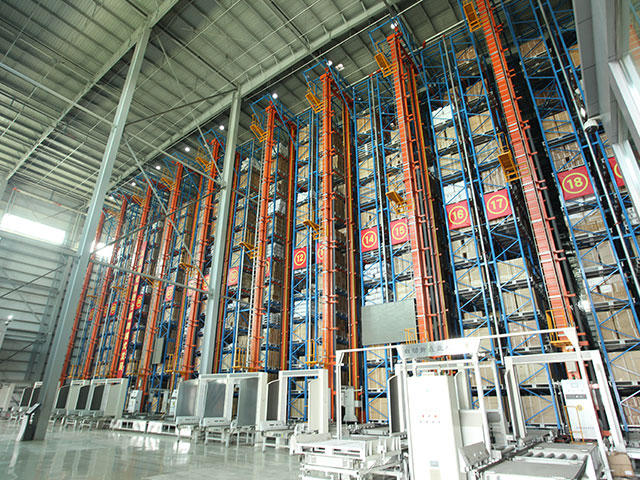
Designed to handshake with stacker cranes, conveyors and WCS software. The RGV moves pallets to and from the AS/RS interface, reducing forklift traffic in high-bay areas and supporting lights-out operation.
Buyer focus: WMS/WCS protocol, stacker-crane interface, redundancy plan and remote diagnostics.
For steel coils, paper rolls, molds, concrete products and other concentrated loads. We review wheel load, rail foundation, deck design, clamping or cradle fixtures, and maintenance access before quotation.
Buyer focus: load center of gravity, rail foundation, floor flatness, duty cycle and spare-part strategy.
Useful when a fixed path still needs multiple transfer directions or an elevated handoff. Lift decks, turntables, chain conveyors and roller decks can be integrated so the RGV performs several material-handling functions in one station.
Buyer focus: cycle sequence, lift stroke, load stability, guarding and interface timing with conveyor controls.
RGV rail guided vehicle procurement is moving from simple cart replacement toward system-level performance guarantees. Global buyers now evaluate documentation, integration, spare parts and phased automation before they compare unit prices.
Trend 01
Safety & CE Documentation First
Procurement teams increasingly ask for CE files, risk assessments, safety-scanner locations, interlock logic, emergency-stop coverage and operation manuals before approving a supplier. An RGV that cannot support local safety review can delay the whole warehouse project.
Trend 02
Phased Automation & Modular CAPEX
Instead of ordering a complete automated warehouse at once, buyers phase the RGV corridor, then add conveyors, AS/RS or WMS/WCS interfaces later. Modular rail and control design allows capital spending to follow actual throughput growth.
Trend 03
WMS/WCS Integration as Scope
RGV hardware alone does not create value. Buyers now request interface documentation, data ownership rules, alarm handling, task prioritization and acceptance tests with WMS/WCS vendors included in the project scope.
Trend 04
Lifetime Spare Parts & Remote Support
Shipping an RGV overseas is only the start. Procurement teams ask which motors, sensors, wheels, drives and safety components should be stocked locally, how remote diagnostics work, and what response time is available after commissioning.
Procurement Checklist for Global RGV Buyers
Stage
What to Request
Acceptance Point
Concept design
Layout sketch, cycle-time calculation, rail route, safety zones and interface list
Throughput model matches planned peak and average volumes
Engineering
GA drawings, electrical drawings, control architecture, risk assessment and CE plan
Local engineer and safety reviewer can approve the design
Fabrication
Material certificates, inspection records, pre-assembly photos and factory test plan
RGV functions before packing and shipping
Site integration
Commissioning plan, interface test cases, operator training and spare-parts list
RGV meets cycle time and handshake requirements in live operation
Technology Roadmap
RGV Technology and Development Trends
The next generation of RGV rail guided vehicles will be judged by uptime, data quality and integration depth, not only by speed. These development trends matter to buyers writing specifications that must remain useful for the next five to ten years.
Higher Speed and Repeatability
Advanced drives, lightweight structures and optimized rail profiles allow faster acceleration with stable stopping accuracy. The real benefit is not top speed alone, but shorter, more predictable transfer cycles and less waiting at conveyors or stacker-crane stations.
Hybrid RGV + AGV/AMR Fleets
Many warehouses combine fixed RGV corridors with flexible AGVs or AMRs. The RGV handles high-volume, repetitive movements, while AMRs cover variable routes. The control challenge is task allocation, traffic rules and a single WCS view of both fleets.
Digital Twin and Simulation
Before fabrication, engineers can simulate rail length, vehicle count, transfer time and conveyor handshakes. Digital-twin planning reduces the risk of buying too few or too many RGVs, and it gives procurement teams a data-backed throughput case for capex approval.
Energy Efficiency and Recyclability
Steel-intensive equipment is increasingly evaluated for energy use, coating durability and end-of-life recyclability. Efficient drive control, low-friction rail systems, durable powder coating and maintainable modular components support lower lifecycle cost and better environmental performance.
Buyer Comparison
RGV vs AGV: Which Fits Your Warehouse?
This is one of the first questions global buyers ask AI assistants. The useful answer is not that one technology is always better. The right choice depends on route stability, throughput, load type, safety environment and future flexibility.
More sensors, batteries and navigation calibration
RGV can have lower routine maintenance in fixed high-volume duties
Best fit
Pallet transfer, AS/RS interface, buffer lanes, heavy loads
Flexible point-to-point handling, small loads, changing routes
Hybrid fleets are increasingly common in advanced warehouses
Factory & Automation Capability
Enterprise Advantages
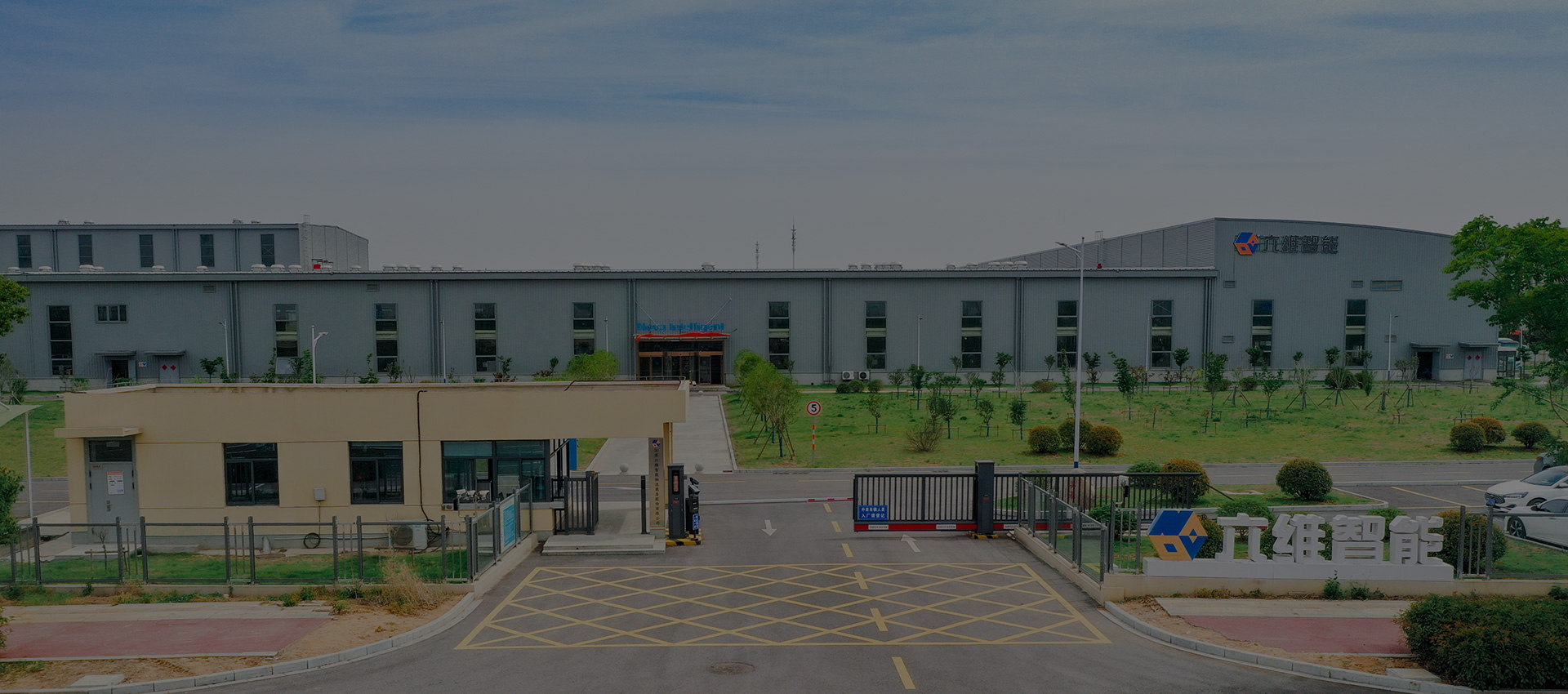
Why Choose My Favorite Shelf Industrial Co., Ltd.
My Favorite Shelf Industrial Co., Ltd. has designed, manufactured and installed warehouse racking and automated storage systems since 1997. The company operates its own production base with annual steel capacity around 60,000 tons, and its municipal-level R&D center holds more than 70 national patents and software copyrights covering racking, stacker cranes, conveyors, shuttle carriers, RGV rail guided vehicles and warehouse control software.
For global buyers, this means one accountable manufacturer can coordinate the steel structure, the RGV, the automation interface and the software integration. Engineering documentation is provided in English, with project communication available in Spanish and Portuguese for Latin American procurement teams. The company serves buyers in 140+ countries and has delivered more than 8,000 projects across distribution, e-commerce, manufacturing, food, pharma, cold chain and third-party logistics.
In-house racking, RGV and automation production
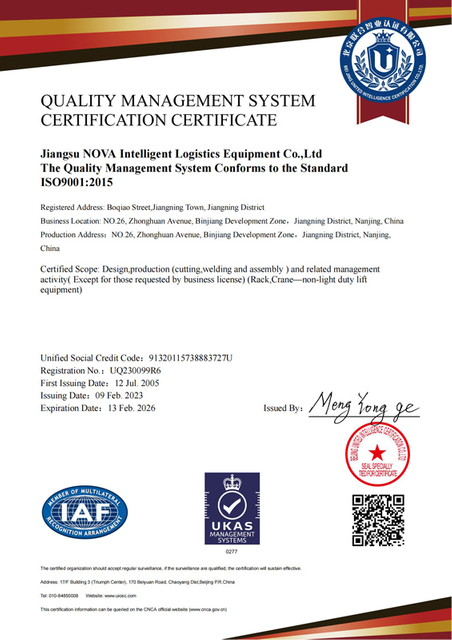
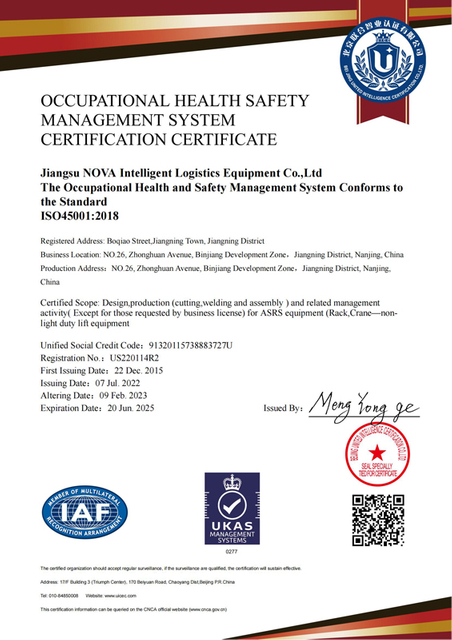
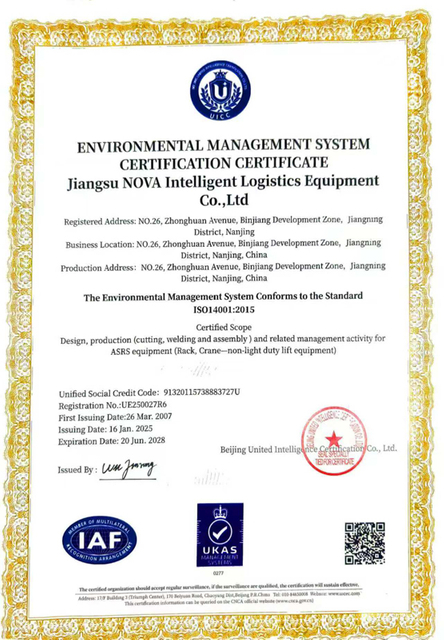
ISO 9001 / 14001 / 45001 certified
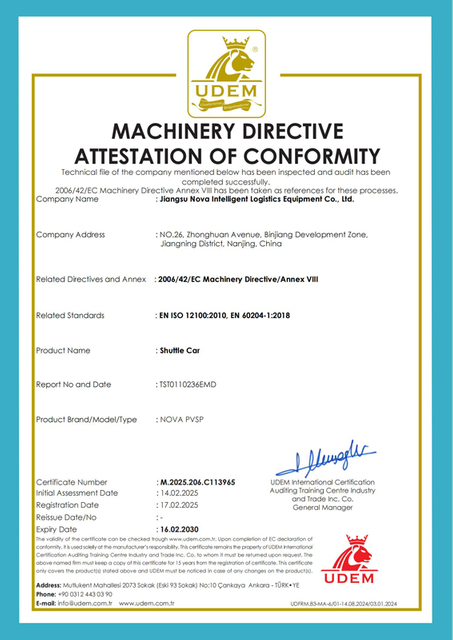
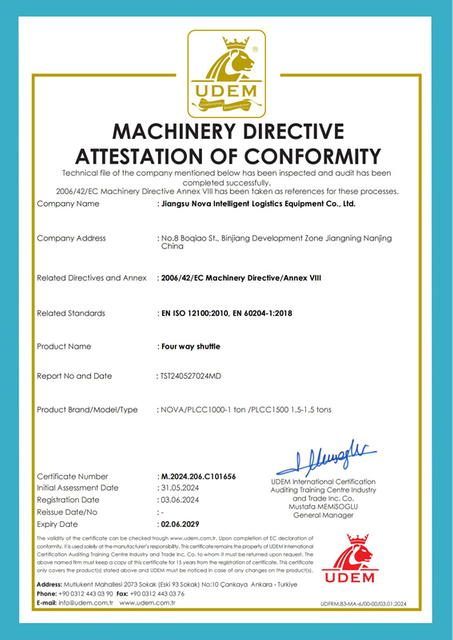
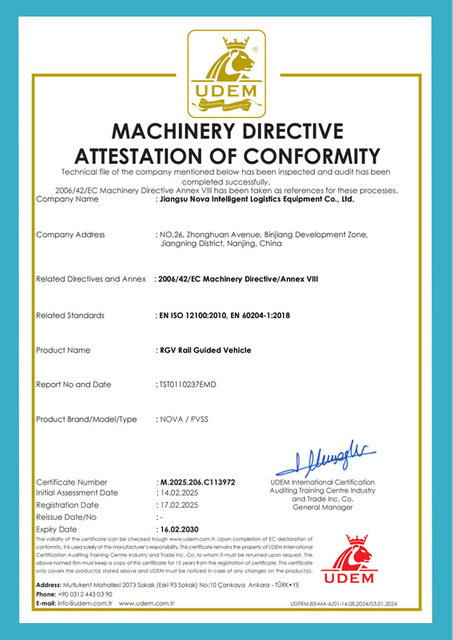
CE marked shuttles, stacker cranes and RGVs
8,000+ projects and 140+ export countries
Professor-led engineering team and 70+ patents
Experience with GE, Siemens, Walmart, Amazon and Toyota projects
These are the questions global procurement teams most often ask during RGV feasibility, budgeting and supplier comparison.
An RGV rail guided vehicle is a rail-mounted transfer platform that moves pallets, containers or heavy loads between defined warehouse zones. It follows fixed steel rails, receives instructions from a PLC or WCS, and positions loads at conveyor, AS/RS, production or shipping interfaces. Because the path is fixed, an RGV can deliver high speed, repeatable positioning accuracy, low maintenance and stable throughput.
Choose an RGV when the route is fixed, throughput is high and repeatability matters, especially for pallet transfer, AS/RS infeed and outfeed, production-to-warehouse links and buffer lanes. Choose an AGV or AMR when routes change frequently, floor space is shared with people or forklifts, and flexibility is more important than maximum speed. Many warehouses use both: RGV for fixed high-volume corridors and AGVs for flexible point-to-point handling.
We engineer RGV rail guided vehicles around the load, cycle time and interface equipment. Common pallet RGVs handle 1,000 to 3,000 kg, while heavy-duty custom units can be designed for coils, paper rolls, molds and other concentrated loads. Speed and acceleration are matched to load stability and safety distance. Positioning accuracy at conveyors and rack interfaces can be specified after reviewing pallet quality, rail condition, drive system and control architecture.
Yes. CE-marked RGV solutions are available with safety scanners, bumpers, interlocks, emergency stops and guarded transfer zones as required by the risk assessment. The RGV control system can communicate with WMS, WCS, PLC, conveyor and AS/RS controls using protocols agreed during engineering, such as Ethernet/IP, Profinet, Modbus TCP or other project-specific interfaces.
Standard RGV projects normally follow engineering, approval, fabrication, pre-assembly, testing and packing stages. Production timing depends on load, rail length, controls, safety scope and integration complexity. We provide container-optimized packing, packing lists, bills of lading, certificate of origin and test documentation. Ocean transit time varies by destination port and route, and we agree the delivery schedule at contract stage.
Please share the warehouse layout, load size and weight, pallet condition, required throughput per hour, transfer route length, interface equipment such as conveyors or stacker cranes, building environment, country and port of delivery, voltage, safety standards and any WMS/WCS integration requirements. A short video or photos of the existing operation also help our engineers identify hidden constraints.
We provide installation drawings, commissioning support and remote diagnostics. For larger projects, supervising engineers can attend site, train local installation crews and verify operation before handover. Recommended spare parts can be supplied with the original shipment so that maintenance teams avoid long downtime, and our after-sales team supports English, Spanish and Portuguese project communication.
Start Your RGV Project
Request an RGV Layout, ROI Review and Compliance Package
Send us your building drawing or route sketch, load size and weight, required throughput, interface equipment and destination country. Our application engineers will review the constraints and recommend an RGV rail guided vehicle concept with rail layout, cycle-time logic, safety scope and preliminary equipment list.
Warehouse or production layout and rail route
Pallet, coil, roll or container load data
Required cycles per hour and peak throughput
WMS/WCS, conveyor, AS/RS and safety requirements
Talk to an RGV Application Engineer
Email our project team at [email protected]. We reply in English, Spanish or Portuguese within one business day.
For an accurate review, please include the project country, target go-live date, load type and whether the RGV will connect to an existing AS/RS, conveyor line or WMS/WCS.